French
 German
 Italian
 Arabic
 Japanese
 Spanish
 Korean
 Russian
 Portuguese
 Dutch
Dutch
 Norwegian
 Finnish
 Swedish






 Select the perfect handcrafted wall decoration pieces to enhance your business space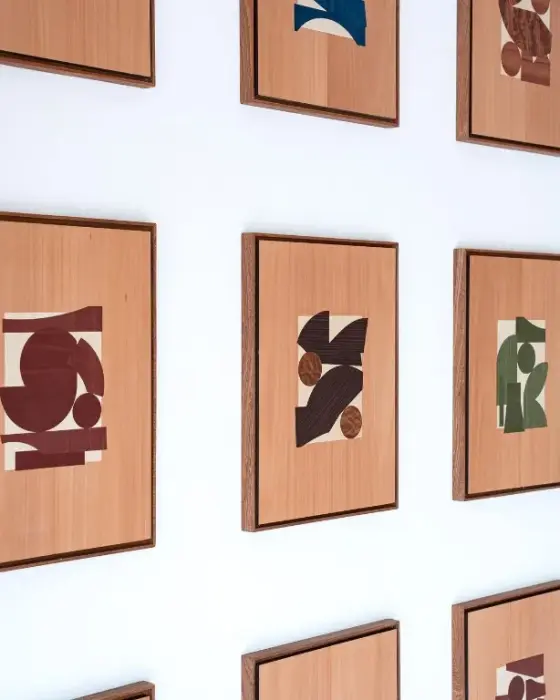
Spent thousands on a stunning oil painting only to watch it fade, crack, or lose its luster? You're not alone. Many art collectors make costly cleaning mistakes that permanently damage their investments. While custom oil paintings require significant investment, proper maintenance doesn't have to be overwhelming. Understanding the difference between safe cleaning and destructive DIY attempts could save you from heartbreak—and expensive restoration bills.
Table of Contents
- Understanding Oil Paintings: Layers, Materials, and Key Risk Factors
- Step-by-Step Guide: Safe Cleaning Techniques for Oil Paintings
- Expert-Backed Preventative Care & Maintenance Tips
- Solutions to Common Problems: Real-World Examples & Case Insights
- Frequently Asked Questions: Caring for Oil Paintings
- Conclusion
Understanding Oil Paintings: Layers, Materials, and Key Risk Factors

Oil paints are prized for their vibrant color and complex texture, but their unique chemical properties require careful consideration during cleaning. The typical canvas painting is built from several components: the canvas itself, a ground or preparatory layer, the paint layer (where pigment is mixed with oil), and often a protective coating or varnish. Maintenance and cleaning needs may differ between standard works, thick impasto paintings (with textured, raised paint), and encaustic paintings, which use heated wax with pigments. Each structure presents unique vulnerabilities.
Common threats include the slow accumulation of surface dirt, dust, and grime, as well as exposure to starchy foods, smoke residue, humidity, and UV light. Electrostatic charges can further attract unwanted dust. Over time, these factors weaken the pigment-to-medium bond, risking fading or flaking.
Attempting to use inappropriate cleaning agents, ammonia-based products, or indiscriminate solvent cleaning will often dissolve paint or disfigure varnish, especially if the paint layer is unstable or the painting has already received restoration work. Whenever you notice cracking, paint lifting, mold, heavy grime, or suspect a previous restoration project, it’s a sign to consult an art conservator immediately for expert assessment. Early intervention is crucial for preserving the history of the art and ensuring the safety of fine artworks.
Step-by-Step Guide: Safe Cleaning Techniques for Oil Paintings
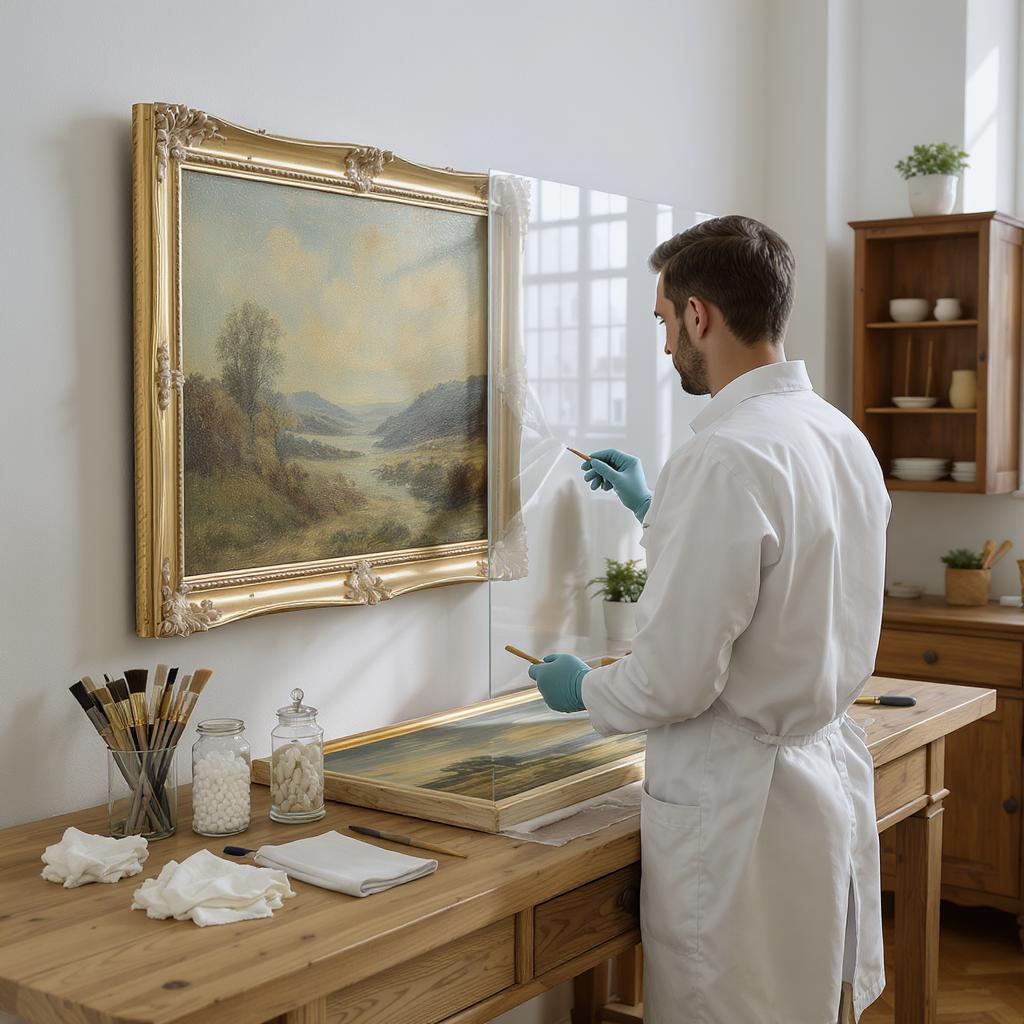
The right tools and preparation are essential. Have these ready:
- Soft natural-bristle brushes: Gently sweep away loose dust from the paint layer’s surface.
- Microfibre cloths: Useful for delicate, non-abrasive dusting and rolling away fine debris.
- Cotton buds: Precision cleaning in small, controlled spots.
- Ammonia-free cleaner: Only for the faintest surface dirt and robust, modern pieces (avoid use on older or delicate works).
- Palette knife & tempered glass or glass cutting board: Used to support artworks during inspection or gentle lifting, while maintaining stability.
- Silicone-based gels and solvent-based liquids: Only ever used by trained conservators for stubborn dirt, yellowed varnish removal, or deep cleaning projects.
- Silicone feet: Add under artwork to keep paintings above surfaces and prevent accidental absorption of spills or humidity.
- Ventilated space with stable lighting and museum glass protective layer (optional): Optimizes safety for your cleaning and protects against electrostatic charges and environmental exposure.
The gentle cleaning process involves only light dusting with natural-bristle brushes, avoiding feather dusters, vacuums, and rough cleaning tools, which can pull at the paint layer or cause abrasive micro-scratches. For minimal surface dirt, carefully roll a dry microfibre cloth over the paint layer. For newer canvas paintings, lightly dampen the cloth or cotton buds with an ammonia-free cleaner (always spot-test first in an inconspicuous area). Never attempt vigorous cleaning, soaking, or the use of household cleaning agents, as these can disrupt the pigment-to-medium bond or leave irreversible marks.
Professional solvent cleaning or the use of cleaning agents such as silicone-based gels should only be conducted during a supervised art conservation project. Every removal process must be patient and methodical: always spot-test, use gentle motions, and cease if any color transfer or texture change is observed.
Expert-Backed Preventative Care & Maintenance Tips

To maximize art protection for your collection, employ these strategies:
- UV-filtering glass and museum glass: Mounting artworks behind these protects them from harmful UV light which can cause fading or yellowing over time.
- Controlled lighting and humidity controls: Place paintings away from windows, sources of direct sunlight, kitchens, or damp areas. Manage temperature and humidity to prevent canvas warping, mold, or flaking paint.
- Proper framing and silicone feet: Quality frames with archival backing and silicone feet help cushion art pieces and prevent electrostatic charges that draw dust.
- Routine inspection and dusting: Every few months, inspect for signs of grime, micro-cracking, or humidity damage. Gently dust as needed. During each review, check stability—silicone-based support can help keep paintings elevated and secure.
- Rotate art pieces: For business or hospitality installations, periodically move oil paintings to equalize exposure to ambient light and environmental stressors.
- Avoid starchy foods and liquids: Keep them well away from any display area to minimize accidental contamination.
For businesses, institutions, or collectors with substantial or high-value collections, Lenoir Decor recommends partnering with an expert for a preventive art conservation project or routine professional cleaning. Our specialists guide clients through tailored protocols for display, transport, and maintenance, ensuring fine artworks withstand the test of time.
Solutions to Common Problems: Real-World Examples & Case Insights

Discoloration, yellowing, or greying is often due to aged varnish or environmental pollution. Professional art conservators use silicone-based gels and professional-grade solvent cleaning to remove yellowed layers while preserving the original paint layer’s integrity.
Mold, mildew, and water stains require immediate action: artworks should be isolated, examined for fungal growth, and professional help sought. Moisture can permanently weaken the pigment-to-medium bond and degrade canvas.
Surface cracks or flaking paint are red flags—never attempt amateur repairs. In a professional restoration work setting, trained conservators stabilize the paint and undertake careful infill on affected zones, using appropriate cleaning solution and reversible restoration techniques.
A notable example comes from a hotel client who acquired a series of canvas paintings from Lenoir Decor. Through environmental monitoring (UV light controls, strategic placement away from building work), UV-filtering museum glass installation, and periodic expert maintenance, the art collection retained its vibrancy and value for years despite high-traffic exposure.
Frequently Asked Questions: Caring for Oil Paintings
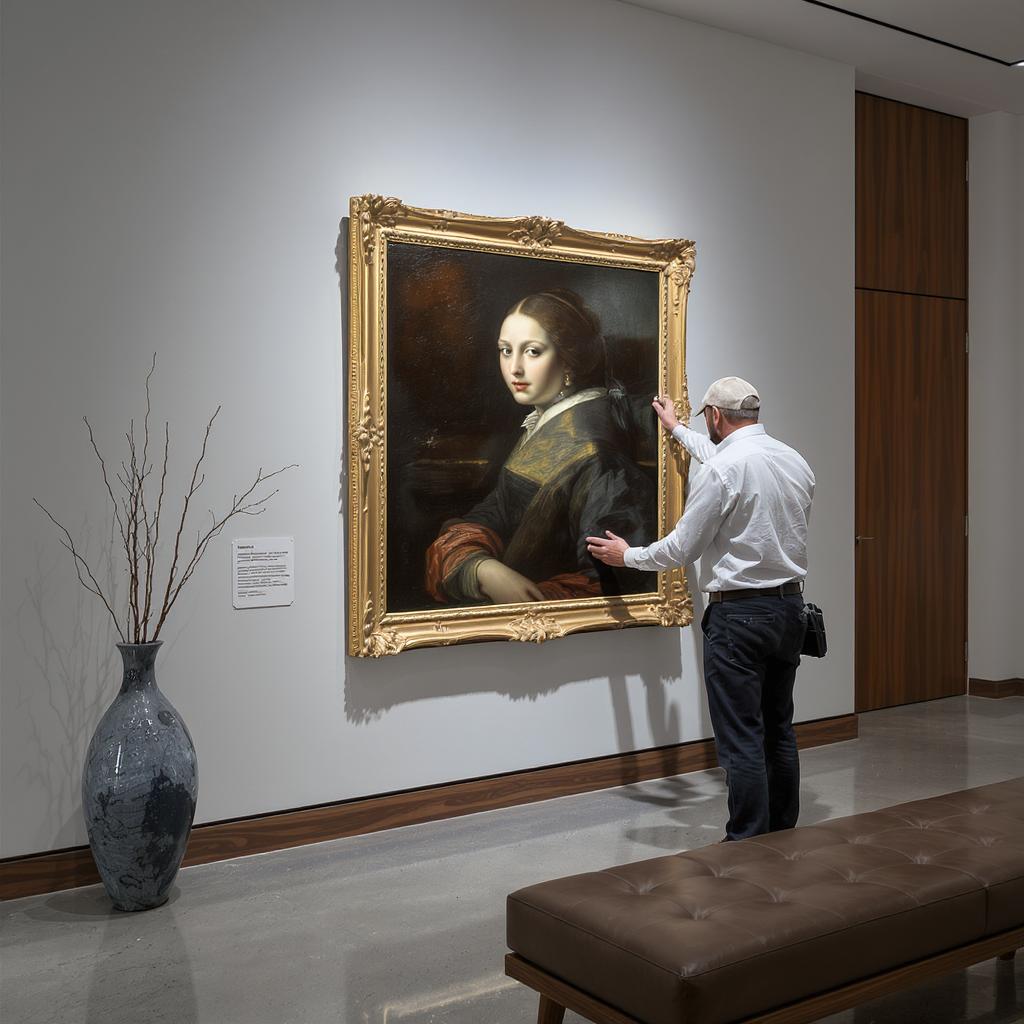
How often should oil paintings be professionally cleaned? Every 5-10 years for private collections, more frequently for works in public or high-traffic spaces. Schedule sooner if signs of grime or instability appear.
Can I use household products or cleaning agents for routine care? Never. Household products and most cleaning agents risk irreparably damaging the paint layer, varnish, or canvas. Always use art-approved, ammonia-free cleaner with caution—or consult an expert.
What are the signs an oil painting needs expert restoration? Visible cracks, flaking, surface irregularities, substantial dirt and grime, glossy or cloudy varnish, or history of the art indicating prior restoration work are key signals.
How do I protect my collection during building work or renovations? Move art to a dust- and vibration-free environment. Use UV-filtering museum glass and protective coatings. Employ humidity controls and temporarily store art pieces on stable surfaces with glass cutting boards or tempered glass barriers.
Is it safe to transport oil paintings for cleaning or conservation? Yes, if properly packed with museum-grade materials, cushioned frames, and climate-controlled transport. Consult Lenoir Decor or an art conservator before any significant relocation.
Conclusion
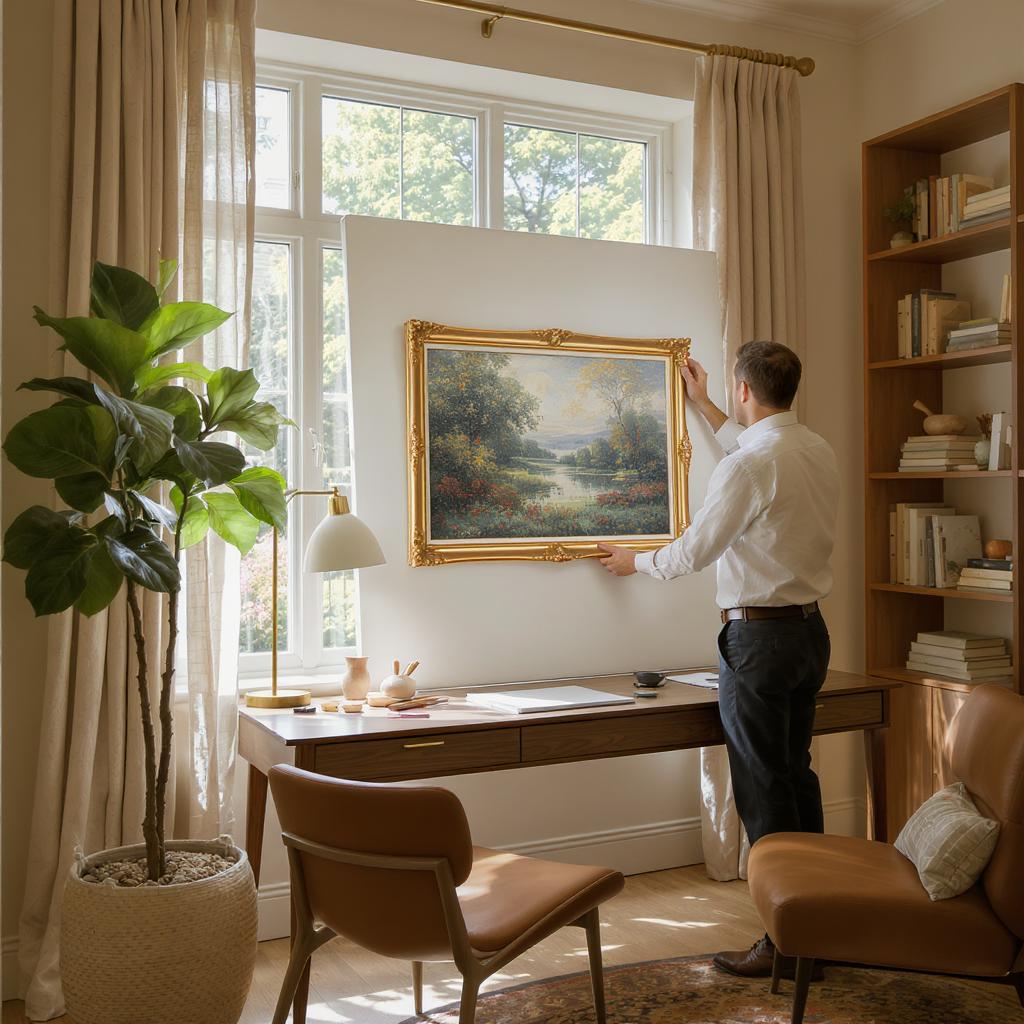
Protect your collection—consult experts for lasting brilliance. In summary, understanding how to clean oil paintings is the cornerstone of safeguarding their longevity, value, and impact within homes, businesses, or galleries. Regular preventative care and timely professional intervention will keep your fine artworks as captivating as the day they were created. If you are an art collector, institution, or interior designer seeking expert care or custom oil painting maintenance solutions, Lenoir Decor’s team is available for tailored advice and comprehensive art conservation projects.
.webp)