French
 German
 Italian
 Arabic
 Japanese
 Spanish
 Korean
 Russian
 Portuguese
 Dutch
Dutch
 Norwegian
 Finnish
 Swedish


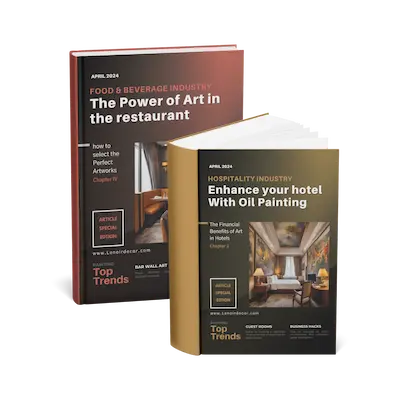
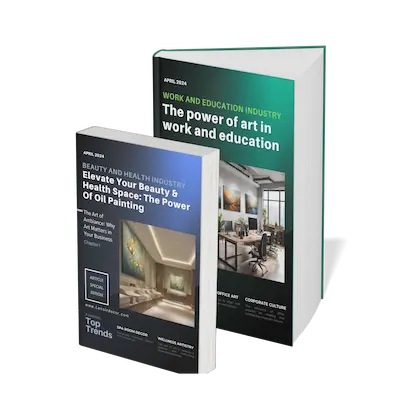


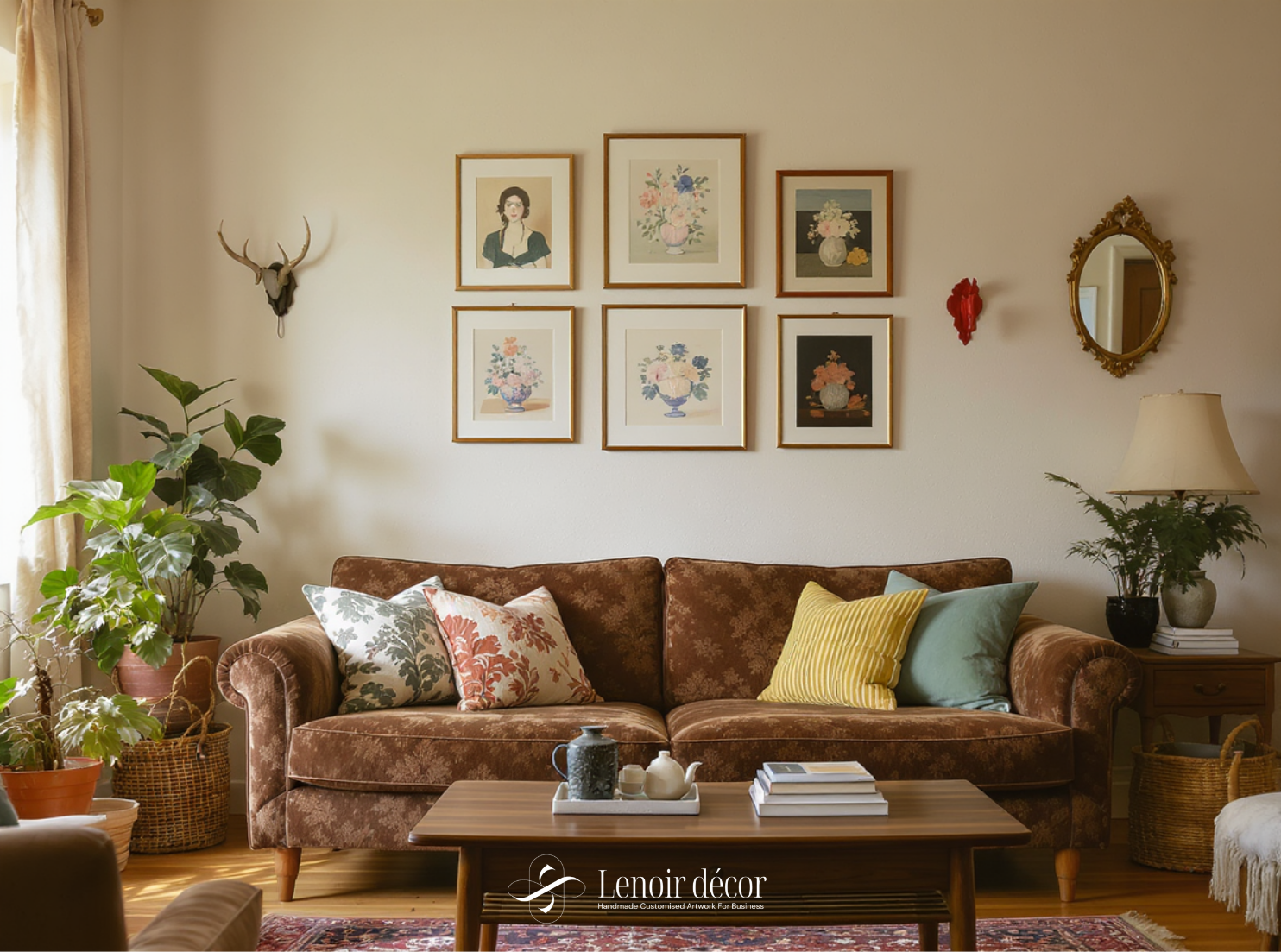
 Select the perfect handcrafted wall decoration pieces to enhance your business space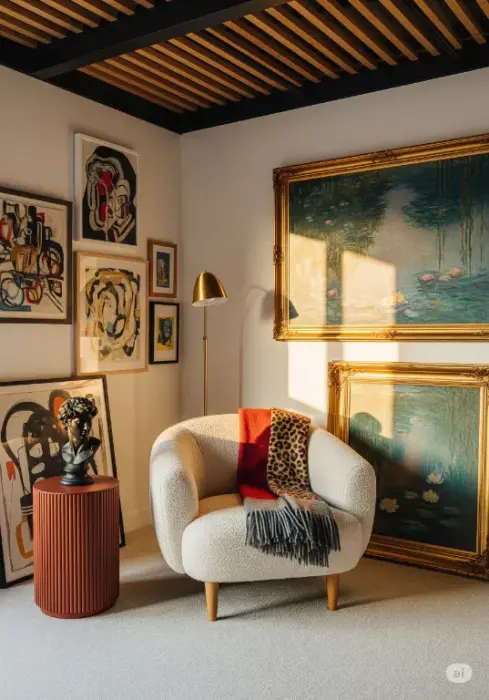
Custom oil paintings are no longer just about decorating walls—they are about elevating corporate identity, enhancing client experience, and strengthening brand values. But how exactly do commissioned oil paintings bring value to businesses? Why have they become a top choice in corporate aesthetics? What are the key elements to consider when investing in custom artworks? Let’s explore all these aspects in the comprehensive guide below!
Table Of Content
- Understanding Oil Painting Techniques and Styles
- Essential Care and Maintenance for Oil Paintings
- Authentication and Collecting Considerations
- Strategic Art Investment for Business Success
- Professional Tips for Commissioning Success
- Case Study: Transforming Corporate Environments
- Frequently Asked Question
For centuries, oil painting has been the gold standard of artistic expression, gracing the walls of royal palaces, prestigious museums, and distinguished establishments worldwide. Today's businesses are rediscovering this timeless medium's power to transform commercial spaces into environments that inspire, impress, and differentiate. From boutique hotels seeking to create unique atmospheres to corporate headquarters establishing their cultural identity, custom oil paintings offer unparalleled versatility and sophistication.
The world of custom oil paintings represents one of the most prestigious and enduring forms of artistic expression available to businesses today. Unlike digital prints or mass-produced artwork, each custom piece is meticulously handcrafted by skilled independent artists who pour their expertise into every brushstroke. The rich textures, vibrant colors, and dimensional qualities of oil paint create original works that command attention and respect in any professional setting.
For businesses seeking to differentiate themselves in competitive markets, custom oil paintings provide a unique opportunity to showcase their commitment to quality and attention to detail. Whether you're designing an upscale restaurant, creating a welcoming hotel lobby, or establishing a professional office environment, commissioned oil paintings serve as powerful branding tools that communicate success, sophistication, and artistic appreciation to discerning Art Collectors and clients alike.
The process of commissioning custom oil paintings has evolved significantly with modern technology and global connectivity. Today's businesses can work with talented artists worldwide, accessing diverse art style options and techniques while maintaining full control over their artistic vision. From concept to completion, the artistic process of creating custom oil paintings involves careful planning, skilled execution, and professional finishing techniques that ensure longevity and visual impact.
At Lenoir Decor, we understand that every business has unique aesthetic requirements and budget considerations. Our comprehensive approach to fine art commissions encompasses everything from initial consultation and design development to final delivery and installation support. With transparent payment terms, competitive price per square inch calculations, and minimal shipping cost through our free worldwide delivery service, we make it easy for businesses to invest in high-quality commissioned artwork that enhances their brand image and creates lasting impressions.
Understanding Oil Painting Techniques and Styles
The foundation of exceptional custom oil paintings lies in understanding the diverse techniques and styles available to artists. Each approach offers distinct advantages and creates different visual effects that can align with specific business objectives and aesthetic preferences.
Realistic Oil Painting Techniques: Master the Craft
Realistic oil painting represents the pinnacle of technical skill and artistic precision in commissioned artwork. This classical approach focuses on creating lifelike representations that capture every detail with stunning accuracy. Realistic oil painting techniques involve layered application of paint, careful attention to light and shadow, and meticulous color mixing to achieve photographic quality results.
For businesses, realistic oil paintings offer several advantages. They create immediate visual impact through their striking resemblance to life, making them perfect for portrait paintings of company founders, historical figures, or architectural landmarks. The technical mastery required for realistic work also communicates professionalism and quality, reflecting positively on the commissioning organization.
The process of creating realistic oil paintings typically involves multiple stages, from initial sketching and underpainting to final detail work and finishing. Artists must possess deep understanding of anatomy, perspective, and color theory to achieve convincing results. This level of expertise ensures that commissioned realistic paintings become treasured investments that appreciate in value over time.
Modern realistic oil painting techniques have evolved to incorporate contemporary subjects and themes while maintaining classical standards of excellence. Whether depicting corporate headquarters, product showcases, or brand narratives, realistic oil paintings provide unmatched credibility and visual appeal for business applications. The approval process for realistic commissions typically involves detailed sketches and progress updates to ensure client satisfaction at every stage.
For businesses considering realistic commissions, the investment in technical excellence pays dividends through increased credibility and lasting visual impact. These works serve as powerful conversation starters and demonstrate an organization's commitment to quality and attention to detail that resonates with clients and partners alike.
Abstract Oil Painting: Modern Art Expression Guide
 canvas. The left panel features a dy (1).jpg)
Contemporary businesses increasingly recognize the power of abstract art to create dynamic, engaging environments that stimulate creativity and conversation. Abstract oil painting offers unlimited creative possibilities, allowing artists to explore color, form, and texture in ways that transcend literal representation. Many successful Abstract Series have been developed specifically for corporate environments, creating cohesive artistic narratives across multiple pieces.
Abstract oil paintings work particularly well in modern office environments, creative agencies, and hospitality venues where innovation and forward-thinking attitudes are valued. The non-representational nature of abstract art allows viewers to interpret meaning personally, creating memorable experiences that resonate differently with each individual. Artists often document their creative journey through social media, sharing behind-the-scenes glimpses of the abstract painting process.
The creation of abstract oil paintings requires different skills than realistic work, focusing on composition, color harmony, and emotional expression rather than technical accuracy. Artists working in abstract styles must understand how colors interact, how textures can convey mood, and how composition elements guide viewer attention. Many contemporary abstract artists also experiment with mixed media techniques, combining traditional oil paint with other materials to create unique textural effects.
For businesses commissioning abstract oil paintings, the key advantage lies in their ability to complement modern design aesthetics while providing timeless appeal. Abstract works can be customized to match brand colors, reflect company values, or create specific atmospheric effects that enhance customer experience and employee satisfaction. The flexible commission schedule for abstract pieces allows for iterative development and refinement throughout the creative process.
Abstract oil paintings excel in environments where creativity and innovation are valued, making them ideal for technology companies, design studios, and progressive hospitality venues. Their ability to evolve with changing interior design trends while maintaining artistic integrity makes them valuable long-term investments.
Landscape Oil Painting: Nature Art Creation Guide
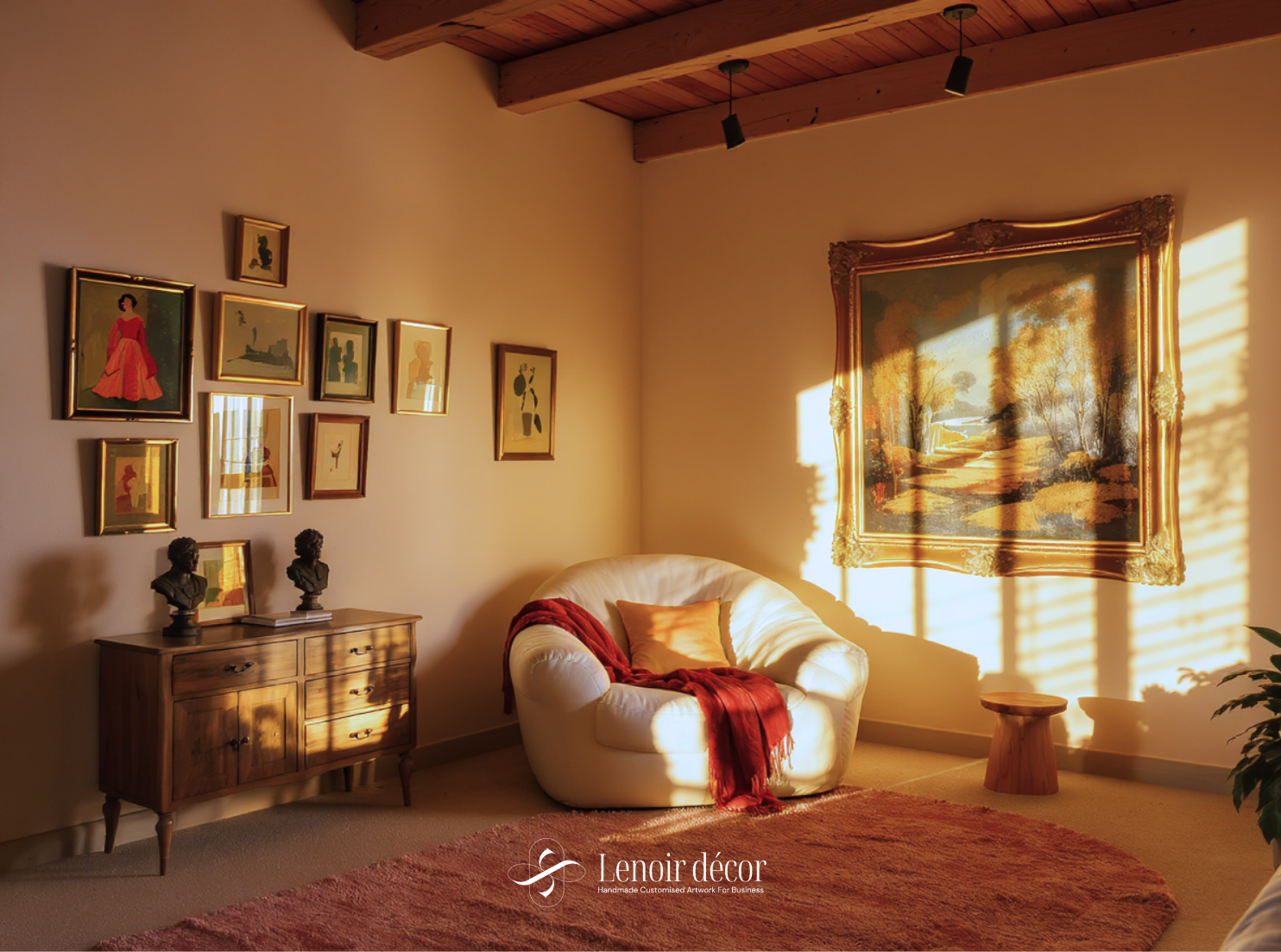
Natural landscapes have long been among the most popular subjects for commissioned oil paintings, offering businesses a way to bring the beauty and tranquility of nature into their spaces. Landscape oil painting encompasses everything from pastoral countryside scenes to dramatic seascapes and mountain vistas. Specialized collections like the Ocean Life Series have gained particular popularity in hospitality and healthcare environments, where the calming influence of marine imagery provides therapeutic benefits.
The appeal of landscape oil paintings for business environments lies in their universal accessibility and calming influence. Unlike more complex or challenging artwork, landscapes provide immediate visual pleasure and create welcoming atmospheres that put visitors at ease. This makes them ideal for healthcare facilities, hotels, restaurants, and any business where customer comfort is paramount. The appropriate painting size for landscape commissions depends on the intended space, with larger pieces creating more dramatic impact in expansive areas.
Creating compelling landscape oil paintings requires artists to understand natural light patterns, atmospheric perspective, and seasonal variations. The best landscape artists combine technical skill with emotional sensitivity, capturing not just the visual appearance of natural scenes but also their mood and character. Many landscape artists maintain active presence on Social Media Platforms, sharing their plein air painting experiences and connecting with clients who appreciate authentic artistic documentation.
Custom landscape oil paintings can be tailored to reflect local geography, creating connections between businesses and their communities. They can also be designed to complement interior design schemes, incorporating specific color palettes and compositional elements that enhance overall aesthetic harmony. The commissioning process for landscape paintings typically involves detailed discussions about seasonal preferences, atmospheric conditions, and desired emotional impact.
The enduring appeal of landscape oil paintings makes them particularly valuable for businesses seeking artwork that will remain relevant and appreciated across changing design trends. Their ability to create emotional connections with viewers while providing visual respite from busy commercial environments makes them excellent investments for customer-facing businesses.
Impasto Oil Painting: Textured Art Technique Mastery
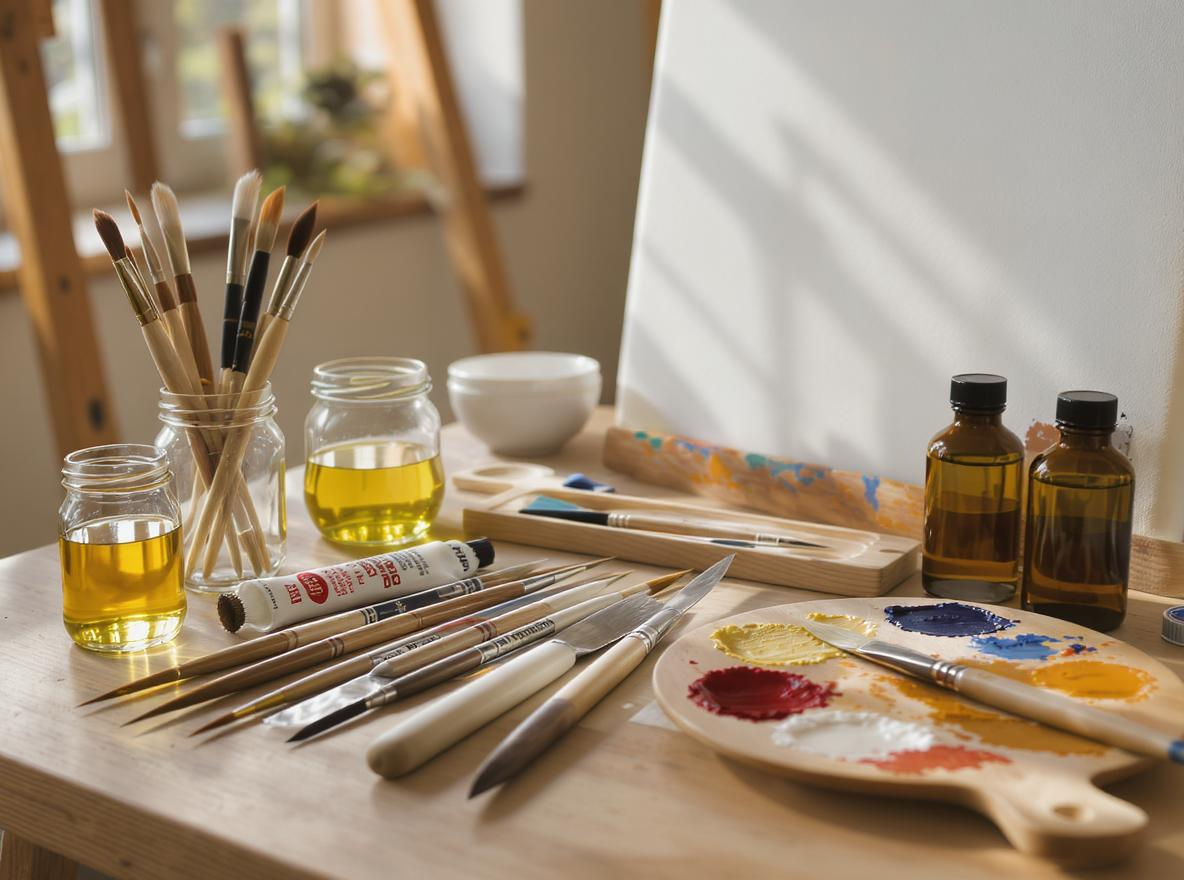
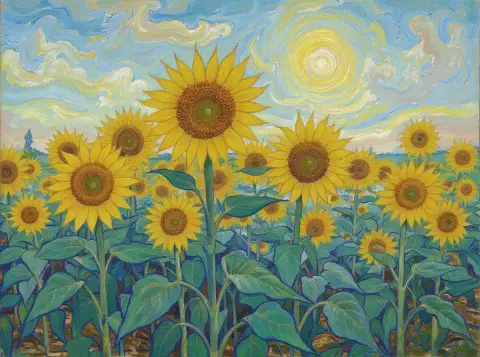
One of the most distinctive qualities of oil painting is its ability to create rich, dimensional textures through the impasto technique. Impasto oil painting involves applying paint so thickly that brushstrokes and palette knife marks remain visible, creating sculptural qualities that add depth and visual interest to artwork.
For businesses seeking artwork with maximum visual impact, impasto oil paintings offer unparalleled texture and presence. The three-dimensional quality of heavily applied paint creates changing visual effects as lighting conditions shift throughout the day, ensuring that commissioned pieces remain engaging and dynamic throughout different times and seasons.
The impasto technique requires significant skill and experience to execute effectively. Artists must understand how different pigments behave when applied thickly, how to maintain color integrity in heavy applications, and how to create balanced compositions that showcase textural effects without becoming overwhelming. This technical mastery ensures that impasto paintings become focal points that command attention and respect.
Custom impasto oil paintings work particularly well in spaces with dramatic lighting, where the textural elements can be highlighted to maximum effect. They're ideal for restaurants, galleries, and upscale retail environments where artistic sophistication is valued and appreciated. The technique's ability to create visual interest from multiple viewing angles makes it perfect for high-traffic areas where artwork will be viewed from various perspectives.
The investment in impasto oil paintings pays dividends through their ability to create memorable experiences and lasting impressions. These works serve as sophisticated branding tools that communicate quality, attention to detail, and artistic appreciation to discerning clientele.
Essential Care and Maintenance for Oil Paintings
Proper care and maintenance are crucial for preserving the beauty and value of custom oil paintings over time. Understanding these requirements helps businesses make informed decisions about their art investments and ensures long-term satisfaction with commissioned works.
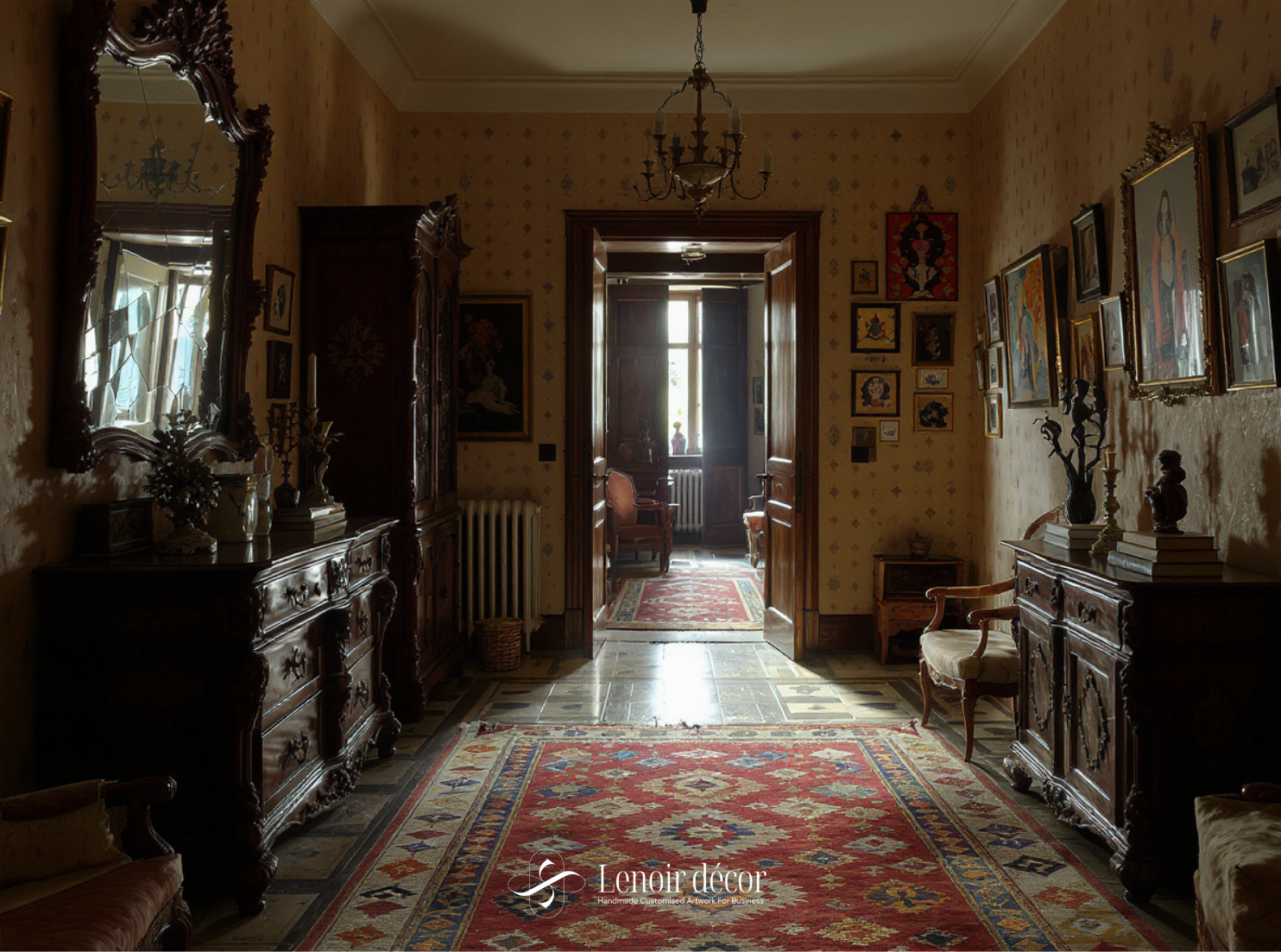
How to Clean Oil Paintings: Expert Care & Maintenance
Maintaining the appearance and longevity of custom oil paintings requires specialized knowledge and careful attention to proper cleaning techniques. How to clean oil paintings involves understanding the delicate balance between preservation and restoration, ensuring that cleaning efforts enhance rather than damage valuable artwork.
Professional cleaning of oil paintings should only be undertaken by qualified conservators who understand the complex chemistry of oil paint and the various factors that can affect its stability. However, businesses can take several preventive measures to minimize the need for intensive cleaning and preserve their artwork investments.
Regular dusting with soft, clean brushes helps prevent the accumulation of dirt and debris that can become embedded in paint surfaces over time. Proper environmental controls, including temperature and humidity regulation, also play crucial roles in maintaining oil painting condition and reducing cleaning requirements. Understanding these fundamentals helps businesses create optimal conditions for their art investments.
The cleaning process for oil paintings involves multiple considerations, from surface contamination assessment to appropriate cleaning methods for different paint types and ages. Professional conservators use specialized techniques and materials to safely remove accumulated dirt and restore original color brilliance without damaging delicate paint layers.
For businesses with significant art collections, establishing relationships with professional conservators and developing regular maintenance schedules ensures that custom oil paintings receive appropriate care throughout their lifespans. This proactive approach protects investments while maintaining the visual impact that makes commissioned artwork so valuable for business environments.
Oil Painting Varnish: Protection & Finishing Guide
.png)
The final protective layer applied to oil paintings plays a critical role in their long-term preservation and appearance. Oil painting varnish serves multiple functions, from protecting paint surfaces against environmental damage to enhancing color saturation and providing consistent surface appearance.
Understanding varnish types and their applications helps businesses make informed decisions about commissioned artwork finishing. Different varnish formulations offer varying levels of protection, gloss levels, and longevity, allowing customization based on specific environmental conditions and aesthetic preferences. This knowledge enables businesses to select appropriate protection systems for their specific needs.
The application of varnish requires timing and expertise, as oil paintings must be fully cured before protective coatings can be applied. Professional artists understand these requirements and can recommend appropriate varnish systems based on painting techniques, environmental conditions, and intended longevity. Proper varnish selection and application significantly extend artwork life while maintaining visual quality.
Modern varnish technology offers improved protection and durability compared to traditional formulations, providing better resistance to environmental factors while maintaining optical clarity. These advances benefit businesses by reducing long-term maintenance requirements and preserving investment value over extended periods.
For businesses commissioning custom oil paintings, discussing varnish options during the planning stage ensures that finished works will meet both aesthetic and practical requirements. Proper varnishing extends artwork life significantly while maintaining the visual qualities that make oil paintings so appealing for commercial applications.
Authentication and Collecting Considerations
For businesses building significant art collections or investing in high-value commissioned pieces, understanding authentication and collecting principles becomes increasingly important for making informed decisions and protecting investments.
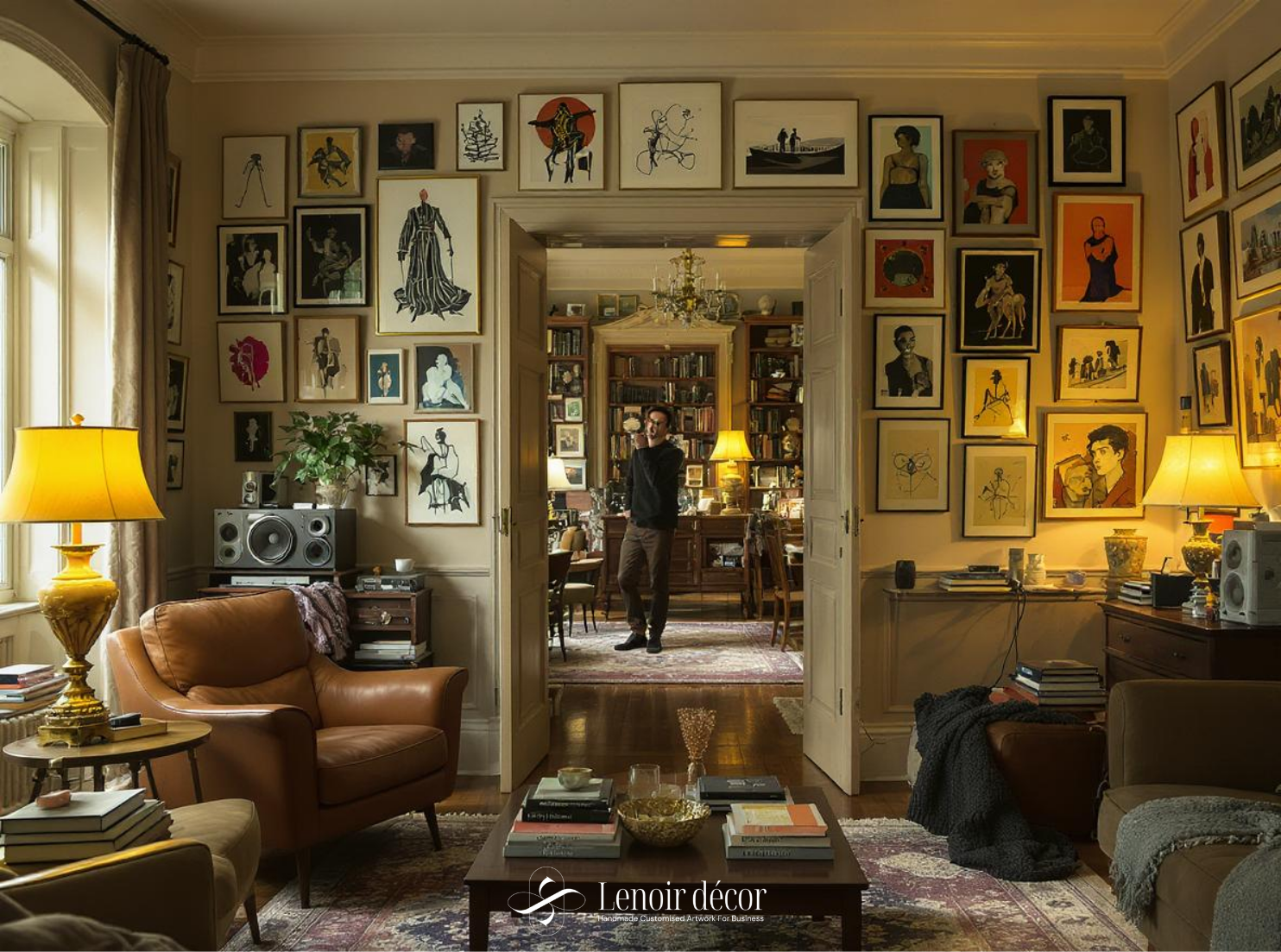
Vintage Oil Paintings: Collecting & Authentication Tips
While many businesses focus on contemporary commissioned works, understanding the broader market for oil paintings enhances appreciation and investment potential. Vintage oil paintings represent established artistic traditions and proven market values that can inform decisions about contemporary commissions.
Authentication of oil paintings involves multiple factors, from provenance research and technical analysis to stylistic evaluation and condition assessment. These same principles apply to contemporary commissioned works, where documentation and artist credentials become crucial elements of long-term value. Understanding these factors helps businesses make informed collecting decisions.
The authentication process for oil paintings requires expertise in art history, technical analysis, and market evaluation. Professional authentication services examine everything from brushstroke patterns and pigment composition to historical documentation and comparative analysis with known works. This comprehensive approach ensures accurate attribution and valuation.
For businesses building collections that combine vintage acquisitions with new commissions, understanding market trends and authentication processes helps ensure wise investment decisions. Working with reputable galleries, auction houses, and artists provides the documentation and expertise needed for successful collecting and long-term value preservation.
The principles learned from vintage oil painting collecting also inform commissioning decisions, helping businesses understand how artistic trends, technical quality, and documentation practices affect long-term value and satisfaction with custom artwork investments.
Strategic Art Investment for Business Success
Successfully integrating custom oil paintings into business environments requires strategic thinking about placement, themes, and long-term objectives. The most effective art programs align closely with brand values and business goals while providing measurable returns on investment.
Consider how custom oil paintings can enhance customer experience, support marketing objectives, and create memorable brand associations. The versatility of oil painting allows for sophisticated branding integration that feels natural and authentic rather than commercial or forced. This approach creates genuine emotional connections with viewers while supporting business objectives.
Budget considerations should account for not just initial commissioning costs but also ongoing maintenance, insurance, and potential appreciation in value. Quality custom oil paintings often appreciate significantly over time, making them attractive investments that provide both immediate aesthetic benefits and long-term financial returns.
Professional Tips for Commissioning Success
Tip 1: Define Your Vision Clearly Before engaging with artists, develop a clear understanding of your aesthetic goals, brand alignment, and environmental requirements. This foundation ensures successful collaboration and satisfactory outcomes.
Tip 2: Research Artist Credentials Investigate potential artists' backgrounds, training, and previous work to ensure their style and skill level align with your project requirements. Review portfolios and seek references from previous clients.
Tip 3: Establish Clear Communication Protocols Develop regular check-in schedules and feedback mechanisms to ensure projects stay on track and meet expectations. Clear communication prevents misunderstandings and ensures successful outcomes.
Tip 4: Plan for Proper Installation Consider lighting, placement, and environmental factors during the planning stage to ensure optimal presentation and longevity of your commissioned artwork.
Tip 5: Document Everything Maintain comprehensive records of the commissioning process, including artist credentials, progress documentation, and final certifications. This documentation supports long-term value and authenticity.
Case Study: Transforming Corporate Environments
.png)
A leading technology company recently commissioned a series of abstract oil paintings for their new headquarters, demonstrating the transformative power of strategic art investment. The project involved creating a cohesive visual narrative across multiple floors, with each piece reflecting different aspects of the company's innovation culture.
The commissioning process began with extensive consultation to understand the company's brand values, aesthetic preferences, and environmental requirements. Artists worked closely with interior designers to ensure seamless integration with existing architectural elements while creating distinctive focal points that enhanced the overall design scheme.
The results exceeded expectations, with employees reporting increased satisfaction with their work environment and visitors consistently commenting on the sophisticated atmosphere. The investment not only enhanced the company's brand image but also contributed to employee retention and client impression management.
Frequently Asked Questions
Q: How long does it typically take to complete a custom oil painting commission? A: Timeline varies based on size, complexity, and artist workload, but most custom oil paintings require 4-8 weeks for completion. Larger pieces or complex compositions may require additional time. Planning ahead ensures adequate time for quality execution.
Q: What factors affect the cost of commissioning oil paintings? A: Size, complexity, artist reputation, timeline requirements, and quality level all influence pricing. Volume discounts are often available for multiple piece commissions. Additional factors include framing, shipping, and installation services.
Q: Can custom oil paintings be created from photographs? A: Yes, skilled artists can create stunning oil paintings from high-quality photographs, though the best results come from collaborating with artists who understand how to translate photographic elements into painted form while maintaining artistic integrity.
Q: How should businesses budget for art maintenance and conservation? A: Plan for annual maintenance costs of 1-2% of artwork value, with major conservation work potentially required every 20-30 years depending on environmental conditions. Proper initial care reduces long-term maintenance requirements.
Q: Are there tax benefits to art investments for businesses? A: Many jurisdictions offer tax advantages for business art purchases, including depreciation allowances and potential donation benefits. Consult with tax professionals for specific guidance based on your location and business structure.
Q: What documentation should I expect when commissioning oil paintings? A: Comprehensive documentation should include artist credentials, progress photos, material specifications, care instructions, and authenticity certificates. This documentation supports long-term value and proper maintenance.
Ready to Transform Your Business Environment?
Custom oil paintings represent one of the most sophisticated and impactful investments businesses can make in their aesthetic environments. From the technical mastery required for realistic portraits to the emotional resonance of abstract compositions, oil painting offers unparalleled versatility and prestige.
At Lenoir Decor, we're committed to helping businesses navigate the commissioning process with confidence and achieve results that exceed expectations. Our comprehensive approach, combined with free worldwide shipping, flexible return policies, and volume discounts up to 20%, makes it easy to invest in custom oil paintings that enhance brand image and create lasting value.
Take the Next Step
Whether you're commissioning a single statement piece or developing a comprehensive art program, understanding the techniques, care requirements, and strategic considerations outlined in this guide will help ensure successful outcomes that benefit your business for years to come.
Contact us today to:
- Schedule a free consultation with our art specialists
- Explore our portfolio of commissioned works
- Discuss your specific project requirements
- Receive a personalized quote for your custom oil painting needs
Get Started Now: Visit our gallery to see examples of our work, or reach out to our team to begin your custom oil painting journey. Let us help you create artwork that not only beautifies your space but also communicates your brand values and creates memorable experiences for everyone who encounters it.
Transform your business environment with the timeless elegance and sophisticated appeal of custom oil paintings. Your vision, brought to life through the skilled hands of master artists, awaits.
.webp)