French
 German
 Italian
 Arabic
 Japanese
 Spanish
 Korean
 Russian
 Portuguese
 Dutch
Dutch
 Norwegian
 Finnish
 Swedish






 Select the perfect handcrafted wall decoration pieces to enhance your business space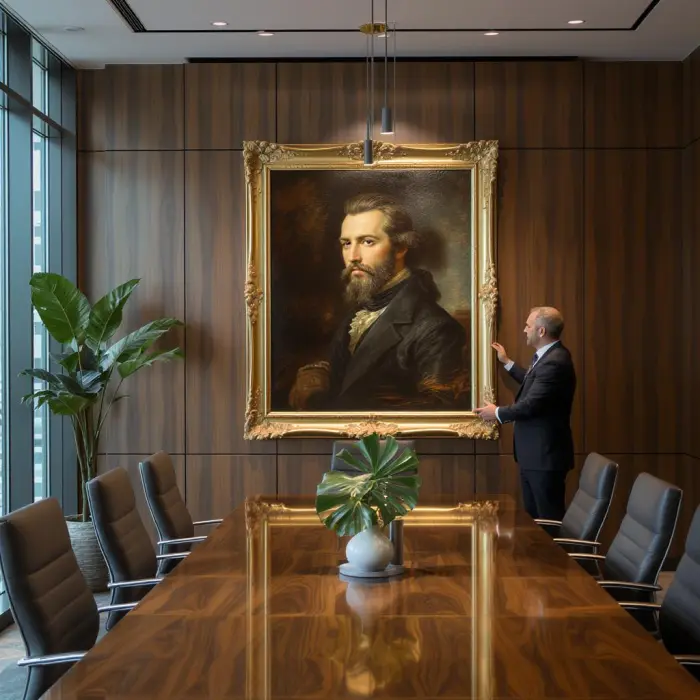
Vintage oil paintings hold a rare magic — they carry stories, craftsmanship, and a sense of timeless beauty that modern pieces often can’t replicate. But what if you could bring that same level of authenticity and value into a custom-made piece, created just for you? For art enthusiasts and investors alike, the world of antique oil paintings is undeniably alluring, yet filled with complexities: sourcing, evaluating, authenticating, and preserving. In this guide, we’ll not only share practical tips to navigate these challenges, but also show how commissioned custom oil paintings can offer a fresh yet equally meaningful path to building a collection that’s both personal and enduring. Discover how to avoid fakes, protect your investment, and why Lenoir Decor’s expertise in both vintage and custom art might just change the way you think about collecting.
Table of Contents
- Understanding Vintage Oil Paintings: Eras, Styles, and Distinctive Qualities
- Mastering the Art of Collecting: Sourcing, Evaluating & Building a Resilient Collection
- Authenticating Vintage Oil Paintings: Step-by-Step Proven Methods & Modern Solutions
- Smart Buying & Selling: Practical Tips for Navigating the Vintage Art Market
- Best Practices, Expert Tips & Frequently Asked Questions
- Conclusion
Understanding Vintage Oil Paintings: Eras, Styles, and Distinctive Qualities

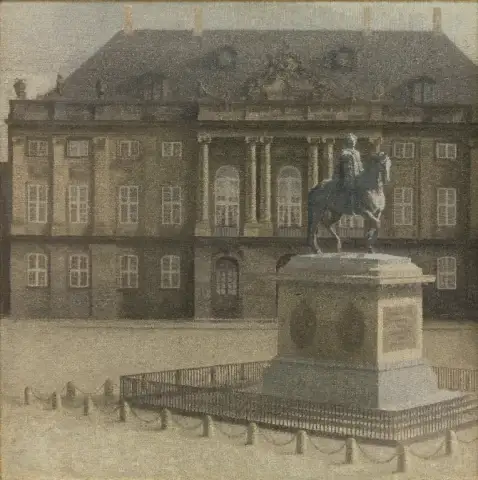
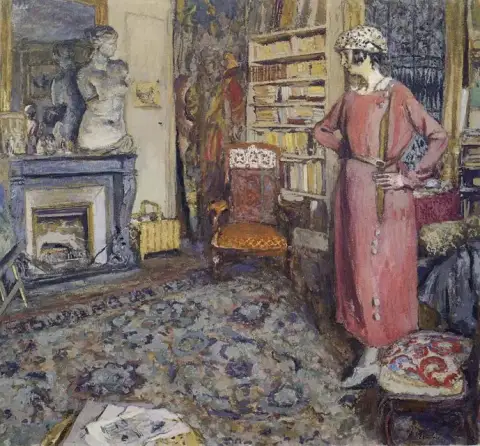
The world of the vintage oil painting is filled with fascinating eras and evolving artistic expressions. Baroque, Renaissance, Impressionist, and especially Victorian Oil Painting all mark significant milestones in the history of art, shaping what we now consider essential vintage art styles. Modern collectors often find inspiration in period drama set designs that use these works to evoke atmosphere and authenticity.
Material choices are key to understanding value: canvases shift from linen to cotton, wood dowels support structure, and ornate wooden frame details often highlight age and origin. Raised paint, the application of gold leaf, and pigment choices like titanium white offer insight into an artist’s period and technique. Visual elements – composition, brushwork, and artistic integrity – help distinguish genuine antique art from mere decor.
Not all treasures are signed: while collectors might covet a Claude Monet, many valuable pieces are unsigned paintings with exceptional provenance or strong ties to vintage art circles. Awareness of how techniques, materials, and hallmarks evolved is vital for appreciating and identifying authentic, original art pieces.
Mastering the Art of Collecting: Sourcing, Evaluating & Building a Resilient Collection
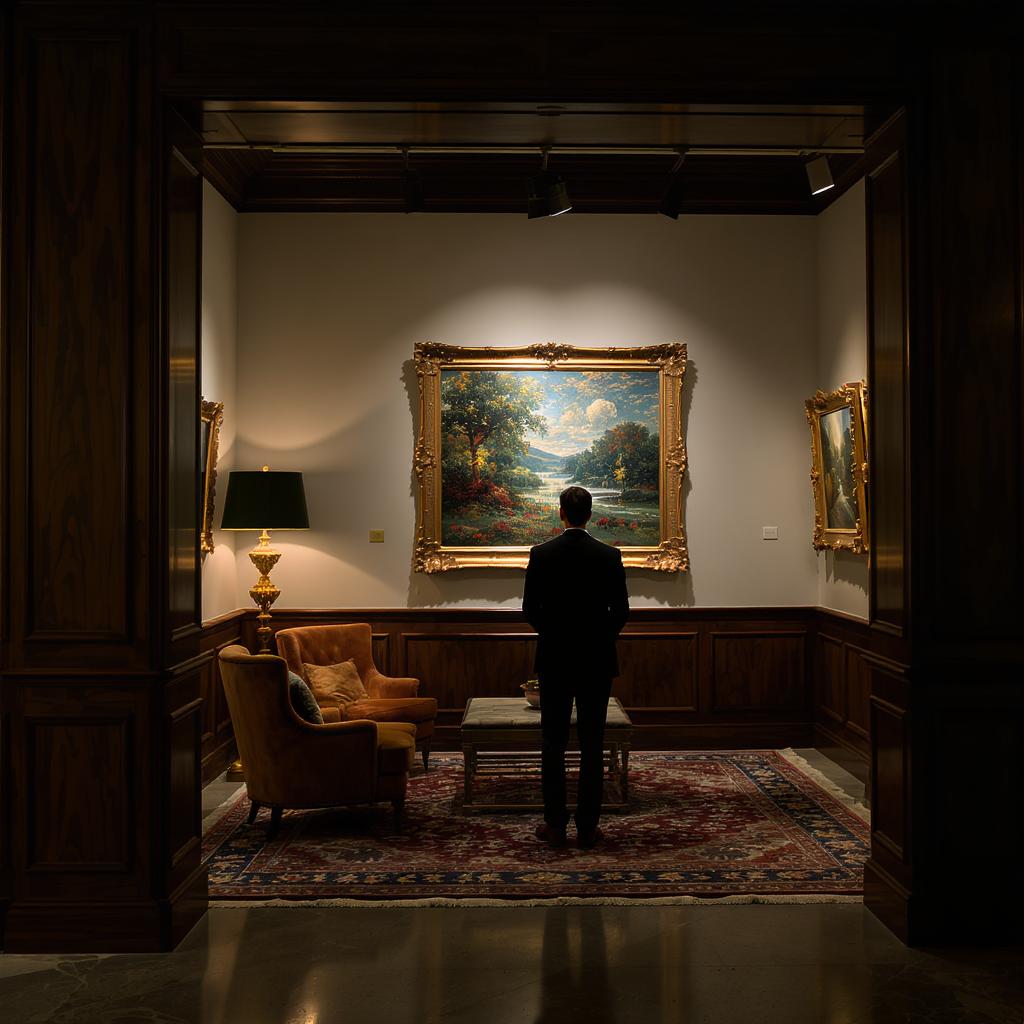
Building a dynamic art collection requires knowing where to look and how to evaluate finds. Traditional venues like antique malls, curated stores, and estate sales remain strongholds for discovering antique oil paintings. Thrift stores and flea markets can provide serendipitous encounters, while online sales sights such as Daily Paintworks and virtual tours of art museum collections expand access on a global scale. Networking with antique dealers and art experts deepens your pool of opportunities.
Evaluating a vintage oil painting comes down to details. Review condition reports, look for handwritten notes of provenance, and check for restoration tells like inpainting or patchwork that show the conservation process. Successful collectors understand balance: diversify between periods, integrate museum collection standards, and prioritize original art. Whether for passion or portfolio, vintage art offers both personal and financial value if approached thoughtfully.
Lenoir Decor supports collectors with professional painting restoration, collection curation expertise, and in-depth knowledge of building resilient art portfolios that stand the test of time.
Authenticating Vintage Oil Paintings: Step-by-Step Proven Methods & Modern Solutions
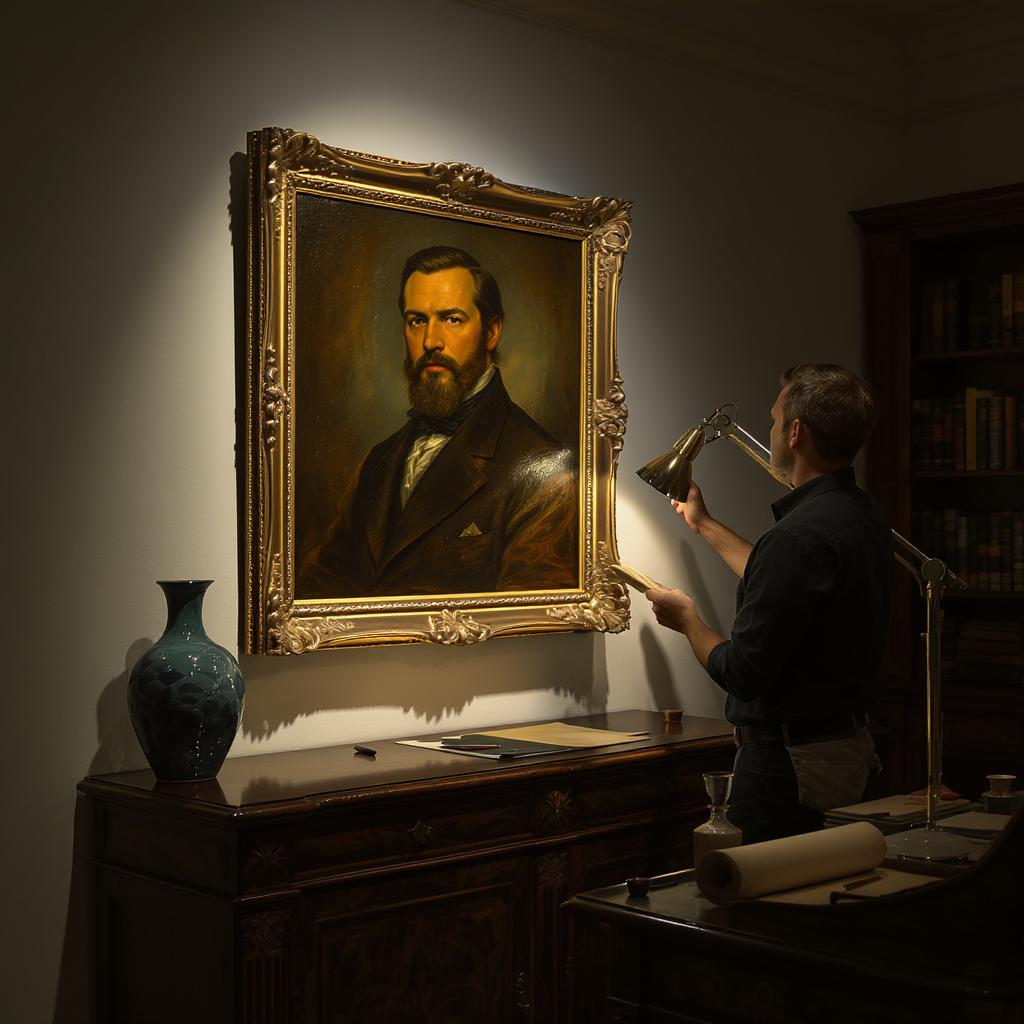
Proper art authentication is critical in today's market, where art fakes and sophisticated forgeries grow increasingly common. Begin with provenance research: museum collection records, handwritten ownership notes, and old security solution markings. Physical checks involve examining signatures (or their absence in unsigned paintings), labels, and verifying canvas, wood dowels, and pigment type—titanium white in particular signals certain eras.
Advanced authentication draws on technology. UV and infrared light or even X-ray analysis reveal layers of restoration and establish originality. Art experts, art conservator professionals, and specialized art authentication services play a vital role—especially for significant acquisitions or museum-quality works.
As vintage art moves online, digital security service features help prevent online attacks and guarantee transactions. Be wary: the industry’s “caveat emptor” attitude means staying alert for new fraud tactics. Common forgery red flags include incorrectly matched wood, anachronistic pigments, and fake raised paint signatures. Notorious recent cases underline the necessity of combining traditional verification with modern security solution technologies.
Consult reliable art-related books, major databases, and organizations for deeper guidance—build a rapport with conservators and trusted advisors to stay ahead of potential art fakes.
Smart Buying & Selling: Practical Tips for Navigating the Vintage Art Market
Navigating the vintage art world—whether buying or selling—means blending knowledge with strategy.
• Buying Strategies: Negotiate at auctions, galleries, and with antique dealers; look for key authenticity checks and be vigilant on online sales sights. Always verify provenance, the conservation process, and legal ownership.
• Selling Insights: Timing, presentation, and auction etiquette all affect a painting’s final return. When listing, highlight visual elements, condition, and unique features. Consult experts like Lenoir Decor to ensure restoration and presentation maximize both aesthetic and financial value.
• Market Trends: Current demand favors period pieces—Victorian oil painting especially—along with museum-quality vintage art. With rising emphasis on conservation, restoration, and layered security solution services, the evolving marketplace prioritizes authenticated, well-preserved works that hold or increase in value.
Best Practices, Expert Tips & Frequently Asked Questions
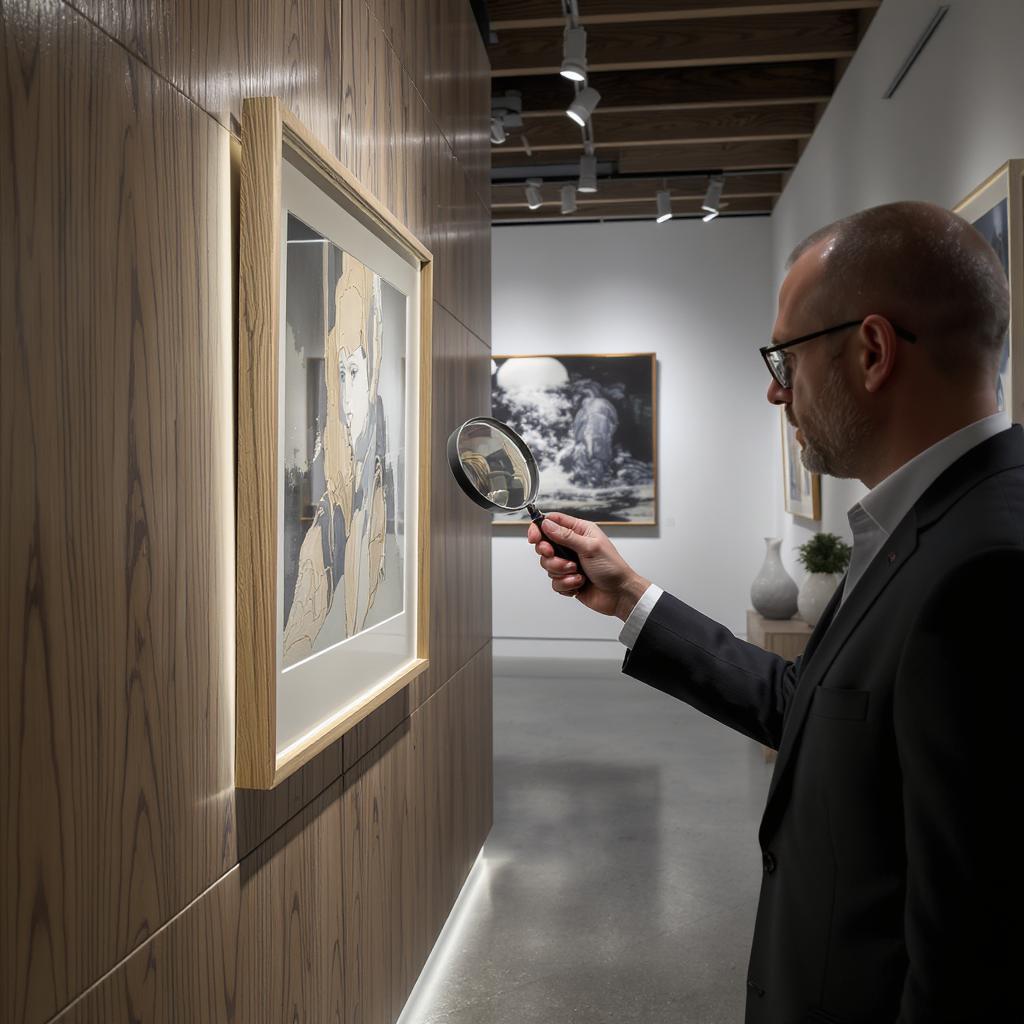
Glean wisdom from art conservators and veteran collectors:
• Checklist Before Purchasing: Always verify condition, authenticity, and restoration history, with detailed examination of the wooden frame, canvas type, raised paint, and documentation.
• Storage & Care: Maintain optimal temperature and humidity; seek professional guidance for valuable or delicate pieces. Art restoration and professional painting restoration services are paramount for preserving artistic integrity.
FAQs:
• How do I distinguish an original art piece from a replica? Examine brushwork, materials (e.g., wood dowels, titanium white), and the artist’s typical style. Seek verification from art experts or a conservator when in doubt.
• What’s the difference between antique and vintage oil paintings? "Antique" typically means over 100 years old, while vintage describes works that are at least 20 years old but not yet antique.
• How do I safely buy online without being caught by art fakes? Use reputable online sales sights, request condition reports, review provenance, and look for security service features that protect buyers from online attacks.
• What restoration or conservation process is best for damaged vintage art? Always consult an art conservator experienced in the specific era. A professional restoration balances artistic integrity with necessary Painting Restoration techniques.
• Should I invest in unsigned paintings and what are the risks? Unsigned works may hold value if provenance, materials, and craftsmanship align with recognized periods or artists—but authentication is crucial.
Quick Checklist:
- Review provenance and security service marks
- Inspect wooden frame, canvas, visual elements, and raised paint
- Consult an art conservator for high-value acquisitions
Lenoir Decor’s expertise is always available to help guide preservation and acquisition decisions.
Conclusion
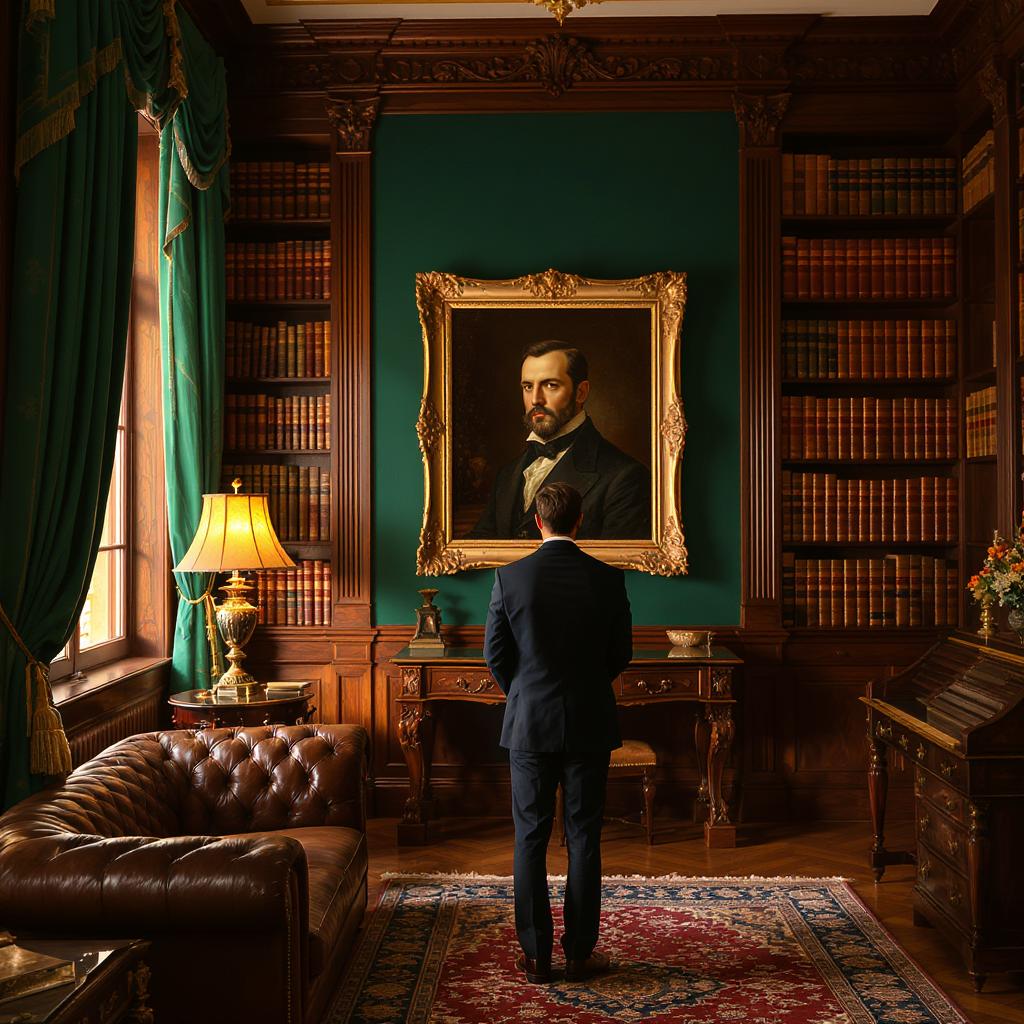
Start your vintage oil painting journey with expert care. Collecting vintage oil paintings is as rewarding as it is nuanced—combining heritage, artistic beauty, and value. With careful research, authentication, and the right guidance, your collection can truly stand apart. Engage with fellow art enthusiasts, stay curious, and build resilient collections grounded in knowledge and integrity. Whenever you seek consultation, curation, or restoration, Lenoir Decor’s team is here to support your pursuit of authentic vintage and antique oil art.