French
 German
 Italian
 Arabic
 Japanese
 Spanish
 Korean
 Russian
 Portuguese
 Dutch
Dutch
 Norwegian
 Finnish
 Swedish

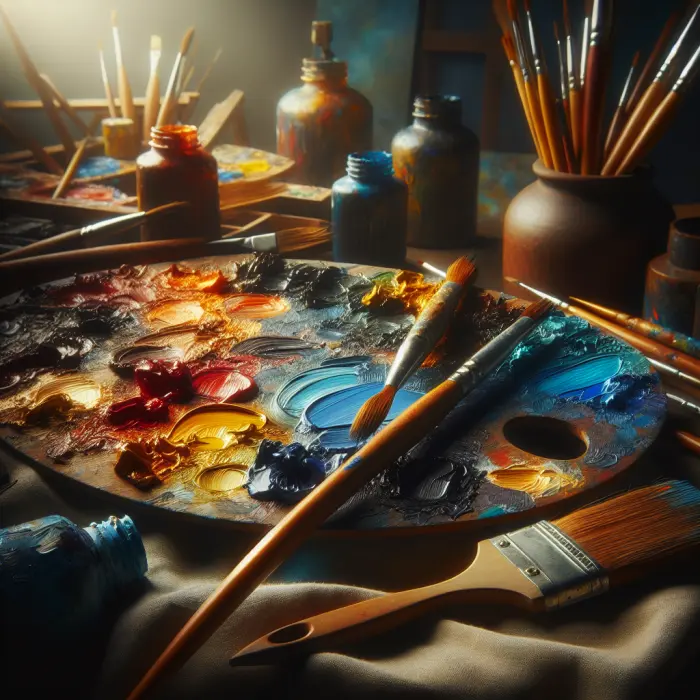
Oil painting is revered for its timeless allure, artistic complexity, and rich, evolving techniques passed down through centuries. Whether you’re a beginner captivated by the tactile world of oil paints or an experienced artist seeking to refine your painting style, mastering this art form is crucial for bringing your unique artistic vision to life. This comprehensive blog post delivers practical oil painting tips, expert insights, and visual guides designed to demystify the art of oil painting. From basic oil painting techniques and selecting the best painting medium, to advanced methods used by contemporary painters, you’ll find actionable advice and real-life examples—along with stories that inspire creative confidence. If you’re ready to unlock the secrets to vibrant layers of color, expressive brushwork, and lasting professional results, read on for your complete guide to oil painting success.
I. Introduction
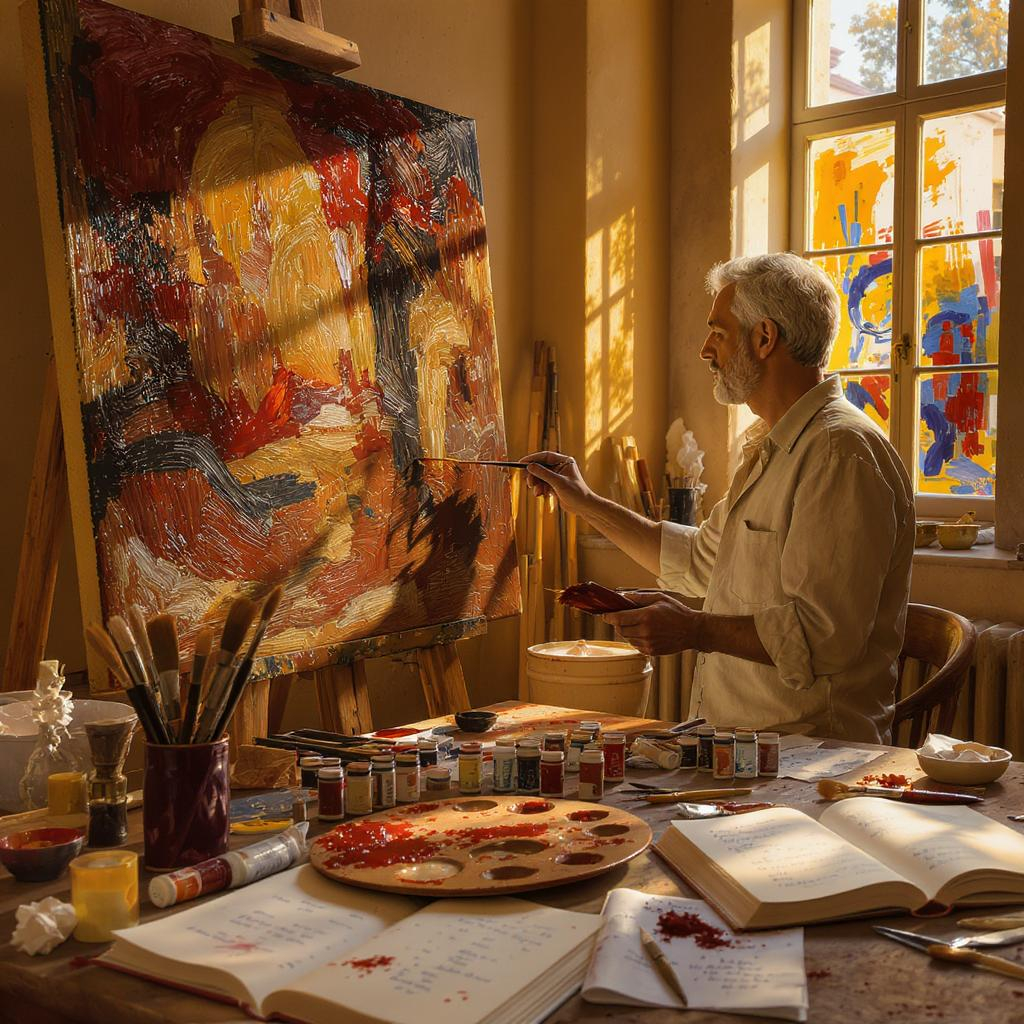

Oil painting continues to enchant artists and collectors due to its remarkable depth and expressive potential. The ability to build layers of paint, discover subtle transitions in hues, and experiment with rich textures has led to countless famous paintings that define the history of art. For both new enthusiasts and seasoned professionals, the journey to mastering oil paints involves understanding a wide range of classical and modern techniques. Throughout this article, expect a logical structure covering essential oil painting methods, critical painting tips, and expert advice, complemented by inspiring anecdotes from real artists and practical resources to elevate your skills.
II. Understanding the Basics
A. Essential Tools & Materials
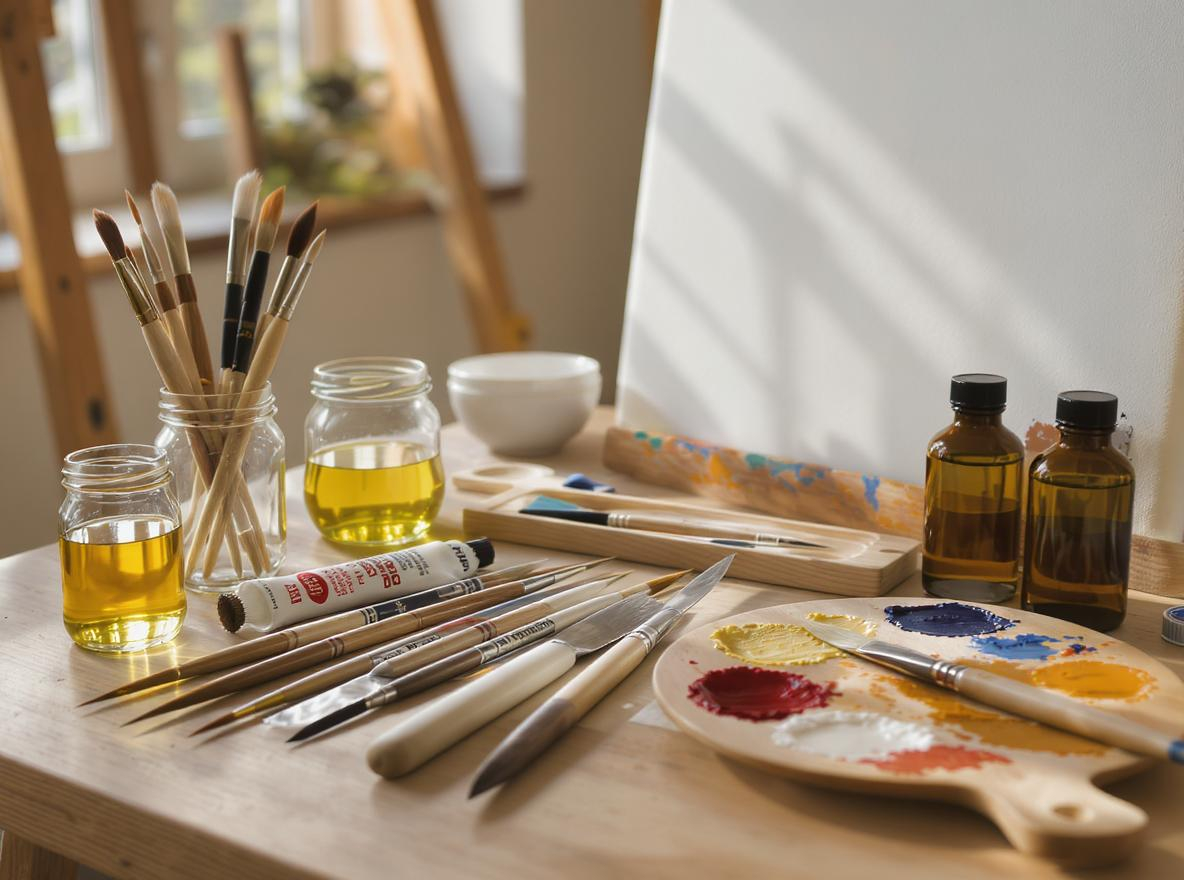
Selecting the right tools is foundational. A painting journey typically begins with a white canvas, a variety of brushes (including a larger brush or two for background washes), and palette knives for mixing and texturing. When choosing oil paints, prioritize high-quality options. This ensures strong pigment, a wide range of color, and smoother application—qualities prized by experienced artists in both classical oil painting and contemporary styles. Titanium white is a studio staple, valued for its opacity and purity in mixing. For eco-conscious creators, look for environmentally friendly solvents and natural linseed oil as a painting medium, which supports both traditional oil painting and innovative techniques.
B. Setting Up Your Workspace
Crafting a dedicated, safe creative workspace will greatly impact your art. Organize your supplies, ventilate your area (oil painting medium and some solvents can be potent), and keep your work surfaces clean. Set up an efficient workflow by separating materials and ensuring good lighting for painting in layers. Establishing good habits from the start can minimize bad paintings and translate into satisfying progress and happy painting sessions.
III. Fundamental Painting Techniques
A. Color Mixing Essentials
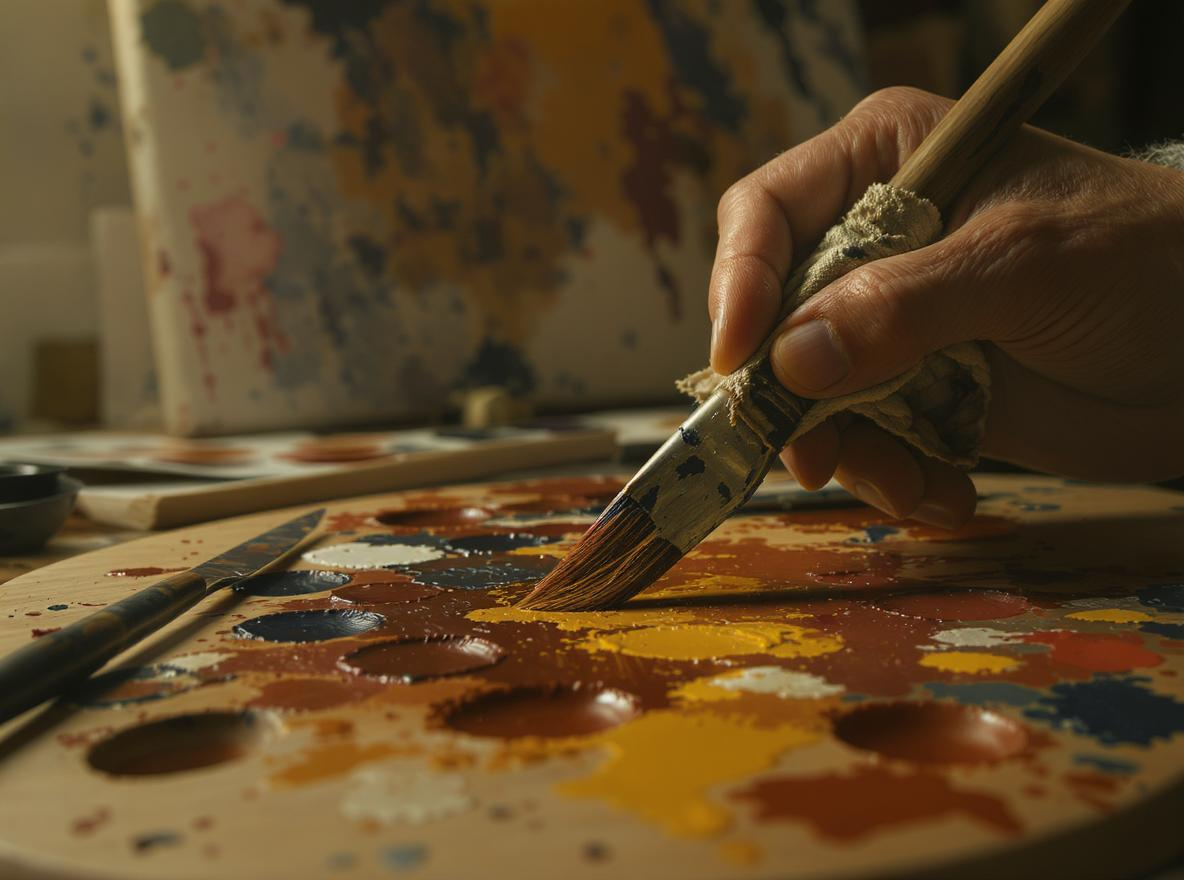
A key to vibrant artwork of painting is mastering color mixing. Begin with a color wheel and experiment with transparent layers and mid-tones: mix white paint with a touch of your chosen color to get a mid-tone or highlight, and deepen hues with a dark tone for shadows. Applying layers of oil paint over a previous layer with adequate drying times prevents muddiness. Customizing your palette (using both palette knives and brushes) enables unique, expressive results—a feature that sets apart the best contemporary painters.
B. Brushwork and Stroke Techniques
Brushes come in various shapes and sizes, from pointed rounds for details to larger brushes for broad washes. The brush handle grip and the pressure applied affect stroke personality. Try dry brush techniques to create texture or use a well-loaded brush for smooth passages. Transitioning between soft blending and bold, visible strokes reflects personal painting style and can emulate elements of famous paintings. To improve, regularly practice basic oil painting techniques as well as innovative exercises drawn from video tutorials or community workshops.
IV. Advanced Techniques and Creative Methods
A. Glazing and Layering for Depth
Advanced painters often employ glazing—thin, transparent layers built atop dried previous layers—which enriches colors and builds complexity. For a gleaming finish, use linseed oil with your paint to extend drying times and gradually deepen hues through multiple layers. Reference real-time video demonstrations for step-by-step guidance on achieving the luminous depth seen in renowned classical oil painting masterpieces.
B. Creating and Enhancing Texture
Oil paints are uniquely suited to texture creation. Impasto involves laying on thick, sculptural layers of color with palette knives, while scumbling and sgraffito provide alternative tactile effects. Examine famous works for creative textural inspiration and select your tools—whether brush or knife—based on the desired result. Lenoir Decor, with its reputation for custom handmade oil painting, demonstrates how mastery of texture can elevate a collection of paintings for businesses seeking artwork with impact.
C. Mastering Light, Shadow, and Realism
Realistic painting hinges on understanding light and shadow. Begin by blocking out light (Titanium white with subtle touches of color) and dark tones (deeper hues or earth tones). Layering gradual transitions in value, focusing on contrast at focal points, and adding highlights sparingly achieves striking realism. Explore case studies of masterworks and try exercises adapted from leading oil painting blogs, analyzing how interplay between tones and transparent layers creates drama and mood.
V. Problem Solving & Avoiding Common Pitfalls
A. Addressing Technical Issues
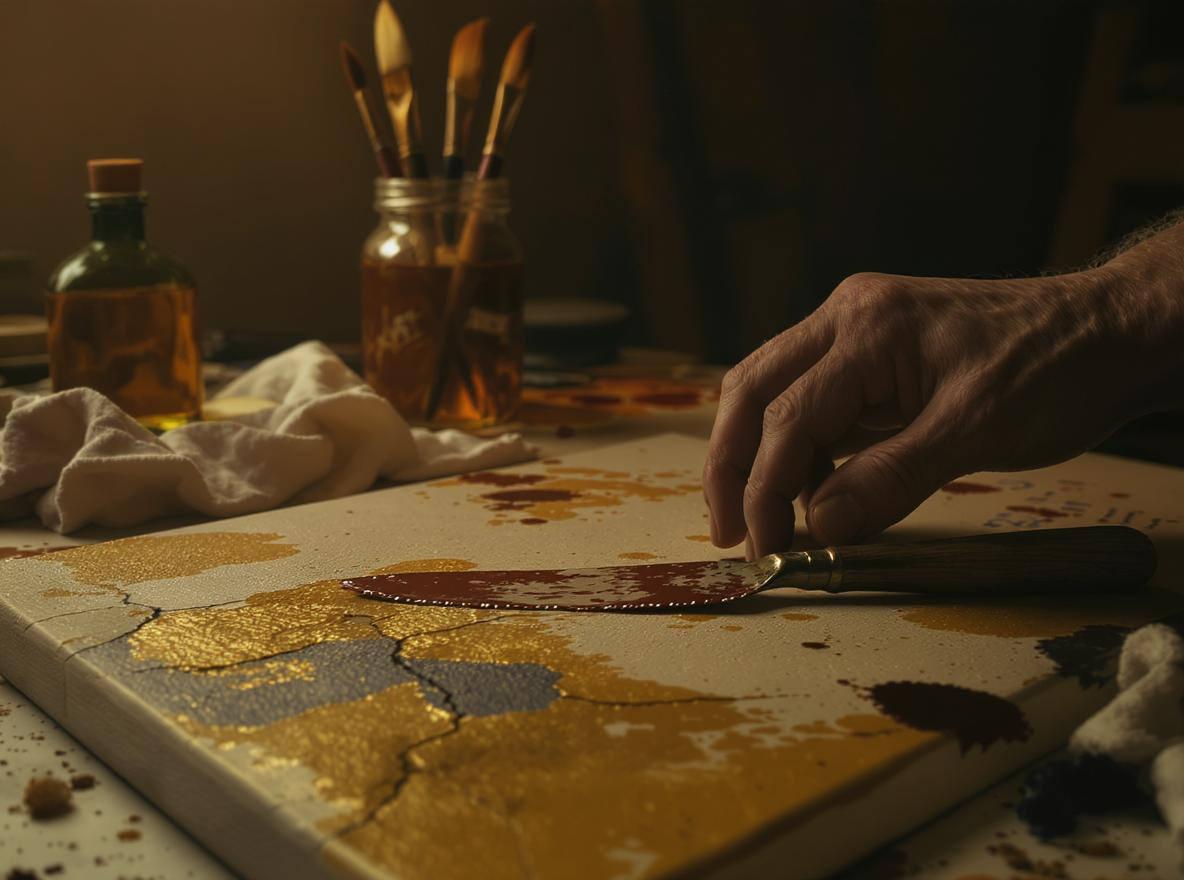
Common obstacles such as paint cracking, slow drying times, or muddy colors stem from mismanaged layers or impurities in materials. To remedy, always allow each layer of oil paint to dry thoroughly and avoid painting thick over lean. Test new brands or mediums on practice surfaces before applying to your main artwork. Maintain moisture and paint consistency using controlled amounts of linseed oil or other painting medium.
B. Brush and Material Maintenance
High-quality brushes deserve careful cleaning (use linseed oil or dedicated cleaners), and regular reshaping of brush heads after each painting session. Store brushes vertically and oil paints in a cool space. Solvents should be safely contained and replaced regularly to prevent contamination.
C. Troubleshooting and Learning from Mistakes
Even experienced artists produce bad paintings—these are valuable learning tools. When mistakes occur with a previous layer, either scrape back gently with palette knives or let it dry before painting over. Many oil painting blogs recommend a troubleshooting checklist, plus peer feedback from local or online painting communities, to find creative solutions and foster growth.
VI. Inspiration, Community, and Ongoing Learning
A. Artist Spotlights and Case Studies
Studying the methods of renowned oil painters—such as those who achieved international acclaim or those featured in Lenoir Decor’s global portfolio—expands perspective and provides insight into artistic innovation. Analyze works from a collection of paintings, focusing on their approach to layering, color harmony, and composition.
B. Engaging with the Artistic Community
Free resources abound: join painting forums, attend workshops, or participate in livestream events to learn directly from experienced artists. Interactive Q&A and peer reviews provide immediate, actionable feedback—a cornerstone of advancement in the art of oil painting.
C. Continuous Learning and Experimentation
Stay at the cutting edge by diversifying your approaches: try painting in layers, test dry brush techniques, or blend methodologies from acrylic paintings into your oil painting medium. Read up on artistic podcasts, subscribe to step-by-step video tutorials, and track your progress by setting concrete artistic goals. Embrace the opportunity to expand both technical proficiency and imagination.
VII. Start your oil painting journey with confidence today
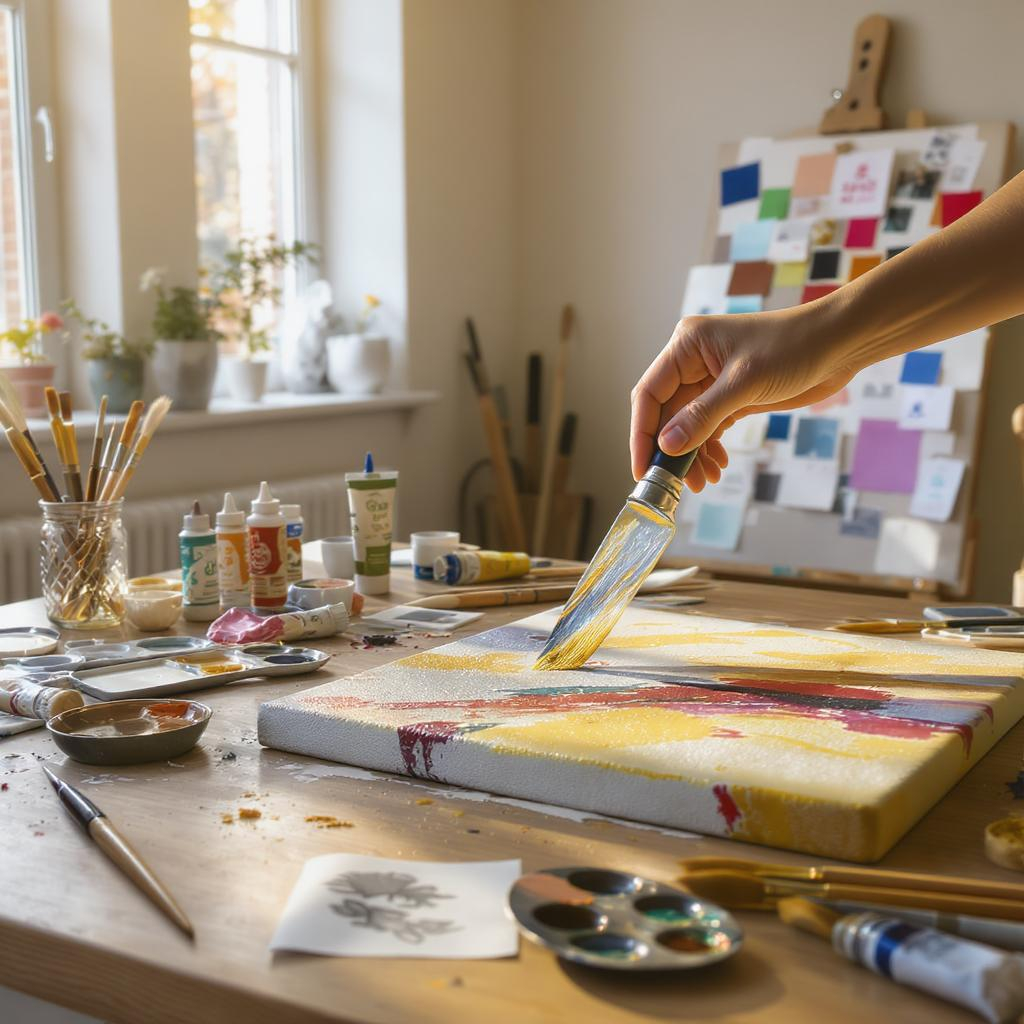
Start your oil painting journey with confidence today! Mastering oil painting is more than technical knowledge—it's a profound form of self-expression that grows with every layer of paint and each new approach. From understanding essential tools like palette knives and larger brushes to embracing rich textures, transparent layers, and bold experimentation, artists transform blank canvases into vibrant artworks. Remain open to feedback and community input, and continually adapt your workflow for the best results. For corporate clients and creative businesses seeking custom oil paintings that reflect brand and individuality, working with trusted suppliers such as Lenoir Decor—backed by global experience and thousands of satisfied clients—ensures your vision is brought beautifully to life. Happy painting! Share your stories, participate in discussions, and become an integral part of the oil painting legacy.
Additional Resources
A. Curated Reading and Tutorial Lists
Explore acclaimed books dedicated to oil painting technique, as well as authoritative step-by-step guides designed for all levels.
B. Online Courses and Workshops
Enroll in reputable online courses, participate in hands-on workshops, and expand your expertise with certification options. Continuous education is vital for both aspiring and professional painters.
Bonus Section: Interactive Visual Guides & Video Tutorials
Delve into curated video tutorials demonstrating brushwork, palette knife techniques, and more. Visual galleries walk you through each stage of creating layers of color and depth, while downloadable resources like cheat sheets or practice templates facilitate confident, immediate application—guiding your journey to oil painting proficiency and creative enjoyment.
.webp)