French
 German
 Italian
 Arabic
 Japanese
 Spanish
 Korean
 Russian
 Portuguese
 Dutch
Dutch
 Norwegian
 Finnish
 Swedish



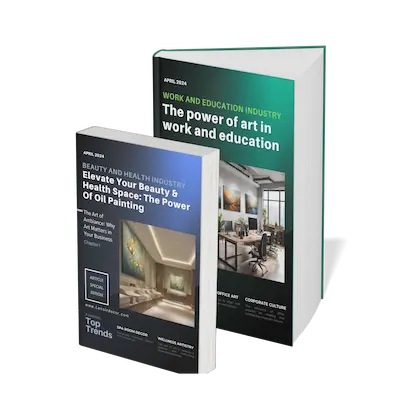


 Select the perfect handcrafted wall decoration pieces to enhance your business space
Entering the world of oil painting buy can be both exhilarating and overwhelming for first-time art collectors. With centuries of tradition and evolving trends, oil paintings have long stood as masterpieces cherished for their beauty, depth, and versatility. This guide will demystify the process, define essential terms, discuss the unique qualities of oil paintings, and provide step-by-step advice—from understanding artistic criteria to making your first confident purchase. Whether you're looking to invest or simply want to enrich your space with custom, hand-crafted art, you'll find practical strategies and expert insights tailored for the modern collector.
Table of Contents
- Introduction to Oil Painting Collection
- Understanding Art Criteria
- Purchasing Process
- Marketplace Insights
- Building an Art Collection
- Legal and Insurance Aspects
- Conclusion
Introduction to Oil Painting Collection
Oil painting, renowned for its rich color saturation and dynamic tonal depth, represents one of the oldest and most enduring forms in the fine art world. Originating in Europe during the Renaissance, its unique capacity for blending, layering, and texture set it apart from other mediums. Today, oil painting continues to captivate due to its versatility—artists can express a breathtaking variety of artistic styles, from realism to abstraction, across diverse subject matter like landscapes, portraits, and still lifes. Investing in original oil paintings not only brings a touch of history and culture to your collection but also provides the unmatched visual impact of traditional artistry.
Understanding Art Criteria
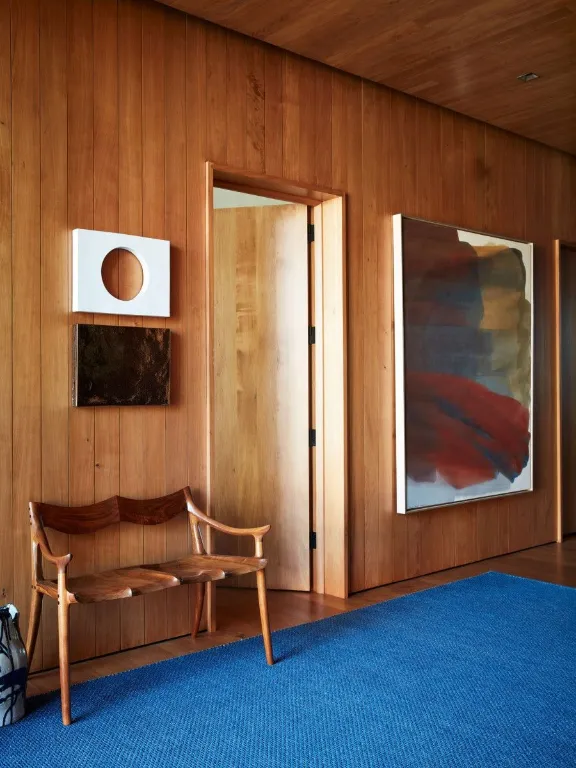
Before embarking on your oil painting buy journey, a foundational grasp of art criteria is crucial.
- Color Theory: Understanding how primary, secondary, and complementary colors interact will help you assess the emotional and visual impact of a painting. Color usage directly influences mood and harmony.
- Composition: Analyze the arrangement of subjects, focus points, and negative space. A well-balanced composition guides your eye naturally through the artwork.
- Texture and Brushwork: Examine surface qualities—some artists use thick impasto, while others create smooth, subtle transitions. Texture not only adds depth but reveals the painter’s technique.
- Scale: Consider both the physical dimensions of the piece and the relative size of its elements. Scale affects how a painting fits into your intended space and collection.
- Quality Craftsmanship: Authentic oil paintings showcase masterful brushwork, durable materials, and stable supports. Look for even varnish, vibrant colors, and secure framing.
- Value Assessment: A painting’s value is determined by factors such as artistic merit, condition, provenance, and artist reputation. Always research the background and exhibition history when possible.
Purchasing Process

Embarking on an oil painting buy can feel daunting, but following a structured approach ensures clarity and confidence.
- Set a Budget: Establish your spending range, accounting for framing, insurance, transport, and any commission if you opt for custom work.
- Research and Selection: Explore art fairs, online galleries, and catalogs. Shortlist pieces that move you personally and aesthetically complement your environment.
- Negotiating: Don’t hesitate to discuss price, especially in galleries or with independent artists. Many sellers expect and welcome negotiation.
- Provenance and Authenticity: Always request certificates of authenticity and detailed provenance documentation. This ensures your investment is genuine and legally protected.
Lenoir Decor streamlines these steps with a personalized, advisory approach—connecting collectors with curated, handmade oil paintings and transparent, secure buying experiences.
Marketplace Insights
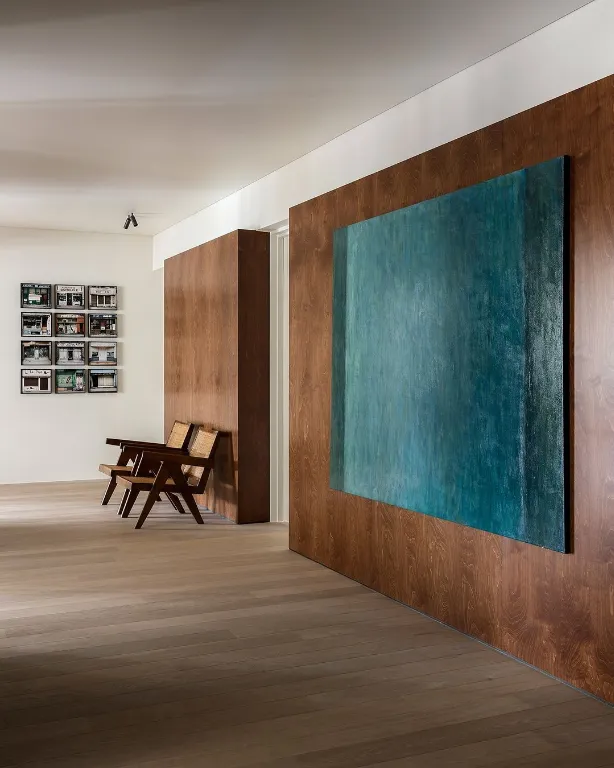
Knowing where—and how—to make your oil painting buy is pivotal for first-time collectors.
- Online Platforms & Galleries: Trusted online galleries, reputable art marketplaces, and artist collectives offer accessibility and often provide insight into artwork history and artist background.
- Auctions & Local Galleries: Traditional auction houses and neighborhood galleries supply rare finds and opportunities to develop relationships within the art community. Always investigate an auction’s authenticity guarantees.
- Red Flags: Be cautious of sellers lacking documentation, vague provenance, suspiciously low prices, or unclear artwork origins. True professionals are transparent about a painting’s story and condition.
- Common Mistakes: Avoid impulsive purchases, overlooking details around restoration history, or missing out on a formal inspection. Remember to factor extra costs like delivery or insurance after purchase.
Whether curating from afar or browsing locally, prioritize reputable sources and detailed documentation with every acquisition.
Building an Art Collection

Curating a personal art collection is a journey in developing taste, building value, and connecting with artistic heritage.
- Curation: Create a coherent narrative by considering themes, periods, or artistic movements that inspire you. Blend established names with emerging artists to balance recognition and personal discovery.
- Artistic Movements & Emerging Artists: Delve into movements like Impressionism, Expressionism, or Contemporary Art to appreciate their influence and innovation. Following new talents enriches your portfolio and supports fresh voices.
- Community & Education: Engaging with galleries, attending exhibitions, and joining online forums or social events enhances your knowledge base. Consider art courses, workshops, and collector’s talks for immersive learning.
Lenoir Decor’s expert consultants help first-time collectors explore collections aligned with their vision, providing access to both classic and bespoke oil painting options.
Legal and Insurance Aspects
Protecting your oil painting buy means covering every legal and financial angle.
- Authenticity Certificates: Ensure each purchase comes with official certificates and provenance—a safeguard against disputes and for future resale potential.
- Copyright and Resale Rights: Understand that the original artist often retains certain copyright protections, even after the artwork changes ownership. Inquire about resale or reproduction rights if you intend to exhibit or lend pieces.
- Insurance: Insure your artwork as soon as possible against theft, fire, flood, or accidental damage. Many insurers provide specialized policies for fine art. Keep photographic records and appraisal documents on hand in case of loss or damage.
Adopting these measures secures your collection’s value and enables peace of mind for new and seasoned collectors alike.
Conclusion
Ready to make your first oil painting buy? With ongoing research, trusted networks, and personal exploration, your entry into oil painting collecting will deepen your appreciation for artistry and enrich your environment for years to come. For further education, explore art history books, online courses, and museum resources—or connect with collector communities for additional guidance and inspiration. Your journey starts now.
.webp)