French
 German
 Italian
 Arabic
 Japanese
 Spanish
 Korean
 Russian
 Portuguese
 Dutch
Dutch
 Norwegian
 Finnish
 Swedish

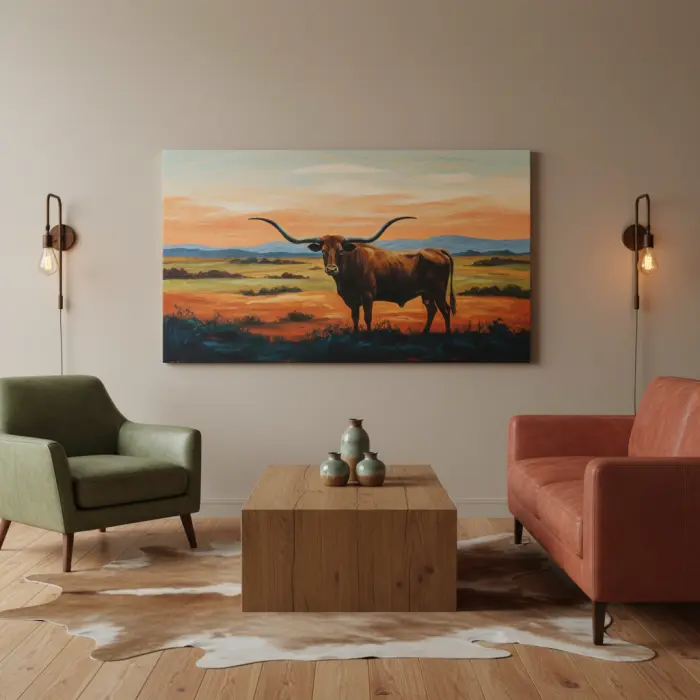
Longhorn paintings have become enduring symbols of the American West, seamlessly blending artistry and cultural heritage. Whether in grand cowboy art paintings or the intricate brushstrokes of quarter horse paintings, longhorns evoke a sense of untamed landscape, ranch traditions, and Western character. For collectors, interior designers, or hospitality buyers seeking longhorn wall art as both a statement and a subtle nod to rustic charm, understanding the legacy and diversity of longhorn paintings unlocks their timeless appeal. This article explores their history, artistic interpretation, and the important role longhorn cattle play as icons in both art and Western decor, guiding you toward informed choices when sourcing pieces for modern or rustic modern spaces.
Table of Contents
- The Role of Longhorns in Western History
- Evolution of Longhorn Art
- Styles, Techniques, and Prominent Artists
- Longhorn Paintings in Modern Art & Buying Guide
- Conclusion
The Role of Longhorns in Western History
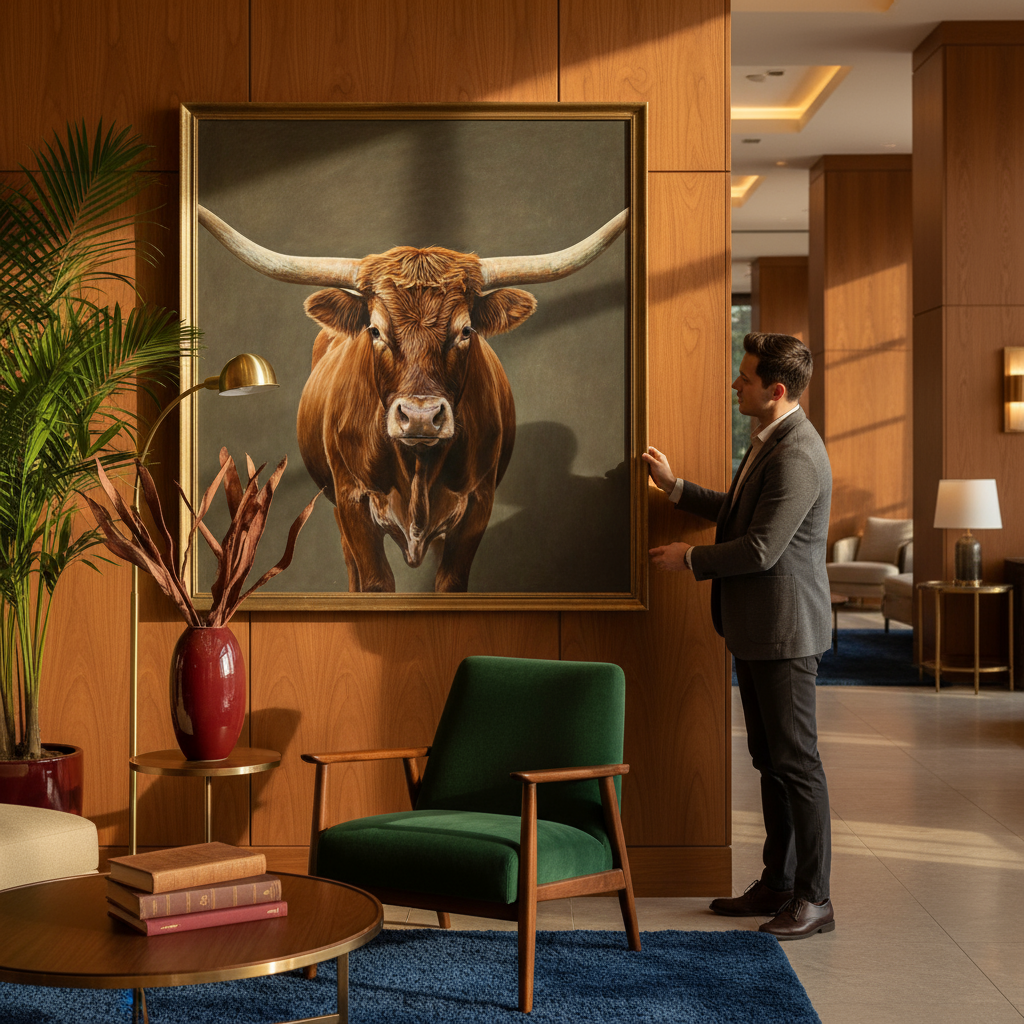
Texas Longhorn cattle, with their sweeping horns and resilient spirit, were once central to the cattle drives of the American Southwest. Their journey, often immortalized in longhorn paintings and cowboy art paintings, reflects both the rugged landscape and the people who called it home. Longhorns became more than livestock; they emerged as powerful cultural icons often featured in Western folklore and American art. The longhorn cow embodies endurance and adaptability, traits deeply valued in the West, while longhorn bust and longhorn portrait artworks pay homage to their commanding presence. From historic murals to fine art photography, these subjects captured the imagination of artists and collectors alike, contributing to a visual tradition that continues to resonate in Western decor today.
Evolution of Longhorn Art
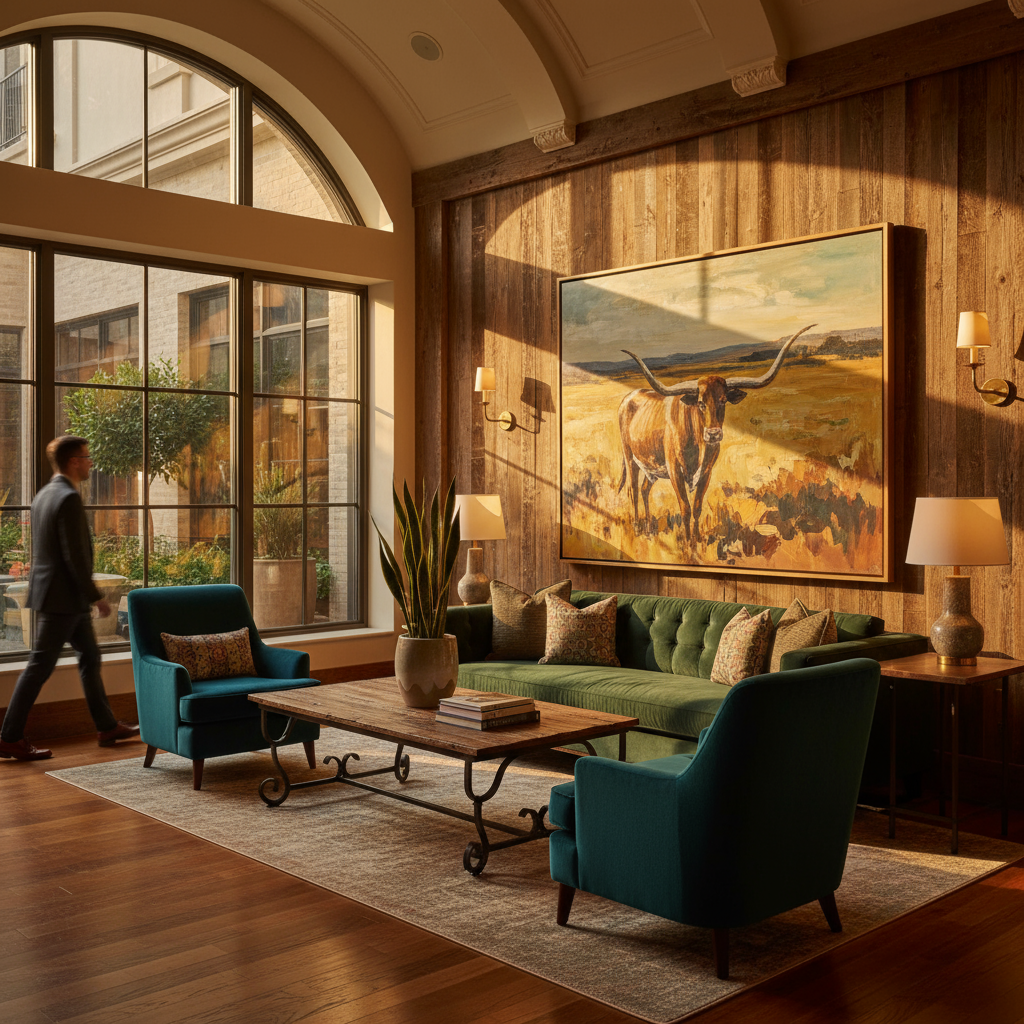
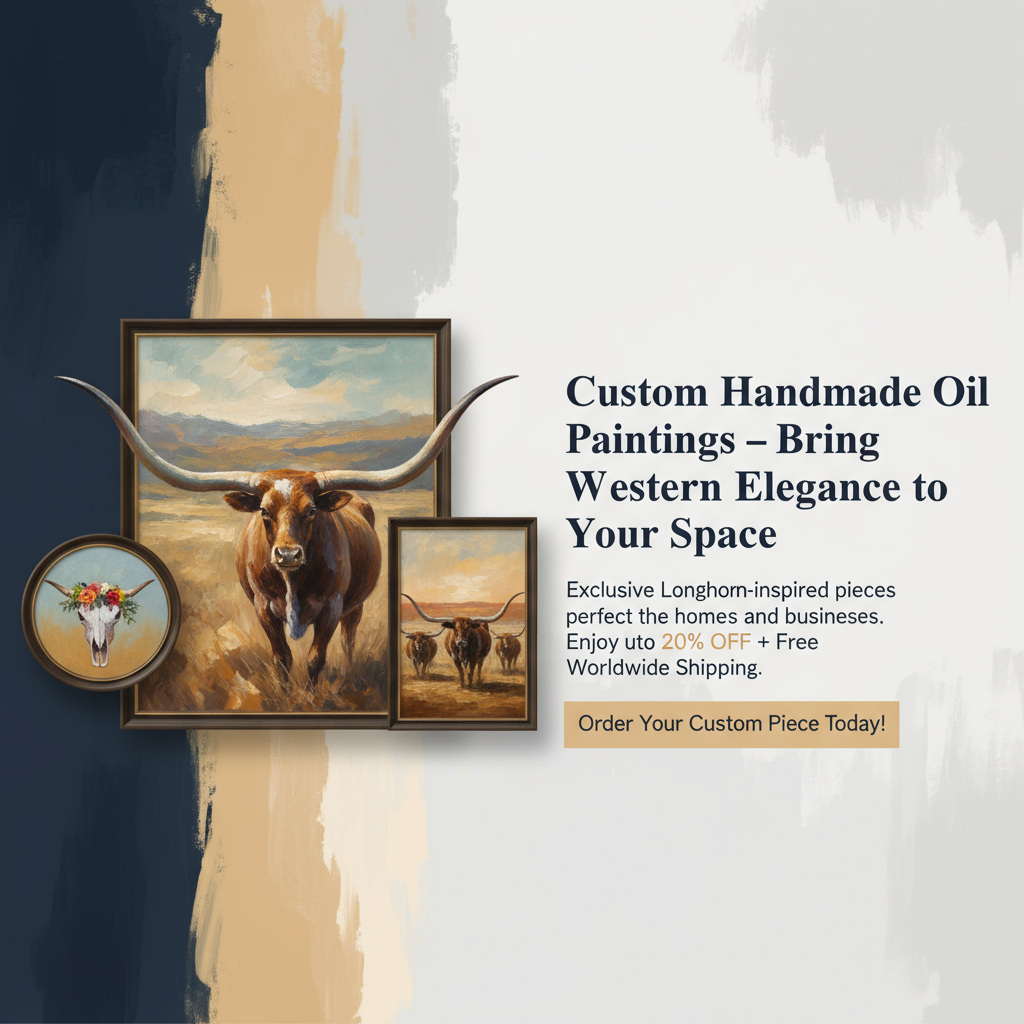
The development of longhorn paintings traces the shifting tides of Western art over the decades. Early artists used realism to depict longhorn cattle in detailed scenes of ranch life or the celebrated Dance of the Longhorns, while impressionists and modern painters infused their works with expressive brushstrokes and farmhouse colors. Watercolor painting and oil techniques both have a strong place in the genre, allowing for variations in light and texture that enhance the visual narrative. The evolution of materials—from canvas to reclaimed wood—has led to unique formats like longhorn on wood panels, which further infuse wall decor with a contemporary yet rustic feel. Significant events in American history, such as the expansion westward, have influenced the types of scenes depicted and the rise of longhorn wall art as a staple in both personal and corporate spaces.
Styles, Techniques, and Prominent Artists
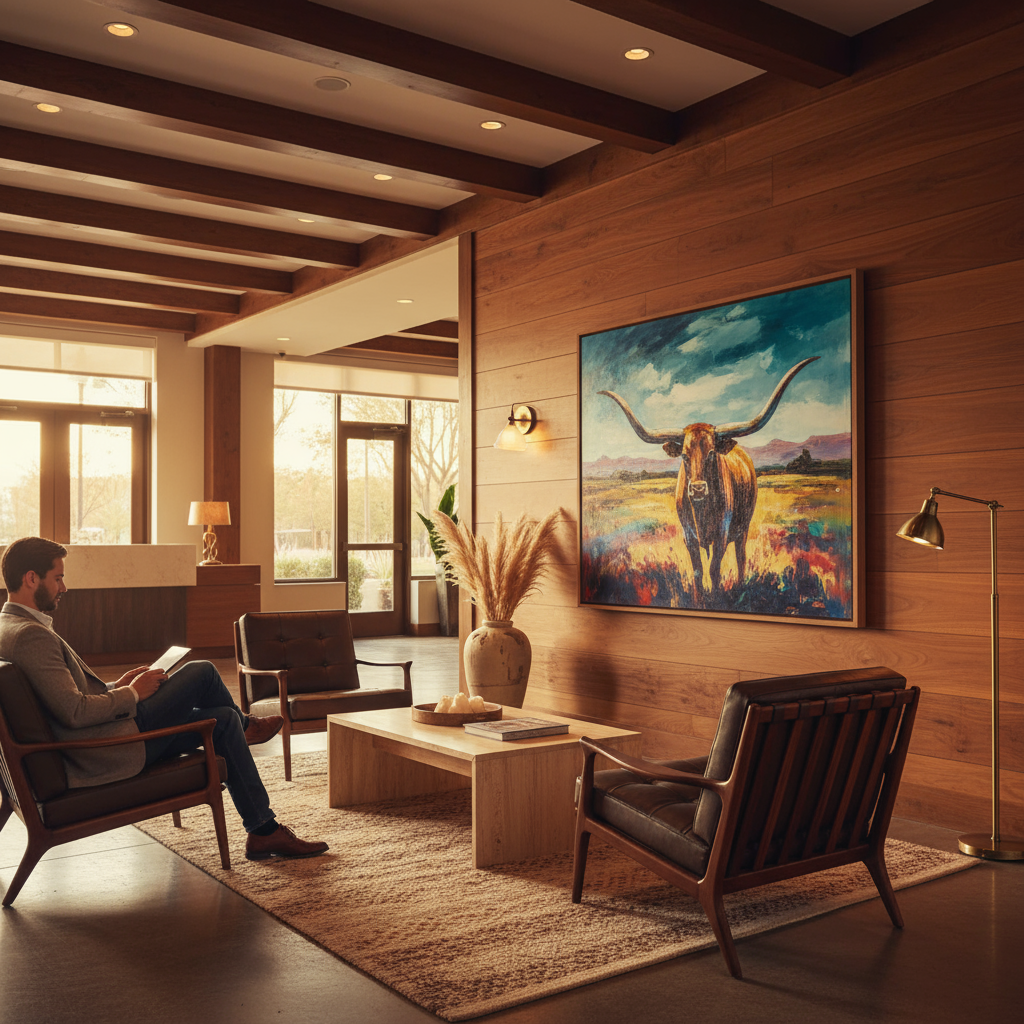
Variety defines the artistic exploration of longhorns. In realism, artists capture every detail of the Texas Longhorn's horns and hide, often focusing on dramatic landscapes to evoke the vast American Southwest. In contrast, abstract or impressionistic pieces use bold brushwork and vibrant farmhouse colors to reinterpret the essence of the animal. A growing trend is the use of rustic modern spaces to integrate traditional subjects with contemporary aesthetics, favoring large-scale longhorn wall art in both modern homes and hospitality environments. Notable artists, such as Debra Gail, are known for fusing modern twists into classic cowboy art paintings and quarter horse paintings. Gail's celebrated works, like her longhorn portraits with mixed media or her reinterpretations of Dance Of The Longhorns, often combine fine art photography with layered painting techniques, resulting in uniquely dimensional wall decor. For businesses and institutions seeking to make a statement, custom oil paintings from skilled ateliers—such as those offered by Lenoir Decor—are an excellent choice for combining authenticity with tailored design.
Longhorn Paintings in Modern Art & Buying Guide
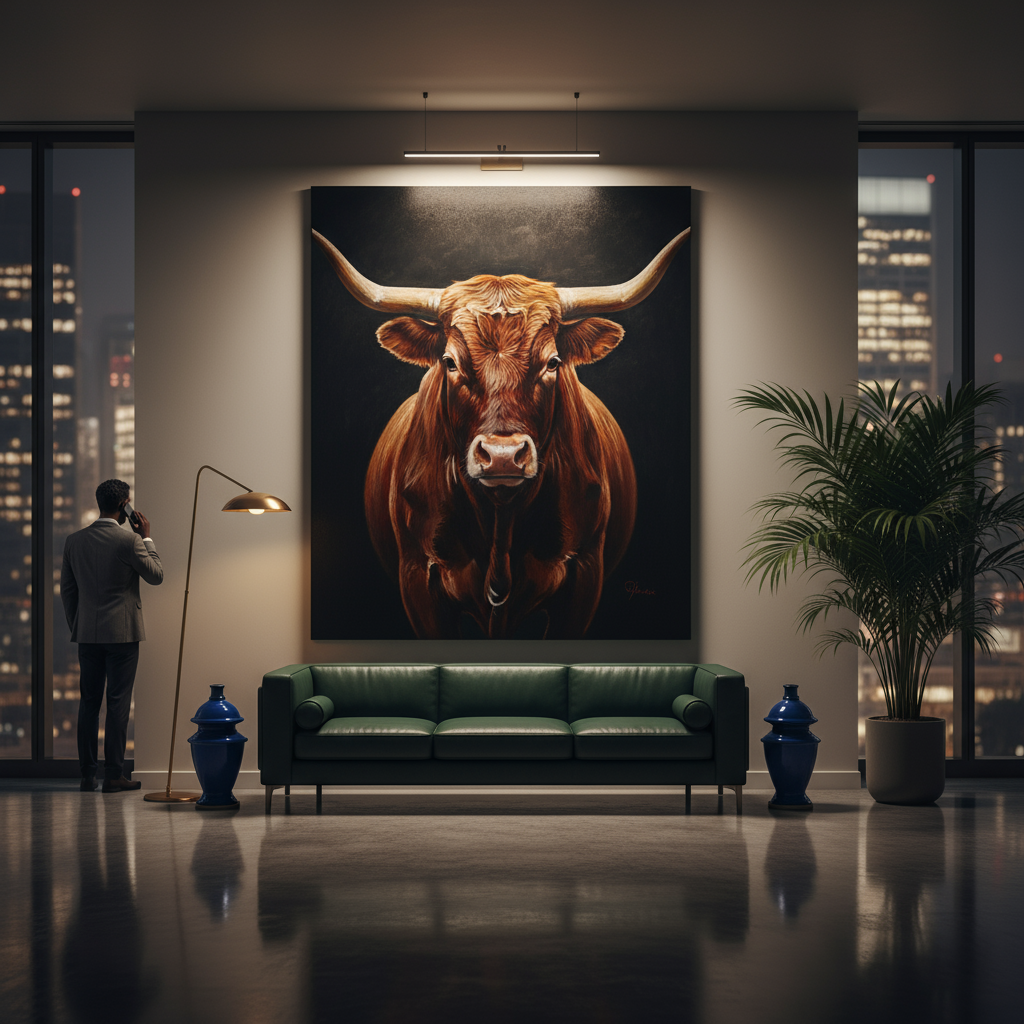
Contemporary longhorn art is experiencing a resurgence, fueled by a renewed appreciation for Western character and rustic charm in interior and commercial decor. The integration of digital art expands access and introduces longhorn paintings to new demographics. Market data reveals a steady increase in demand for pieces that evoke nostalgia while fitting into modern home aesthetics, with quarter horse paintings and cowboy art paintings also reflecting this broader trend. When purchasing a longhorn painting, consider these points:
- Authenticity: Seek signatures or certificates for original works.
- Medium: Choices include oil, watercolor painting, wood panels, and fine art photography prints.
- Size and Scale: Match the artwork to your wall decor needs and space requirements.
- Framing and Finish: Select options that complement rustic modern spaces or Western decor styles.
- Seller Reputation: Collaborate with reputable galleries or direct from custom art studios like Lenoir Decor to ensure quality and provenance.
Many buyers increasingly turn to curated online platforms, art fairs, and specialized exhibitions for sourcing unique longhorn wall art and longhorn on wood. To further refine your selection, explore artist portfolios, read customer reviews, and immerse yourself in western art communities online. Thank you for investigating the timeless impact of these Western icons as you seek to elevate your commercial or personal spaces.
Conclusion
Explore Lenoir Decor’s custom longhorn paintings for your next project. As longhorn paintings remain treasured emblems of both tradition and innovation within the art world, their enduring legacy continues to inspire collectors, designers, and art lovers of every generation. From rustic to modern, these Western icons on canvas infuse spirit and authenticity into any environment, making them a compelling focal point for years to come.
.webp)