French
 German
 Italian
 Arabic
 Japanese
 Spanish
 Korean
 Russian
 Portuguese
 Dutch
Dutch
 Norwegian
 Finnish
 Swedish

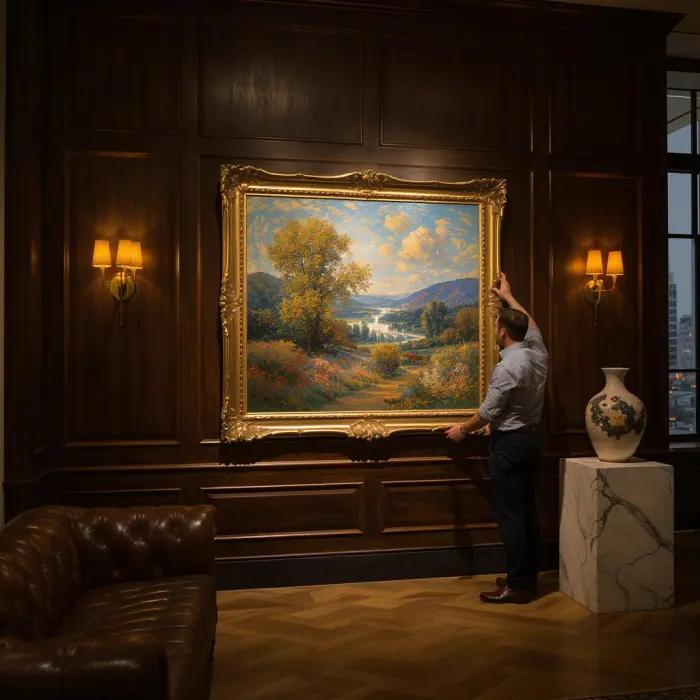
Oil paintings—whether a Van Gogh painting style, Monet canvas art, or a contemporary abstract oil painting—dazzle with depth, texture, and color. Yet, these treasured artworks are surprisingly delicate: improper cleaning or poor preservation can dull, damage, or devalue even the most Instagrammable wall art or dining room wall art. From museum-quality classics to custom oil paintings for restaurant decor ideas, the long-term beauty and originality of every canvas relies on specialized routines. In this detailed guide, we’ll share actionable, art-world-approved cleaning techniques and preservation strategies used by professional conservators and expert suppliers like Lenoir Decor (with over 5 years’ experience and 3000+ paintings delivered worldwide). Whether you own a vintage oil painting, a seascape oil painting, or daring impasto oil painting, you’ll learn how to nurture and showcase your collection—ensuring each piece remains brilliant for generations.
Table of Contents
- Understanding Oil Paintings: Materials, Vulnerabilities & Preservation Needs
- Step-by-Step Cleaning Techniques for Oil Paintings: Maintain Original Beauty
- Preservation Strategies: Environmental, Framing & Protective Measures
- Expert Tips, Mistakes to Avoid & When to Call a Professional Conservator
- FAQs: Cleaning and Preserving Oil Paintings
- Conclusion
Understanding Oil Paintings: Materials, Vulnerabilities & Preservation Needs
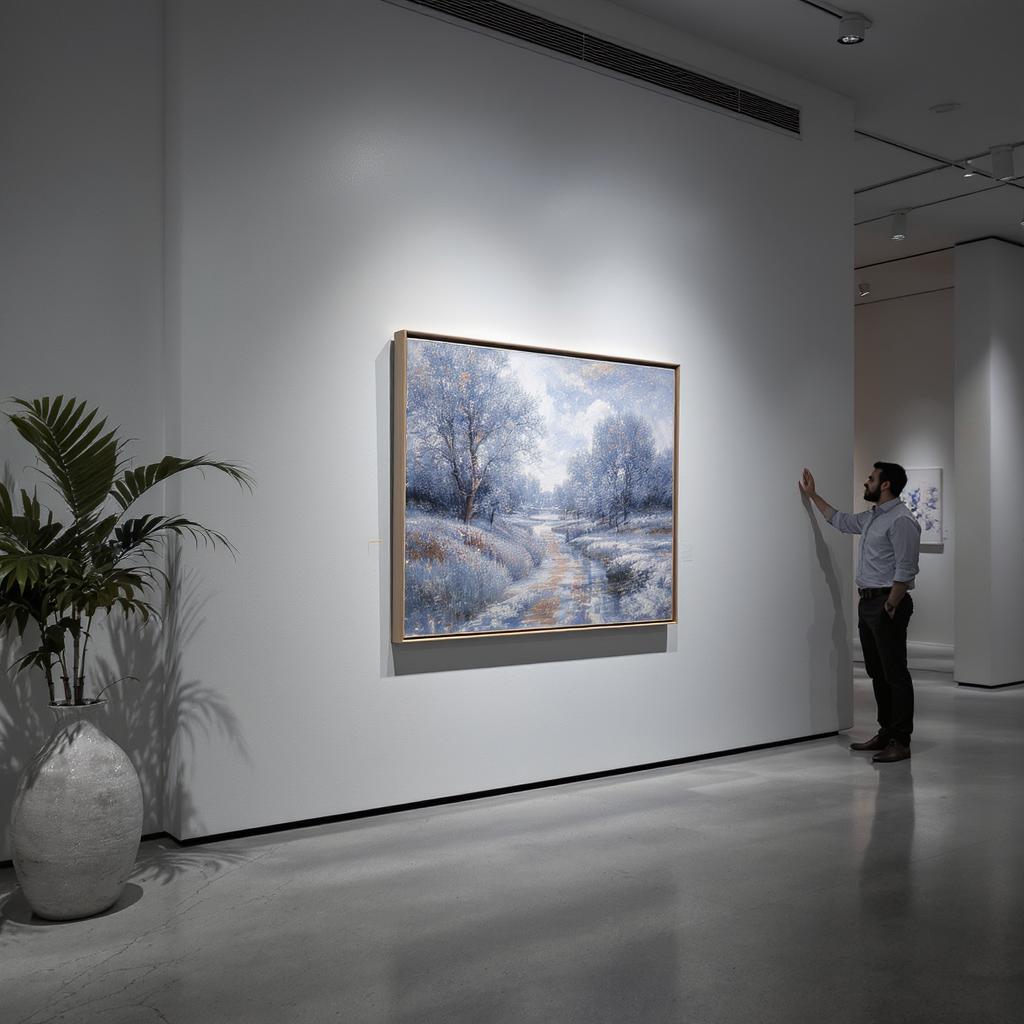
Oil painting on canvas stands apart due to its unique blend of materials and methods—a rich interplay of pigments and oils, layered onto stretches of fabric or wood. Masterpieces from the likes of Van Gogh (think Van Gogh painting cafe at night or Van Gogh cafe painting), Monet, and Frida Kahlo show just how versatile and enduring oil painting techniques can be. This material also underpins contemporary and classic pieces that add vintage flair to living room artwork, restaurant spaces, and modern dining room wall art.
Why Do Oil Paintings Require Special Care?
- Sensitivity to Temperature & Humidity Levels: The paint and support materials (canvas, wood, lacquer painting, or even rice paper painting) expand and contract with changing humidity and temperature. Sudden shifts risk cracks, flaking, or warping—especially for vintage oil paintings or impasto oil painting with heavy texture.
- Light Exposure: Too much direct sunlight leads to color fading, yellowing, or deterioration of the varnish layer. Using color temperature-appropriate lighting and UV protection (like UV-filtering glass) is crucial for all art oil painting on canvas displays.
- Water & Environmental Hazards: Proximity to kitchens, bathrooms, or open water sources invites condensation, mold, and even water damage.
- Dirt, Dust & Physical Damage: Grime, pest infestations, or improper handling without gloves and acid-free materials can cause irreparable losses.
Preservation Risks for Collectors & Commercial Spaces
- Yellowing & Mold: Artworks displayed in climates with poor temperature control or high humidity often suffer these issues, seen even in famous baroque paintings or textured canvas painting.
- Mechanical Risks: Transporting works improperly (using plastic wrap instead of breathable bubble wrap for transport) can crush, abrade, or puncture canvases. Acid-free backing and solid shadow-gap frames protect against mishap during moves.
For a climate-controlled environment, prioritize stable humidity levels (ideally 40-50%) and moderate temperature (18-21°C) for museum or collector’s quality results. This is especially vital for original artworks, premium flower oil painting canvas, or high-traffic commercial installations like living room canvas art in hospitality venues.
Step-by-Step Cleaning Techniques for Oil Paintings: Maintain Original Beauty
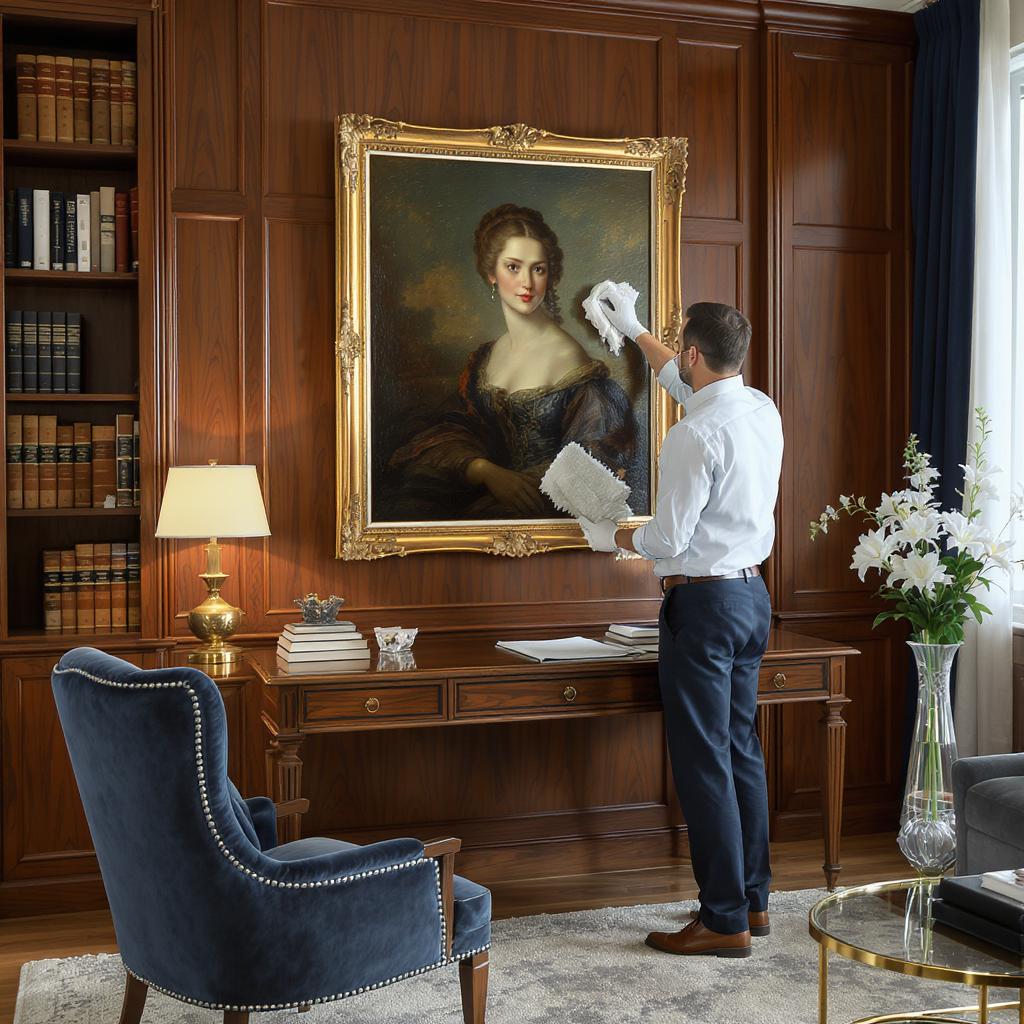
Regular cleaning maintains the allure of both modern Instagrammable wall art and traditional oil painting vintage styles. However, cleaning oil paintings is delicate work—too little care can strip away years of artistry.
Essential Tools & Materials
- Soft, natural-bristle brushes (never synthetic)
- Clean gloves (cotton preferred)
- Acid-free cotton swabs or soft cloths
- Distilled water for dampening, if needed
- pH-neutral, acid-free mild soap (used only if strictly necessary and safe)
- Moisture-absorbing materials for storage
- Bubble wrap (for short-term transport)
Surface Cleaning Techniques
- Gentle Dusting: Gently sweep a dry, soft-bristle brush across the painting—work side to side, never scrubbing. Clean only the surface and avoid textured or impasto-heavy areas where bristles may snag.
- Spot Cleaning: Lightly dampen a cotton swab with distilled water for small, inconspicuous areas—test first on an edge. Do not saturate and avoid painted or highly textured spots. Never use household cleaners or alcohol.
- Avoid Excessive Cleaning: Frequent, overzealous wipes or improper cleaning techniques wear away the protective varnish layer and risk exposing the underlying pigments.
Troubleshooting Problem Areas
- Varnish Layer Issues: A yellowed or cloudy varnish means the time for a retouch varnish or professional cleaning is approaching. Do not attempt to strip or replace varnish yourself; call a professional conservator.
- Surface Grime & Stains: If layered dust or smoke discoloration forms (often seen in restaurant decor ideas and high-traffic commercial zones), do not use water or abrasive materials. Instead, gently dust and consult a specialist.
- Mold, Flaking Paint, or Moisture Spots: These require immediate attention from a professional. DIY attempts may cause paint loss, further water damage, or set stains deeper.
Safety Precautions for Art Collectors & Businesses
- Always test new cleaning agents in hidden spots first.
- Wear gloves, handle edges or frames (as in Mona Lisa with frame preservation).
- Never clean over carpet, near open sinks, or active water sources—spills or splashes migrate quickly.
- Store transport paintings with bubble wrap for padding, but never seal long-term to avoid condensation and mold.
Preservation Strategies: Environmental, Framing & Protective Measures
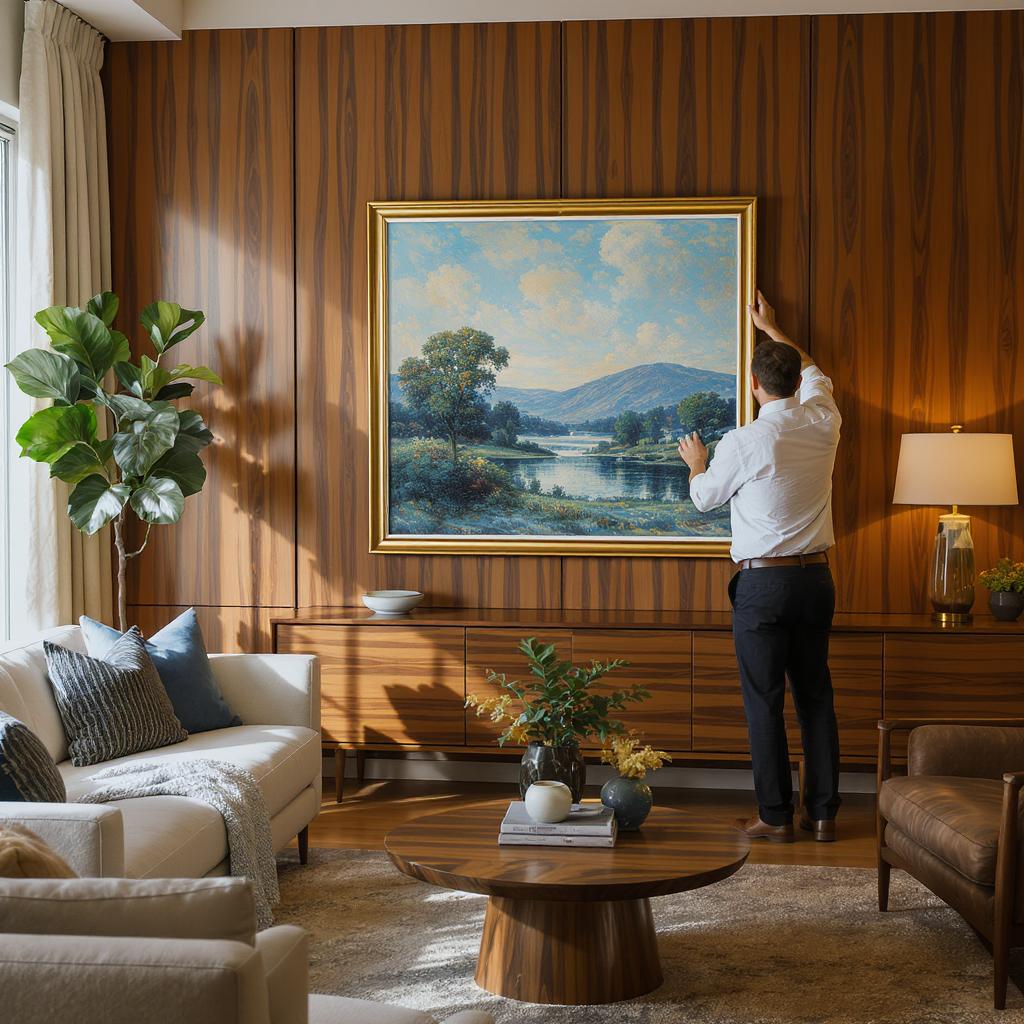
Preserving an oil painting of canvas is about more than occasional cleaning—it involves holistic management of environment, framing, and supportive materials tailored for both residential and commercial needs.
Optimal Display & Storage Environment
- Temperature Control: Keep rooms stable—avoid overshoots from heating vents, radiators, or direct sunlight.
- Humidity Levels: Maintain at 40–50% to prevent shrinkage, warping, or mold; use climate control and moisture-absorbing materials where fluctuating weather is a threat.
- UV Protection: Fit rooms with UV-filtering glass or install art in shaded locations. Light with color temperature bulbs designed for artwork—often seen in premium living room canvas art or Instagrammable wall ideas restaurants.
- Water & Environmental Precautions: Never hang valuable pieces in bathrooms or next to kitchens. Avoid windows that collect condensation. Store away from all water sources and check regularly for any signs of water damage.
Framing, Backing & Mounting Recommendations
- Use acid-free materials—both matting and rigid backing make a difference for acrylic & oil paintings, lacquer painting, or rice paper painting alike.
- Employ shadow gaps or professional conservation frames to allow air circulation around the painting.
- UV-filtering glass is ideal for spaces with intense sunlight, but some textured canvas painting and impasto pieces "breathe" better without glass. Always consult with a professional artist or conservator for best practice.
- Bubble wrap works as a safe transport barrier, but for prolonged storage, unroll and use acid-free paper or cardboard.
Long-Term Protection
- Check the varnish layer annually. If worn or cloudy, consult a professional artist or conservator for a retouch varnish.
- Inspect for shifts in humidity, pests, or environmental changes on a regular basis.
Lenoir Decor Expertise Highlight
With museum-quality handling across 3000+ artworks shipped worldwide, Lenoir Decor maintains premium standards for both original artwork and commissioned projects, ensuring longevity whether displayed in high-traffic restaurants or sophisticated living rooms.
Expert Tips, Mistakes to Avoid & When to Call a Professional Conservator
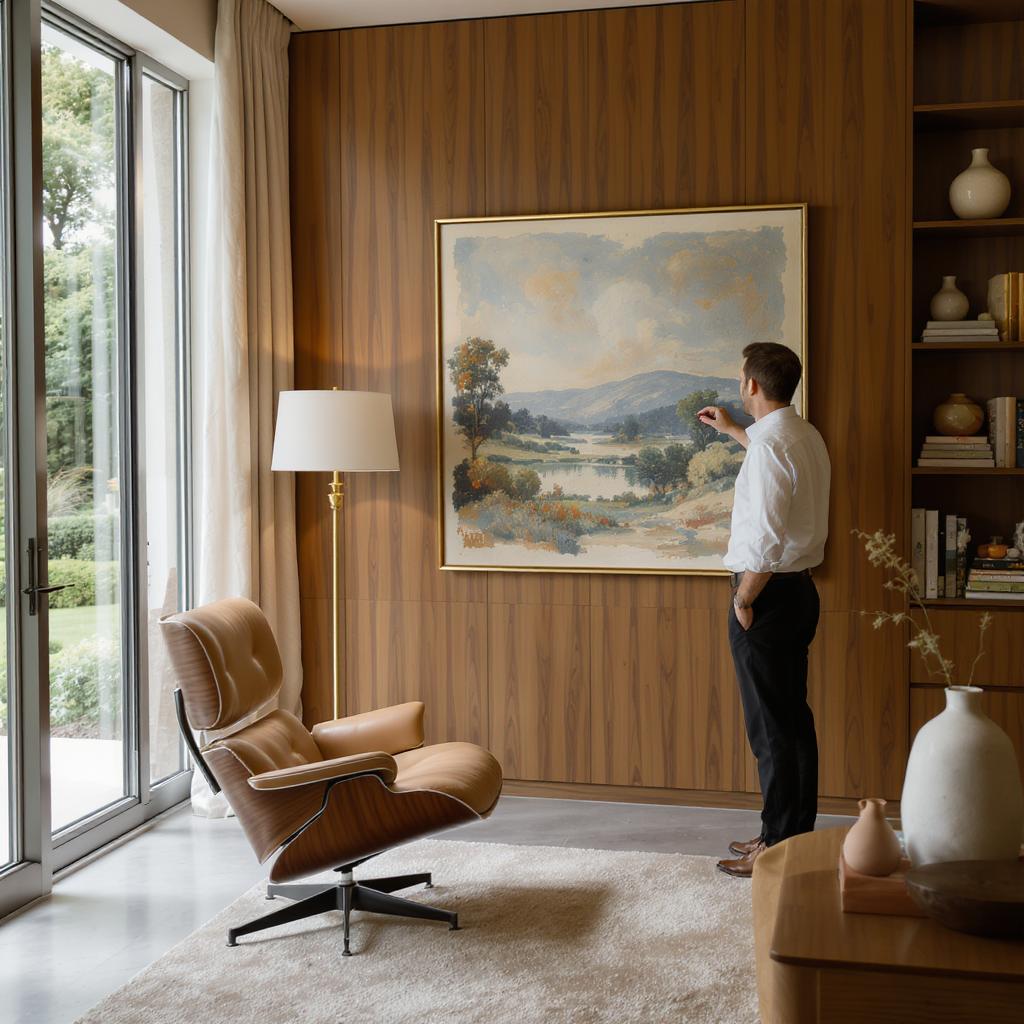
Taking inspiration from major art collectors and galleries, the secret to maintaining stunning vintage oil paintings, mountain landscape painting, or even the most contemporary Instagrammable wall art is simple—consistency, patience, and expertise.
Best Practices & Mistakes
- Routine Systematic Care: Gentle dusting, monthly checks, and keeping written records of environmental conditions are standard for preserving famous baroque painting or Michelangelo best painting in both private and public spaces.
- Common Errors: Avoid hanging canvas oil paintings over radiators or in direct sunlight. Do not use household sprays or cloths, which can strip varnish or embed particles deeper.
- Improper Handling: Never touch the surface with bare hands—oils or sweat will stain and attract more dirt.
DIY vs. Professional Conservation
- Safe home cleaning is limited to light dusting. Any signs of flaking paint, deep discoloration, moisture, or mold are signals to halt and call a professional conservator.
- When hiring, ask for details about their cleaning techniques, use of acid-free materials, and knowledge of climate control and UV protection.
- Don’t hesitate to request references or portfolios.
Current Trends
- Digital monitoring for climate and humidity is on the rise, with data loggers that alert facilities or art collector homes to rapid shifts.
- New eco-friendly cleaning products tailored for art oil painting on canvas are gaining acceptance, but always verify with a professional before use.
- Advanced conservation methods now adhere to international standards, ensuring every original artwork or prized piece—such as a Frida Kahlo print or lotus flower painting—gets lifelong protection.
Lenoir Decor’s Support for Commercial Clients
For businesses, Lenoir Decor tailors finishing techniques so that institutional or hospitality installations experience minimal cleaning needs and maximum durability, seamlessly blending art, safety, and ease of maintenance.
FAQs: Cleaning and Preserving Oil Paintings
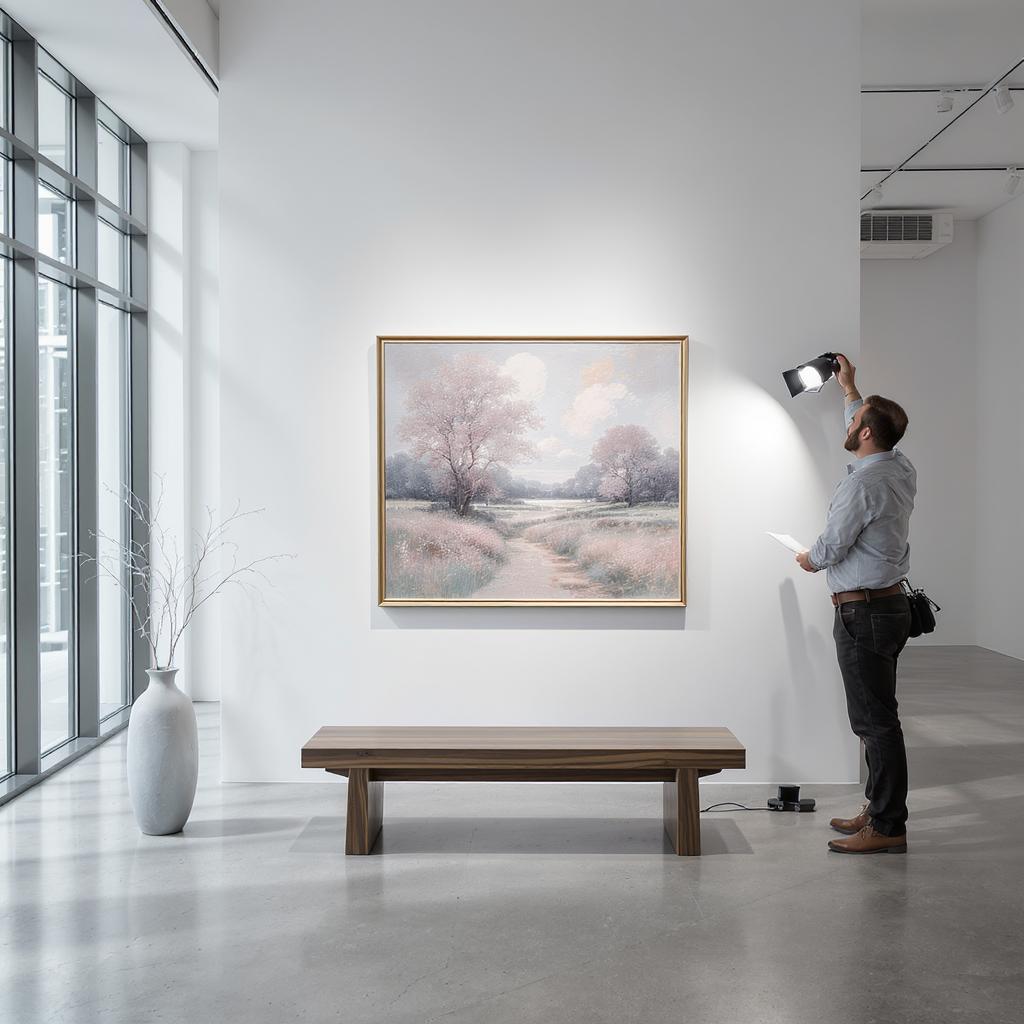
How often should I clean my oil painting?
Dust lightly every 1–3 months. Deep cleaning or varnish renewal is only necessary every few years or if visible dirt accumulates.
Is it safe to use household products on paintings?
No—household sprays and cleaners damage varnish and pigments. Use only conservation-grade materials and distilled water.
What humidity and temperature levels are best?
Maintain humidity at 40–50% and temperature near 18–21°C for best preservation of landscape oil painting, seascape oil painting, or abstract oil painting.
Can I remove yellowed varnish myself?
Do not attempt this; only a trained professional conservator should remove or replace a varnish layer.
Should oil paintings be covered with glass or acrylic?
UV-filtering glass provides light and dust protection but may not be suitable for every textured or impasto oil painting. Consult an expert for specifics.
Conclusion
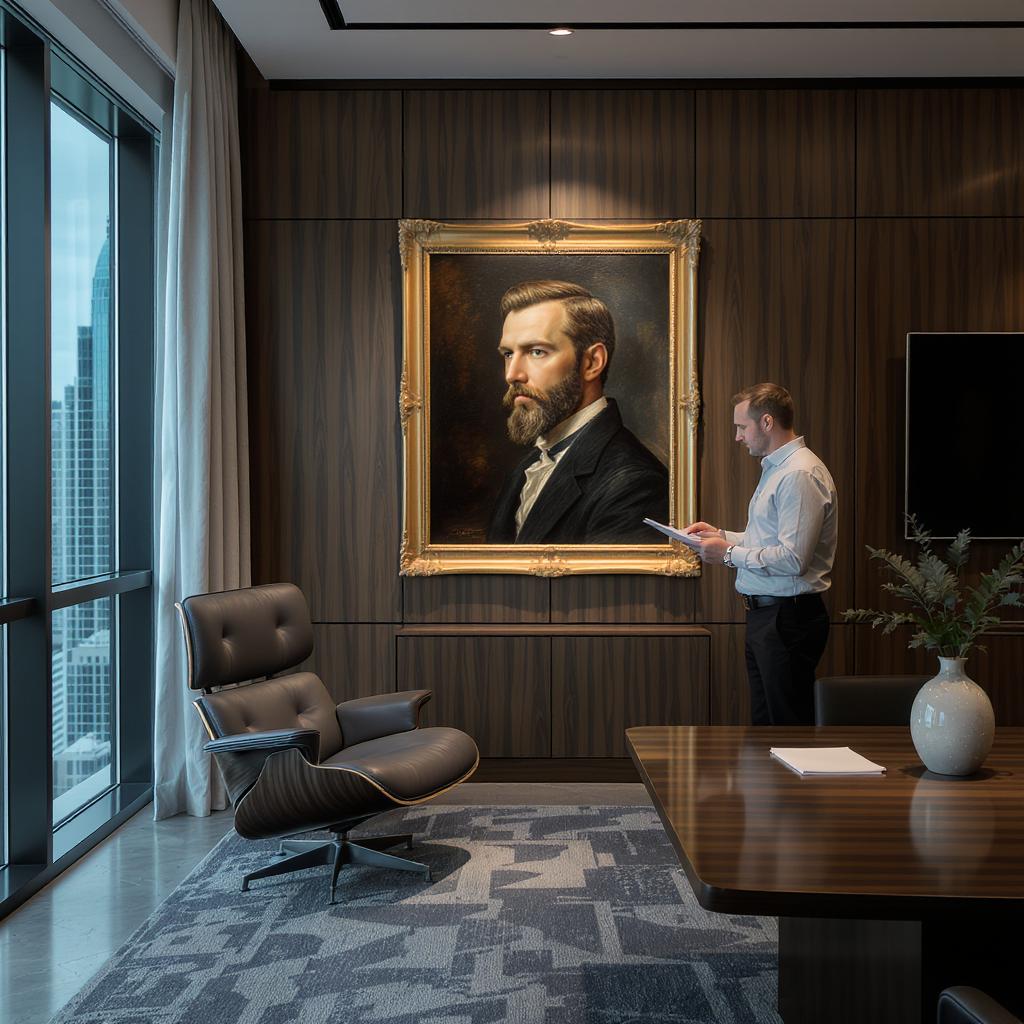
Protect your art investment with specialized care today. Regular inspection, gentle cleaning, usage of acid-free materials, and climate control are fundamental to the preservation of oil painting vintage, modern living room artwork, and even complex acrylic & oil paintings. When in doubt, always consult a professional conservator or supplier with international experience. For custom pieces or advice on optimizing your artwork’s longevity, trust in proven experts—like Lenoir Decor—who blend art-world authority with tailored solutions for businesses worldwide.
.webp)