French
 German
 Italian
 Arabic
 Japanese
 Spanish
 Korean
 Russian
 Portuguese
 Dutch
Dutch
 Norwegian
 Finnish
 Swedish

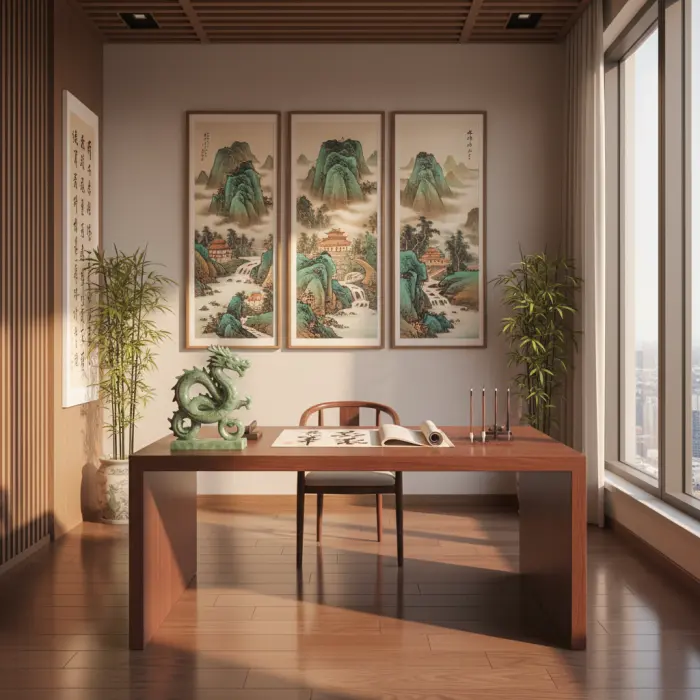
In a fast-paced business world, creating workspaces that evoke tranquility, purpose, and sophistication is essential. One of the most profound ways to achieve this is by integrating ancient China artwork into your office. Renowned for its blend of serene landscapes, refined brushwork, and deep symbolism, ancient Chinese art carries not just aesthetic beauty, but centuries of wisdom into modern environments. From ethereal Chinese landscape painting to the graceful flow of calligraphic work, these artistic traditions infuse offices with calm elegance and a touch of cultural richness. In this article, we will explore the types, history, and best integration practices for ancient China artwork, providing practical design guidance and real-life inspirations to help transform workspaces into havens of inspiration and productivity.
Table of Contents
- Traditional Chinese Paintings and Artistic Forms for Office Calm
- Historical and Cultural Significance in Chinese Art
- Integrating Chinese Artwork into Modern Office Design
- Case Studies and Modern Inspirations
- Conclusion
Traditional Chinese Paintings and Artistic Forms for Office Calm
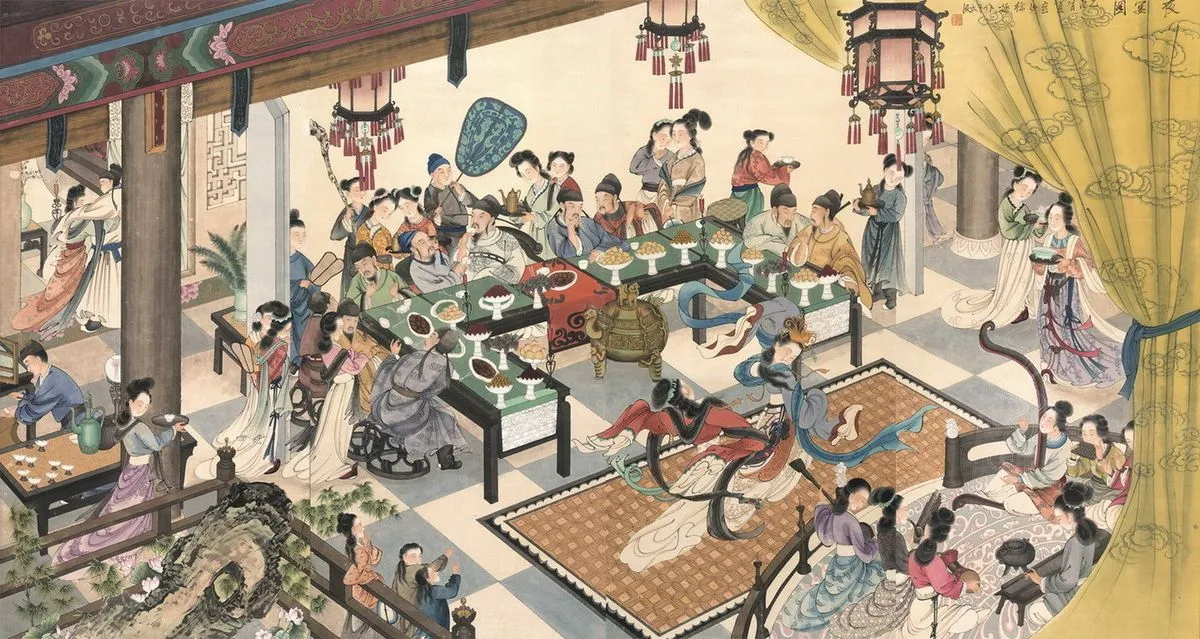
A Royal Banquet View Details & Buy
When considering ancient china artwork for calming office environments, traditional Chinese painting is a foundational element. Evoking nature’s serenity, masterpieces featuring mountains, rivers, and ancient flora like those in Ming Dynasty and Qing dynasty scroll painting offer a meditative escape from daily stresses.
- Chinese painting: Classic shan shui (mountain-water) pieces, known as Shanshui hua or ink landscape paintings, highlight harmonious energies of Yin and Yang, believed to balance office environments and invite positive Feng Shui.
- Literati painting: Rooted in Chinese culture, especially during the Yuan dynasty and later periods, literati artists expressed philosophical musings with expressive brush technique and subtle ink style, as exemplified by Wang Yuanqi, Huang Gongwang, and Wu Jingting. Their works subtly reference ancient Chinese literature, enhancing intellectual ambiance.
- Folding screens and decorative screens: These multifunctional elements, such as shoji screens or wooden scroll bar displays, serve as both art and privacy, weaving sculptural drama into open-plan offices while displaying ink and wash painting inspired by renowned artists like Li Cheng or Guo Xi.
- Calligraphic work: Chinese calligraphy and seal script, from the Neolithic Period’s origins through masterpieces of the Republic of China, offer dynamic options. Lantingji Xu, one of the most famous calligraphic pieces, combines fluid form with inspiring messages to foster a Zen corner in modern interiors.
- Porcelain & ceramics: While paintings and scrolls dominate, ceramics—especially from the Qianlong period, often displayed on minimalist furniture with natural materials—introduce tactile Ancient Beauty of All China History. These iconic pieces echo the Five Elements philosophy and provide complementary home decor accents.
- Figures and themes: Historic beauties like Wang Zhaojun, Xi Shi, Yang Yuhuan, and Diao Chan add narrative depth, as do themes from the Romance of the Three Kingdoms and legendary serene landscapes like Water Mill, Mount Ao, Changjiang Wan Li Tu, or Shu Chuan Shenggai. Each piece embodies cultural significance and offers office spaces a unique identity.
Historical and Cultural Significance in Chinese Art
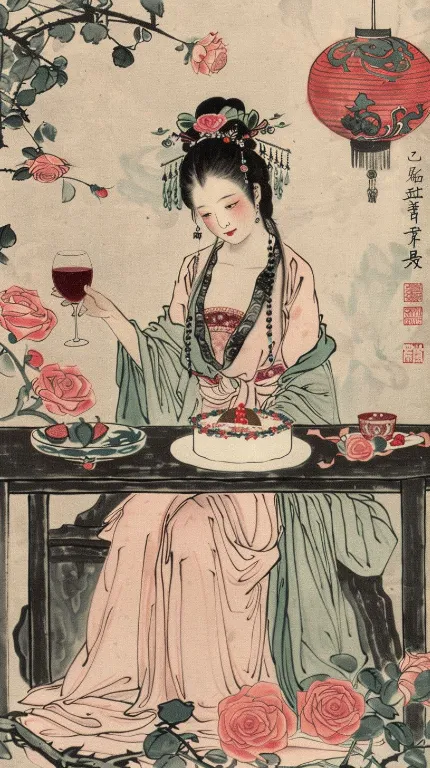
Elegant Woman Enjoying Tea Ceremony View Details & Buy
Understanding the enduring importance of ancient china artwork requires delving into its rich historical and symbolic context. Ancient Chinese art has evolved across the Neolithic Period, the sophisticated brushwork of literati painting in the Yuan dynasty, and the opulent aesthetics of the Ming and Qing dynasty courts.
- Symbolism and themes: Chinese art often reflects the harmony of Yin and Yang, balance depicted in both landscape and figurative works. The use of natural light and portrayal of serene landscapes reinforces peace and balance, core to effective Chinese interior design.
- Cultural manifestations: Calligraphy—whether in seal engraving or brush technique—echoes ancient scripts and philosophies. Works like Xueshi yuan and Chinese silk scroll masterpieces highlight the cultural richness and reverence for ancient Chinese literature, often illustrating poetry or concepts like the Six principles set out by Xie He, which underpin much of classical Asian art.
- Historical schools and artists: Influences from artists like Zhou Boju, Ye Yun, and Tang Yin have shaped both the aesthetic and metaphysical dimensions of Chinese art, lending authority and authenticity to collections.
- Philosophical influences: Feng Shui and the Five Elements theory are fundamental in integrating artwork to create balance, inviting prosperity, and supporting workplace well-being by aligning art selections with organizational goals and energy flows.
- Interconnectedness in East Asian culture: Elements such as sculptural drama, living artwork, and the conscious use of home decor objects, including minimalist and Chinese furniture, bridge the gap between past and present, making ancient traditions relevant for contemporary work environments.
Integrating Chinese Artwork into Modern Office Design
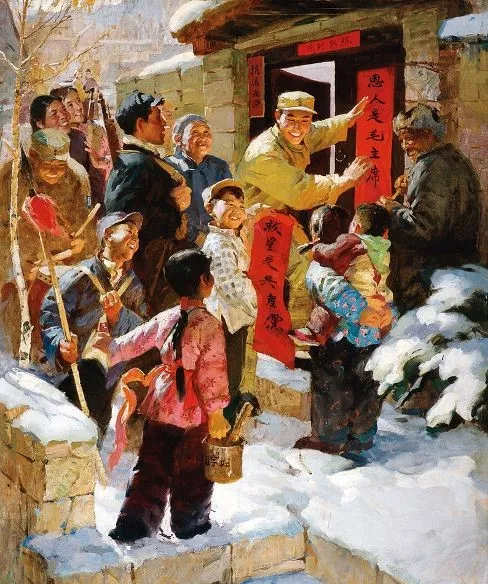
New Year's Cheer, Hopeful Future View Details & Buy
Blending ancient china artwork harmoniously within modern offices calls for mindful planning and design. Practical tips include:
- Matching with interiors: Consider Chinese art pieces with colors and forms that complement existing interior design schemes. Soft ink style works or colorful Guó huà can line floor-to-ceiling windows, creating a vibrant yet serene workspace.
- Display strategies: Utilize folding screens, shoji screens, or decorative screens to segment space or direct traffic. Wall-mounted scroll painting and brushwork art attract positive attention, while porcelain pieces or minimalist sculptures can function as focal points.
- Furniture pairing: Place art near minimalist or Chinese furniture made from natural materials like bamboo or wood, further enhancing the tranquil ambiance rooted in nature. The interplay between artwork and natural light is key to revealing the calligraphic detail and textural nuance inherent in these pieces.
- Creating conversation areas: Establish Zen corners or areas for reflection with features such as calligraphic work and seal engraving, inviting users to decompress. Art can reflect both the Romance of the Three Kingdoms for storytelling, and motifs from the Qingming Festival for celebration.
- Living artwork: Incorporate living plants or water features alongside ink landscape paintings to reinforce the Flow of Qi (life energy) essential to both Feng Shui and workplace creativity.
- Lenoir Decor expertise: For offices seeking customized results, Lenoir Decor offers handmade custom oil paintings that authentically replicate or reinterpret traditional ancient china artwork, tailored to contemporary office needs and brand personality.
Case Studies and Modern Inspirations
Drawing inspiration from offices that embrace ancient china artwork can reveal the transformative power of this art form:
- Luxury interiors: In a renowned international law firm’s headquarters, hand-selected Ming Dynasty-style folding screens featuring Shanshui hua and mountain-water themes created both privacy and serenity in communal meeting areas. This integration balanced bold modern elements with traditional heritage cues.
- Creative agency zen corner: A San Francisco creative agency crafted a Zen corner using a wooden scroll bar displaying Lantingji Xu calligraphy, paired with stylized Chinese silk scrolls featuring Gao Qianlong period motifs. Employees reported greater focus and stress relief in their retreat space.
- Executive suite drama: A corporate CEO installed bespoke works—one inspired by Wang Yuanqi’s ink and wash painting and another modeled after Xie He’s six principles—in a conference lounge, using sculptural drama and natural light to evoke authority and sophistication, while the juxtaposition with minimalist furniture added a modern flair.
- Client testimonial: “Our collaboration with Lenoir Decor introduced us to custom interpretations of Whispers of Elegance and Romance of the Three Kingdoms. These living artwork pieces have transformed our office floor, offering both visual storytelling and a unique sense of tranquility,” shares the head of facilities at a finance company.
- Integrating ancient motifs: When an architecture firm sought artwork inspired by East Asian culture, they combined modern materials with subtle seal script calligraphy and classic figures like Xi Shi and Yang Yuhuan, achieving a balance reminiscent of Ancient Beauty of All China History.
Transform your office with ancient china artwork—begin your journey with Lenoir Decor now. These treasures communicate both calm and status, echoing centuries-old virtues across contemporary workspaces. Embracing the elegance of ancient China artwork, from serene landscapes to calligraphic masterpieces and porcelain vases, ensures a harmonious workplace where both team productivity and visitor admiration flourish. Let these works anchor your interiors, embodying wisdom, cultural depth, and timeless beauty aligned with your organizational goals and aesthetic aspirations.
.webp)