French
 German
 Italian
 Arabic
 Japanese
 Spanish
 Korean
 Russian
 Portuguese
 Dutch
Dutch
 Norwegian
 Finnish
 Swedish

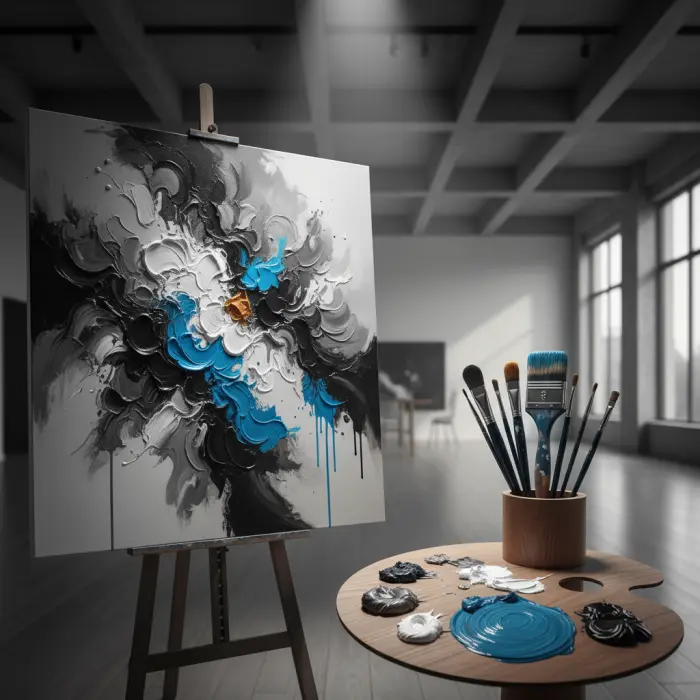
Abstract oil painting bridges tradition and innovation, captivating artists and collectors with its expressive forms and vibrant possibilities. As modern art evolves, so too do the techniques that fuel the world of abstract art in oil painting. This comprehensive guide delves into the mechanics, history, and contemporary movements behind oil on canvas abstract paintings. From foundational tools to cutting-edge methods used by leading contemporary artists, you’ll gain insights to enrich your artistic journey—whether you commission unique decor or explore bold new creative directions. Read on to discover, experiment, and elevate your understanding of this fascinating art form.
Table of Contents
- Understanding Abstract Oil Painting
- Foundations of Oil Painting
- Modern Techniques in Abstract Oil Painting
- Practical Application
- Conclusion
Understanding Abstract Oil Painting
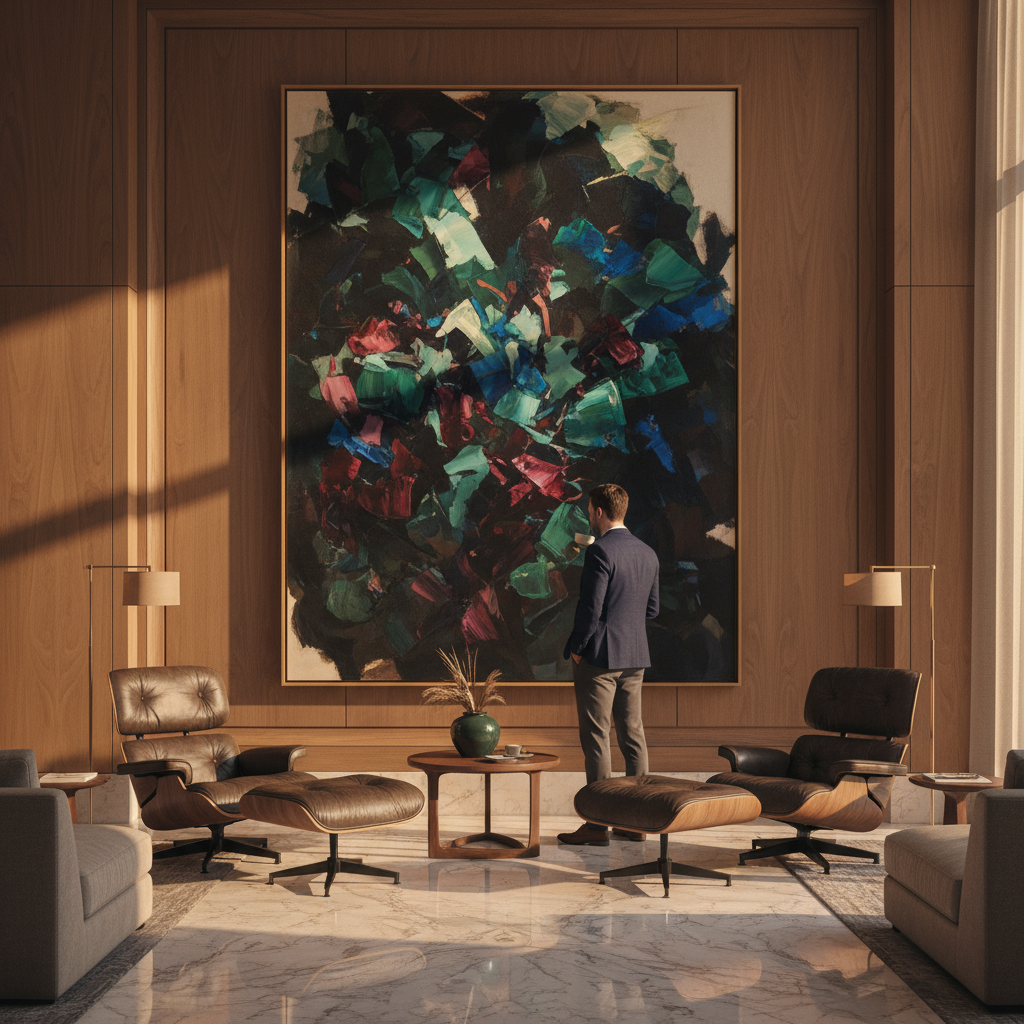
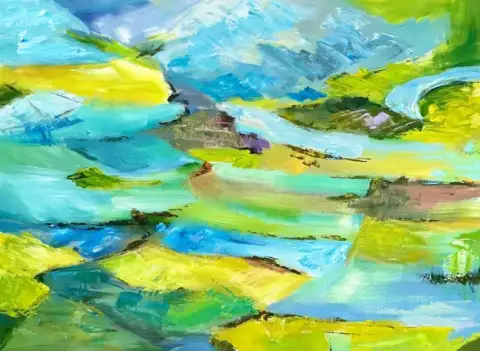
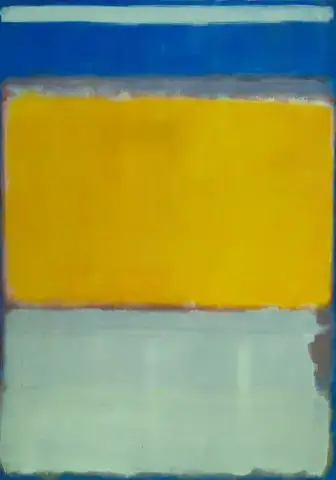
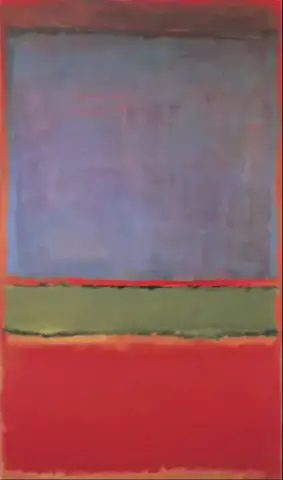
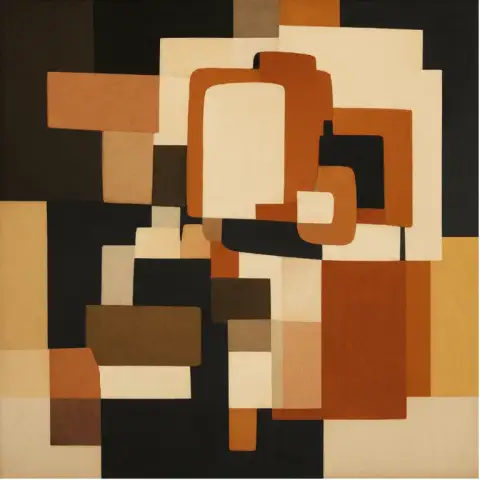
At its heart, abstract oil painting is the pursuit of visual representations that break from literal depictions, inviting viewers into a world shaped by color, gesture, and form. Unlike figurative art, abstract painting thrives on non-objective art principles, prioritizing emotion and interpretation over realism. This style found its footing with avant-garde modern art movements at the turn of the 20th century. Luminaries like Jackson Pollock and van Gogh paved the way with gestural painting, using oil paints and palette knives to create explosive visual effects that emphasized feeling over subject. Similarly, influences from Claude Monet’s handling of light and the emergence of Op Art and Light and Space movements helped cement abstraction as a method for both aesthetic contemplation and bold creative experimentation. The significance of abstract oil painting today lies in its ability to inspire artistic preferences and dialogue around color symbology, continuous line drawing, and artistic expression, making it a pillar of contemporary art and interior decor.
Foundations of Oil Painting
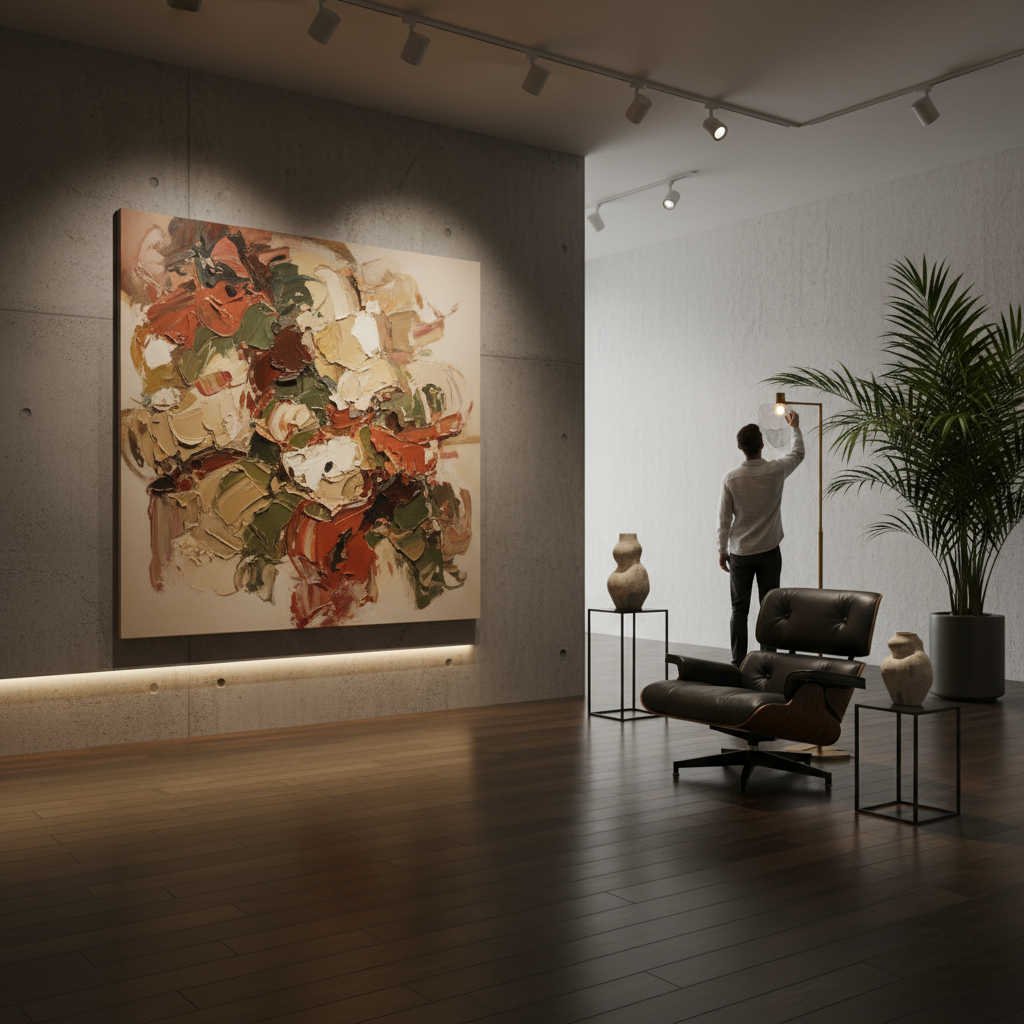
Mastery begins with understanding the essentials. High-quality oil paints are the backbone of oil on canvas abstract paintings, celebrated for their luscious texture, pigment richness, and blending versatility. To create dynamic works, artists use an array of brushes and palette knives, selecting surfaces and canvases that best suit their vision. Innovations in mixed media and impasto techniques—where thick paint creates tactile surfaces—have allowed further experimentation. Layering techniques, such as dry brushing and glazing, enable sophisticated color contrasts and depth. Mastering these foundational painting skills primes artists to experiment with abstract art techniques and harness visual tools like the color wheel and earthy color palettes. An artist’s continuous exploration of basic methods, alongside developing their own artistic journey, forms the bedrock for compelling abstract work.
Modern Techniques in Abstract Oil Painting
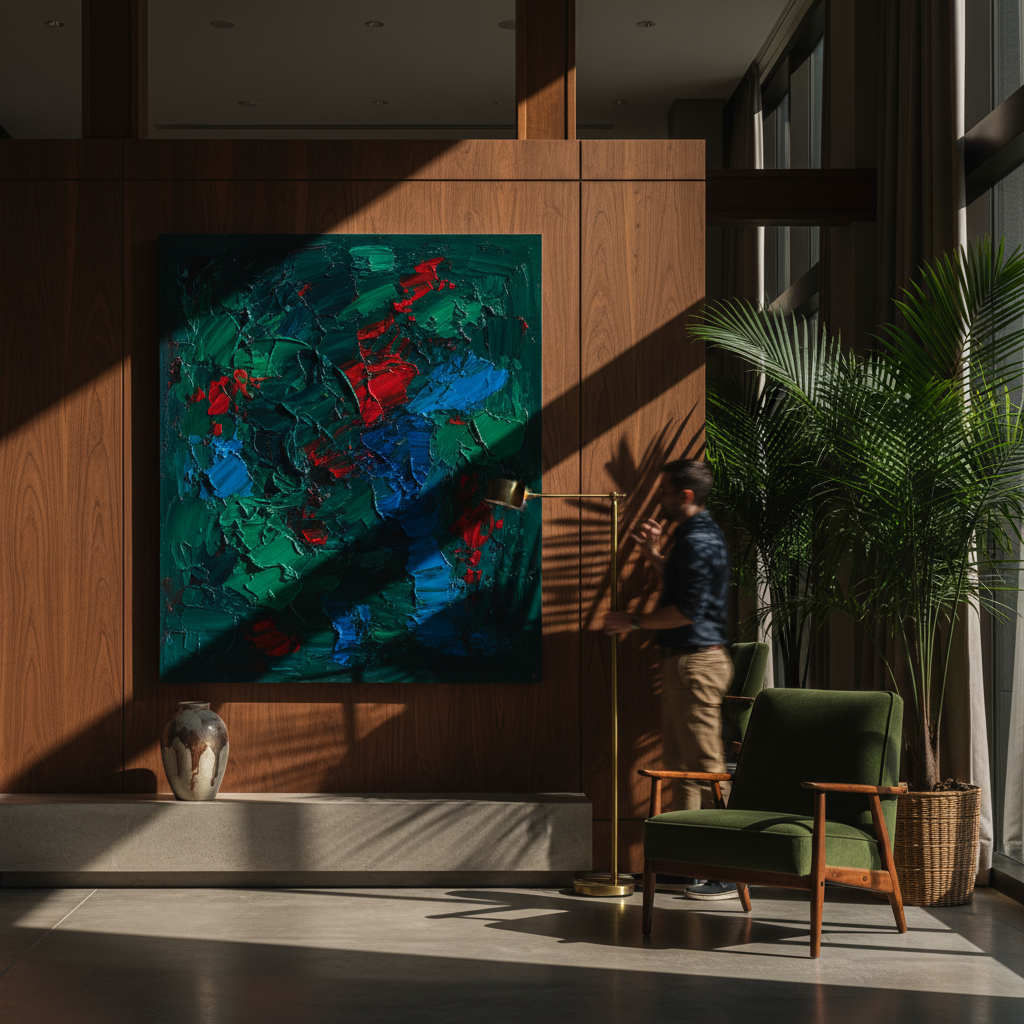
Today’s abstract artists embrace a rich toolbox of new and evolving practices.
- Textures & Layering: Techniques like impasto and mixed media offer pronounced relief, while layering methods (such as glazing and scumbling) create luminous depth.
- Color Mixing & Harmony: Leveraging the colour palette, artists manipulate contrasting colors and color symbology for heightened visual effects. The color wheel informs bold color contrasts, producing dynamic impact and aligning with both modern and earthy color palettes.
- Innovative Methods: Many now use unconventional materials and digital technology alongside physical tools. Palette knife painting, continuous line drawing, and gestural painting redefine traditional approaches.
- Digital Influence: Modern abstract art often fuses physical techniques with digital media, expanding creative possibilities.
Case studies abound: Artists inspired by Jackson Pollock employ spontaneous application for dramatic results, while those following in van Gogh’s footsteps explore gestural, impasto techniques. Others are influenced by Op Art and Light and Space, developing works characterized by optical illusions or immersive luminosity. Each modern method serves as both visual tool and catalyst for personal artistic preferences and aesthetic contemplation.
Practical Application
Ready to apply these insights? Start by assembling quality oil paints, palette knives, brushes, and canvases. Here are actionable steps and exercises for hands-on learning:
- Step-by-step Guides: Try layering your paint thickly (impasto) with a palette knife, or experiment with mixed media by adding sand or textiles to the surface. Use dry brushing and glazing for subtle transitions.
- Practice Exercises: Work with the color wheel to create vivid color contrasts; choose a primary color and build a palette of complementary and earthy tones. Experiment with contrasting colors in bold shapes for Op Art-style effects. Practice continuous line drawing as an entry to gestural painting. Assign yourself studies that emphasize non-objective forms and visual representations over recognizable subjects.
- Tips for Experimentation: Layer paints using different tools, alter your colour palette mid-process, or work from an emotional prompt. Over time, these exercises refine painting skills and foster a unique artistic journey.
For those looking to elevate their results or commission custom oil on canvas abstract paintings for high-end interiors or hospitality spaces, exploring bespoke solutions from Lenoir Decor provides tailored artistry to match any ambiance or brand identity.
Conclusion
Ready to transform your approach to abstract oil painting? Abstract oil painting promises endless discovery—through historical inspiration, technical growth, and personal expression. Whether you’re looking to enrich your decorating projects or cultivate your painting skills, embracing both traditional and modern abstract art techniques unlocks new avenues of creativity. For unforgettable, handcrafted abstract art in oil painting that accentuates your commercial or hospitality setting, consider Lenoir Decor’s bespoke services—where visionary decor meets artisan craftsmanship.