French
 German
 Italian
 Arabic
 Japanese
 Spanish
 Korean
 Russian
 Portuguese
 Dutch
Dutch
 Norwegian
 Finnish
 Swedish


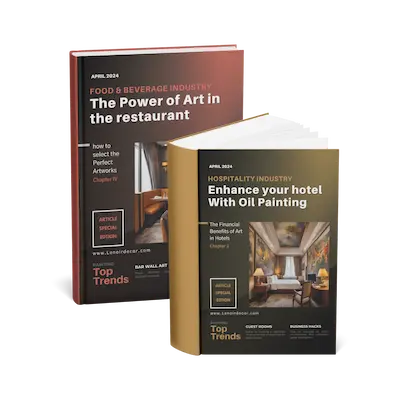
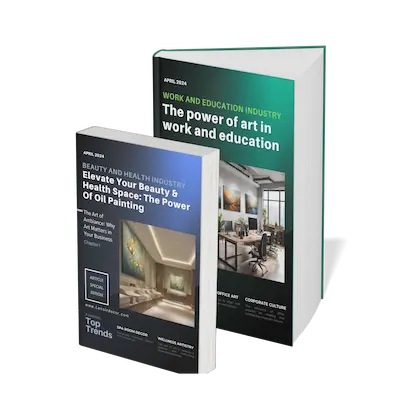


 Select the perfect handcrafted wall decoration pieces to enhance your business space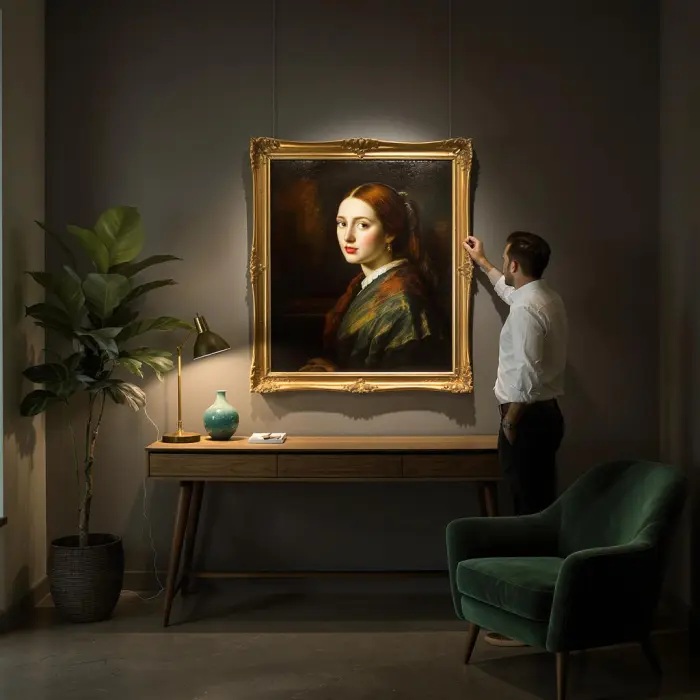
Unlock the secrets behind realistic oil painting and discover how artists have achieved breathtaking, true-to-life results for centuries. Realism in oil painting isn't just about capturing detail—it's about creating a personal, commissioned masterpiece that resonates with emotion and story. Whether you're an artist perfecting your technique or a B2B decision-maker looking to invest in custom oil paintings for your clients or business, this guide offers everything you need to master the craft. From the meticulous techniques of Old Masters to contemporary innovations at studios like Lenoir Decor, you'll learn how to blend traditional methods with modern efficiencies, taking your commissioned artwork to the next level.
Table of Contents
- Build the Foundation: Essential Materials, Surfaces & Preparation for Realism
- Master Core Techniques: Drawing, Value, and Layering for Realistic Depth
- Elevate Realism: Advanced Color, Glazing, and Light Effects
- Overcome Challenges & Advance: Tips, Case Study, and Community
- Frequently Asked Questions: Realistic Oil Painting Mastery
- Conclusion
Build the Foundation: Essential Materials, Surfaces & Preparation for Realism
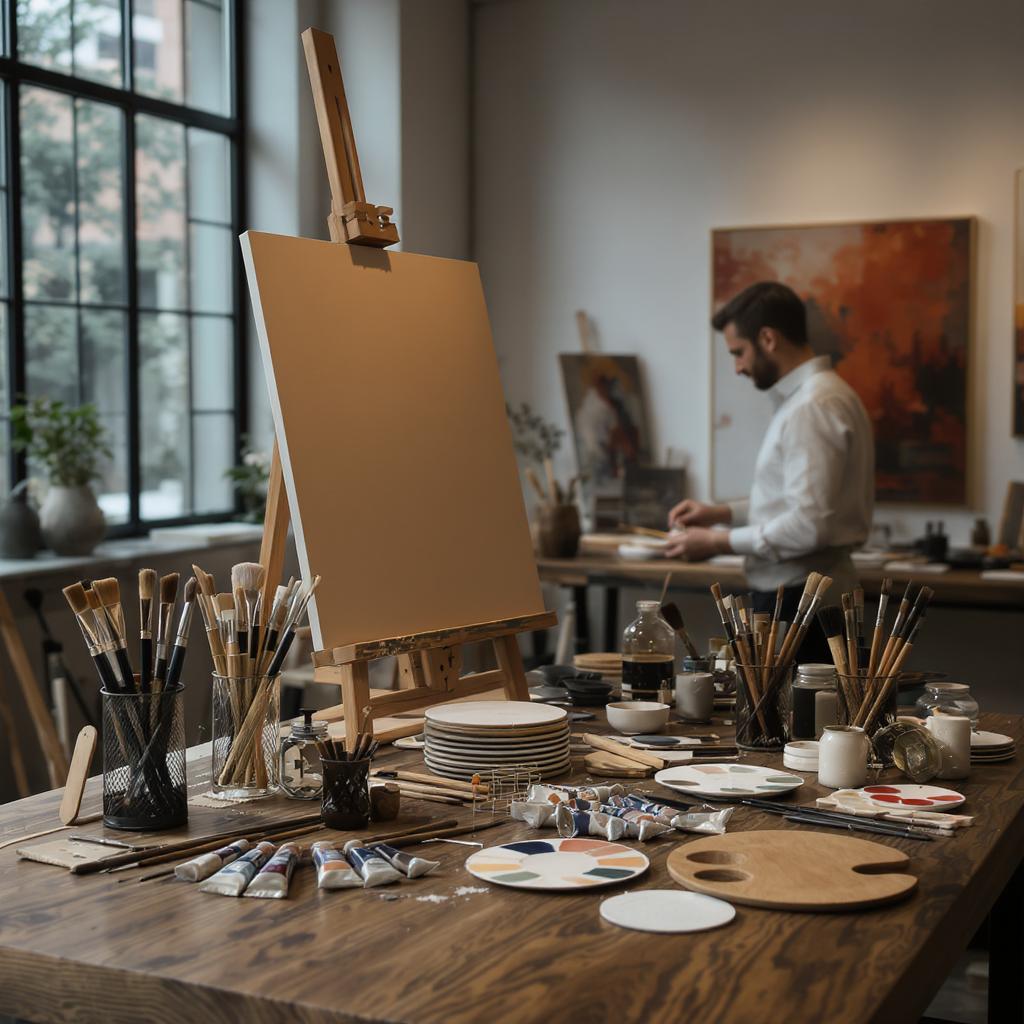
The journey to creating a breathtaking, realistic oil painting starts before the first brush stroke. Selecting the right painting surfaces shapes the level of detail and longevity of your work. Artists can choose between panels & canvas, wood panel, or other specialized surfaces; each has unique properties. Wood panels, for example, offer a rigid, ultra-smooth base ideal for fine detail, while canvas accommodates expressive brushwork but requires careful stretching and priming.
Priming is a vital step often performed with acrylic gesso or a traditional gesso coating to create a non-porous, receptive layer. This process not only protects the support but also ensures high adhesion and brilliance for every layer of paint that follows.
When selecting paints, always reach for high-quality oil paints to achieve luminous, lasting results. Essential pigments like Cadmium Red Medium, Prussian blue, Yellow Ochre, and burnt sienna form the backbone of a well-balanced palette. Incorporating linseed oil into your medium helps control viscosity and drying time, which is essential for the fat-over-lean layering principle. Remember, color harmony depends on both the pigments you use and the deliberate organization of your color wheel—and successful color mixing starts on the palette.
Brushes—ranging from soft sables for blending to stiff bristles for expressive textures—and tools like palette knives play integral roles. The palette knife, in particular, allows artists to sculpt and build texture for hyperreal effects, adding visual interest to the finished masterpiece. Setting up a system for organizing your palette, cleaning tools, and maintaining painting surfaces will pay dividends as techniques advance.
Master Core Techniques: Drawing, Value, and Layering for Realistic Depth
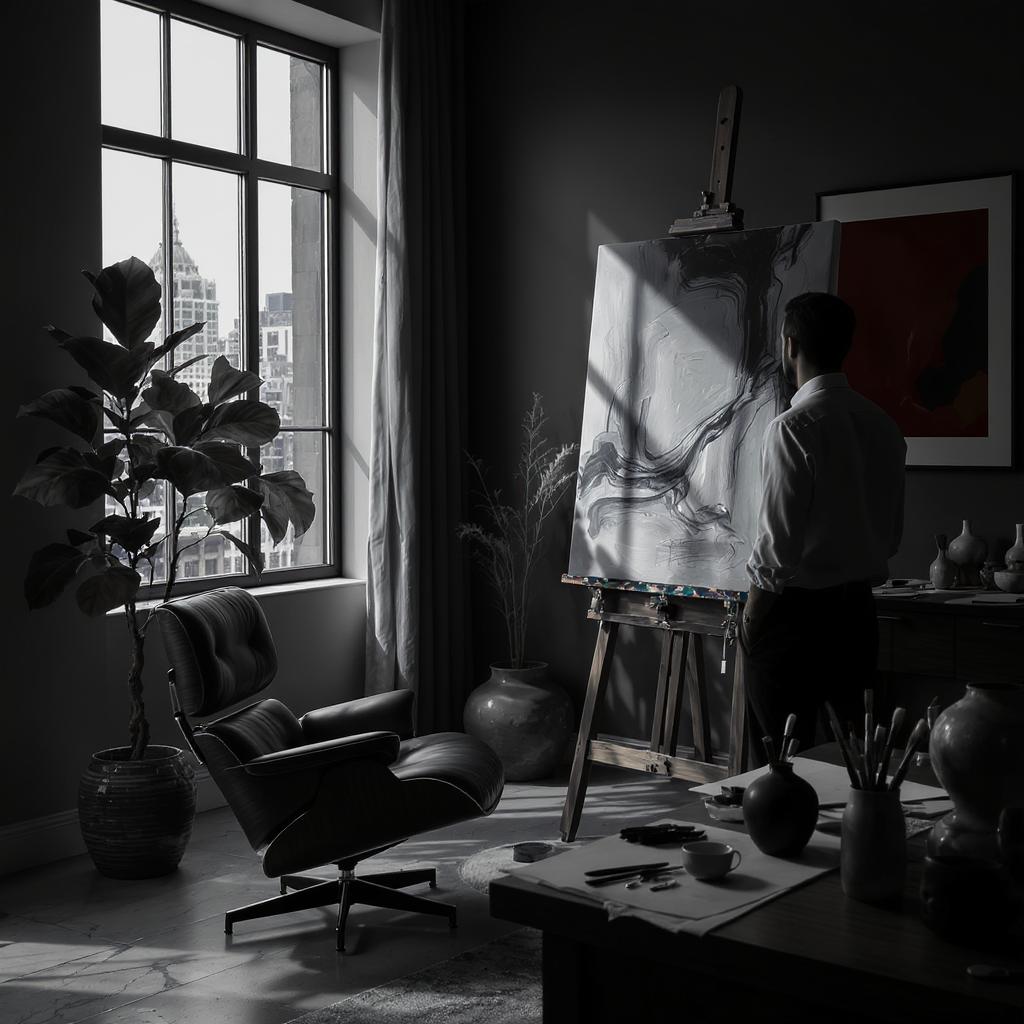
A solid foundation for realistic oil painting is built on accurate drawing, value structure, and correct proportions. Employing measuring techniques—such as comparative measurement or calipers—helps artists check the human form or precise facial proportions before painting begins. Many professionals use oil transfer methods to move refined sketches or digital references onto prepared panels.
Underpainting is a classical stage where the composition is mapped in grayscale (grisaille), establishing light, shadow, and form without distractions of color. This approach, vital in classical oil paintings, fosters accuracy and depth from the start. The process moves into the deliberate application of layers of paint, adhering to the fat-over-lean principle: laying down thin, lean paint layers first and gradually increasing oil content. This not only ensures structural integrity but also maximizes optical depth—a hallmark of museum-quality art.
Brush strokes are the life of your technique; whether smooth and blended for lifelike skin or textured for fabric and stone, they must be intentional. Techniques like scumbling (dry brushing) and sgraffito (scratching into wet layers) expand an artist’s ability to mimic reality. The palette knife can be used here as well, introducing texture or correcting form in ways that a brush cannot achieve. Regularly revisiting these basics, including consistent measurement of proportions and values, helps prevent errors and sharpens your skills for future projects.
Elevate Realism: Advanced Color, Glazing, and Light Effects
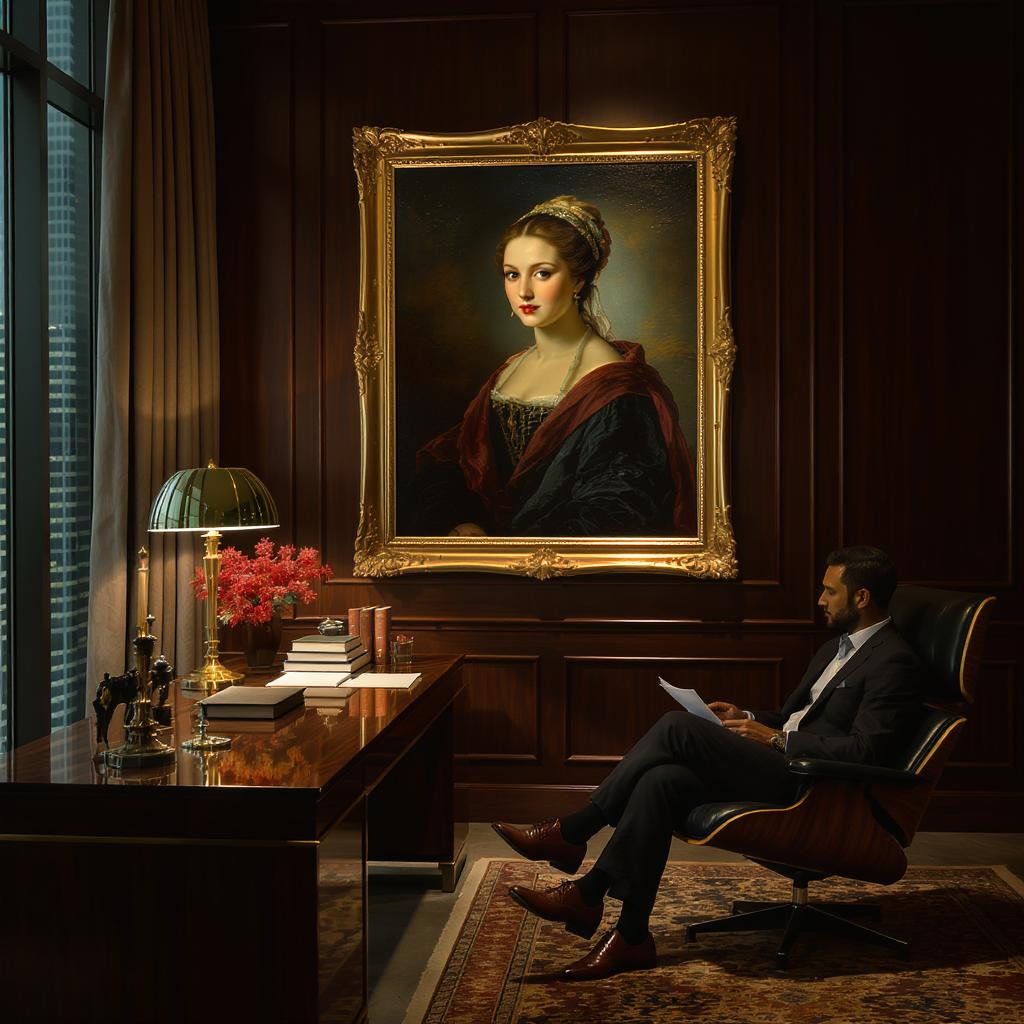
With the basics set, realistic oil painting comes to life through mastery of color and light. Applying color theory and the color wheel unlocks infinite harmonies—a skill refined by the Old Masters and still core to modern realism today. Color mixing, especially with foundational hues like Cadmium Red Medium, Prussian blue, burnt sienna, and Yellow Ochre, allows for subtle variations in skin tone and atmospheric effect. Achieving color harmony and controlling color saturation across a painting separates good work from exceptional masterworks.
Glazing and indirect painting techniques are prized for their capacity to emulate the luminous qualities of historical pieces. By building up transparent layers—each adjusting value and hue—artists create a vibrant, lifelike effect and can shift light or enrich shadow passages. The optical blending that occurs in such glazing is the secret behind works by the Old Masters and admired modern painters like Michael James Smith.
Lighting conditions are critical: artists often compare the impact of natural daylight lighting to controlled photography studio lighting, adapting their methods accordingly. In oil portrait painting, close attention must be given to lifelike rendering of the human form and subtle facial proportions. Capturing diverse lighting requires careful observation and nuanced technique in layer application, glaze formulation, and sometimes even in the use of photography as a high-fidelity reference. For those developing their skills, a masterwork download list offers direct visual study from the best, accelerating artistic intuition and problem-solving.
Overcome Challenges & Advance: Tips, Case Study, and Community
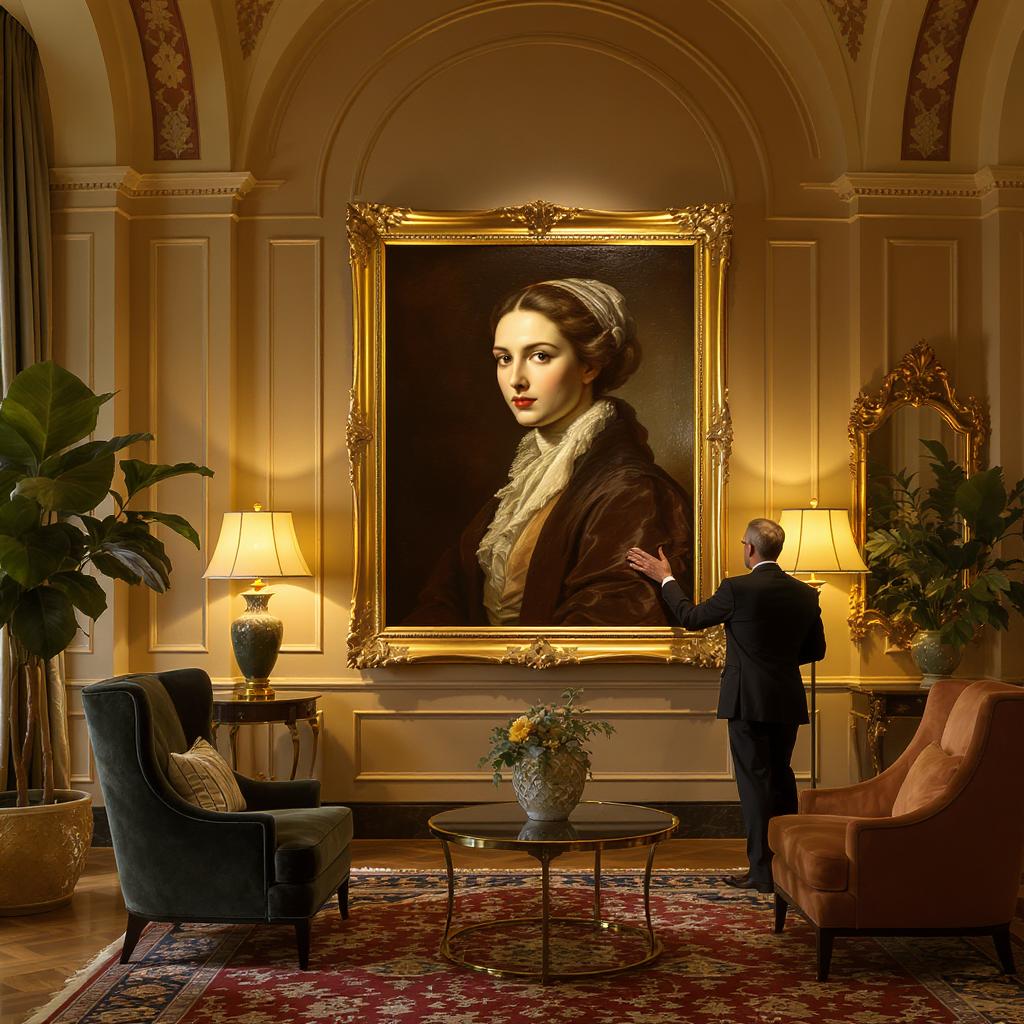
Even experienced artists encounter obstacles on the path to realistic oil painting mastery. Common issues include cracking (from improper layering or fast drying), muddied color from inadequate color theory or sloppy color mixing, and mistakes in human form or facial proportions. These can be resolved by revisiting measuring techniques, taking care with layers of paint, and ensuring adherence to the fat-over-lean principle. Avoiding overworking and knowing when to let a passage dry is essential for clean, vibrant results.
Best practices include establishing a regular routine of drawing or painting—such as daily sketching or quick studies of classical oil paintings. Many professionals photograph their subjects in controlled photography studio lighting for reference, translating that precision into paint while not being completely beholden to the photo. A safe, well-ventilated workspace, along with proper material storage, keeps the studio efficient and compliant with safety standards.
Consider a project commissioned by Lenoir Decor as a practical illustration. Imagine a hospitality space seeking a stunning, museum-quality centerpiece. The process moves from accurate preparatory drawings, through a carefully planned underpainting, to meticulous layering using high-quality oil paints and professional-grade palette knives. The finished work is not just decorative—it’s a memorable, lifelike presence rooted in centuries of artistic knowledge and cutting-edge technique.
Joining a private community—online art school forums, critique groups, or invitation-based professional networks—provides invaluable feedback and keeps creative momentum alive. Many artists benefit from peer review, sharing masterwork download lists, and growing their portfolios in safe, constructive spaces.
Frequently Asked Questions: Realistic Oil Painting Mastery
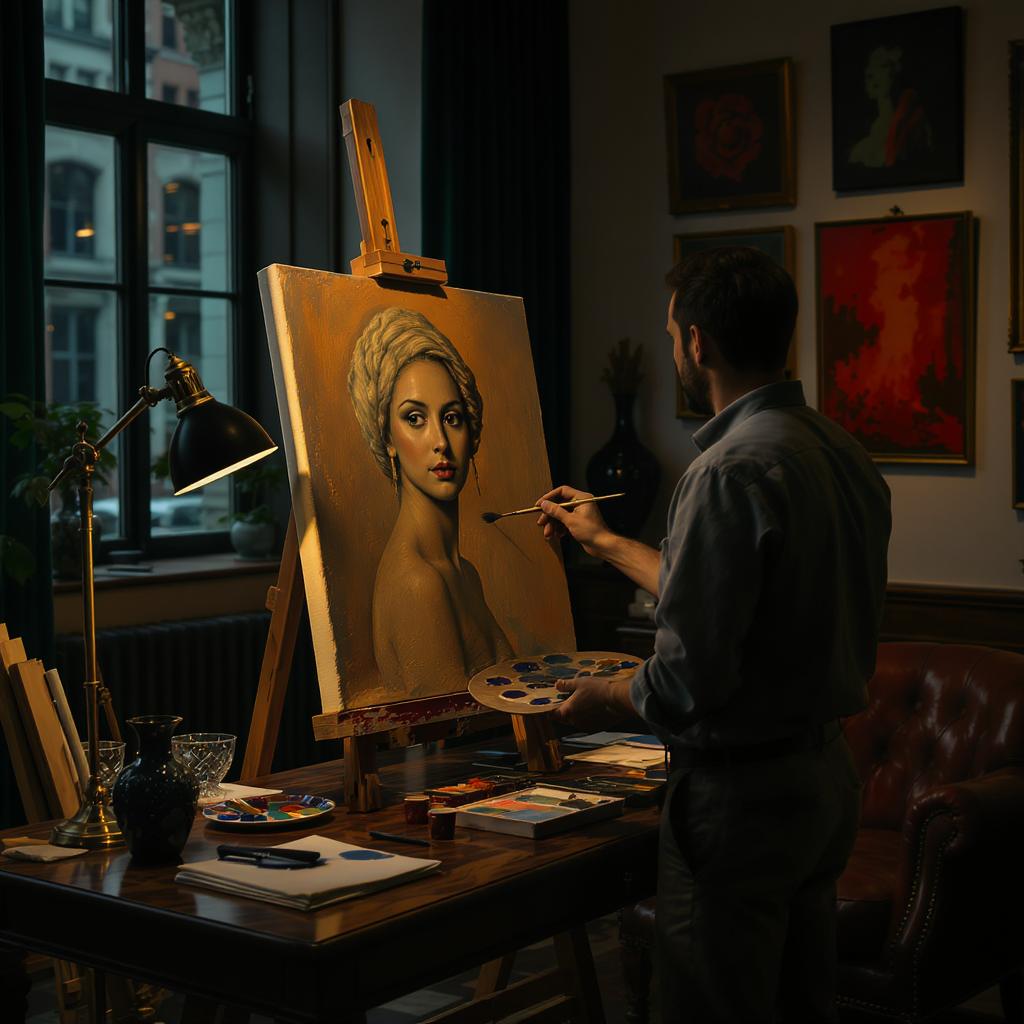
What’s the difference between direct and indirect painting techniques? Direct painting (alla prima) involves completing a work in a single session with wet-into-wet paint, while indirect painting breaks the process into layers, allowing each to dry before the next, incorporating glazes for depth and luminosity.
How do I prevent yellowing or cracking in oil paintings? Use only high-quality oil paints, avoid overusing linseed oil, apply the fat-over-lean method, ensure proper gesso coating/priming, and allow for adequate drying between layers. Avoid excessive heat or humidity in storage.
How do I choose the right surface—canvas, wood panel, or other? Wood panels excel in fine detail and archival quality. Canvas offers more texture and portability. Consider the artwork’s scale, exhibition purpose, and desired finish before choosing painting surfaces.
Can acrylic paints or acrylic gesso be used in realistic oil paintings? Acrylic gesso is a preferred modern primer for flexible surfaces. Acrylic paints can be used for underpainting, but always let them fully cure before applying oil layers. Never paint acrylic over oil.
How can I develop a unique style while pursuing realism? Study the Old Masters and renowned modern artists like Michael James Smith, focus on accurate drawing and core techniques, and experiment with color harmony and glazing. Over time, your approach and brushwork will naturally evolve through continuous learning, critique, and practice.
Conclusion
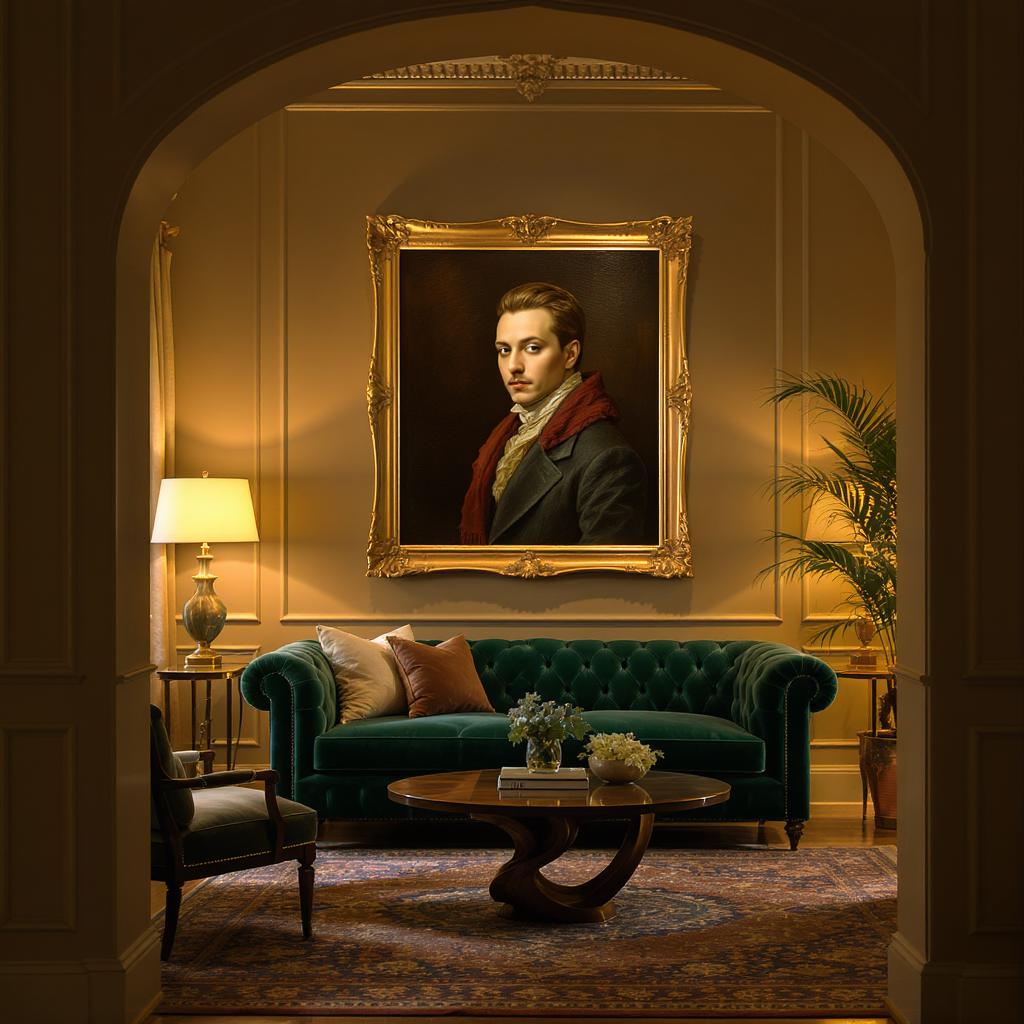
Elevate your next project with museum-level realism—start today. Mastering realistic oil painting means transforming your creative process with proven techniques, from choosing materials and preparing surfaces to layering, glazing, and capturing subtle light. Revisit the basics, embrace advanced skills, and take advantage of community resources like masterwork download lists, online art schools, and portfolio critique groups. For tailored solutions—whether for your private collection, commercial space, or bespoke commission—explore Lenoir Decor’s custom oil painting services, and let us help you bring fine art realism to your environment.
.webp)