French
 German
 Italian
 Arabic
 Japanese
 Spanish
 Korean
 Russian
 Portuguese
 Dutch
Dutch
 Norwegian
 Finnish
 Swedish


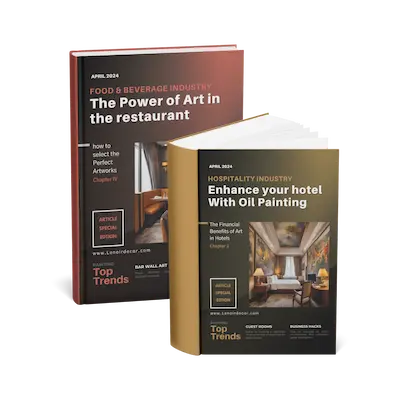
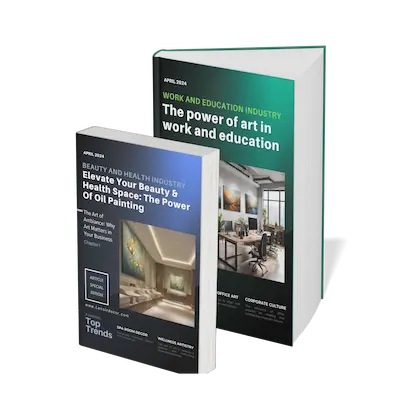


 Select the perfect handcrafted wall decoration pieces to enhance your business space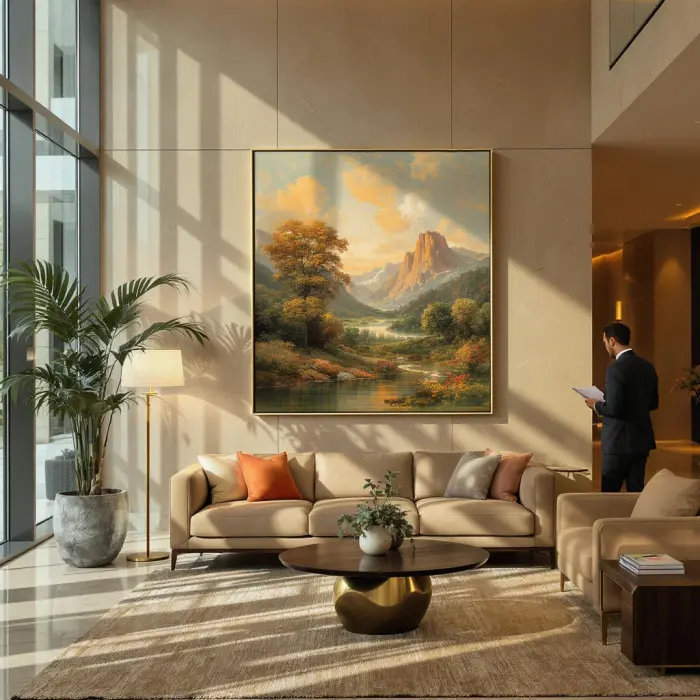
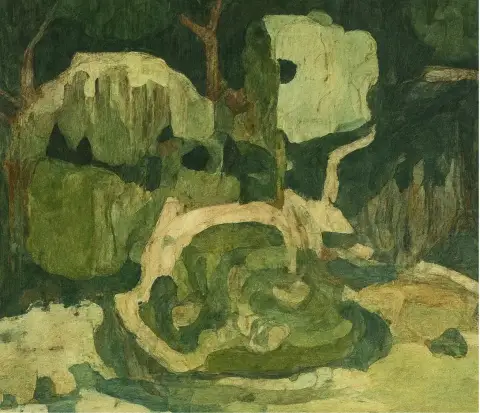
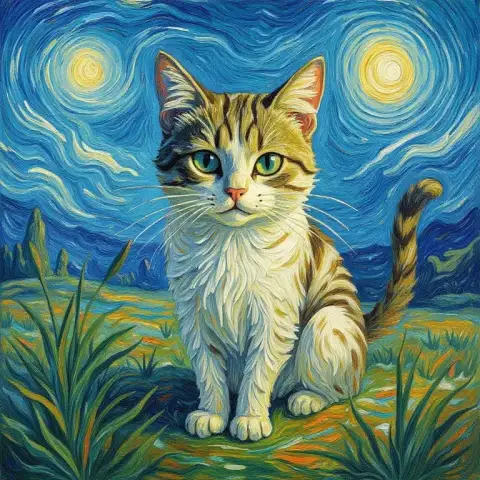
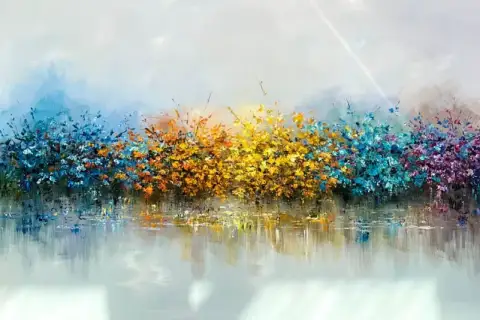
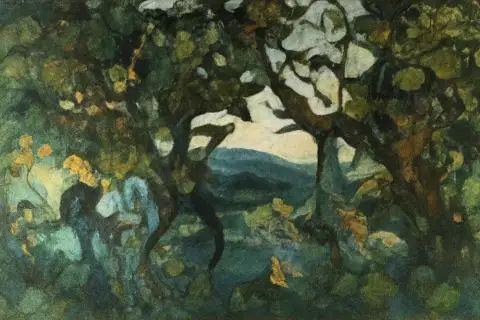
Landscape oil painting has an unmatched power to bring the serene grandeur, shifting moods, and captivating beauty of the outdoors onto canvas. Whether painted amid nature or in the studio, it remains the North Star for artists passionate about capturing the poetry of natural scenery. As a key form of commissioned art, landscape paintings offer endless opportunities to bring the beauty of nature into any space. At Lenoir Decor, our artists have translated over 3,000 stunning scenes into bespoke art for commercial spaces worldwide. This comprehensive guide will walk you through every stage of the landscape oil painting process—from foundational principles and essential supplies to advanced techniques, compositional secrets, and insider lessons from centuries of artistic tradition. Whether you’re commissioning artwork or crafting your own, this resource is designed to help you achieve professional, evocative results.
Table of Contents
- Decoding Landscape Oil Painting: Foundations, Styles & Modern Inspiration
- Gathering Materials & Planning: From Art Supply Store to First Sketch
- Mastering Techniques: Create Depth, Light, and Atmosphere in Nature Art
- Overcoming Challenges & Developing Your Artistic Voice
- Expert Tips, FAQ, and Practical Tools for Nature Art Success
- Conclusion
Decoding Landscape Oil Painting: Foundations, Styles & Modern Inspiration
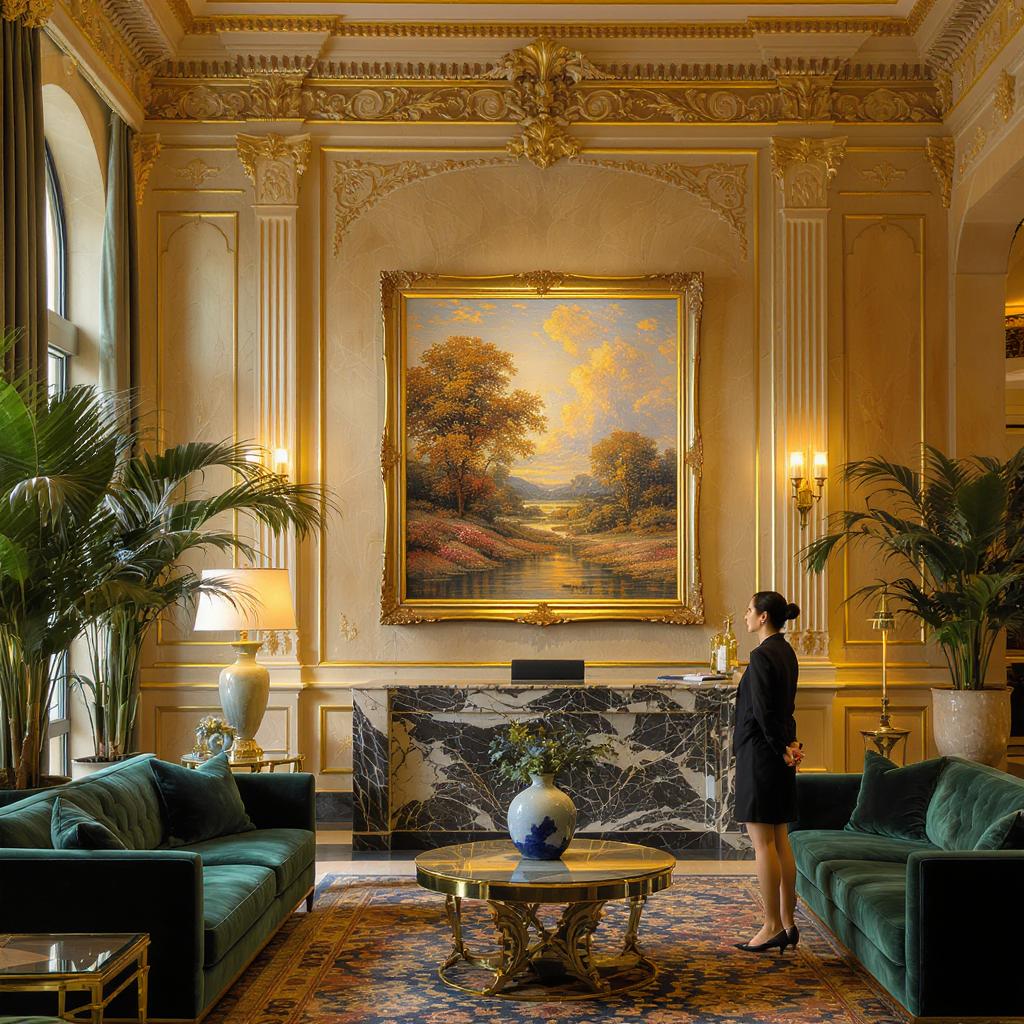
Landscape oil painting traces its roots to the Classical Era, gaining prominence through the Renaissance and evolving into a core pillar of the art world. The art of landscape painting involves representing sprawling vistas, weather effects, and fleeting light, balancing technical mastery with visual poetry. Artists like Leonardo da Vinci pioneered linear perspective, while the Impressionists—such as Claude Monet with his famed 'Water Lilies'—emphasized atmosphere, color harmony, and the ephemeral.
Today, artistic expression in landscape oil painting spans Realism, Impressionism, and Plein Air approaches. Realists focus on depicting landscape art with accurate value structure, horizon lines, and vanishing points. Impressionists, such as the plein air painters, prize the artistry of outdoor painting—capturing the atmosphere, shifting light and shadow, time of day, and unique color schemes dictated by ever-present weather effects.
Modern artists frequently blend these traditions, using master studies to learn core painting techniques and developing personal voice through creative “block studies.” By reinterpreting motifs from nature—be it a shimmering lake at water level or a dramatic mountain skyline—artists create custom compositions for homes and corporate offices alike.
Gathering Materials & Planning: From Art Supply Store to First Sketch
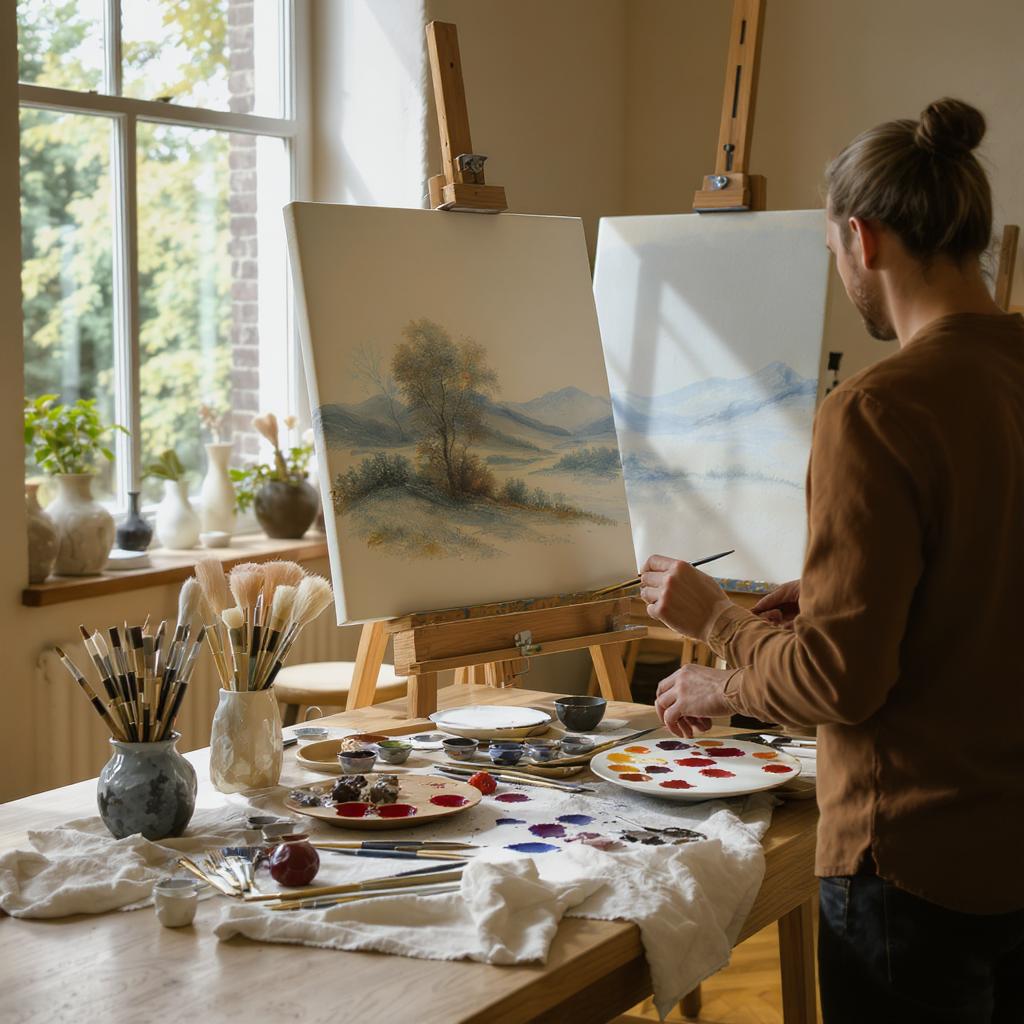
Every landscape oil painting begins with a thoughtful selection of materials. At the art supply store, prioritize professional oil paints for lasting vibrancy and mixability. Key pigments such as cadmium red dark, mars black, and red oxide deliver strong foundational colors, while a well-rounded palette supports versatile color study and color pairs for dynamic color schemes.
Essential tools for painting techniques include fan brushes for foliage effects, dry brush methods for textural grass, and palette knives for expressive mark-making. Reliable painting surfaces—cotton canvases, linen panels—must be primed for either studio or plein air work. For those intrigued by outdoor painting, portability is crucial; pack lightweight easels and secure painting surfaces for varying weather effects.
Preparation ensures efficient and inspired creation: organize your studio or plein air kit with adequate lighting, safe storage for oil paints and palette knives, and strategies for quick cleanup. Before committing oil to canvas, plan through value studies and block studies. Sketch layout decisions with precise horizon lines and vanishing points, confidently placing a compelling focal point according to the Rule of Thirds. By leveraging color theory, study harmonious color pairs, and anticipate how different times of day and weather impact your palette choices.
Mastering Techniques: Create Depth, Light, and Atmosphere in Nature Art
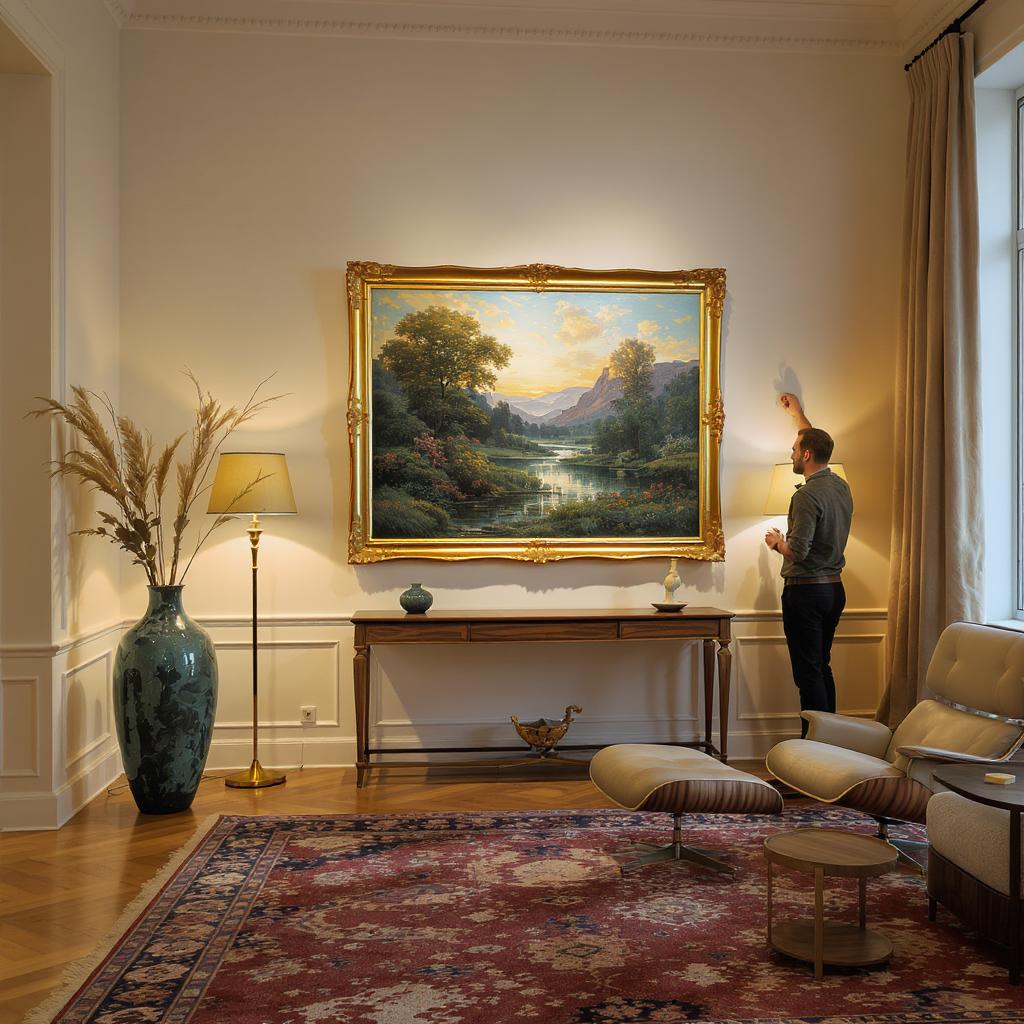
Professional-level landscape oil painting relies on refined painting techniques and an understanding of spatial and atmospheric illusions. Achieve creating depth by layering cool colors and softened edges into the distance (atmospheric perspective), using linear perspective for roads or rivers, and anchoring scenes with water level cues. Realistic value structure—the mapping of lights and darks—serves as the backbone, informed by dedicated value studies.
Re-create the magic of light and shadow by observing subtle shifts during sunrise, golden hour, and twilight. Accurate color harmony is achieved by strategic color study: adjusting color schemes for the feel of a crisp morning versus a luminous afternoon. Glaze effects and impasto styles introduce texture, while the dry brush technique accentuates grass, bark, and clouds.
The step-by-step process starts with an underdrawing that lays out the composition. Next, establish values with a thin wash of mars black or red oxide. Build form by “blocking in” masses of color with larger brushes or palette knives, refine edges, then add accents with a fan brush. Details and final highlights come last. For longevity, finish with protective varnishing—ensuring your landscape art resists dust and UV exposure.
Overcoming Challenges & Developing Your Artistic Voice
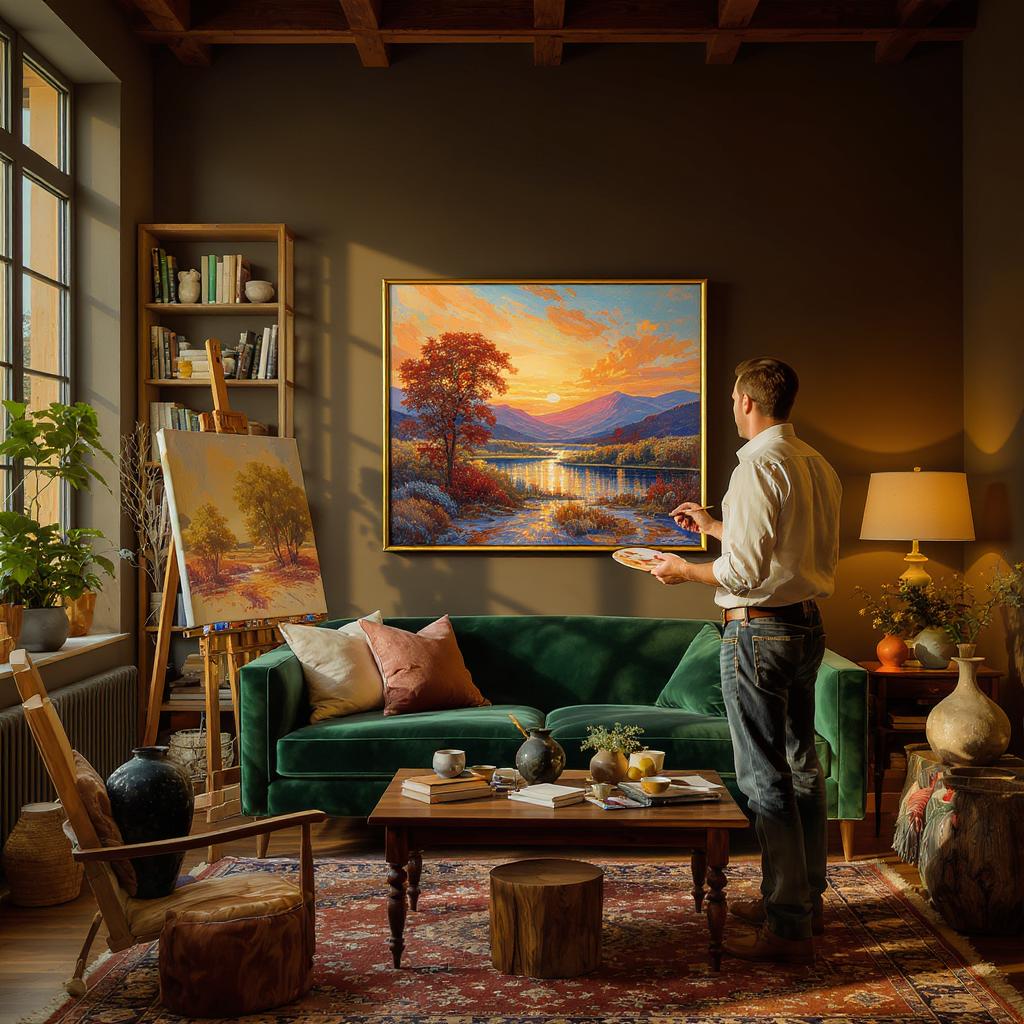
Even experienced artists encounter hurdles like muddy colors (from incorrect color pairs or over-mixing), perspective errors, or paintings that feel "flat" due to inadequate value structure or neglecting weather effects. Lenoir Decor artists recommend identifying the focal point early and using value studies to resolve depth issues, or applying dry brush and palette knives for rescuing texture in problem areas.
Growth as an artist hinges on experimentation—merging reference observation with memory and imagination. Exploring acrylic painting alongside oils can spark fresh techniques or palette ideas. Create personal color schemes by balancing traditional master studies with your own artistic expression, and recognize the role of happy accidents in developing your style.
Stay inspired by connecting with fellow plein air painters, enrolling in workshops, sharing work in critique groups, and referencing online tutorials. The landscape oil painting community thrives on support, innovation, and the shared pursuit of visual poetry.
Expert Tips, FAQ, and Practical Tools for Nature Art Success
- Color study: Test color harmony and value structure using block studies or master studies before painting.
- Storing oil paints: Store tubes in sealed containers, away from heat and direct sunlight, to preserve pigment quality.
- Finishing techniques: Allow paintings to dry completely before varnishing and display them in rooms with stable temperature and humidity.
- Checklist highlights: Select high-quality oil paints, set up a well-lit workspace, conduct value studies, and plan your composition with the Rule of Thirds and horizon lines for a powerful focal point.
Frequently Asked Questions:
- Essential landscape oil painting techniques include layering for depth, value structure, dry brush for texture, and palette knife for impactful marks.
- Creating convincing depth and atmosphere rests on color theory, linear perspective, and keen observation of light and shadow.
- Beginners should start with versatile colors such as cadmium red dark, mars black, red oxide, and a selection of large and small brushes, including a fan brush.
- Plein air painting involves making rapid decisions outdoors, while studio painting offers controlled, detailed methods.
- Choose a focal point based on natural features (bold trees, distant buildings) or light patterns, placing it using the Rule of Thirds.
Resource Toolkit:
- Download free value study and composition templates from trusted art platforms.
- Explore books on color theory, painting techniques, and the works of Monet or da Vinci for deep understanding.
Case Study Highlight:
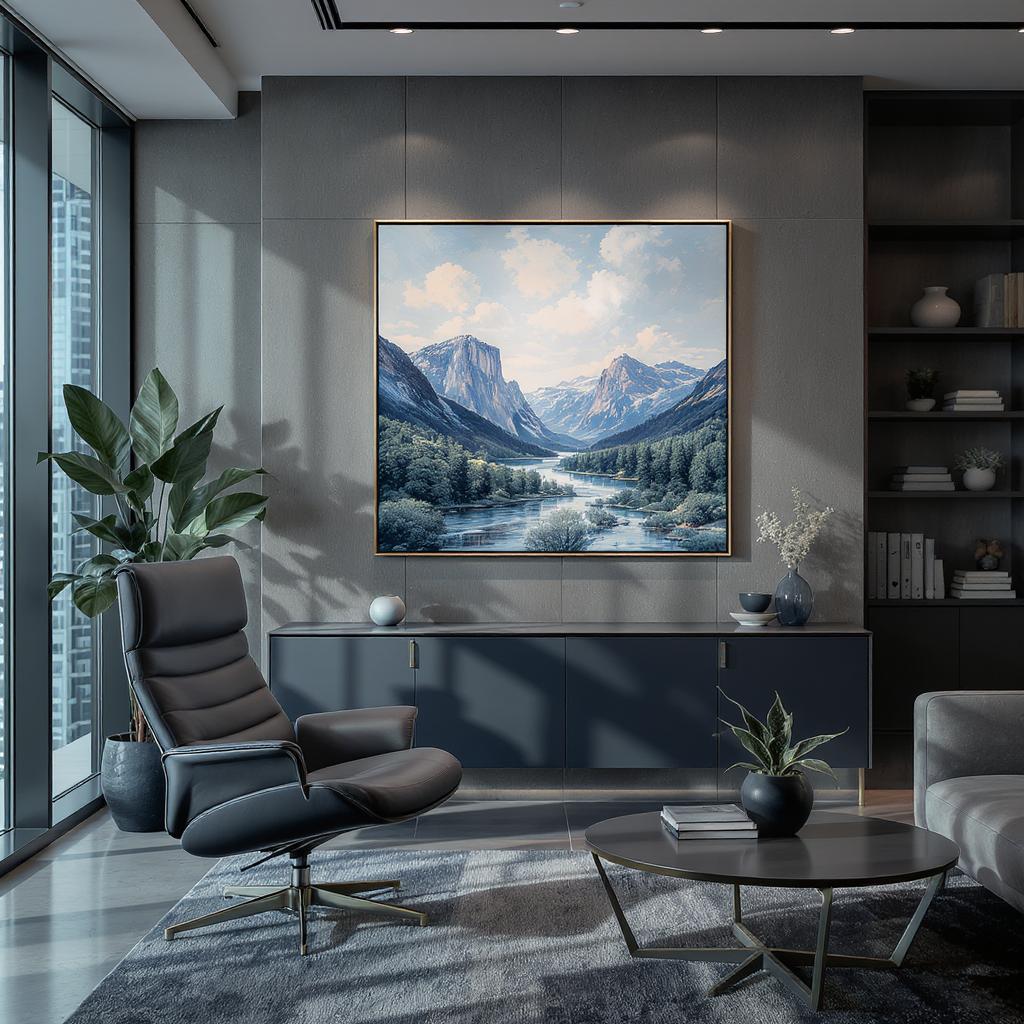
- Lenoir Decor recently partnered with a corporate client to design bespoke landscape paintings for their offices. The project encompassed custom color schemes reflecting brand identity, scenes inspired by local geography, and painting techniques tailored for harmony and ambiance—demonstrating how collaborative art creation elevates mood, culture, and brand distinction.
Conclusion
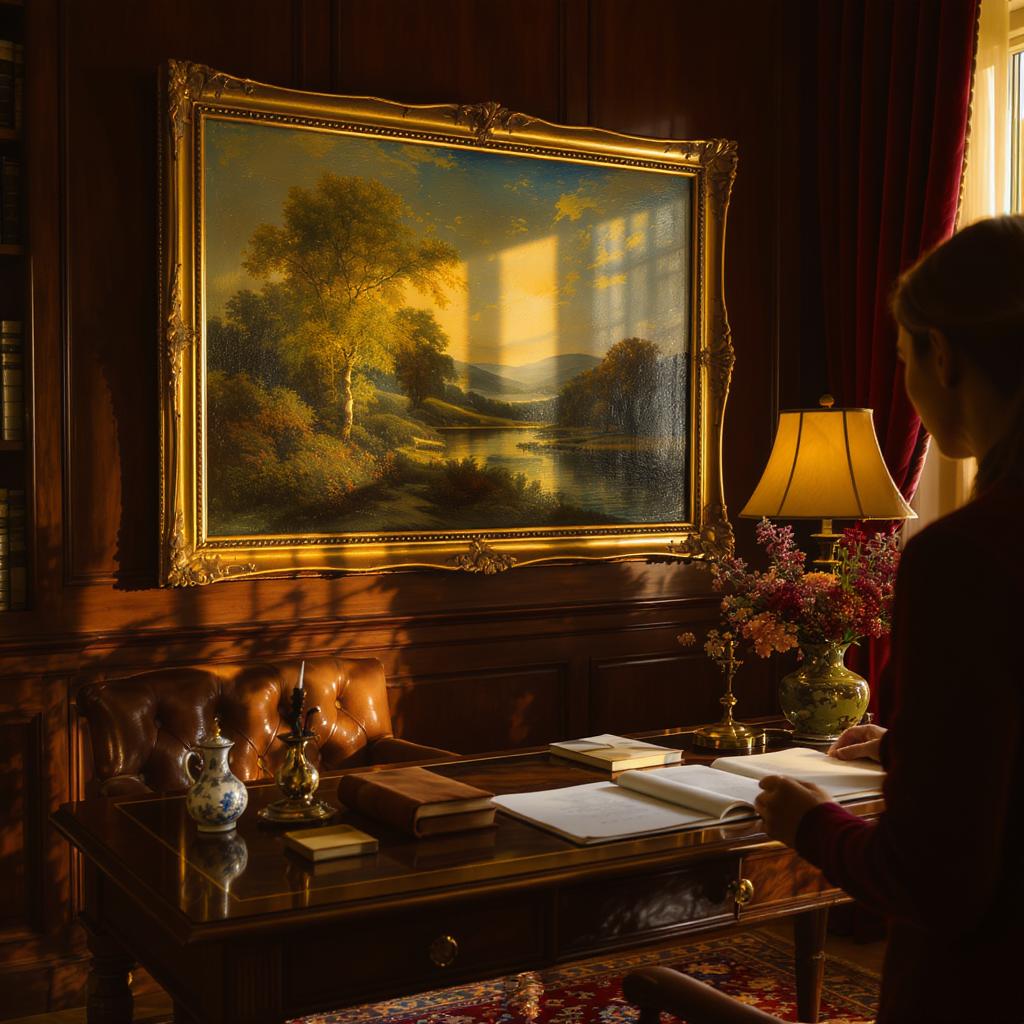
Let your artistic adventure in landscape oil painting begin today. With knowledge, inspiration, and expert support from Lenoir Decor, you’re equipped to create, commission, or enhance nature art that truly resonates. Transform your space with landscape oil painting—your vision, amplified by craftsmanship and tradition.