French
 German
 Italian
 Arabic
 Japanese
 Spanish
 Korean
 Russian
 Portuguese
 Dutch
Dutch
 Norwegian
 Finnish
 Swedish

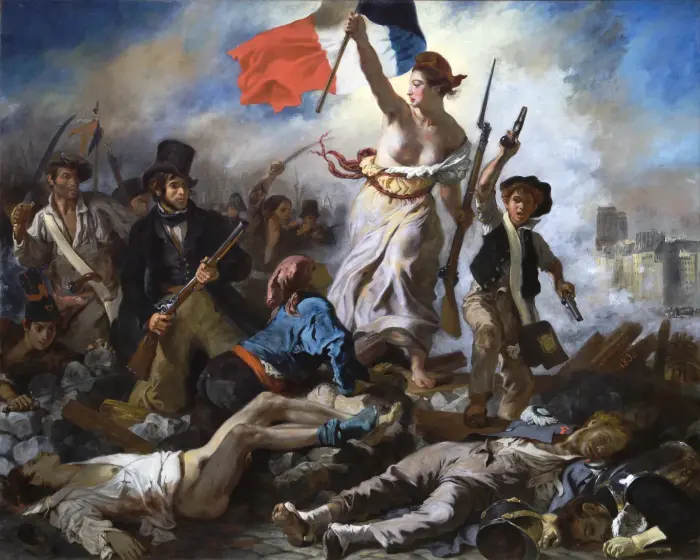
Table Of Content
- What Transforms Great Art Into Timeless Icons
- Famous Paintings of the Renaissance: Birth of Western Art Mastery (1400-1600)
- From Baroque Drama to Impressionist Light: Evolution of Famous Paintings
- Modern Art's Bold New Language
- Revolutionary Masterpieces That Transformed Art Forever
- Where These Famous Paintings Live Today
- The Digital Revolution in Art Appreciation
- Bringing Museum-Quality Art Into Your Home
- Conclusion
What makes certain paintings so revolutionary that they forever alter the course of art history? From Leonardo da Vinci's groundbreaking sfumato technique in the Mona Lisa to Picasso's radical fragmentation in "Les Demoiselles d'Avignon," some artworks didn't just capture their era—they shattered artistic conventions and redefined what painting could be. These game-changing masterpieces represent pivotal moments when individual genius collided with cultural necessity, creating works that didn't simply follow art history but actively rewrote its rules.
The concept of "history-changing paintings" goes far beyond popularity or museum attendance figures. According to recent data from the International Association of Art Museum Directors, while the world's most visited artworks draw over 30 million viewers annually, the truly transformative paintings are those that introduced new techniques, sparked entire artistic movements, or fundamentally altered how we perceive visual art. The Louvre's 9.6 million annual visitors may come to see the Mona Lisa, but they're witnessing a work that revolutionized portrait painting through its psychological depth and innovative sfumato technique—changes that influenced centuries of artists.
Understanding what transforms a painting into a historical game-changer requires examining the explosive intersection of artistic innovation, cultural timing, and revolutionary technique. The most influential paintings in history share a common thread: they didn't just reflect their era—they actively disrupted established artistic order. Whether introducing groundbreaking techniques, challenging social conventions, or creating entirely new ways of seeing, these works became catalysts that pushed art into uncharted territory.
What Transforms Great Art Into Timeless Icons
The journey from canvas to cultural icon involves a complex alchemy of factors that extend far beyond the artist's studio. Technical mastery, while essential, represents only the foundation upon which true greatness builds. The most famous artworks in history demonstrate a unique ability to speak across time, transcending the specific circumstances of their creation to address universal human experiences.
Consider the phenomenon of the Mona Lisa's fame. While Leonardo da Vinci's technical brilliance created a masterpiece, the painting's journey to global icon status involved unexpected twists of history. The 1911 theft by Italian handyman Vincenzo Peruggia transformed a renowned but relatively quiet masterpiece into a worldwide sensation. Newspapers across continents covered the story, and when the painting was recovered two years later, it had achieved a level of fame that no artwork had ever experienced. This incident illustrates how fame in art often requires the perfect storm of artistic excellence, historical circumstance, and public fascination.
.webp)
Mona Lisa - Leonardo da Vinci View Price & Purchase
The emotional resonance of great art plays an equally crucial role in determining lasting fame. Recent neuroscience research from Stanford University reveals that viewing great art activates the brain's reward centers in ways similar to falling in love or listening to beautiful music. When participants viewed paintings by masters like Monet or Picasso, brain scans showed increased activity in areas associated with pleasure, memory formation, and emotional processing. This scientific validation helps explain why certain paintings feel immediately familiar even to first-time viewers—they tap into something fundamental about how our brains process beauty and meaning.
Innovation has consistently marked the path to artistic immortality. The greatest paintings often introduced techniques, perspectives, or subject matters that fundamentally changed how we see art. Caravaggio's dramatic use of light and shadow influenced centuries of painters. Monet's quick brushstrokes and outdoor painting sessions launched the entire Impressionist movement. Picasso's fragmented forms in "Les Demoiselles d'Avignon" shattered traditional perspective and helped birth Cubism. These works didn't just follow artistic conventions—they rewrote them entirely.
Famous Paintings of the Renaissance: Birth of Western Art Mastery (1400-1600)
The Renaissance period fundamentally transformed Western art by merging scientific inquiry with artistic expression. This era produced some of the most famous paintings ever created, establishing techniques and standards that continue to influence artists today. The period's emphasis on humanism, scientific observation, and technical innovation created the perfect conditions for artistic genius to flourish.
Leonardo da Vinci's Enduring Legacy
Leonardo da Vinci stands as perhaps the ultimate Renaissance figure, combining artistic genius with scientific curiosity in ways that produced timeless masterpieces. His approach to painting involved unprecedented levels of observation and experimentation. For the Mona Lisa, da Vinci spent over four years perfecting his revolutionary sfumato technique—a method of soft, almost imperceptible transitions between colors and tones that created the painting's famous atmospheric quality.
The technical innovations in da Vinci's work extended far beyond artistic technique. His anatomical studies, based on actual dissections, brought unprecedented realism to his human figures. The Last Supper demonstrates his mastery of linear perspective, psychological drama, and compositional balance. Despite being painted on a monastery wall in Milan, this masterpiece continues to attract over 300,000 visitors annually, testament to its enduring power to move and inspire viewers.
.webp)
The Last Supper - Leonardo da Vinci View Price & Purchase
Da Vinci's notebooks reveal an artist obsessed with understanding the natural world. His studies of water flow informed the backgrounds of his paintings, while his observations of facial muscles contributed to the subtle expressions that make his portraits so compelling. This scientific approach to art created works that feel both deeply human and mysteriously eternal.
Michelangelo's Divine Touch
While primarily known as a sculptor, Michelangelo's paintings represent some of the most ambitious artistic undertakings in history. The Sistine Chapel ceiling, completed between 1508 and 1512, required the artist to paint over 5,000 square feet while lying on his back on scaffolding. The physical demands were matched by the intellectual challenge of creating a cohesive narrative that would inspire and educate viewers about biblical history.
The ceiling's most famous section, "The Creation of Adam," demonstrates Michelangelo's unparalleled understanding of human anatomy and divine symbolism. The near-touching fingers of God and Adam have become one of the most recognizable images in Western culture, symbolizing the spark of divine creativity that animates human life. The painting's composition, with its perfect balance of tension and harmony, continues to influence artists and designers centuries after its creation.
.webp)
"The Creation of Adam" - Michelangelo (part of Sistine Chapel) View Price & Purchase
Michelangelo's approach to painting reflected his background as a sculptor. His figures possess an almost three-dimensional quality, with bold modeling and powerful physical presence. This sculptural approach to painting influenced generations of artists and established new standards for depicting the human form in art.
From Baroque Drama to Impressionist Light: Evolution of Famous Paintings
The centuries following the Renaissance saw art evolving through distinct movements, each bringing new ways of seeing and representing the world. These periods produced many of the most famous paintings that continue to captivate audiences today.
The Emotional Power of Baroque Art
Baroque art emerged in the early 17th century as a response to the Protestant Reformation, emphasizing emotional intensity and dramatic storytelling. Artists like Caravaggio revolutionized painting through their use of chiaroscuro—dramatic contrasts between light and dark that created unprecedented emotional impact. Caravaggio's "The Calling of Saint Matthew" demonstrates this technique's power, with a shaft of divine light transforming an ordinary tavern scene into a moment of spiritual revelation.
.webp)
"The Calling of Saint Matthew" - Caravaggio View Price & Purchase
The Baroque period's emphasis on emotion and movement created paintings that seem to pulse with life. Rubens' large-scale works celebrate human vitality and natural abundance, while Rembrandt's portraits reveal the inner lives of their subjects with unprecedented psychological depth. These artists understood that great painting goes beyond mere representation—it must make viewers feel something profound.
The period's religious paintings often depicted biblical scenes with such vivid realism that viewers felt transported into the narrative. This emotional immediacy served the Catholic Church's goals during the Counter-Reformation but also established new standards for art's ability to move and transform its audience. The most famous Baroque paintings continue to demonstrate this power today, drawing millions of viewers who find themselves emotionally engaged with centuries-old stories.
Impressionism's Revolutionary Vision
The Impressionist movement of the late 19th century fundamentally changed how we understand painting itself. Rather than creating highly finished works in studios, artists like Claude Monet, Pierre-Auguste Renoir, and Edgar Degas took their easels outdoors to capture the fleeting effects of natural light. This revolutionary approach produced some of the most beloved and famous paintings in art history.
.webp)
Water Lilies series - Claude Monet View Price & Purchase
Monet's series paintings—including his famous Water Lilies and Haystacks—demonstrate the Impressionist fascination with how changing light transforms our perception of familiar subjects. By painting the same subjects at different times of day and in various seasons, Monet revealed that there is no single "truth" about how something looks. Instead, our perception constantly shifts based on light, atmosphere, and our own changing perspectives.
The Impressionists' loose brushwork and bright, pure colors initially shocked conservative critics but eventually revolutionized popular taste. Their paintings captured the energy and optimism of modern life in late 19th-century France, depicting cafes, theaters, gardens, and boulevards with an immediacy that made viewers feel present in these scenes. Today, Impressionist paintings rank among the most popular and expensive artworks in the world, with Monet's works regularly selling for over $100 million at auction.
Modern Art's Bold New Language
The 20th century brought unprecedented changes to art as artists grappled with industrialization, world wars, and rapidly changing social structures. This period produced some of the most famous and controversial paintings in history, works that challenged traditional concepts of beauty, representation, and art's role in society.
Pablo Picasso's "Les Demoiselles d'Avignon" (1907) stands as perhaps the most revolutionary painting of the modern era. By fracturing the human form into geometric shapes and presenting multiple perspectives simultaneously, Picasso shattered 500 years of Renaissance painting traditions. The work's aggressive departure from naturalistic representation initially shocked even Picasso's closest friends, but it opened the door to abstract art and fundamentally changed how artists approach their subjects.
.webp)
"Les Demoiselles d'Avignon" (1907) - Pablo Picasso
The emotional power of modern art often emerged from artists' responses to historical trauma. Picasso's "Guernica" (1937) transformed the horror of war into a powerful anti-war statement that transcends its specific historical context. Painted in response to the bombing of Guernica during the Spanish Civil War, the work's fragmented figures and stark black-and-white palette create a visual language for human suffering that remains powerfully relevant today.
Abstract Expressionist painters like Jackson Pollock and Mark Rothko created entirely new ways of making art. Pollock's drip paintings eliminate recognizable subjects entirely, instead using the physical act of painting itself as the work's content. Rothko's color field paintings use simple rectangles of color to evoke profound emotional and spiritual experiences. These artists demonstrated that painting could move beyond representation to become a direct expression of human consciousness and emotion.
Revolutionary Masterpieces That Transformed Art Forever
Rather than simply listing famous paintings by popularity, understanding art history requires examining specific works that served as turning points—moments when a single canvas redirected the entire trajectory of artistic development. These revolutionary masterpieces didn't achieve fame through marketing or cultural accidents; they earned their place in history by fundamentally changing how artists approach their craft.
The Mona Lisa: The Birth of Psychological Portraiture
Leonardo da Vinci's portrait of Lisa Gherardini didn't just become the world's most viewed painting—it revolutionized portraiture by introducing psychological depth that had never been achieved before. Da Vinci's innovative sfumato technique created subtle transitions between light and shadow that gave the subject an unprecedented sense of inner life. Before the Mona Lisa, portraits were largely formal representations of status or religious devotion. Da Vinci's breakthrough demonstrated that painting could capture not just physical likeness but the mystery of human consciousness itself, establishing a new standard that influenced portrait painters for centuries.
Van Gogh's "The Starry Night": Emotion as Visual Language
Van Gogh's 1889 masterpiece transformed how artists understood the relationship between emotion and visual representation. Painted during his stay at Saint-Rémy-de-Provence, the work abandoned naturalistic representation in favor of expressive brushwork that made feeling visible. Van Gogh's characteristic swirling strokes didn't just depict a nighttime scene—they created a new visual language where paint application itself became the primary means of emotional expression. This breakthrough influenced the entire Expressionist movement and established the principle that subjective experience could be as valid as objective observation in art.
.webp)
"The Starry Night" (1889) - Vincent van Gogh View Price & Purchase
Edvard Munch's "The Scream" (1893) captures universal human anxiety in a way that transcends cultural boundaries. The work's simplified forms and intense colors create an immediate emotional impact that needs no explanation. The painting's iconic status was further cemented when one version sold for $119.9 million in 2012, making it one of the most expensive paintings ever sold at auction.
.webp)
"The Scream" (1893) - Edvard Munch
Johannes Vermeer's "Girl with a Pearl Earring" (c. 1665) demonstrates how technical mastery combined with mysterious subject matter can create lasting fascination. Vermeer's masterful use of light and his subject's enigmatic gaze have inspired countless interpretations, including Tracy Chevalier's bestselling novel and subsequent film adaptation. The painting's intimate scale and psychological intensity continue to captivate viewers at the Mauritshuis in The Hague.
Picasso's "Les Demoiselles d'Avignon": The Destruction and Rebirth of Form
Pablo Picasso's 1907 breakthrough didn't just challenge artistic conventions—it obliterated them entirely. By fracturing the human form into geometric planes and presenting multiple perspectives simultaneously, Picasso single-handedly ended 500 years of Renaissance painting traditions. The work's radical departure from naturalistic representation initially shocked even Picasso's closest supporters, but it opened the floodgates to abstract art and fundamentally redefined what painting could represent. This single canvas launched Cubism and established the precedent that art could create new realities rather than simply copy existing ones.
These five paintings represent different approaches to achieving artistic immortality. Some, like the Mona Lisa, built fame gradually over centuries. Others, like "The Scream," achieved recognition more quickly by tapping into universal human experiences. All demonstrate how great art combines technical excellence with emotional resonance to create works that continue speaking to new generations of viewers.
Where These Famous Paintings Live Today
The world's most famous paintings reside in a select group of museums that have become pilgrimage destinations for art lovers. These institutions serve not only as repositories for cultural treasures but as bridges connecting contemporary audiences with humanity's greatest artistic achievements.
The Louvre Museum in Paris stands as the undisputed heavyweight of the art world. Housing over 380,000 works with 35,000 on display, the museum attracts nearly 10 million visitors annually. Beyond the Mona Lisa, the Louvre's collection includes ancient masterpieces like the Venus de Milo and contemporary giants like Delacroix's "Liberty Leading the People." The museum's renovation and expansion projects, including the famous glass pyramid entrance, demonstrate how traditional institutions can adapt to serve modern audiences while preserving their historical treasures.
.webp)
"Liberty Leading the People" - Delacroix (at the Louvre) View Price & Purchase
New York's Metropolitan Museum of Art offers perhaps the world's most comprehensive survey of global artistic achievement. With over 2 million works spanning 5,000 years, the Met provides context for understanding how artistic traditions developed across cultures and centuries. The museum's popular exhibitions regularly feature loans from other institutions, creating unique opportunities to see famous paintings in new contexts and relationships.
The National Gallery in London specializes in Western European painting from the 13th to 19th centuries, housing an unparalleled collection of Renaissance and post-Renaissance masterpieces. The gallery's relatively compact size makes it possible for visitors to encounter multiple world-famous paintings in a single visit. Works by da Vinci, Van Gogh, Monet, and Turner reside within walking distance of each other, creating opportunities for direct comparison between different artistic approaches and historical periods.
Madrid's Prado Museum offers the world's finest collection of Spanish painting, including comprehensive surveys of works by Velázquez, Goya, and El Greco. The museum's focus allows for deep exploration of Spanish artistic traditions while also featuring important works by Italian and Flemish masters. Visitors can trace the development of Spanish art from medieval times through the 19th century, seeing how international influences combined with local traditions to create distinctive national styles.
These major museums face ongoing challenges in balancing preservation with access. Climate control, security, and conservation require constant attention and significant resources. The most famous paintings often require special viewing conditions—the Mona Lisa sits behind bulletproof glass in a climate-controlled case, while many works by Van Gogh are displayed under carefully managed lighting to prevent color fading. These protective measures, while necessary, can create barriers between viewers and artworks that artists never intended.
The Digital Revolution in Art Appreciation
Technology has transformed how we experience and understand famous paintings in ways that would have seemed impossible just decades ago. High-resolution digital imaging allows us to examine artworks in unprecedented detail, revealing brushstrokes, color relationships, and even underlying compositions that are invisible to gallery visitors.
Google Arts & Culture has digitized over 40,000 artworks at gigapixel resolution, enabling viewers to zoom into paintings far beyond what the naked eye can perceive. This technology reveals the physical reality of how famous paintings were actually created—the buildup of paint layers, the direction of brushstrokes, even the texture of the canvas underneath. For "The Starry Night," viewers can examine each of Van Gogh's characteristic swirls and see how he built up the paint to create the work's distinctive texture and movement.
Virtual reality technology now enables immersive experiences that place viewers inside famous paintings or historical artist studios. The Louvre offers VR experiences that allow visitors to explore the museum's Egyptian collections or step inside Leonardo da Vinci's workshop. These technologies don't replace the experience of viewing original artworks but provide new ways of understanding artistic processes and historical contexts.
Artificial intelligence has begun contributing to art historical research in fascinating ways. Machine learning algorithms can analyze thousands of paintings to identify stylistic patterns, detect potential forgeries, or even predict how missing sections of damaged works might have originally appeared. These tools are helping scholars better understand artistic techniques, influences, and historical developments.
Social media has democratized art appreciation by making famous paintings accessible to global audiences regardless of their ability to visit major museums. Instagram accounts dedicated to art history regularly reach millions of followers, introducing famous paintings to audiences who might never have encountered them otherwise. This digital exposure has created new forms of art engagement, though it also raises questions about how screen viewing compares to experiencing original artworks in person.
Bringing Museum-Quality Art Into Your Home
The desire to live with beautiful art represents one of humanity's most enduring impulses. While original masterpieces remain accessible only to major institutions and the ultra-wealthy, high-quality reproductions offer a meaningful way to bring the beauty and inspiration of famous paintings into everyday life.
Understanding the difference between various reproduction methods helps in making informed decisions about art for the home. Hand-painted oil reproductions represent the closest approximation to original artworks, capturing not only the visual appearance but also the physical texture and depth that make paintings so compelling. Skilled artists recreate famous works using traditional techniques, building up paint layers and following the brushwork patterns of the original masters.
The process of creating a hand-painted reproduction requires significant time and expertise. A quality reproduction of Van Gogh's "Starry Night" might require 40-60 hours of work as the artist carefully studies the original's color relationships, brushwork patterns, and compositional elements. The best reproduction artists often specialize in particular periods or styles, developing deep understanding of specific techniques and materials.
Canvas prints and digital reproductions offer more affordable options but lack the dimensional quality and handmade character of painted works. These methods work well for certain decorative purposes but cannot provide the same visual and tactile experience as hand-painted pieces. Understanding these differences helps buyers choose reproductions that match their goals and budgets.
Framing and displaying art reproductions requires attention to both preservation and presentation. Quality frames protect artworks while enhancing their visual impact, but inappropriate framing can detract from even the finest reproductions. Professional framing services can guide decisions about matting, glass, and frame styles that complement specific artworks and interior designs.
The placement of art within living spaces significantly affects its impact and longevity. Direct sunlight can fade pigments over time, while excessive humidity can damage canvas and paint. Understanding these factors helps ensure that art investments maintain their beauty and value over time.
Many people find that living with reproductions of famous paintings deepens their appreciation for the originals. Daily exposure to these works reveals subtleties and details that single museum visits might miss. The opportunity to study favorite paintings at leisure, in comfortable surroundings, often leads to greater understanding and emotional connection with the artworks.
Quality art reproductions also serve educational purposes, particularly for families with children. Having famous paintings visible in the home naturally leads to conversations about art, history, and culture. Children who grow up surrounded by beautiful art often develop stronger aesthetic sensibilities and greater comfort with museums and cultural institutions.
The market for art reproductions has evolved significantly with online commerce, making it easier to research artists and compare quality levels. However, this convenience also requires careful evaluation of suppliers and products. The best reproduction studios provide detailed information about their processes, materials, and artists, often including progress photos and customer testimonials.
The world's most famous paintings continue to captivate us because they represent humanity at its most creative and expressive. From the technical innovations of the Renaissance to the emotional breakthroughs of modern art, these masterpieces demonstrate art's unique power to communicate across time and culture. Whether experienced in great museums or through quality reproductions in our homes, these works remind us of beauty's essential role in human life and our endless capacity for creative expression.
As technology continues expanding access to art and new generations of artists push creative boundaries, the definition of "famous paintings" will undoubtedly evolve. Yet the masterpieces discussed here have proven their staying power through centuries of changing tastes and values. They remain as relevant and moving today as when they first emerged from their creators' studios, testament to the enduring power of great art to inspire, challenge, and transform those who encounter it.
.webp)