French
 German
 Italian
 Arabic
 Japanese
 Spanish
 Korean
 Russian
 Portuguese
 Dutch
Dutch
 Norwegian
 Finnish
 Swedish


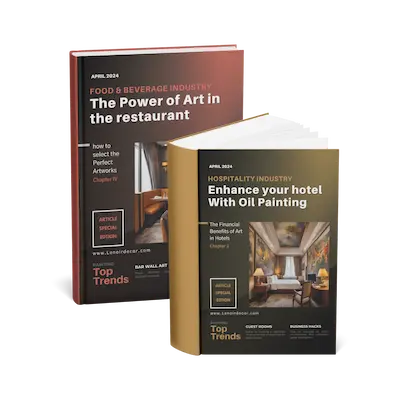
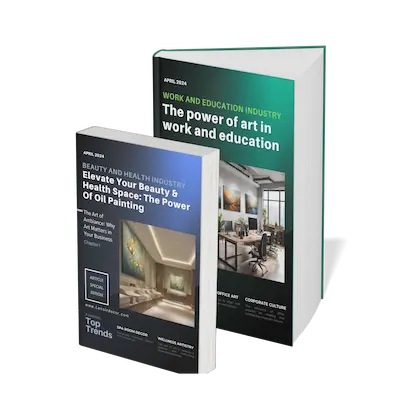


 Select the perfect handcrafted wall decoration pieces to enhance your business space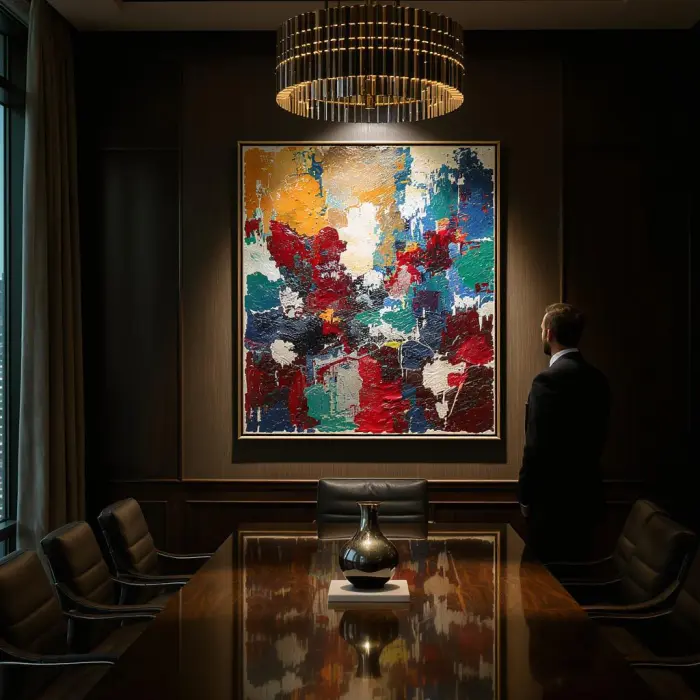
Impasto oil painting—with its bold textures and expressive brushstrokes—is more than just a visual experience; it's a sculptural statement that redefines how we connect with art. As the demand for commissioned oil paintings grows among collectors and interior designers seeking personalized, impactful pieces, impasto emerges as a standout technique that bridges tactile artistry with bespoke creative vision. In this article, we explore the rich history of impasto, essential tools and materials, step-by-step mastery, inspirational case studies, and expert tips for achieving professional-quality results. With Lenoir Decor’s renowned expertise in handmade custom impasto oil paintings for global B2B clients, transform your vision into museum-quality, textured masterpieces that elevate any environment.
Table of Contents
- Unveiling Impasto: Origins, Art History, and Aesthetic Impact
- Mastering Materials: Tools, Paints, and Setup for Textural Excellence
- Technique Mastery: Step-by-Step Impasto Processes and Advanced Approaches
- Inspiration & Application: Contemporary Case Studies and Visual Exploration
- Expert Tips, Best Practices, and Community Learning
- FAQ: Impasto Oil Painting Mastery
- Conclusion
Unveiling Impasto: Origins, Art History, and Aesthetic Impact
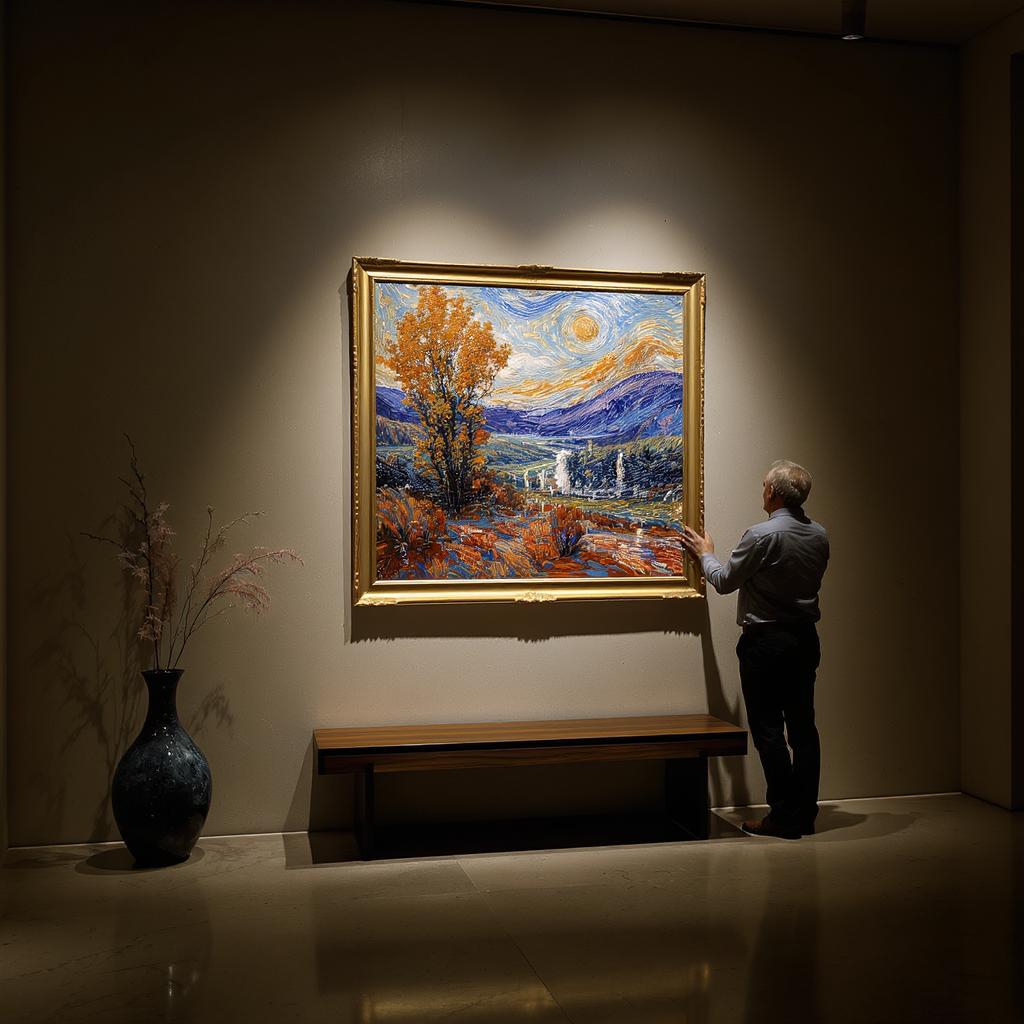
Impasto oil painting traces its roots back to the Venetian Renaissance, where artists like Titian and Tintoretto pioneered richly textured surfaces. The Old Masters and Baroque period further advanced the technique, embracing heavy brushstrokes and luminous layers of paint to dramatize religious and mythological scenes. Centuries later, Impressionist painting masters such as Claude Monet and Vincent van Gogh revolutionized impasto application with expressive gestures and pure, vibrant color. Van Gogh’s iconic works—especially 'Starry Night' and his evocative 'Self Portrait'—embody impasto’s raw intensity; similarly, Monet’s atmospheric landscapes showcase the transformative power of oil painting texture techniques.
In contemporary fine art, figures like LePrince Fine Art innovate further, blending historical approaches with new media and artistic styles. The visual impact of impasto emerges through visual composition, where thick paint manipulates light, shadow, and perception. Each interaction of color mixing and dynamic layering amplifies an artist’s gestural expression, underscoring the importance of color theory, color veils, and the tactile presence of paint. Impasto is a celebration of the natural world, artistic vision, and the expressive potential of the medium—producing a visual experience that resonates across cultures and eras.
Mastering Materials: Tools, Paints, and Setup for Textural Excellence
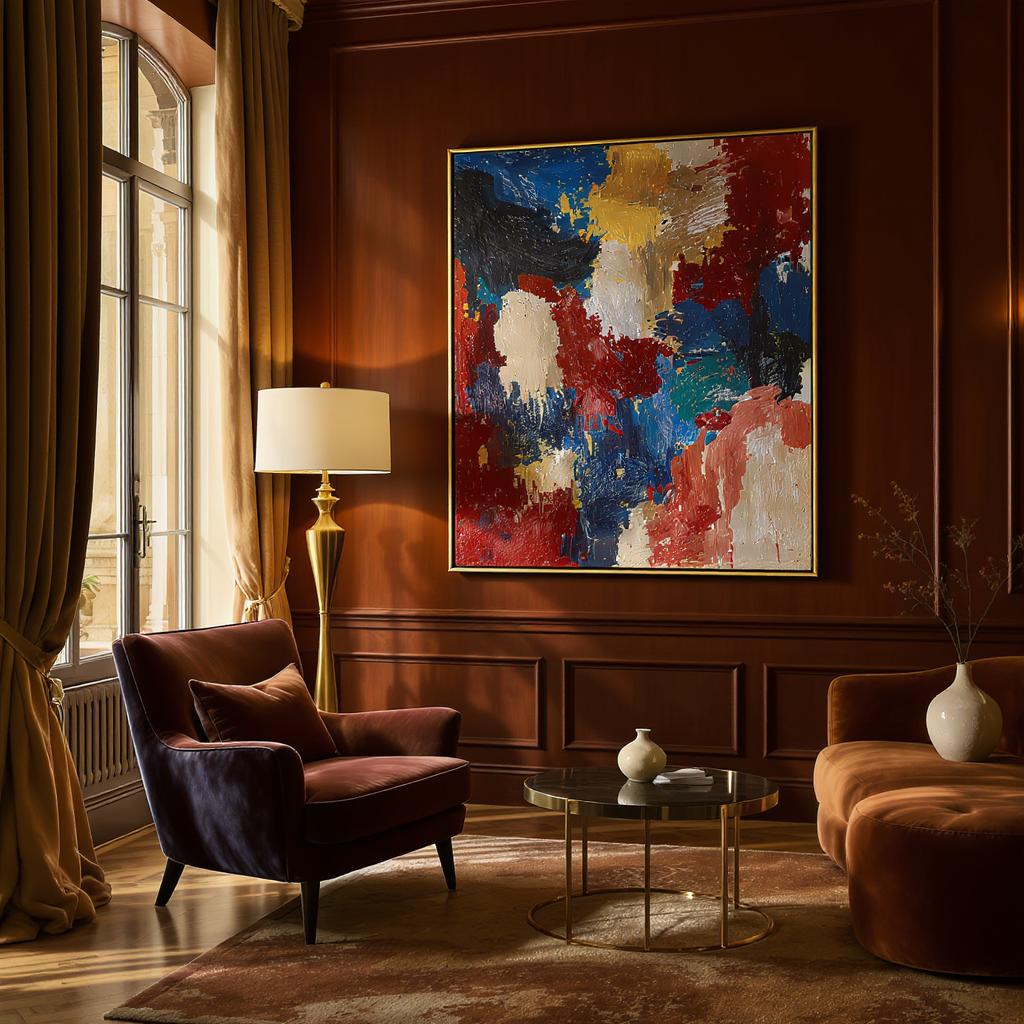
Achieving impasto excellence begins with selecting the right tools and materials. Start with professional-grade oil paint, as its oil content allows for sumptuous, thick application without compromising drying time or color brilliance. The palette knife and painting knife are indispensable for sculpting the surface and imparting air pockets and texture. Heavy, durable brushes enable bold strokes, while specialized implements like Dartecor Oil Bars add variation and intensity. For specific textural effects, dry brush techniques and glazing mediums, such as Liquin Original, help control viscosity and luminosity in your layers of paint.
Canvas stability is essential: always opt for strong, well-primed surfaces that can support the physicality of impasto application. Quality oil paint versus standard grades will affect both drying time and the depth of your finished work—museum-quality paints provide lasting color and structural resilience, making them ideal for commissions where longevity and impact matter most. Lenoir Decor offers a multi-tiered service, providing both standard and museum-quality impasto works to meet a wide range of commercial, hospitality, and office needs. A proper workspace—organized, ventilated, and brightly lit—unlocks creative freedom and ensures safety when handling art materials.
Technique Mastery: Step-by-Step Impasto Processes and Advanced Approaches
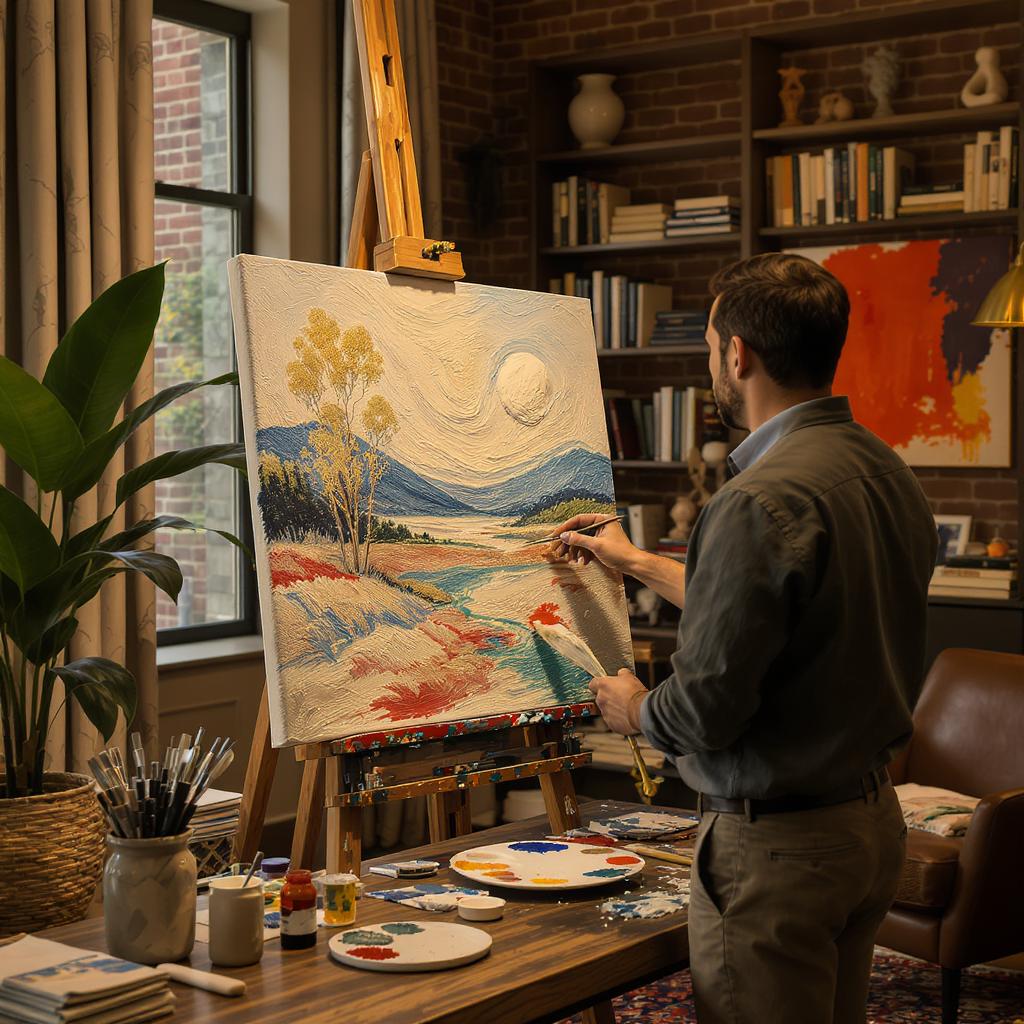
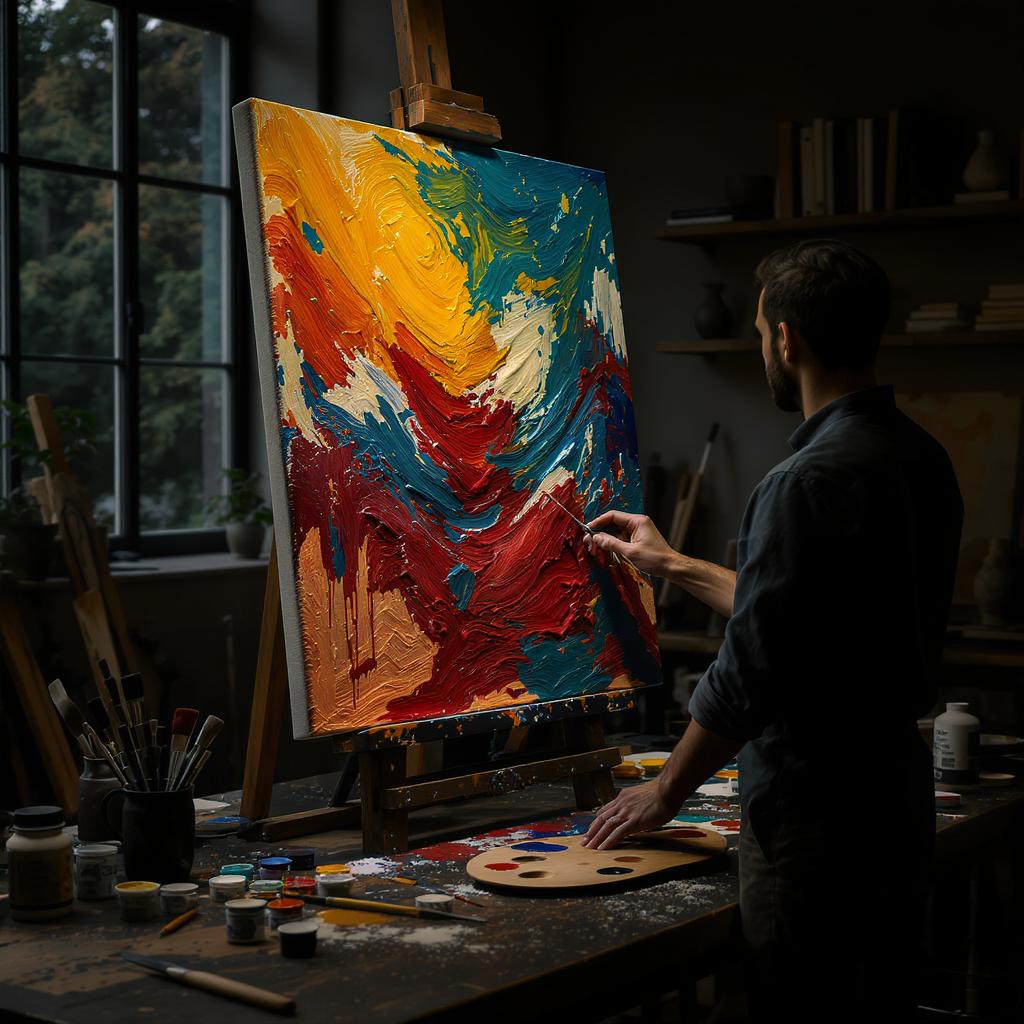
To master impasto oil painting, focus first on building up layers of paint gradually. Each pass introduces unique texture: underpainting for structure, mid-layers for depth, and surface impasto for tactile allure. Understanding oil content and correct drying time is crucial—rushing can result in unwanted cracking or dulling. Use your palette knife or painting knife to apply thick passages and explore mark-making; intentionally created air pockets emphasize the painting’s three-dimensionality, while well-chosen color veils enrich the visual experience with subtle tonal shifts.
For advanced effects, experiment with blending colors wet-into-wet, layering semi-transparent glazes, and integrating mixed media like acrylic paint for fresh visual dialogue. Employ heavy brushstrokes or dry brush for contrasting textures—just as the Impressionist artwork used gestural effects to heighten movement and energy. Glazing medium, such as Liquin Original, allows luminous depth without elongating drying times. Professional artists refine these techniques, often sharing insights on social media, enhancing their artistic expression, and engaging collector communities worldwide.
Inspiration & Application: Contemporary Case Studies and Visual Exploration
Throughout art history, impasto oil painting has inspired generations. The Impressionist painting style of Vincent van Gogh—most notably in 'Starry Night'—demonstrates how impasto can create swirling energy and deep emotional resonance. Claude Monet’s fields and waterlilies are testaments to how painting technique and color mixing reveal the textures of the natural world, making viewers feel immersed in the scene. Today, innovators like LePrince Fine Art and local art talents continue this legacy, applying bold oil painting texture techniques for contemporary audiences.
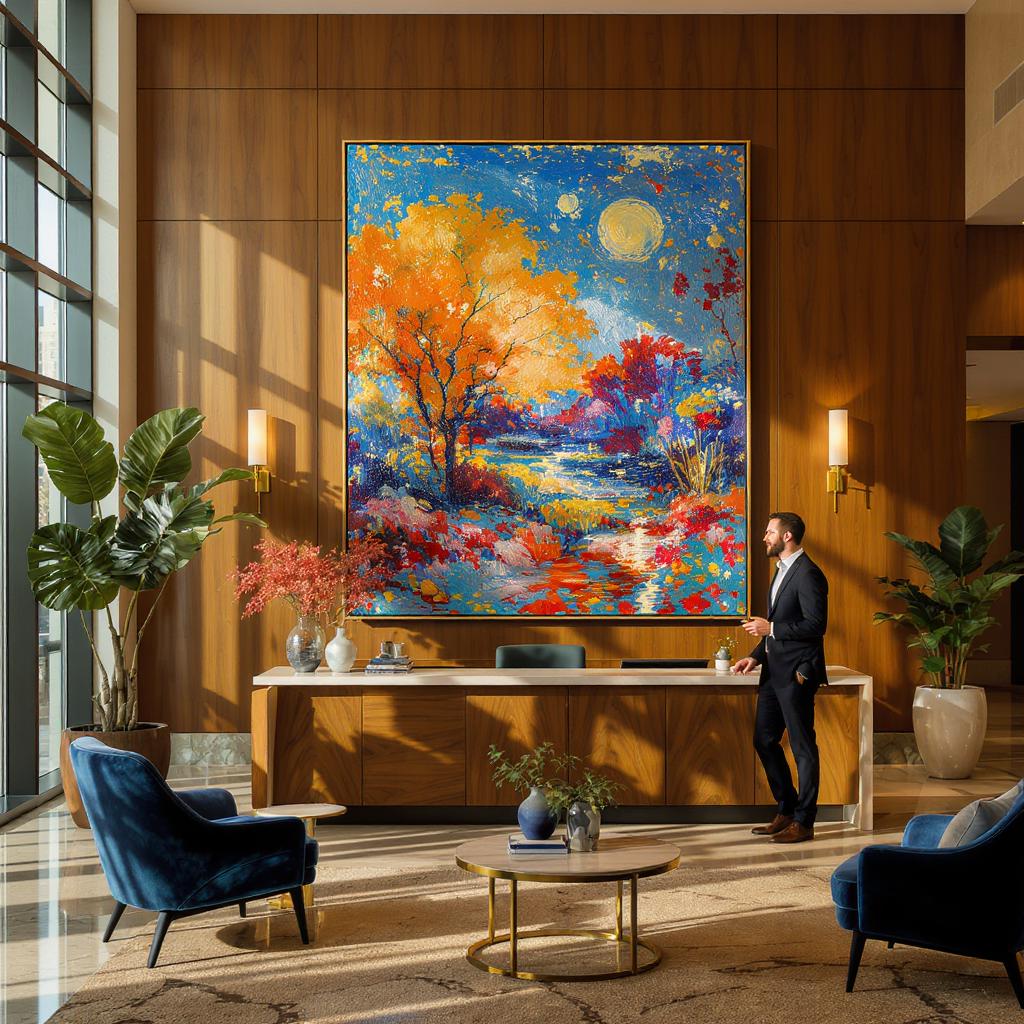
Lenoir Decor has been privileged to translate clients’ artistic vision into signature pieces. For example, in a recent hospitality project, a vibrant impasto panorama was developed from design consultation through to installation, involving active color theory discussions, visual composition planning, and multiple drying time phases. The final work provided an immersive visual experience and became the focal point of the lobby space—demonstrating how custom impasto transforms environments into conversations.
Our portfolio showcases a spectrum of creative approaches, with each commission tailored for impressive scale and engagement. From corporate offices seeking standout modern artwork, to hotels investing in memorable first impressions, the adaptability and presence of impasto enrich any setting.
Expert Tips, Best Practices, and Community Learning
Tips for Success:
• Experiment Regularly: Adjust the oil content and explore the interplay of paint thickness, drying time, and air pockets for distinct texture.
• Layer Control: Avoid applying new layers before lower strata are touch-dry, helping prevent cracking.
• Creative Color Mixing: Employ deliberate color theory strategies to keep hues vibrant, using dry brush or color veils for subtle depth.
• Tool Care: Maintain palettes, knives, and brushes in optimal condition to achieve professional results.
• Common Mistakes to Avoid: Skimping on surface prep, overblending colors, or hurriedly stacking wet-on-wet layers can compromise your artwork.
Learning & Connecting with Artists:
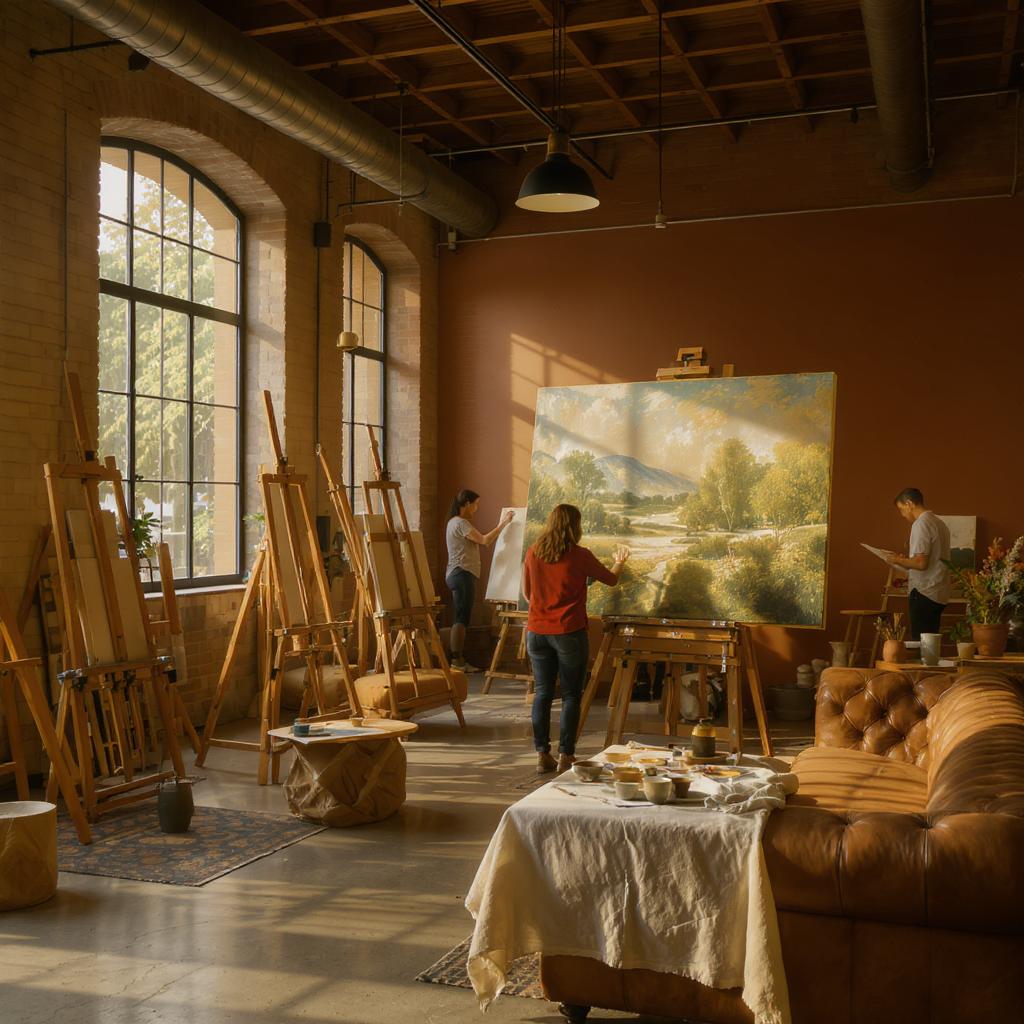
Advancing skillsets is made easy via the thriving Learn to Paint Community—a shared platform where artists join forums, social media groups, and collaborative feedback sessions. Masterclasses and structured painting courses (online and on-site) offer instruction on Impressionist artwork, advanced painting technique, and contemporary artistic style. Whether you’re a self-taught painter or a professional artist, connecting with peers accelerates learning, keeps you up to date on the latest visual trends, and cultivates your unique artistic expression.
FAQ: Impasto Oil Painting Mastery
What is impasto oil painting and why is it special?
Impasto oil painting is a technique in which oil paint is applied thickly—often with a palette knife or stiff brushes—so the marks remain visible, adding depth and tactile presence. It’s special for its dimensionality, expression, and ability to capture light dynamically.
What are the best tools and paints for impasto techniques?
A combination of professional-grade oil paint, painting knife, palette knife, heavy bristle brushes, Dartecor Oil Bars, and quality glazing mediums like Liquin Original ensures maximum control and brilliance.
How do you prevent your impasto artwork from cracking?
Build up layers patiently, ensuring incomplete drying is avoided, and use proper oil content in both paint and mediums. Choose strong, well-primed surfaces to support the weight and flexibility of the texture.
How long does it take for thick oil paint layers to dry?
Depending on the oil content, thickness, and mediums used, impasto layers can take one week to several months to fully cure. Using Liquin Original can reduce drying time while preserving texture.
Can impasto techniques be used with acrylic paint?
Yes! While oil is traditional, acrylic paint can be used for impasto techniques when thickened with specialized mediums. The result is a different, faster-drying texture—ideal for certain artistic visions.
Conclusion
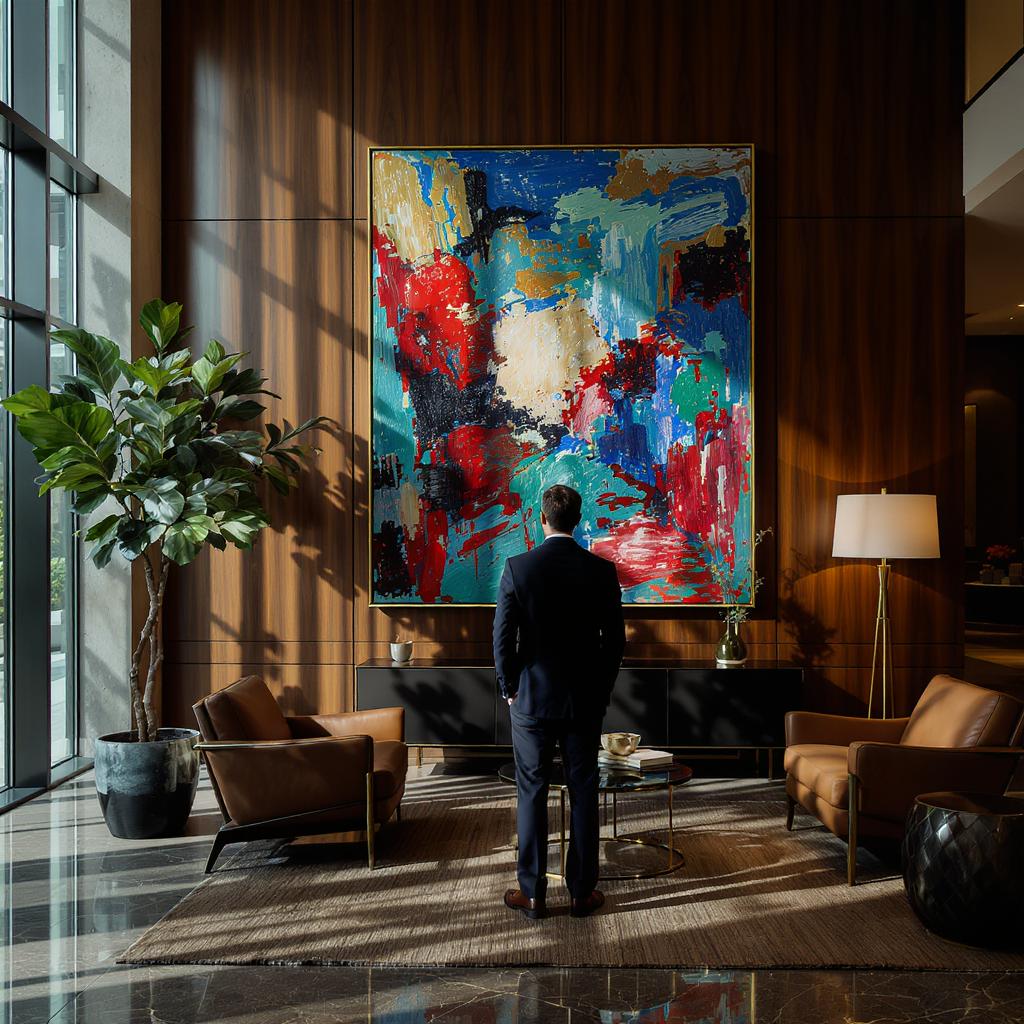
Bring your vision to life with impasto oil painting. Mastering impasto unlocks new depths of expressive, tactile artwork—merging traditional techniques with contemporary flair. Apply these strategies, engage with the artistic community, and let your creativity soar. For those seeking bespoke, impactful impasto commissions, Lenoir Decor specializes in museum-quality textured paintings crafted to transform any corporate, hospitality, or office space into a visual masterpiece.
.webp)