French
 German
 Italian
 Arabic
 Japanese
 Spanish
 Korean
 Russian
 Portuguese
 Dutch
Dutch
 Norwegian
 Finnish
 Swedish

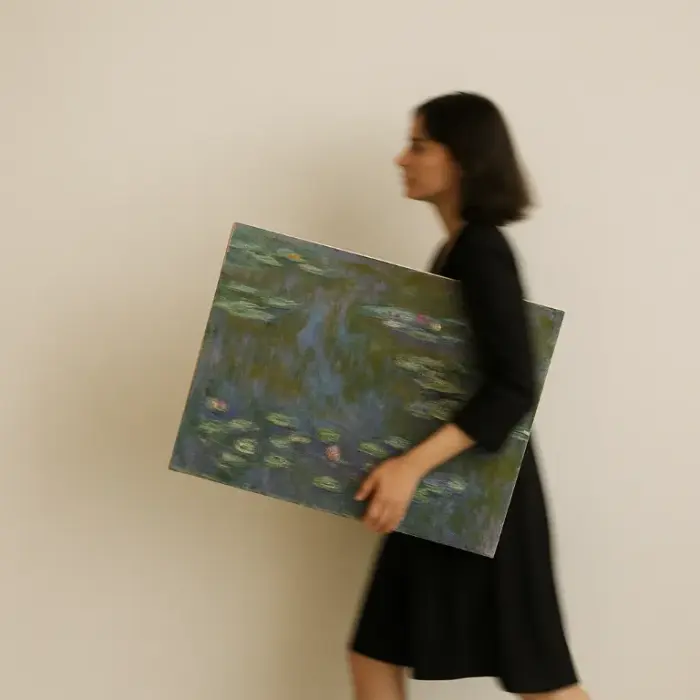
Art has always been a silent partner in the world of branding, tracing its roots from the elaborate frescoes of Renaissance Italy to the sleek, modern design canvases seen in contemporary brand campaigns. As the digital landscape continually evolves, brands seek innovative ways to tell their stories and connect with audiences in memorable visual language. Paintings, with their unique art style, cohesive color schemes, and unmistakable artistic voice, have emerged as profound tools for capturing and expressing brand identity and values. This article explores art’s multifaceted role within branding, from examining historical precedents and expert insights to actionable strategies and real-world case studies, with a focus on how brands can leverage the talents of visual artists and professional painters to truly stand apart.
The Connection Between Art and Brand Identity

Historically, visual art has shaped how societies remember brands, from medieval crests to modern logos crafted by professional artists. Significant moments include Andy Warhol’s involvement in commercial projects and iconic collaborations between brands and contemporary artists. Today, brands utilize art to forge unique identities, drawing on pattern painting, abstract painting, and grid painting to stand out in saturated markets. Visual nuances, such as carefully chosen fields of color and expressive brushwork, establish emotional connections and reinforce brand values.
The psychological impact is substantial. Paintings and curated pieces of art influence consumer perception through strategic use of color psychology and mastery of composition. A signature painting in a lobby or digital campaign not only reflects company ethos but also harnesses the artistic voice to spark loyalty and ignite conversation. These techniques are proven to influence brand preference and build lasting rapport, serving as the bridge between a brand’s story and its public image.
Analyzing Successful Case Studies
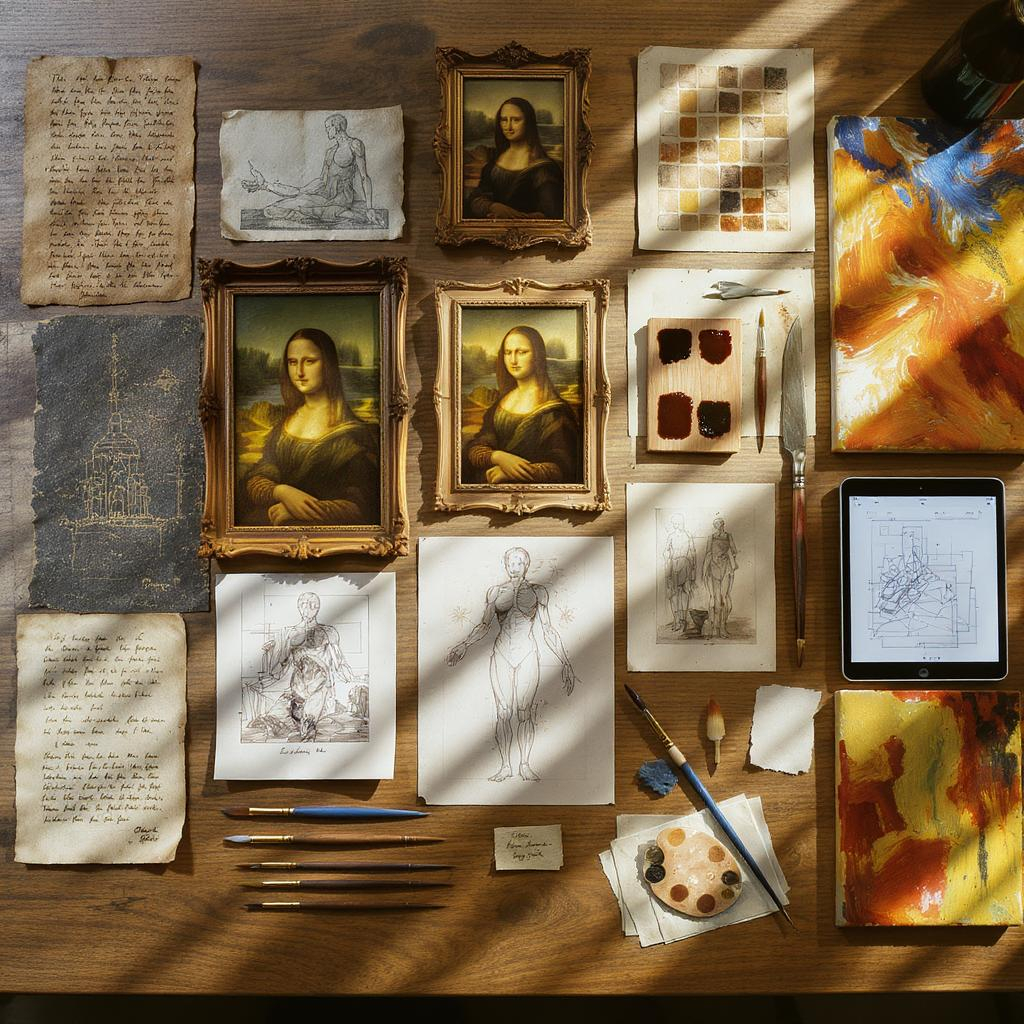
Case Study 1: Major Tech Brand and Visual Artist Collaboration
A renowned international tech corporation partnered with a celebrated visual artist to create a large-scale abstract painting for their global headquarters. The process entailed selecting an art style and color scheme that echoed the brand’s innovative values. Through months of collaboration, with consistent feedback and shared light-bulb moments, the professional artist produced a piece that became the focal point of the company’s contemporary workspace. The painting not only enhanced the spatial aesthetics but also increased engagement metrics across the company’s online platform and social media, exemplifying how artistic collaboration can elevate corporate identity. The project underscored art’s role in attracting prospects of painting and even inspired an email list specifically connecting artists and brand stakeholders.
Case Study 2: Local Retailer Embracing Cultural Landscape
A regional boutique incorporated pattern painting and references from the local cultural landscape into their branding strategy. Collaborating with a fellow artist, the business co-developed works reflecting regional motifs and life experiences, weaving these themes into marketing collateral and in-store displays. The physical pieces sparked real conversations with customers, helping the brand craft an authentic artist statement. Customer loyalty increased, measured by positive responses on their mailing list and a rise in repeat business. By enlisting skilled handmade oil painting suppliers, such as Lenoir Decor, the retailer ensured quality and narrative resonance.
Expert Insights and Commentary
Interviews with several professional artists and marketing strategists reveal that integrating artworks—especially custom oil paintings—requires both creative sensitivity and business acumen. Experts highlight key metrics, such as increased online portfolio visits, richer customer interaction, and expanded mailing lists, as indicators of art-driven branding success.
Commentators advise brands to seek artists with a true voice, capable of channeling coherent, expressive themes that align with business narratives. When approached with rigor and authenticity, collaborations with professional or contemporary artists prevent superficial attempts and avoid common attacks on painting as mere decor. The best branding initiatives, according to these experts, emerge when there is seamless communication among brand strategists, artists, and internal teams, paving the way for artistic voices to resonate across all platforms and campaigns.
Steps to Integrate Paintings into Your Brand
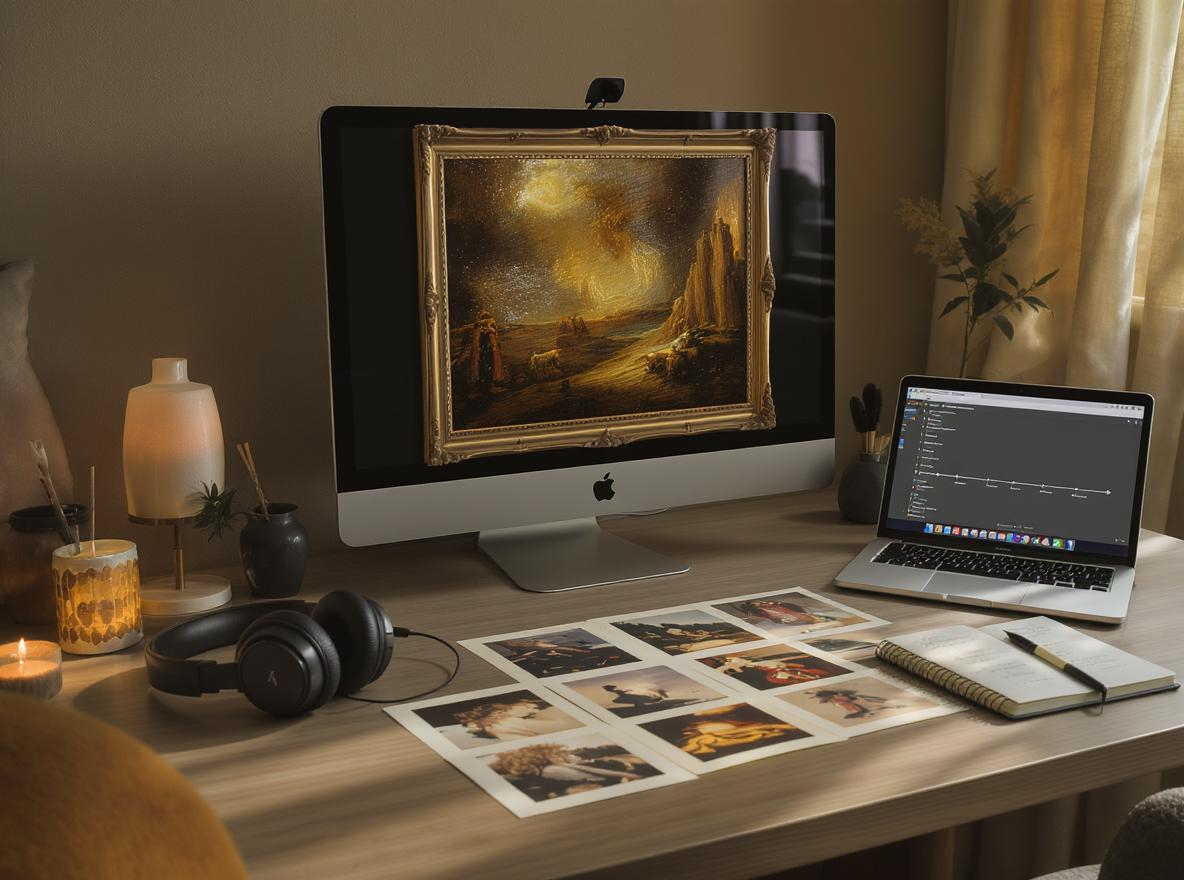
Defining Your Brand’s Artistic Vision:
- Start by evaluating core brand values alongside target audience preferences.
- Identify an artistic voice and art style—be it expressionist, abstract, or pattern painting—that authentically represents your organizational ethos.
Finding and Collaborating with Artists:
- Scout for talent using online platforms, artist networks, or recommendations from a fellow artist.
- Consider both local and global artists, matching project scope and brand aspirations.
- Develop clear briefs, outlining desired outcomes, color schemes, and integration strategies to ensure expectations align.
Ensuring Consistency and Coherence:
- Merge artistic output with existing brand guidelines, maintaining a cohesive style across marketing, packaging, and interior design.
- Foster consistent feedback loops, utilizing email lists and mailing lists to keep creative and business teams aligned.
- Collaborate with experienced providers like Lenoir Decor, with a proven track record in business-focused, handmade oil painting solutions, to achieve a seamless synthesis of visual artistry and brand storytelling.
Practical Considerations
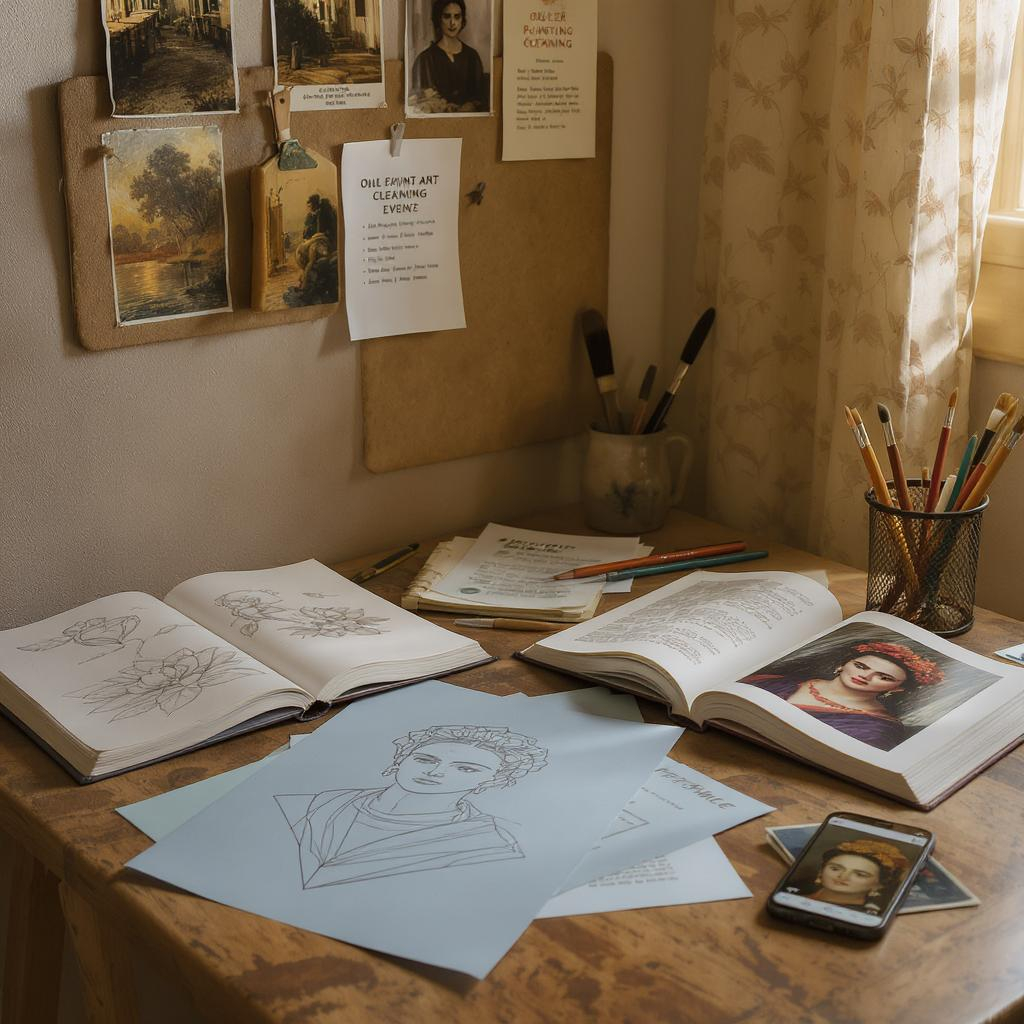
Budgeting and Resource Allocation:
- Artistic commissions can vary widely; brands must outline budgets that reflect intent and anticipated impact.
- Prioritize resource allocation for premium pieces of art, knowing that well-placed paintings can serve as cornerstone assets with lasting impressions.
Legal and Copyright Issues:
- Safeguard the painting business relationship with robust contracts covering copyright, licensing, and brand protection.
- Consult legal experts to navigate the unique nuances posed by collaborative visual art in branding.
Medium and Distribution:
- Choose the best blend of digital, physical, and hybrid painting displays suited to the brand’s Piggyback marketing approach.
- Integrate hand-painted works into pop-up experiences, virtual exhibitions, and omnichannel campaigns, maximizing reach via both traditional and online portfolios.
Challenges and Solutions
Brands often grapple with blending the free-spirited nature of artistic creativity and the necessity for strategic brand discipline. Misalignment between artist statement and company messaging can dilute both.
To overcome these, businesses should:
- Engage professional artists who are receptive to corporate objectives, while still empowering a distinct artistic voice.
- Utilize analytic tools to monitor the impact of artwork on engagement, facilitating timely feedback and refinement.
- Embrace iterative updates, drawing insights from online platform analytics and email list feedback to optimize artistic integration over the life of business.
Industry Trends and Future Outlook
The rise of art-driven branding encompasses a spectrum from exclusive gallery showcases to immersive online experiences. Brands now partner with visual artists to curate limited edition releases, grid painting murals, or even live painting celebrity events that generate online buzz.
Consumers expect authenticity and relevance, favoring brands that offer a window into the artist’s world via documentary content, mailing list campaigns, and storytelling inspired by real life experiences.
Looking ahead, the prospects of painting as a core element in brand communication seem boundless. As digital platforms become more advanced, the ability to use custom-painted content—created by trusted suppliers like Lenoir Decor—will differentiate forward-thinking brands, leveraging both tradition and innovation for unparalleled audience connection.
Additional Resources
1. Explore online galleries such as the Google Arts & Culture platform for virtual exhibitions and artist inspiration.
2. Recommended reading: "Art as Branding: The Role of Visual Artists in Brand Identity" (White Paper).
3. For business inquiries and collaborative opportunities with professional artists or to commission handmade oil paintings tailored to your brand, consult art networks and established providers on dedicated online platforms.
Let art speak volumes for your brand identity today. The transformative journey of integrating paintings into branding is a testament to art’s enduring ability to shape narratives and anchor emotional connections. From historical precedents to contemporary techniques championed by professional artists and visual storytellers, every touchpoint—color scheme, art style, and true voice—becomes an opportunity for brands to differentiate themselves. By embracing authentic collaborations with skilled artists and implementing practical steps highlighted here, businesses not only enrich their own cultural landscape but also forge lasting loyalty with their audiences.
.webp)