French
 German
 Italian
 Arabic
 Japanese
 Spanish
 Korean
 Russian
 Portuguese
 Dutch
Dutch
 Norwegian
 Finnish
 Swedish

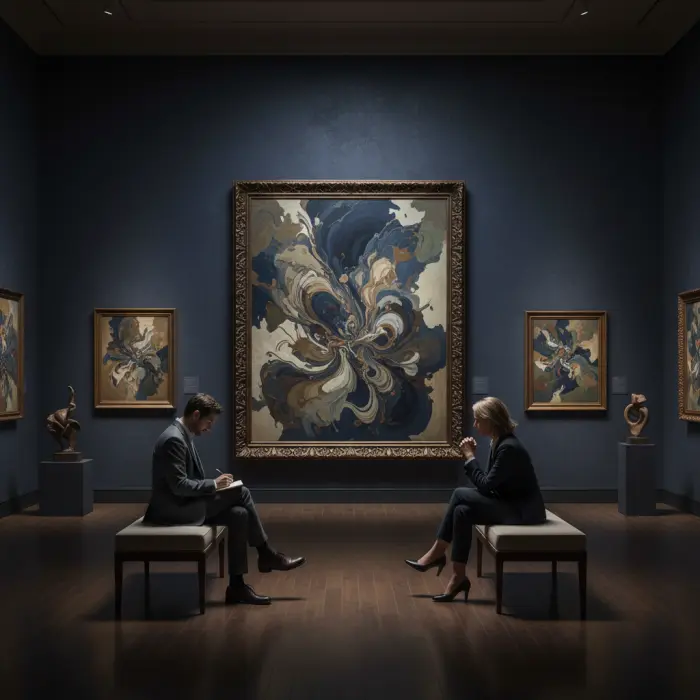
Vietnam War paintings embody some of the most poignant moments in modern history, serving as powerful historical wall art that connects viewers with the turbulence, courage, and consequences of conflict. Whether you are a history enthusiast, an art collector, a museum curator, or someone seeking thought-provoking decor, this article explores the layered world of Vietnam War paintings. We’ll discuss their historical context, analyze iconic artworks, spotlight influential artists, and provide guidance for acquiring and displaying these compelling pieces. From those seeking inspiration to commercial buyers and history buffs delving deeper, this guide aims to satisfy all intents related to Vietnam War paintings for both education and unique interior style.
Table of Contents
- Understanding Vietnam War Paintings
- Famous Vietnam War Paintings and Artists
- The Cultural and Societal Impact
- Acquiring, Displaying, and Authenticating Vietnam War Art
- Conclusion
Understanding Vietnam War Paintings
Vietnam War paintings are a profound window into the turmoil and transformation experienced during one of the twentieth century’s most significant conflicts. These works document not only military events like the pivotal Air Assaults by U.S. Army, scenes of Special Forces on covert missions, and the strategic maneuvers of the US Navy, but also portray the emotional aftermath and resilience of those involved.
Artists often feature iconic military hardware, from the whirring blades of the UH-1 Huey helicopter and the roaring speed of the McDonnell Douglas F-4 Phantom II (known to many as the F4 Phantom), to the hulking M48 Patton Tank and tenacious M-60 gunner crews, forever capturing moments on canvas. Settings range from the chaotic streets of Sài Gòn to dense jungles, emphasizing both the strategic and personal narratives of war.
Thematically, battle paintings go beyond action—they address the psychological depth of conflict, highlighting the Consequences of War on soldiers, families, and nations. They also reflect the era’s calls for peace, peace movements, and the “War Is Over” sentiment blossoming from anti-war demonstrations in the Western world. Art as documentation transcends the battlefield, preserving raw moments and exploring enduring questions about humanity, resilience, and hope.
Famous Vietnam War Paintings and Artists
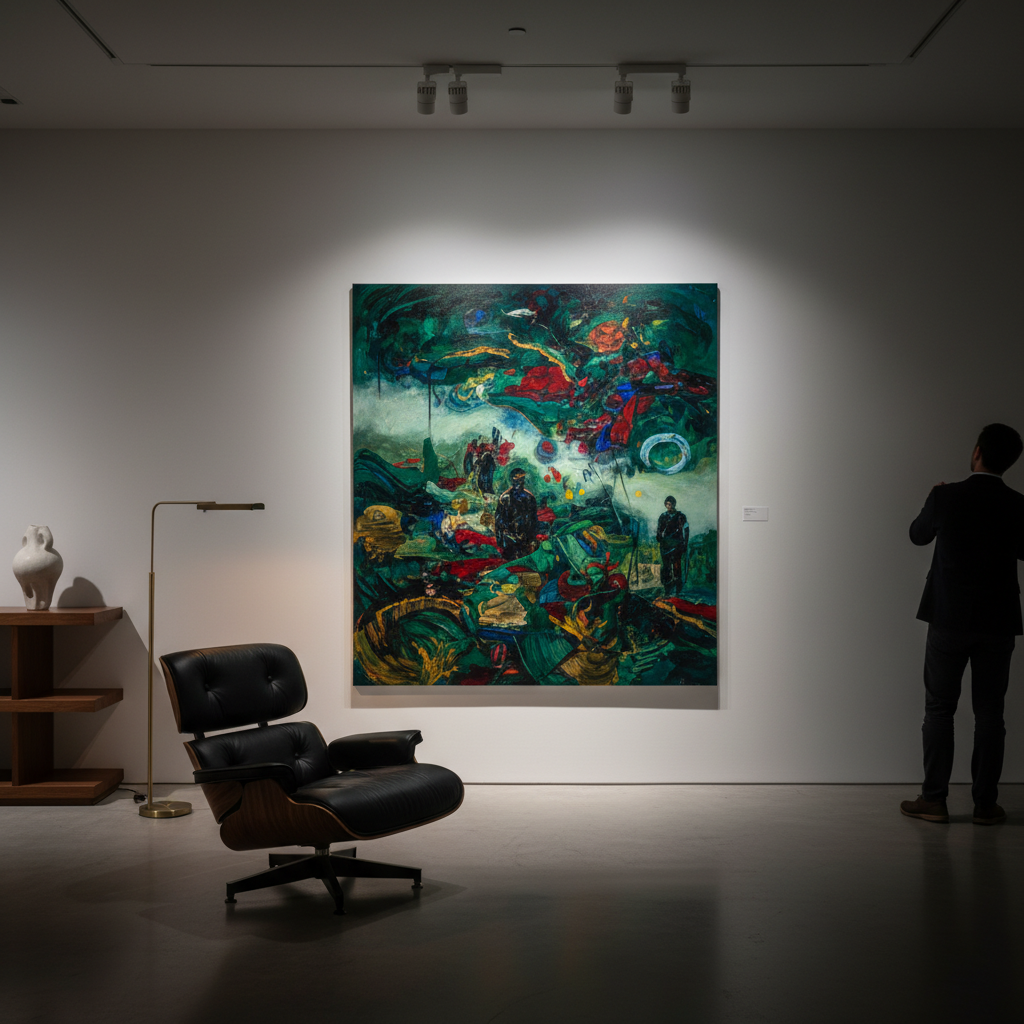
A number of celebrated works and artists have emerged from the Vietnam War era, each interpreting the conflict through unique visual language. Notably, Tiffany Chung explores themes of memory, displacement, and post-war healing in strikingly layered compositions, engaging with both personal stories and collective trauma.
Paul Thek, another recognized name, tackled the philosophical and existential impact of conflict on contemporary society through both painting and mixed media installations. At institutions like the Smithsonian American Art Museum, you’ll find diverse perspectives that delve into the war’s cultural and personal ramifications.
Key artworks employ narrative and symbolism: some paintings vividly recall iconic moments—such as the deployment of the F-4 Phantom or M-60 gunners covering ground troops—while others are meditative portraits or reflections on life in Sài Gòn.
The inclusion of Battle Paintings references art historical traditions, such as Goya’s The Third of May and The Third of May 1808, Uccello’s The Battle of San Romano, Le Brun’s Alexander at Issus (featuring Darius III), and Velázquez’s The Surrender of Breda. These classics offer a comparative lens, revealing how the Vietnam War paintings both align with and diverge from European artistic depictions of war.
Contemporary artists, meanwhile, react and respond to the war’s legacy, partaking in a broader movement where Artists Respond to the personal and global consequences of conflict. This dynamic dialogue enriches the genre and connects Vietnam War paintings with a centuries-old tradition of war documentation.
The Cultural and Societal Impact
Vietnam War paintings do more than revisit history; they serve as a mirror for society’s shifting attitudes—and the ongoing journey of healing. From the visceral immediacy of Vietnam War Posters used during anti-war demonstrations to the solemn remembrance at the Vietnam Veterans Memorial, these artworks become both record and catalyst for change.
The ability of art to communicate complex emotions, influence public perception, and foster understanding makes such paintings vital to education and remembrance. Works by artists like Tiffany Chung and Paul Thek illuminate themes of reconciliation, trauma, and hope. Meanwhile, museum collections and special exhibits, such as those curated at the Smithsonian American Art Museum, ensure that future generations engage with the visual narrative of the war.
Art as healing is further supported by communal remembrance: public installations, memorials, and dedicated exhibitions ignite dialogue and invite reflection, offering viewers a space to process events and honor those affected by the Vietnam War.
Acquiring, Displaying, and Authenticating Vietnam War Art
For collectors and organizations alike, Vietnam War paintings are captivating investments and statements of heritage. When seeking to acquire these pieces, buyers should:
- Art Conservation: Choose works that have been properly preserved. Consult with experts who specialize in historical art conservation to ensure longevity.
- Certificate of Authenticity: Always request a certificate of authenticity to verify that your acquisition is genuine, especially for valuable or well-known pieces.
- Valuation and Investment: Consult auction houses, online marketplaces, or specialized galleries for valuation information and trend analysis on Vietnam War art. These paintings often appreciate in value both for historical significance and artistic merit.
- Trusted Platforms: Look to reputable museums, such as Smithsonian American Art Museum, and recognized galleries or vetted online platforms that showcase Vietnam War paintings and other historical war art.
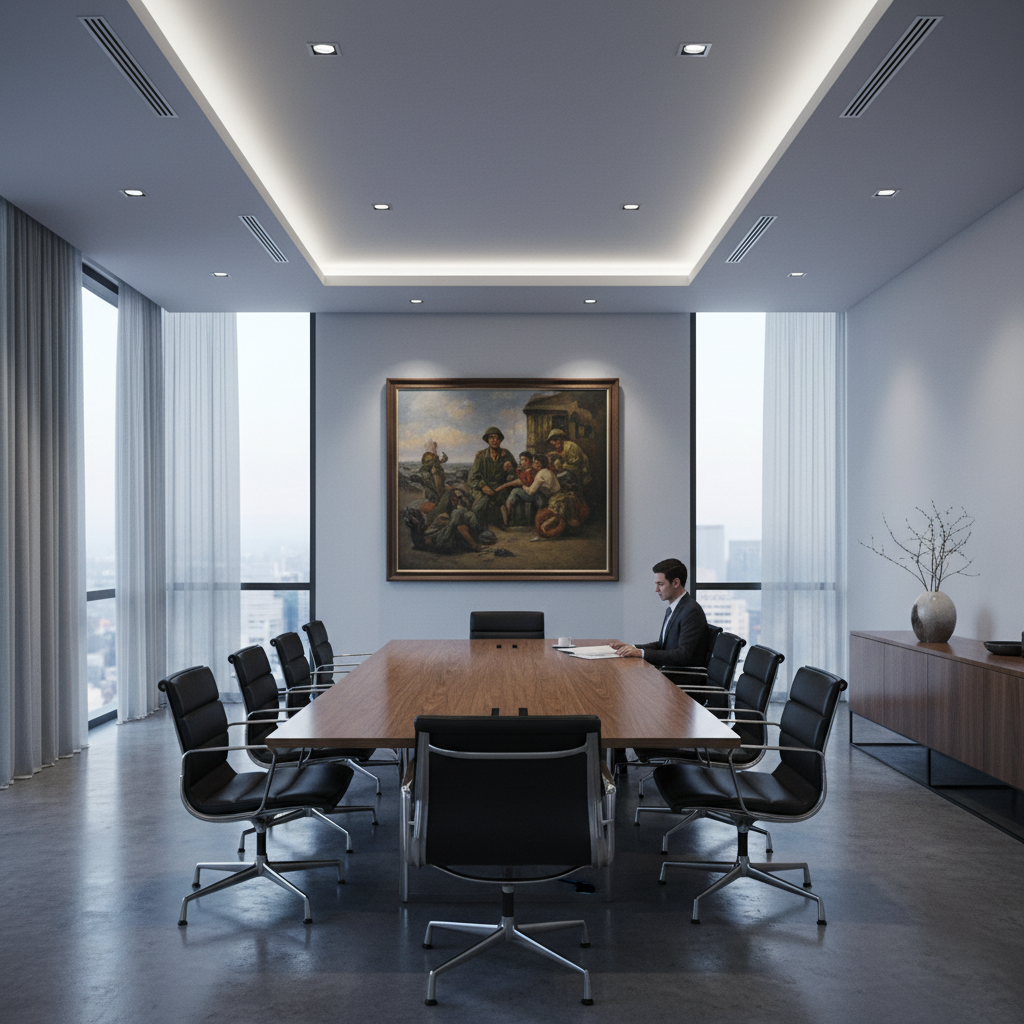
For placement, Vietnam War paintings can become impactful centerpieces in a corporate boardroom, an academic commons, or a private collection. Consider the following display ideas:
- Decor Inspiration: Pair battle scenes with modern minimalist décor for contrast, or design a gallery wall featuring both historical and contemporary responses to war, sparking conversation and reflection.
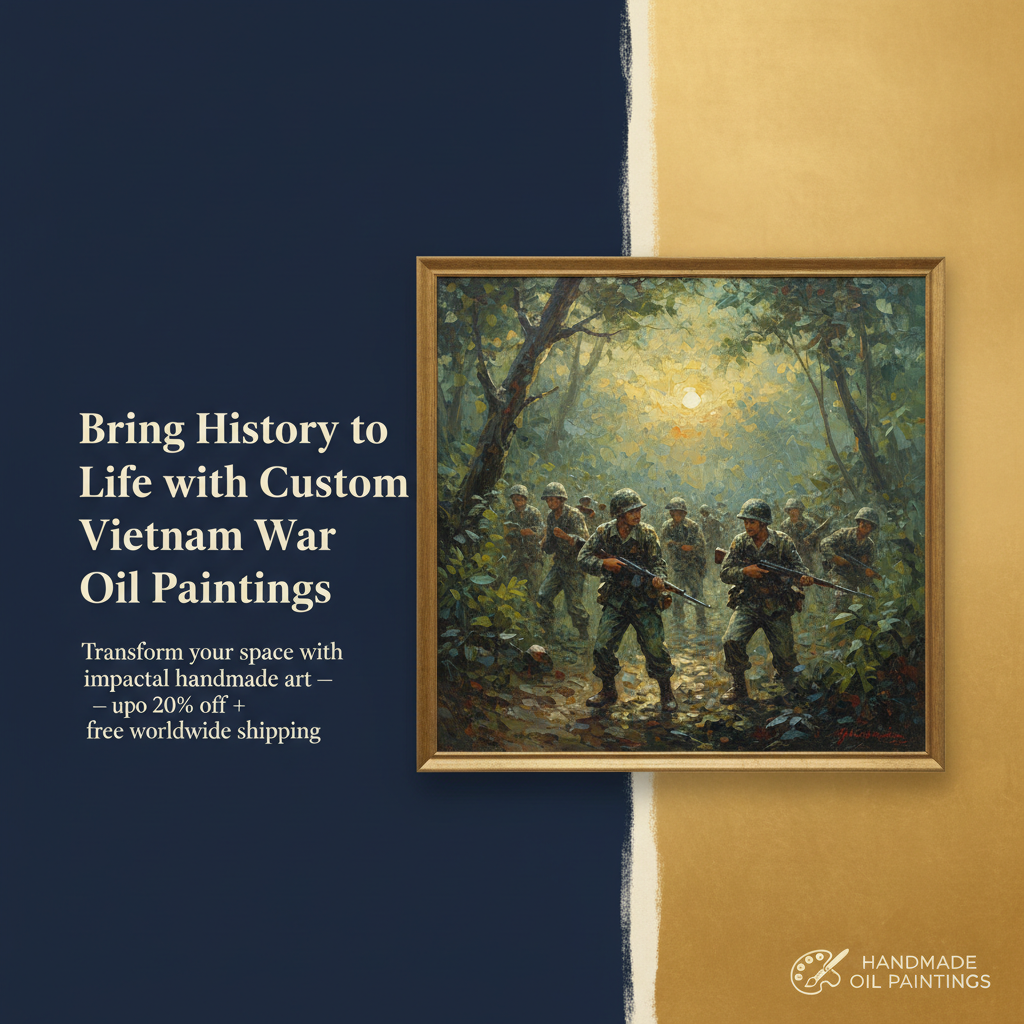
Lenoir Decor specializes in bringing these narratives to life through handmade custom oil paintings. Commissioning a bespoke Vietnam War painting allows collectors and B2B clients to curate artworks that resonate with their personal or organizational story, capturing the essence of pivotal moments from history.
Conclusion
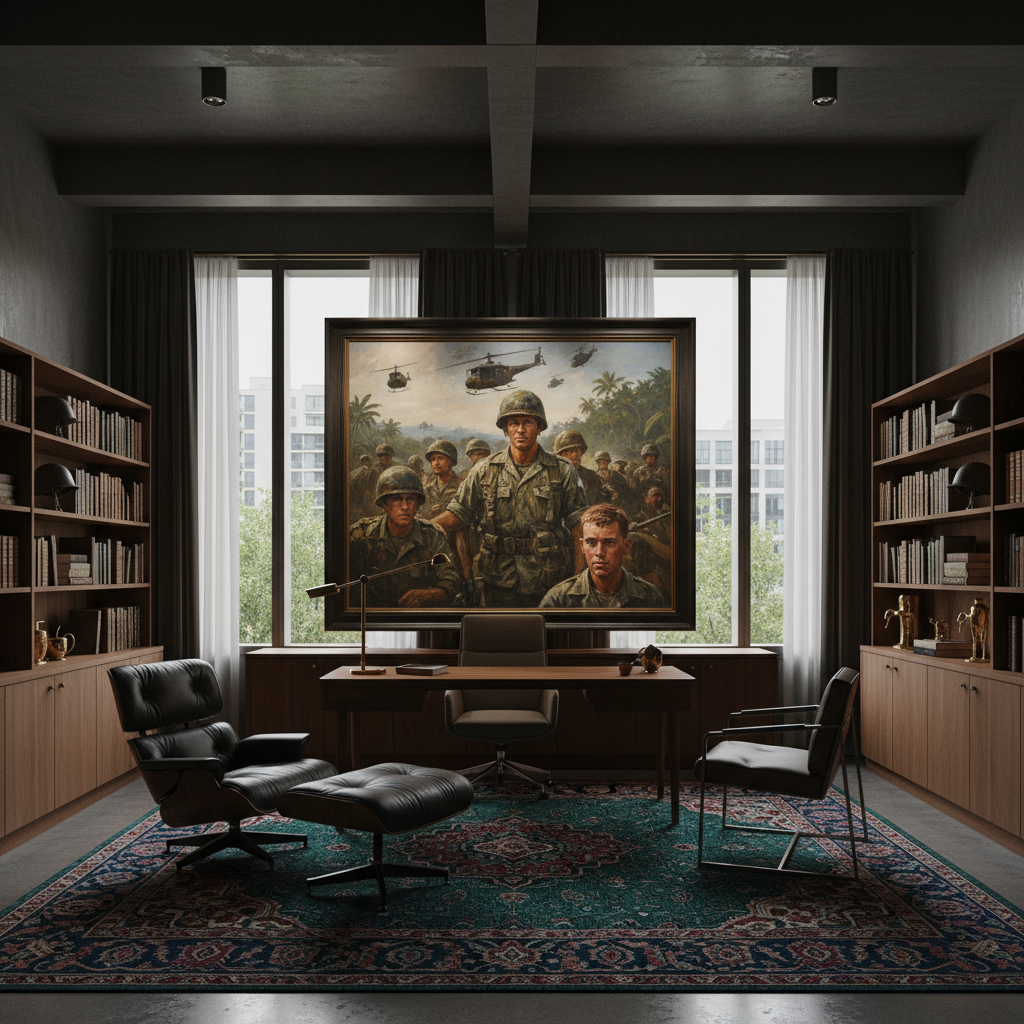
Bring history into your space with authentic Vietnam War paintings. As both educational artifacts and evocative decor, these works continue to inspire, challenge, and heal. For those seeking expertly crafted custom oil paintings commemorating the Vietnam War, Lenoir Decor offers an unparalleled fusion of artistic mastery and historical storytelling. Explore, collect, and contribute to the preservation of powerful historical narratives through art.