French
 German
 Italian
 Arabic
 Japanese
 Spanish
 Korean
 Russian
 Portuguese
 Dutch
Dutch
 Norwegian
 Finnish
 Swedish

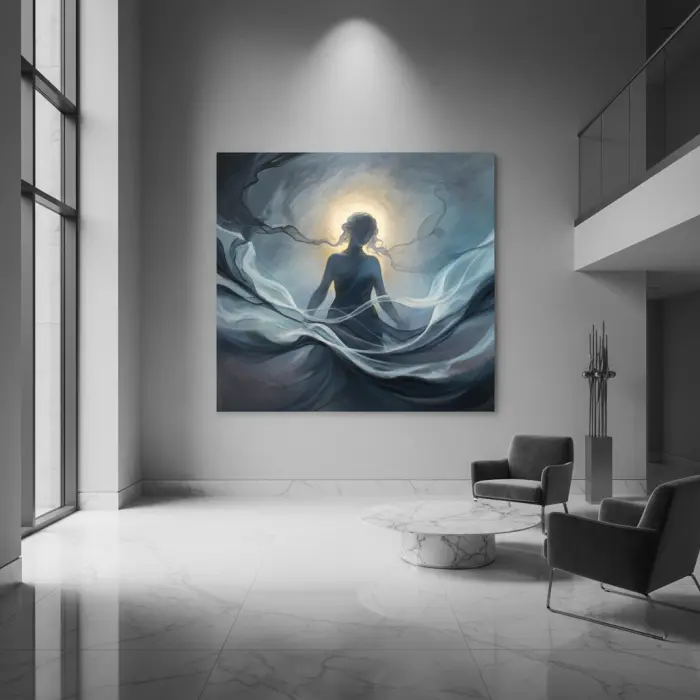
Few works of art capture both historical gravitas and emotional intensity quite like the young martyr painting by Paul Delaroche. Originally completed in 1855, this haunting masterpiece depicts a serene young woman—reputedly a Christian martyr—floating in luminous water, her delicate halo glowing against the twilight. Today, its evocative presence and poignant drama make it an exceptional focal point for contemporary lobbies, where both style and storytelling matter. In this article, we examine how the young martyr painting can anchor modern spaces, explore its historical and artistic roots, and provide practical advice for acquiring, installing, and maximizing its impact in distinctive interiors.
Table of Contents
- Historical Background and Artistic Significance
- The Young Martyr as a Focal Point in Design
- Purchasing and Replication
- Professional Consultancy, Installation Tips, and Interactive Resources
Historical Background and Artistic Significance

Paul Delaroche, one of 19th-century France’s most renowned painters, was celebrated for bringing poignant narratives and technical mastery to academic art. His work bridged the neoclassical and romantic movements, with pieces often reflecting complex historical or literary themes. The young martyr painting emerged during an era of renewed interest in Christian martyrdom and was shaped by Delaroche’s fascination with emotional storytelling through masterful rendering.
The painting captures a quiet yet dramatic moment—the aftermath of suffering resolved into transcendent calm. Delaroche’s use of composition draws the eye to the young woman's softly illuminated halo, a testament to both faith and innocence. Rich, cool tones pervade the canvas, heightening the scene’s somber tranquility, while the careful interplay of light and shadow introduces depth and reverence. Such meticulous execution elevates the young martyr painting from mere portrait to visual narrative, ensuring it remains relevant and powerful to audiences centuries later.
Historically, the painting was received as a moving illustration of martyrdom’s pathos and has inspired emotive responses ever since. In today’s artistic landscape, its cultural impact endures: the young martyr painting embodies both hope and remembrance, making it an ideal anchor for interior spaces seeking to evoke sophistication and meaning.
The Young Martyr as a Focal Point in Design
A well-chosen focal point is central to successful interior design—especially in high-traffic environments like lobbies where first impressions matter. Artworks like the young martyr painting command attention with their narrative intensity and dramatic visual qualities. Its contemplative theme and striking composition offer an immediate emotional resonance, setting a sophisticated tone for any space.
Incorporating this artwork into contemporary lobbies is not just about aesthetics—it’s also about storytelling. The water, halo, and delicate figure establish a layered narrative that invites conversation and reflection. Businesses have found that the young martyr painting elevates their entrances, balancing modern minimalism with a sense of timeless gravitas. For example, an upscale hotel installed a custom oil painting replica in its main foyer, using museum-quality lighting to amplify the artwork’s halo effect; the result impresses guests and underscores the property’s commitment to culture and elegance.
Visual studies further highlight how such a painting can transform otherwise plain spaces. Centering the artwork along a main axis or against a feature wall ensures it becomes a conversation piece. Combined with elegant furnishings and coordinated color palettes, the young martyr painting consistently proves a dramatic, unifying element in both corporate and hospitality lobbies.
Purchasing and Replication

Sourcing the young martyr painting for your project requires careful consideration of quality, scale, and authenticity. High-fidelity replicas or prints are available from reputable art vendors, galleries, and specialized B2B suppliers who can accommodate commercial needs. Lenoir Decor’s handmade custom oil paintings are particularly well-suited for lobby installations, offering both artistic precision and the option to tailor dimensions and finishes.
When examining product options, pricing details generally reflect factors such as size, framing, and material. Original-sized replicas in oil command higher prices than posters or canvas prints, but offer unmatched texture and depth. For large spaces like lobbies, stretched canvas or gallery-wrap formats—measuring from 36" to 60" wide—deliver maximum impact, while custom frames add a layer of refinement tailored to surrounding décor.
Materials vary from cotton and linen canvases to high-quality art paper or acrylic panels. Art consultants and vendors often provide advice on which medium best balances durability, appearance, and budget, guiding B2B buyers toward optimum choices for their intended settings.
Professional Consultancy, Installation Tips, and Interactive Resources
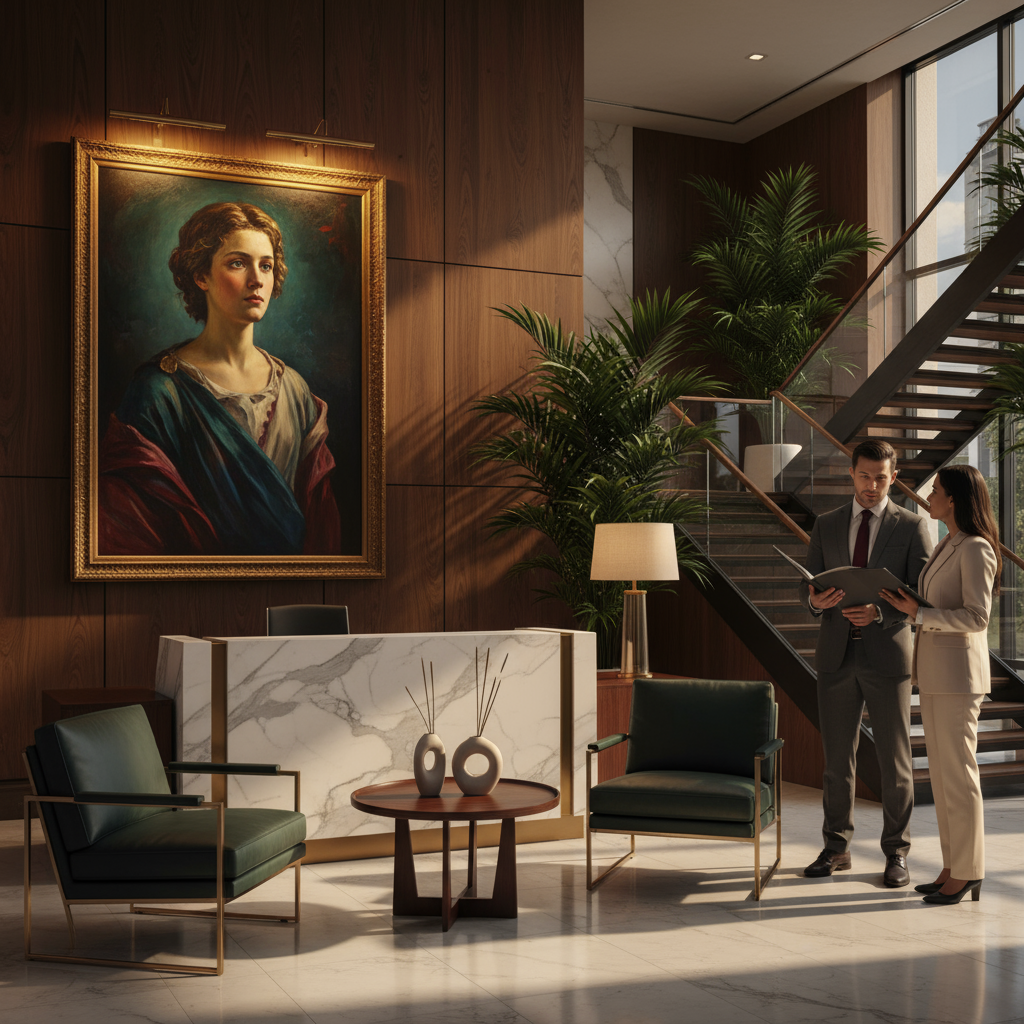
Selecting and installing a showstopping piece like the young martyr painting benefits from guidance by experienced art consultants. Look for professionals with expertise in art acquisition, curation, and interior enhancement—credentials and a proven track record with public or commercial spaces are strong indicators of fit.
Installation is key to unleashing the full dramatic effect of a large-scale oil painting. Tips include:
- Proper Lighting: Use warm, focused LED spotlights to highlight the artwork’s colors and the halo effect without creating glare.

- Strategic Placement: Position the painting at eye level for optimal engagement, with clear sightlines from main entryways.
- Secure Mounting: Employ professional hanging systems rated for large canvases in public areas.
Feedback from B2B clients highlights increased guest engagement and positive first impressions after integrating the young martyr painting into their spaces. Testimonials consistently praise the painting’s ability to spark conversation and elevate ambiance.
Visualization tools make it easier than ever to picture art in situ before purchase. Augmented reality, virtual staging platforms, and apps enable designers and stakeholders to preview the young martyr painting on their lobby walls—facilitating collaborative decision-making and ensuring the chosen piece perfectly complements the space.

.webp)