French
 German
 Italian
 Arabic
 Japanese
 Spanish
 Korean
 Russian
 Portuguese
 Dutch
Dutch
 Norwegian
 Finnish
 Swedish

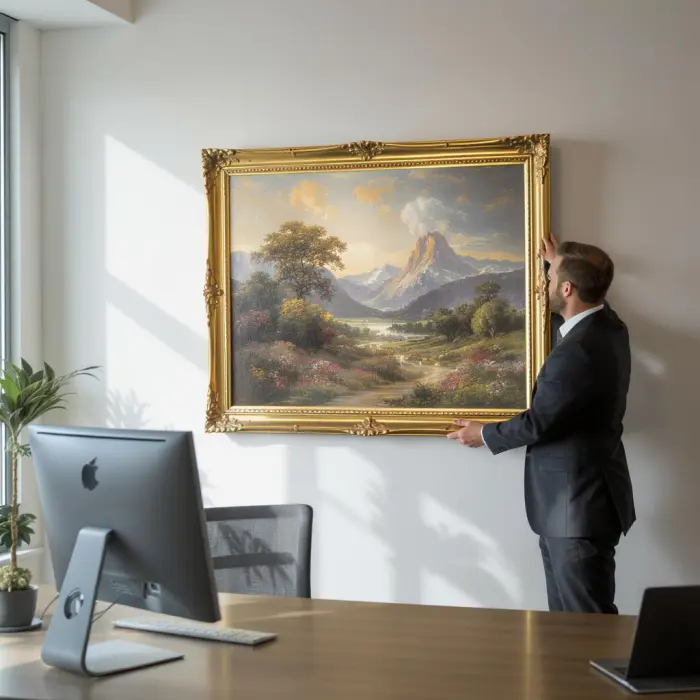
- Understand Standard Oil Painting Sizes & Proportions for Offices
- Assess Your Office Space: Steps to Determine the Ideal Oil Painting Size
- Optimize Office Aesthetic & Ambiance Through Size and Placement
- Expert Insights, Examples & Advanced Tips
- Frequently Asked Questions: Office Oil Painting Sizes
Discover how choosing the right oil painting size can uplift your office environment, making it both inspiring and professional. The scale of art influences workplace atmosphere, conveying creativity, boosting productivity, and providing a suitable focal point in any office setting. This comprehensive guide explains how to select the ideal canvas sizes for workspaces—covering standard dimensions, tips for measurement, painting techniques, expert insights, and layout strategies. Whether outfitting a corporate office or a home office, learn best practices to integrate vintage oil paintings, landscape art, and contemporary gallery walls into your workplace. As an established global provider of handmade, custom oil paintings, Lenoir Decor supports businesses worldwide in curating motivating office environments.
Understand Standard Oil Painting Sizes & Proportions for Offices
.webp)
Selecting the correct oil painting size ensures that your artwork harmonizes with the office environment and becomes a visual asset rather than a distraction. Here’s what to know:
• Office-Appropriate Canvas Sizes:
- Popular sizes include: 20"x24", 24"x36", 30"x40", 36"x48", and 48"x36". (Metric: 50×60 cm, 60×90 cm, 75×100 cm, 90×122 cm, 122×90 cm.)
- Rectangular formats like 24"x36" offer balance for most office walls, while square or panoramic canvases can suit unique layouts or serve as attention-grabbing statement pieces in modern office environments.
- Gallery walls—a curated collection of smaller paintings—work well in creative spaces or reception areas, offering variety while personalizing the environment.
- Large-scale painting: A single expansive canvas (such as 36"x48") can provide a bold focal point for executive offices, boardrooms, and lobbies.
- Reference size chart: Visiting specialized art stores or suppliers for visual guides can empower your selection process.
• Proportion & Balance:
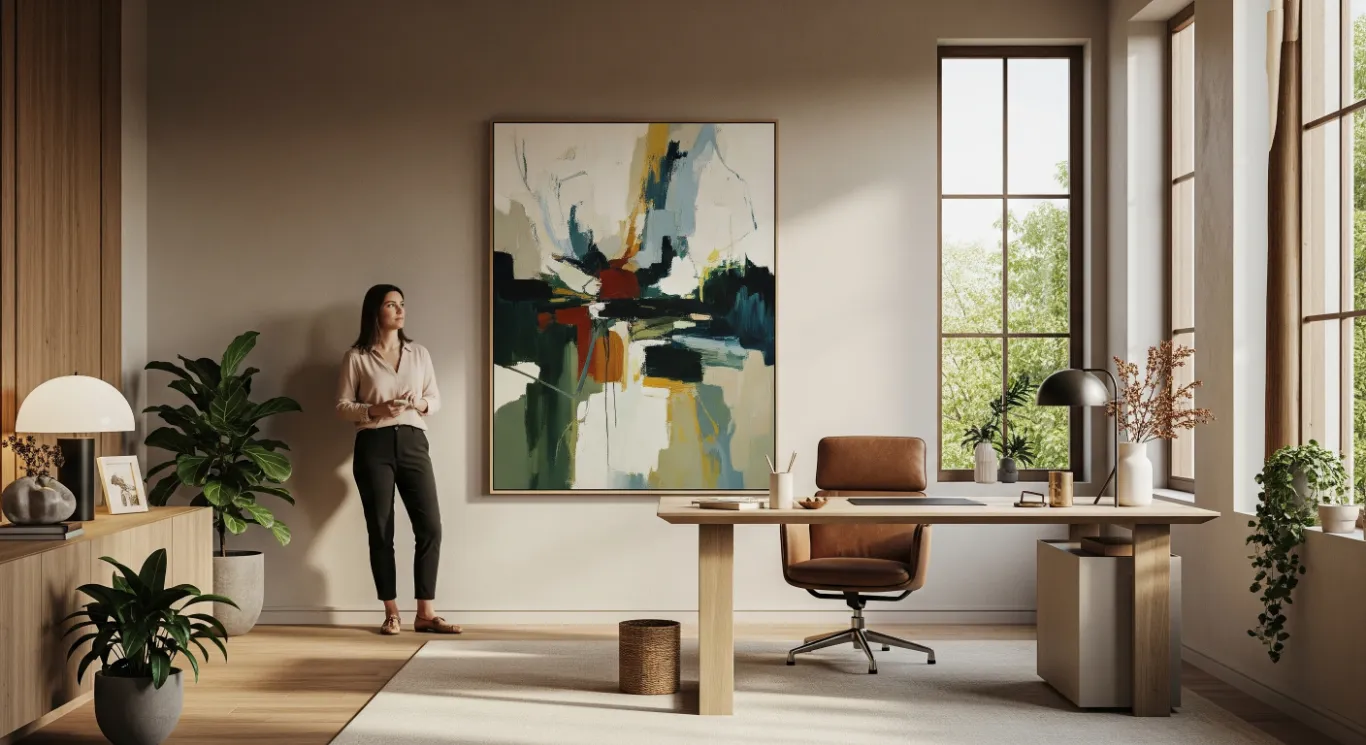
- Always match painting sizes to the available wall and allow for margins alongside furnishings. A general rule is to keep artwork at about two-thirds to three-quarters the width of furniture below, such as a desk or sofa.
- Proportion helps establish visual harmony, ensuring that your office art complements rather than overwhelms.
• Frame Selection:
- Frames should be approximately 1/6 the canvas width/height to maintain elegance without overshadowing the art. Choices like floater frames are popular in modern offices, while ornate options can enhance vintage oil paintings or neoclassical art.
- Framing not only amplifies aesthetic but can also help blend art into the overall decor theme, from contemporary to classic.
The right combination of oil paint, canvas sizes, and framing brings together historical influences—ranging from Old Master painting reproductions to vibrant abstracts—within today’s workspace.
Assess Your Office Space: Steps to Determine the Ideal Oil Painting Size
.webp)
Achieving optimal results requires a strategic approach tailored to your unique workspace.
Step 1: Measure Wall Space
- Start by using painting tools such as tape measures and painter’s tape to outline potential artwork placement on your wall. This simple step prevents overcrowding and facilitates better planning.
- Mark the desired area, factoring in existing features like shelving, windows, and furniture. (Downloadable wall measurement checklists are helpful for precision.)
Step 2: Analyze Room Function & Layout
- For executive offices and boardrooms, large-scale painting often works best, setting a commanding focal point above desks or sofas.
- Meeting rooms benefit from wide landscape paintings or panoramic canvases that promote calm and creativity without distraction.
- Home offices support flexible painting sizes: portrait painting, dog painting, or even personalized photo to painting conversions make excellent choices for more intimate, personal spaces.
- Reception and waiting areas can welcome visitors with colorful gallery art or abstract oils in inviting, approachable sizes.
- Placement tip: Always position the artwork to be a primary focal point but avoid placing it behind where visitors or employees typically sit, which can lead to visual clutter.
Step 3: Consider Viewing Distance & Eye Level
- The best hanging height usually places the painting center at 57–60 inches from the floor—matching the average eye level in a seated or standing position.
- For larger rooms, remember that the larger the painting, the greater the ideal viewing distance should be, ensuring comfort and uninterrupted focus.
Step 4: Factor in Lighting and Color Palette
- Natural and artificial lighting significantly influence how the oil paint colors and varnishes appear on canvas.
- Complement or contrast your chosen painting’s color palette with your office’s existing wall color for harmony or dynamic tension.
- Position art to make the most of available light sources, and consider the reflectivity of oil painting varnish.
Quick Reference: Size Selection Checklist
• Measure wall and furniture
• Select canvas size (refer to standard chart)
• Analyze room use and viewing angle
• Assess light sources and color harmony
• Mark placement before ordering or hanging
For custom dimensions, trusted providers such as Lenoir Decor can help match unique wall sizes and business aesthetic needs with tailored canvas solutions.
Optimize Office Aesthetic & Ambiance Through Size and Placement
.webp)
The choice—between expansive single pieces and curated clusters—shapes your office’s energy, professionalism, and comfort.
Amplify Mood & Productivity
- Studies show larger artwork can stimulate creative thinking and reduce stress. A visually strong focal point encourages focus, while an abstract oil painting may inspire out-of-the-box solutions.
Stylistic Considerations
- Large-format oil paintings are ideal for statement spaces, while gallery walls offer flexibility—perfect for collaborative areas or evolving home offices.
- For upscale, classic settings, neoclassical art paintings or Old Master painting reproductions bring gravitas.
- Employ painting techniques such as impasto, subtle glazing, or use of linseed oil for interesting textures or classic shine.
- Choose landscape paintings to evoke relaxation and openness; portrait painting and personalized photo painting for spaces requiring warmth and familiarity.
- Selecting a color palette based on color theory and principles of color harmony helps balance energy, refine moods, and promote corporate identity.
Placement Best Practices
- Avoid art that feels crammed or minuscule compared to its context. If unsure, use painter’s tape to visualize scale.
- Centering art above key furniture pieces (sofa, desk) maintains spatial logic. In creative offices, off-center placement can add a dynamic touch—so long as a single, confident focal point is clear.
- For gallery walls, keep frames at a uniform distance (usually 2"–3") and define a clear perimeter for a cohesive gallery art effect.
Framing & Finishing
- Select between stretched canvas, rolled (for framing later), or frame-finished works. Stretched and framed canvases offer an immediate, gallery-ready look.
- Customization is key for offices with unique dimensions or design requirements—Lenoir Decor’s experience delivering made-to-fit, hand-crafted options ensures perfect integration.
Product Integration Guidance
- Consult art stores or canvas suppliers adept at translating measurements and corporate brand into bespoke canvases and finishes.
- Lenoir Decor specializes in transforming your vision into custom canvas painting—tailored precisely to professional environments.
Expert Insights, Examples & Advanced Tips
.webp)
Real-World Case Study:
A creative consulting firm in Singapore revamped its office by replacing generic prints with a triptych of custom landscape paintings, each sized to fill the main boardroom wall proportionally (36"x48"). This not only raised the perceived value of their workspace but also prompted positive feedback from clients and resulted in improved employee engagement during meetings.
Expert Quotes:
“Artwork size is as important as style. An undersized painting disappears; an oversized one overwhelms. Choose dimensions that frame the room’s purpose and physical space.” – Lisa Y., Interior Designer.
“Color harmony is essential. Use color charts to coordinate artwork with office decor for a cohesive look.” – Mark K., Art Consultant.
- Consult color charts and swatches. Match your painting’s primary colors to existing furnishings or company branding.
- Select painting technique for the desired effect: rich textures with impasto, classic polish with linseed oil, or contemporary gloss with modern varnishes.
- For large or open-plan settings: Blend multiple oil paintings using the gallery walls approach or maintain a series with consistent canvas sizes for continuity.
- Consider photo to painting conversion for memorable team moments, or custom dog painting for fun, creative firms.
- Large-scale painting is best complemented by subtle, neutral tones in wall and furniture, avoiding overstimulation.
Professional providers like Lenoir Decor, with proven experience and a diverse body of work, help guide corporate art strategy—ensuring investment aligns with both brand image and day-to-day functionality.
Frequently Asked Questions: Office Oil Painting Sizes
What is the best standard oil painting size for an executive office?
Usually 30"x40" or 36"x48" canvases offer impact and authoritative focus. Large-scale paintings become commanding focal points for important spaces.
How do I choose between a single large painting and multiple smaller artworks?
A single, sizable painting is ideal for clear, undistracted focus in formal spaces; multiple smaller works—arranged in gallery walls—create flexibility and allow for personalization.
Does the subject (landscape, portrait, abstract) affect ideal size selection?
Yes. Landscape paintings and abstracts suit larger sizes for dramatic effect, while portraits or personalized pieces can be smaller but still command attention.
What’s the best height to hang art in an office setting?
Align the center of the canvas at 57–60 inches from the floor, generally at eye level, for both seated and standing viewers.
Can I order a custom canvas painting to fit unique wall dimensions?
Absolutely. Reputable art providers like Lenoir Decor offer fully customized canvas painting solutions to match specific office requirements, ensuring perfect fit and visual harmony.
Elevate your workspace—pick the perfect oil painting size today! Choosing the correct oil painting size transforms both mood and functionality in any office. By applying measurement, harmony, and placement principles, you ensure your art becomes a true focal point—amplifying productivity and professionalism. For tailored solutions, consider expert-crafted custom paintings from experienced providers for a seamless blend of aesthetics and business identity.
.webp)