French
 German
 Italian
 Arabic
 Japanese
 Spanish
 Korean
 Russian
 Portuguese
 Dutch
Dutch
 Norwegian
 Finnish
 Swedish

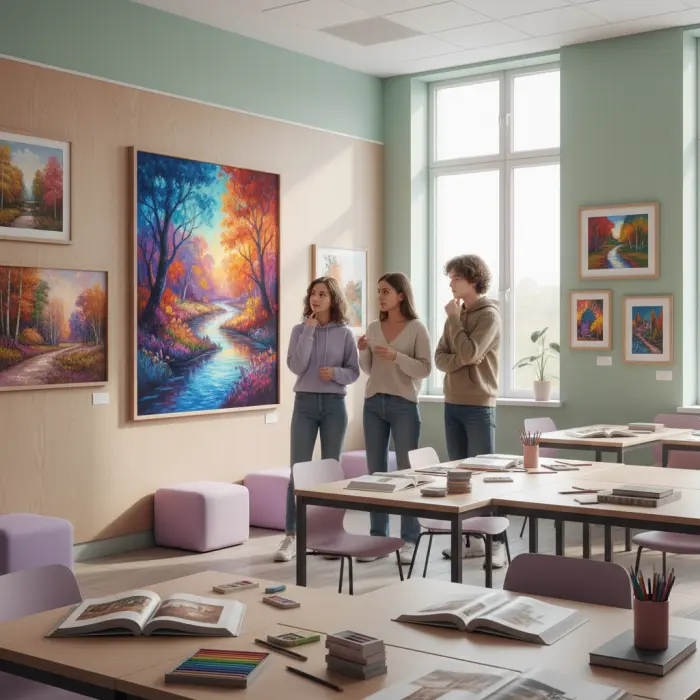
Oil pastel artworks have carved a unique niche in the visual arts, seamlessly blending vivid color, tactile expression, and accessibility. Particularly in educational settings, these works aren't just decorative—they become modern statement pieces that ignite creativity, foster engagement, and define the atmosphere. As schools, colleges, and creative institutions realize the essential role of the arts, integrating oil pastel artworks into curricula and environments is becoming a movement at the forefront of educational transformation. This article explores how these versatile pieces can elevate learning spaces, inspire both students and faculty, and serve as the heart of dynamic art-for-education programs.
Table of Contents
- Educational Value of Oil Pastels
- Historical Perspective
- Techniques and Tutorials
- Project Ideas and Lesson Plans
- Community Engagement
- Conclusion
Educational Value of Oil Pastels

Integrating oil pastel artworks into school art programs offers deep, measurable impacts on youth art education. Across modern classrooms, educators are discovering the practical and cognitive benefits of oil pastels, from enhancing fine motor skills to supporting human creative expression.
• Art inspiration for students: Oil pastels introduce bright color, tactile engagement, and immediate feedback, fostering enthusiasm for the creative process and igniting interest in visual arts.
• Cognitive development: Research demonstrates that working with oil pastels boosts spatial reasoning, encourages experimentation with signs and symbols, and allows for expressive communication, key for developing critical thinking and communication skills.
• Creative learning environment: Their blendability makes oil pastels ideal for modern art classroom ideas and projects, supporting a dynamic, interdisciplinary art approach. Used alongside collage workshop, relief printing, epoxy resin, and even digital art projects, pastels encourage both teamwork and individual innovation.
• Performing arts & visual arts crossover: Incorporating pastel illustration techniques into interdisciplinary art projects links the visual, performing, and graphic design fields, preparing students for animation school or advanced studies at institutions like Japanese design university.
In short, oil pastel artworks are a catalyst for creativity, critical thinking, and a lifelong appreciation of the arts—key goals for every school art program and community art program.
Historical Perspective
Understanding oil pastel artworks requires a look back at their place in the evolution of modern wall art for schools and contemporary art. From their invention in the 20th century, oil pastels disrupted the studio tradition, offering artists a portable, immediate medium capable of bold statement wall art. Notable figures like Pablo Picasso and Henri Goetz elevated oil pastels to new heights, while today’s artists fuse traditional approaches with digital art and graphic design, driving new modes of expression.
This legacy inspires art for education spaces, as contemporary creators blend oil pastel with screen printing or embellished reproduction techniques to produce custom handmade art and gallery wrap canvas pieces fit for educational art decor. The medium’s adaptability allows it to anchor modern statement pieces across schools, universities, and gallery exhibitions, continually pushing the boundaries of what young artists can achieve.
Techniques and Tutorials
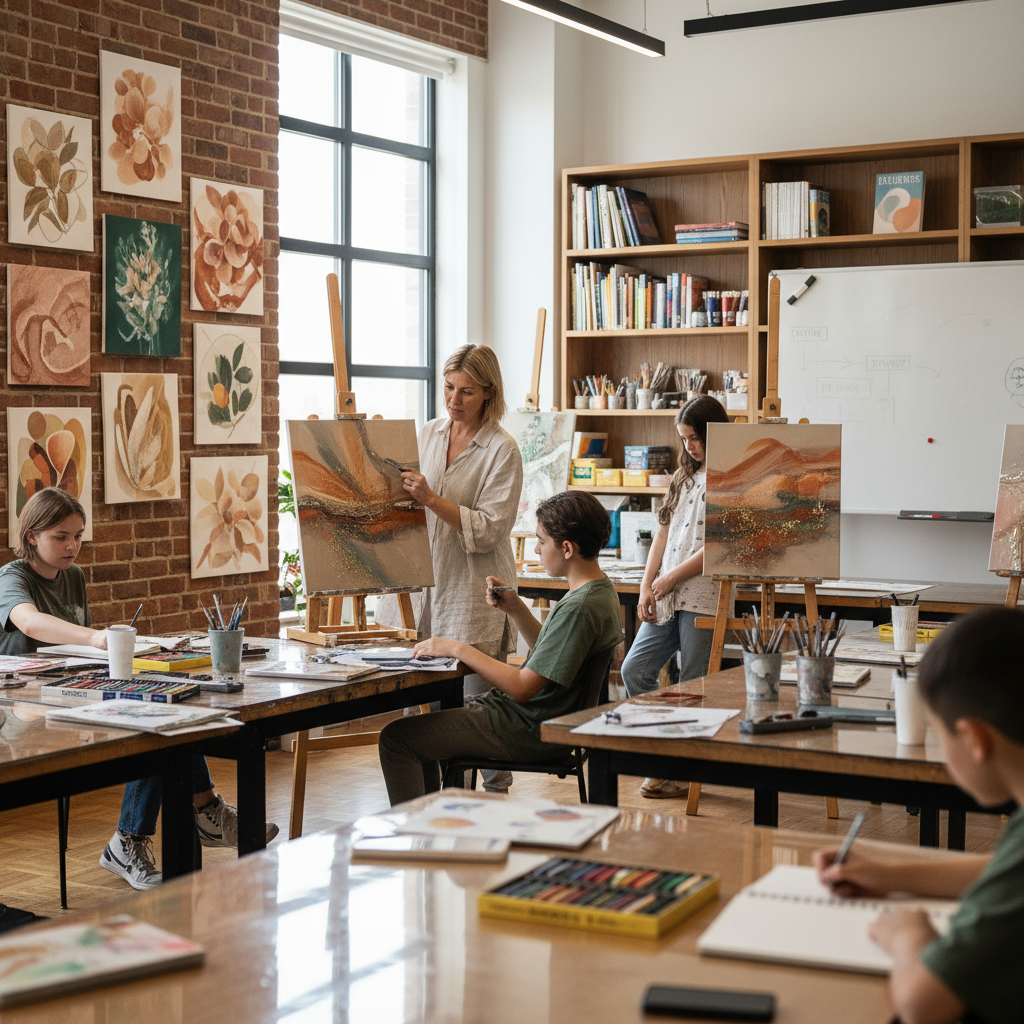
Teaching oil pastel techniques is both accessible and rewarding. Here are key strategies for educators and students alike:
• Basic Techniques: Begin with blending, layering, and sgraffito—scratching to reveal underlayers. Experiment with relief printing, collage workshop integration, and even incorporating oil pastels into screen printing projects for textural variety.
• Advanced Exploration: Try mixed media, such as epoxy resin overlays or combining oil pastels with digital art, for a contemporary twist. Encourage artist statements to contextualize their method and expressive intent.
• Teaching Tips:
- Use step-by-step demonstration videos to illustrate process.
- Offer modern art classroom ideas that tie oil pastel practice to real-world themes, such as ARAS Education or Pioneer Teen program initiatives.
- Display student work as statement wall art, boosting confidence and pride.
• Visual aids: Incorporate templates, sample gallery wrap canvas photos, and process images. Lenoir Decor’s handmade custom oil paintings and educational art decor resources can supplement classroom materials to inspire and guide students.
Project Ideas and Lesson Plans

Oil pastel artworks are extraordinarily versatile for classroom applications. Here are creative ideas for educators and school interior design professionals looking to introduce modern wall art for schools and enliven learning spaces:
• Theme Collage: Organize a collage workshop where students use pastels, magazine cut-outs, and relief printing to explore identity, community, or academic topics. Adapt the lesson plan for interdisciplinary art projects.
• Gallery-Ready Class Projects: Guide students to create large statement wall art for display, harnessing collaborative energy. Frame works as gallery wrap canvas or embellished reproduction pieces to celebrate youth art education in hallways and common areas.
• Modern Statement Pieces: Challenge students to reinterpret classic artwork using oil pastels, blending historical perspective with their own creative expression.
• Lesson Plan Template:
1. Introduction to oil pastel mediums (oil painting comparison, tool demonstration)
2. Studying artists’ technique videos (digital art, animation school tie-ins)
3. Hands-on practice (blending, layering, screen printing, epoxy resin accents)
4. Artist statement drafting (reflection on creative intent)
5. Group critique and final display (modern wall art for schools)
Adapt these projects for all ages and abilities. Use Lenoir Decor’s custom handmade art offerings for inspiration or as centerpieces in modern art classrooms, ensuring an engaging, creative environment.
Community Engagement
One of the most rewarding aspects of working with oil pastel artworks is sharing progress, insights, and creative breakthroughs with others in the field. Fostering a community art program or joining online educator forums is crucial for collaborative growth.
• Professional Development: Connect with peers through ARAS Education, the Pioneer Teen program, and social media groups focused on art inspiration for students and modern art classroom ideas.
• Resource Sharing: Platforms dedicated to school interior design, visual arts, and youth art education—such as educational forums and non-profit resources—allow educators and artists to exchange lesson plans and display strategies.
• Interactive Elements: Engage students and colleagues with quizzes, collaborative lesson plan templates, and digital showcases of oil pastel artworks. Invite feedback and celebrate successes, enriching the experience and expanding access to art for education spaces.
Regularly updating your approach and leveraging innovative ideas from the wider artistic community transforms educational art decor from static displays into dynamic, living elements of school culture.
Conclusion
Transform your school with vibrant oil pastel artworks today. Integrating these modern statement pieces into educational environments elevates visual storytelling and creative learning for all ages. Explore Lenoir Decor’s custom handmade art solutions and enrich your curriculum—because every educational space deserves an inspiring, expressive centerpiece.
.webp)