French
 German
 Italian
 Arabic
 Japanese
 Spanish
 Korean
 Russian
 Portuguese
 Dutch
Dutch
 Norwegian
 Finnish
 Swedish




 Select the perfect handcrafted wall decoration pieces to enhance your business space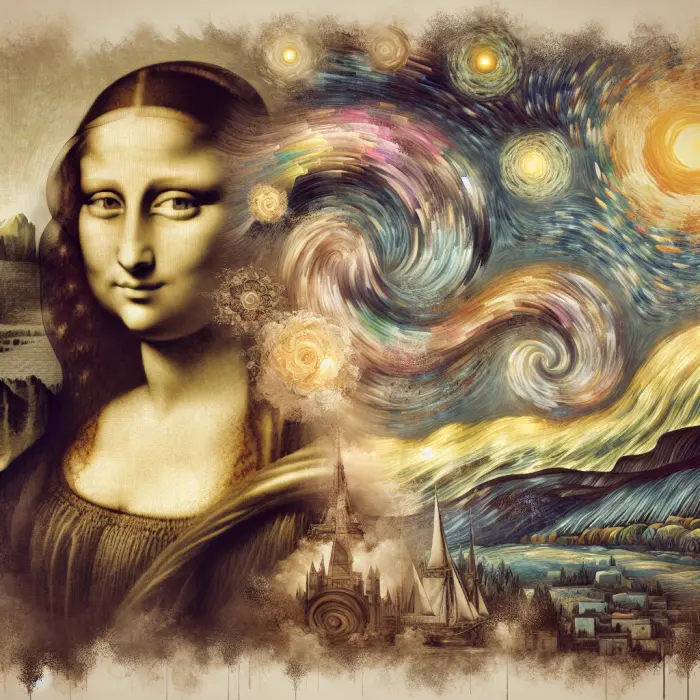
Oil painting stands as a timeless art form, weaving vibrant color, rich textures, and deep emotional resonance through the centuries. With roots stretching back to ancient times, oil painting has consistently mesmerized art lovers, celebrated for its creative expression, impressive collection of styles, and unmatched visual appeal. This article explores the fascinating historical evolution of oil painting, the fundamental techniques employed by skilled artists such as layering and color mixing, and its cultural impact. We’ll delve into the works of iconic masters like Leonardo da Vinci and Vincent van Gogh, examine the timeless beauty found in classic pieces such as the Mona Lisa, and spotlight contemporary artists who push the boundaries of this preferred medium. Along the way, you’ll find interactive multimedia—visual galleries, timelines, and expert interviews—to enrich your appreciation of oil on canvas paintings. Whether you are seeking inspiration or the perfect piece for a gallery wall, this guide will reveal why oil painting remains a go-to destination for art enthusiasts and professionals alike.
1. Introduction
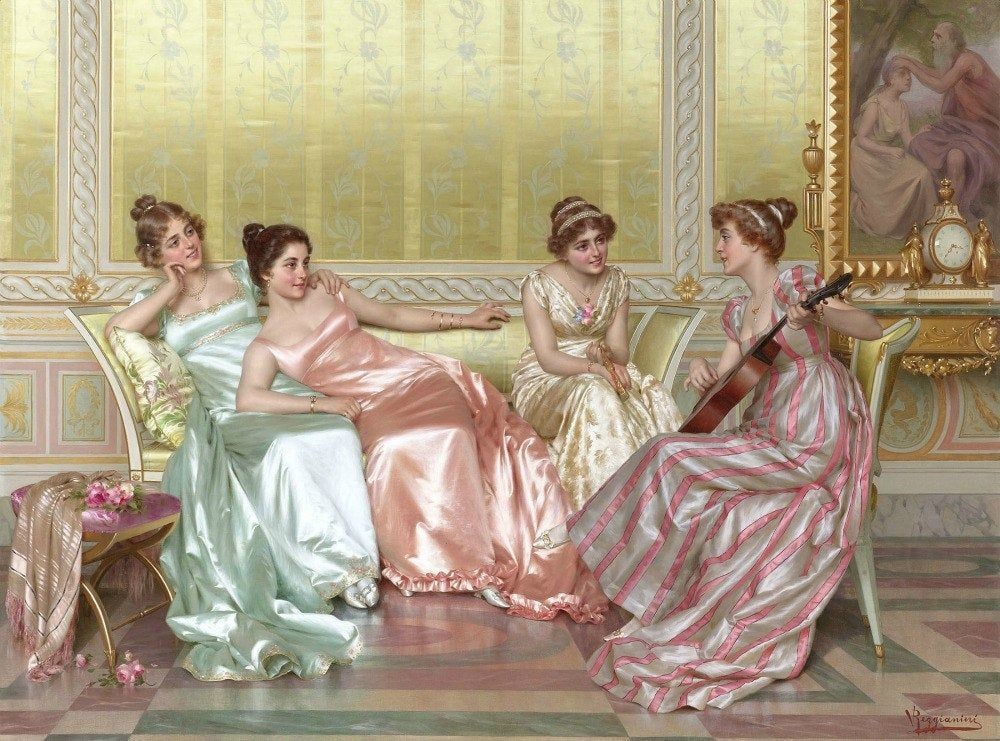
Oil painting, with its rich history and vibrant hues, has enchanted artists for centuries. Its enduring significance is not simply found in its timeless appeal, but in the way it captures the breadth of human experiences and creative expression from the ancient world through the Renaissance, and into today’s contemporary art scene. This article unravels the multilayered story behind oil painting and investigates its profound influence on art history, techniques, key artists, and evolving narrative within cultural heritage. Through multimedia—interactive timelines, video interviews, and visual galleries—readers will gain an immersive understanding of this classic art form and its continued relevance.
2. Historical Evolution of Oil Painting
2.1 Early Beginnings and Origins
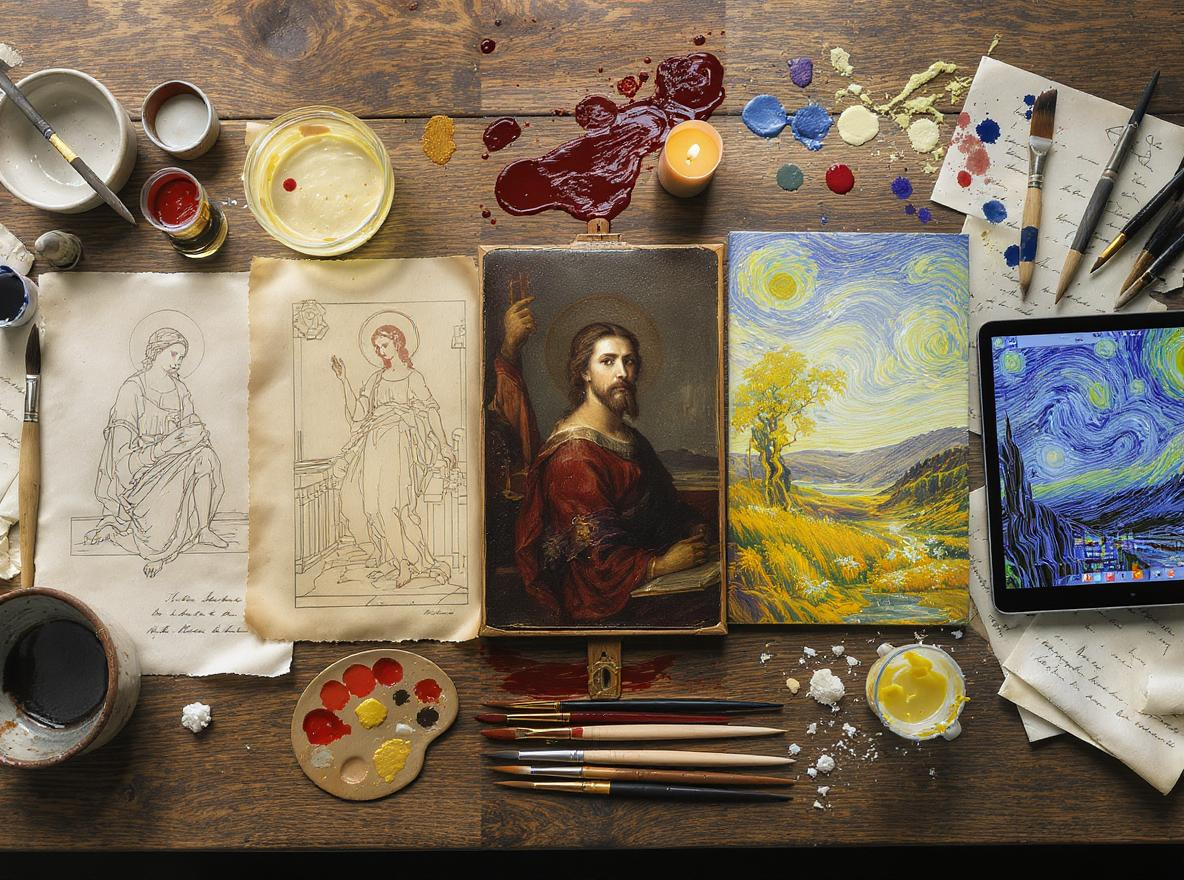
The origins of oil painting trace back as early as the 7th century, where experiments with oil-based paints emerged in religious iconography and decorative arts. The techniques and materials continued to evolve, marked by the introduction of linseed oil as a binder, setting the foundation for the beauty of oil paintings we know today. Early artists found that the slow drying process of oil paint allowed ample time for perfecting details and blending, resulting in works with unprecedented depth of color and surface refinement.
2.2 The Renaissance Breakthrough
The Renaissance became the golden era for oil painting, with artists developing revolutionary oil painting techniques such as layering, glazing, and chiaroscuro. The Mona Lisa by Leonardo da Vinci became a paragon of technical perfection—its transparent layers and subtle depth bring an exquisite realism that has fascinated generations. Michelangelo, another Renaissance master, explored the power of oil paint to depict the human figure and emotions with vibrancy and nuance.
2.3 Transition from Renaissance to Baroque
This period featured an evolution in subject matter, technique, and drama, as artists introduced more emotional depth and realism. The use of rich colors, complex compositions, and experimental lighting effects gave rise to a new breed of oil on canvas paintings, capturing the passion and vigor of 17th-century Europe.
2.4 18th to 19th Century: Romanticism, Realism, and Innovation
The Romantic era brought an emphasis on expressive brushwork, vivid color, and personal experiences. Artists such as Francisco Goya and Gustave Courbet pushed boundaries with their depiction of everyday life, layering paint to produce rich textures and compelling stories. The Realist movement favored honest depictions of society, while new innovations in paint pigments and techniques made oil painting a popular medium across a wider range of styles.
2.5 Modernism and Contemporary Interpretations
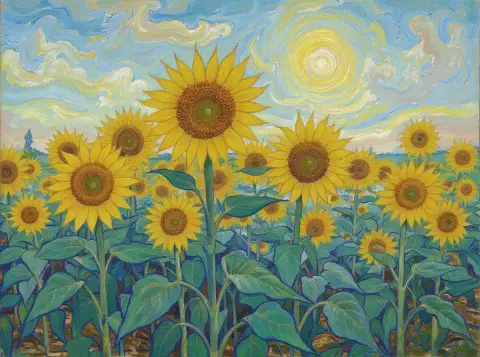
Impressionist and Expressionist movements broke with convention, emphasizing light, color mixing, and abstract forms. Vincent van Gogh stands as a modern innovator, his vibrant colors and energetic brushwork imbuing each piece of art with unique emotional resonance. Today, contemporary painters merge traditional and modern elements, producing works that reflect both art history and personal style, engaging a new generation of art lovers.
3. Key Artists and Iconic Artworks
3.1 Renaissance Masters
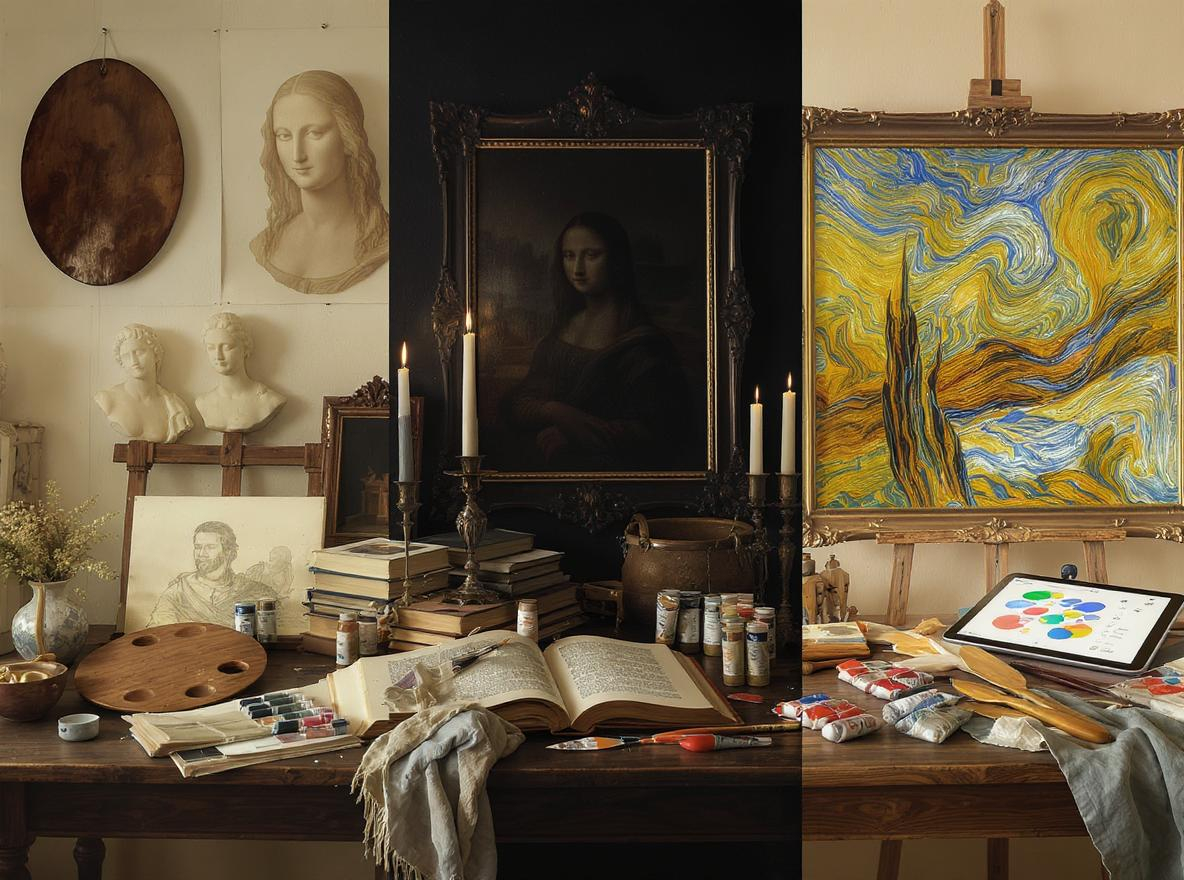
Leonardo da Vinci’s Mona Lisa and Michelangelo’s monumental works became iconic not only for their visual appeal but also for their advancements in the techniques of oil painting. Their mastery of transparent layers and manipulation of light set new standards, inspiring subsequent generations across all forms of art.
3.2 Icons of the Baroque and Romantic Era
Rembrandt, celebrated for his emotional depth and innovative use of light and shadow, produced classic pieces whose influence endures. His storytelling ability within each oil painting image—capturing everyday life as well as grand narratives—was matched by Romantic painters like Francisco Goya, who contributed to a wide range of subject matter and emotional scope in their collection of paintings.
3.3 Modern and Contemporary Innovators
Vincent van Gogh’s expressive palette knives and thick layers of paint created a new visual language—one marked by vibrant color and emotional power. Modern artists and contemporary painters continue redefining the art of oil painting, integrating digital art techniques and exploring the boundaries between abstraction and realism. The lineup of exhibitions today often features both classic and new talents, responding to the evolving tastes of art enthusiasts worldwide.
4. Techniques and Materials in Oil Painting
4.1 Traditional Techniques
Historically, layering and glazing allowed artists to build complex visual narratives with richness and depth. Techniques like Dry brushing and careful application of transparent layers gave oil paintings a distinctive, timeless beauty. Skilled artist dedication ensured each piece was a beautiful labor, often requiring ample time for each stage to dry perfectly before more color or detail was added.
4.2 Material Innovations
The transition from ancient pigments to synthetic compounds revolutionized oil painting techniques. The use of oil-based paints and improvements in pigment quality led to more vibrant color and longer-lasting works. Palette knives emerged as essential tools, enabling unique textural effects and dynamic movement within the paint. Innovations also allowed for a broader range of styles and subject matter to flourish.
4.3 Modern Techniques and Experimentations
Contemporary artists often push the boundaries of what oil on canvas paintings can achieve by embracing mixed media and unconventional supports. Today’s innovations include combining oil with Digital Art forms, utilizing non-traditional materials, and even working with professional conservators to preserve classic pieces for future generations. Insights into techniques—such as rapid drying additives or radical textural methods—ensure the art form evolves while retaining its fundamental techniques.
5. Cultural, Social, and Economic Impacts of Oil Painting
5.1 Cultural Reflection and Identity
Oil painting has always mirrored the beliefs, struggles, and aspirations of its time. Whether depicting sacred stories in the 15th century or intimate scenes from everyday life, artists for centuries have used oil on canvas to convey individual and collective human experiences. The expressive power of oil paint allows for both literal and abstract forms, making it a potent storyteller through changing eras.
5.2 Influence on Subsequent Art Movements
The techniques, subject matter, and symbolism of oil painting have inspired movements from Classical painting to Digital Art. Oil painting’s timeless art form provides a foundation upon which later forms of art, and even modern artists working in multimedia, build their creative expression.
5.3 Institutional Recognition and Preservation
Museums and galleries around the world curate an impressive collection of classic and contemporary oil paintings, ensuring their preservation for future generations. Professional conservators employ restoration techniques—carefully cleaning transparent layers and repairing flakes—to guarantee the timeless appeal and value of each piece of art. For businesses seeking a trusted custom portrait or the ideal artwork for a gallery wall, Lenoir Decor provides expert art consultants and global service, supplying handmade oil paintings crafted to museum-worthy standards.
6. Visual Gallery and Interactive Elements
6.1 Iconic Works and Style Comparisons
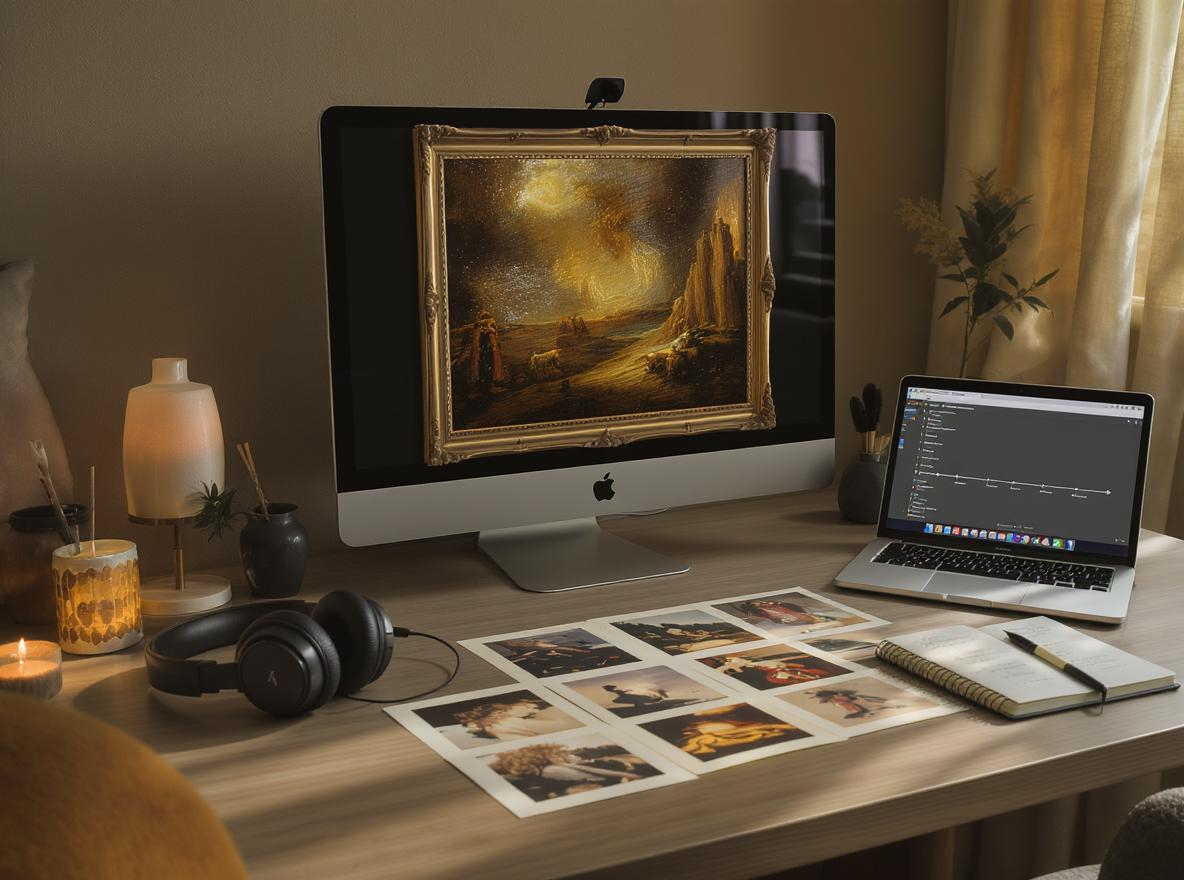
Visual galleries allow art lovers to study high-quality oil painting images in detail, noting everything from rich textures and vibrant color in Renaissance art to the bold strokes and abstraction found in modern masterpieces. Detailed descriptions and comparative analysis reveal how each epoch’s artists approached color mixing, layering, and stylistic innovation.
6.2 Interactive Multimedia Content
Interactive timelines provide context for the evolution of oil painting, while embedded documentaries and expert interviews draw out personal experiences from artists and art historians. Virtual tours offer immersive experiences, letting viewers observe the timeless beauty and emotional depth of famous paintings such as the Mona Lisa or the swirling skies in van Gogh’s works, all from the comfort of home or office.
7.Unlock a world of unmatched art with oil painting.
Oil painting’s enduring place in art history is testament to its unique qualities: expressive vibrancy, tactile richness, and emotional resonance spanning centuries of human experiences. From the Mona Lisa’s enigmatic gaze to the energetic swirls of van Gogh’s starry nights, each canvas is a bridge—connecting ancient techniques and contemporary painting alike. This art form’s versatility invites everyone, from seasoned collectors to corporate buyers, to share in its timeless appeal. Explore oil’s range of styles and innovative approaches and consider adding a custom portrait or classic piece to your own collection. Discover the beauty of oil paintings and find inspiration in their ongoing story.
.webp)