French
 German
 Italian
 Arabic
 Japanese
 Spanish
 Korean
 Russian
 Portuguese
 Dutch
Dutch
 Norwegian
 Finnish
 Swedish

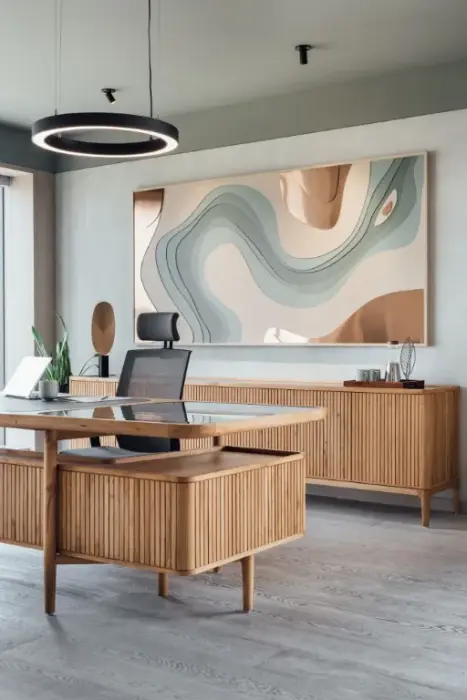
Oil paintings bring sophistication, creativity, and personality to office spaces, creating a beautiful piece that transforms a mundane workspace into an inspiring environment. When chosen thoughtfully through a careful design process, they boost productivity and leave a lasting impression on clients and employees alike. This guide explores how to select and integrate oil paintings into your office decor, focusing on harmonizing the colour palette, sizes, and styles with existing interior designs. From vintage floral pieces inspired by 16th century art to minimalist abstracts with bold blocks of colour, we’ll cover practical tips, placement strategies, and maintenance advice to prevent light damage and elevate your office walls’ aesthetic.
1. Why Oil Paintings Elevate Your Office Aesthetic
1.1. The Psychology of Art in Workspaces: Boost Productivity & Creativity
Art in the workplace does more than fill empty office walls—it influences mood, creativity, and productivity through color psychology. Studies show that visual stimuli, like oil paintings, can reduce stress and inspire innovative thinking. Warm-toned paintings, such as those with earthy landscapes or vibrant florals crafted with colour shapers, create a welcoming atmosphere, while cooler tones, like blues and greens, promote focus and calmness. For example, a serene landscape oil painting, rich with a variety of colors, in a meeting room can encourage clear-headed discussions, while an abstract piece with finer details inspired by Vincent van Gogh might spark brainstorming sessions in a creative studio.
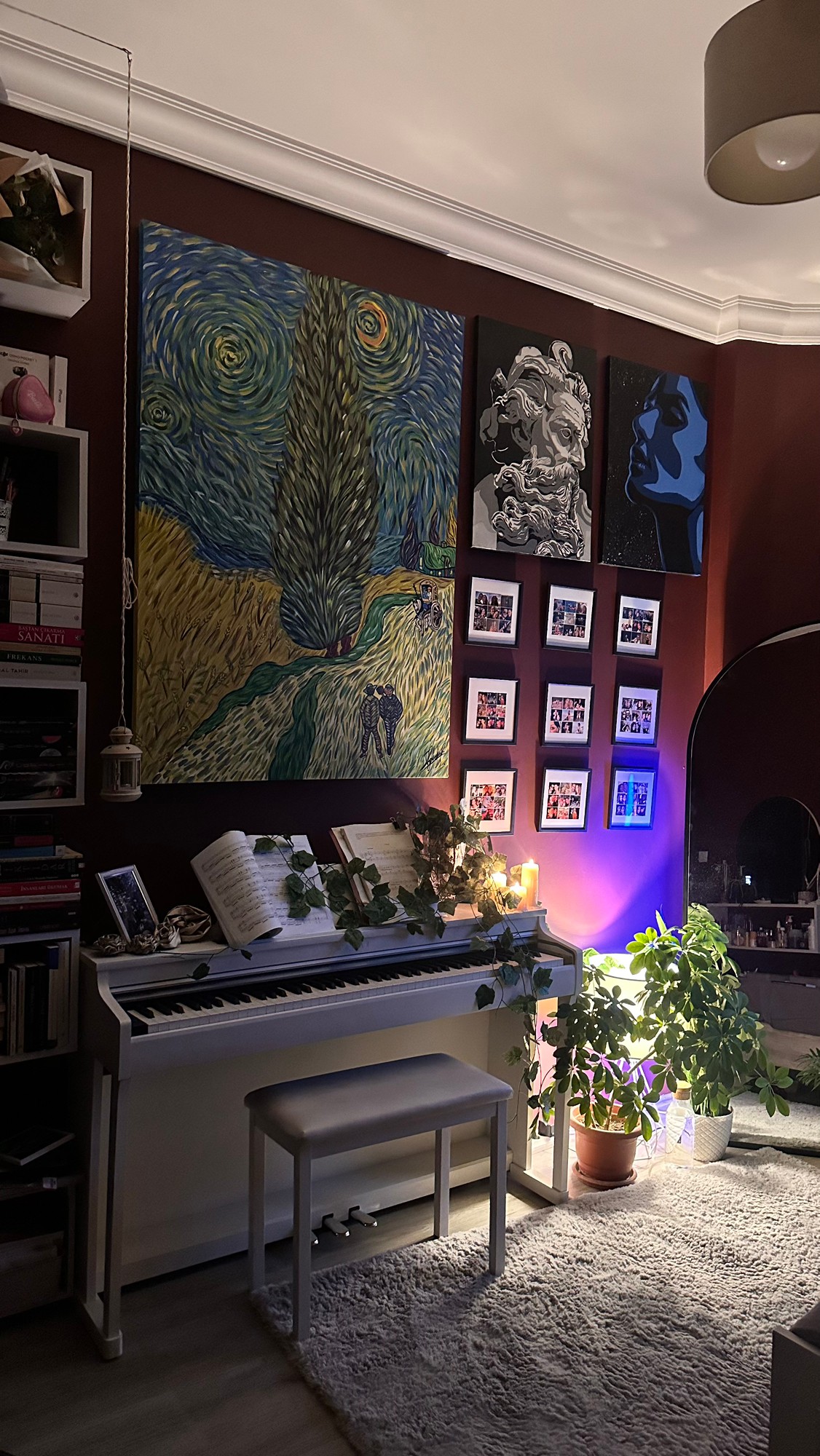
Incorporating art also signals professionalism and attention to detail, impressing clients and fostering a sense of pride among employees. Oil paintings, with their rich textures and depth as a design element, add a layer of elegance that high-quality prints or posters often lack, making them a perfect oil painting for sophisticated office walls.
1.2. Oil Paintings vs. Acrylic: Which Suits Your Office Better?
When choosing office wall art, the debate between oil paintings and acrylics often arises, especially when considering oil painting terms like texture and durability. Both mediums have unique qualities, but their suitability depends on your office’s needs and aesthetic.
- Oil Paintings: Known for their rich, luminous colors and intricate textures, oil paintings exude timeless elegance, reminiscent of 17th century masterpieces. They’re ideal for executive offices or high-end corporate spaces where a luxurious impression matters. However, they require careful maintenance to prevent light damage from humidity or sunlight, which can affect the finer details of the artwork.

- Acrylic Paintings: Acrylics are more durable, resistant to fading, and often more affordable. They suit modern, fast-paced offices with high traffic or budget constraints. Their quick-drying nature allows for bold, vibrant designs with blocks of colour, but they may lack the depth of oils.
For offices aiming for a classic or upscale vibe, oil paintings are the superior choice. Their tactile quality and longevity make them a worthwhile investment, especially for spaces like boardrooms or lobbies where wall space demands a beautiful piece.
2. Choosing the Right Oil Painting for Your Office
2.1. Office Wall Art Ideas by Room Size: Small Spaces vs. Large Boards
The size of your office space dictates the type and scale of oil paintings you should choose to maximize wall space.
- Small Offices: In compact spaces, opt for smaller or medium-sized paintings (e.g., 16x20 inches) to avoid overwhelming the room. A single statement piece, like a minimalist abstract with a variety of colors or a vintage oil painting with flowers inspired by 16th century art, can add elegance without cluttering the space. Vertical orientations work well to create the illusion of height in tight quarters, enhancing the design process for small office walls.
- Large Offices or Boardrooms: Expansive office walls call for oversized paintings or gallery-style arrangements. A large landscape oil painting (e.g., 36x48 inches) with bold blocks of colour can anchor a boardroom, while a series of smaller, cohesive pieces with finer details can create a dynamic focal point in a lobby. Ensure the artwork’s scale complements the wall size—too small, and it looks lost; too large, and it feels imposing.

2.2. Color Harmony: Matching Paintings with Office Furniture
Harmonizing oil paintings with your office’s colour palette is key to creating a cohesive look. Here are some tips to achieve color balance in your design process:
- Complementary Colors: Pair paintings with hues that complement your furniture. For instance, if your office features neutral tones like gray or beige, a vibrant oil painting with blues or greens can add energy. An Orange Textured Wall, for example, pairs beautifully with a painting featuring cool tones to balance the warmth, creating a perfect oil painting for the space.
- Monochromatic Schemes: Use a single colour palette for a sleek, unified look. A monochromatic oil painting in shades of blue or gray, crafted with techniques reminiscent of 17th century artists, can blend seamlessly with modern office decor, creating a polished, professional vibe.
- Contrast for Impact: In offices with bold furniture colors, choose paintings with subtle contrasts to avoid clashing. For example, a vintage floral painting with soft pinks and greens, created using colour shapers, can balance a dark wood desk or leather chairs.
Test colors in natural light, as office lighting can alter how hues appear and potentially cause light damage to the artwork. If possible, consult with local artists to customize a piece that matches your office’s palette.
2.3. Vintage Oil Painting Flowers: Classic Elegance for Corporate Spaces
Vintage oil paintings featuring flowers, inspired by 16th century still-life art, are a timeless choice for office decor. Their soft, romantic hues and finer details bring warmth and sophistication to corporate environments. Floral paintings work particularly well in reception areas or client-facing spaces, as they create an inviting, approachable atmosphere. Opt for pieces with classic frames, such as gold or mahogany, to enhance their vintage charm, similar to the expressive style of Vincent van Gogh. Popular subjects include roses, peonies, or lilies, which evoke elegance without being overly distracting on office walls.

3. Placement & Layout: Maximizing Visual Impact
3.1. Where to Hang Oil Paintings in an Office?
Strategic placement ensures your oil paintings enhance the office’s ambiance and make optimal use of wall space:
- Behind the Desk: A single, bold painting behind an executive desk creates a powerful focal point, signaling authority and taste. Choose a beautiful piece that reflects the company’s values, such as a serene landscape with a variety of colors for a law firm or an abstract with blocks of colour for a tech startup.
- Lobby or Reception: Large or grouped paintings in entryways make a strong first impression. Consider a gallery wall with a mix of floral and abstract oil paintings, incorporating finer details for a dynamic yet cohesive look.
- Meeting Rooms: Place art on office walls visible to all attendees to foster a collaborative atmosphere. Avoid overly busy designs that might distract during presentations, ensuring the design element enhances the space without overwhelming it.
3.2. Feng Shui Tips for Office Wall Decoration
Feng shui principles, rooted in color psychology, can enhance the energy flow in your office:
- Positioning: Hang paintings on north or east office walls to promote career growth and creativity, respectively. Avoid placing art directly facing doors, as this can disrupt energy flow and expose the painting to potential light damage.
- Subject Matter: Choose uplifting imagery, like landscapes or flowers, to inspire positivity. Avoid chaotic or aggressive themes, as they may create tension, and opt for pieces with a balanced colour palette.
- Balance: Pair paintings with other elements, like plants or natural light, to create harmony. For example, a floral oil painting near a window, crafted with 17th century-inspired techniques, can amplify its calming effect.
3.3. How Big Should Your Office Art Be?
The size of your oil painting should match the wall’s dimensions and the room’s purpose, serving as a critical design element:

- Small Walls (under 6 feet wide): Use paintings between 12x16 and 24x36 inches. A single piece or a pair with a variety of colors works best to avoid crowding the wall space.
- Medium Walls (6-10 feet wide): Opt for paintings between 24x36 and 36x48 inches or a small gallery arrangement, ensuring the design process complements the room’s aesthetic.
- Large Walls (over 10 feet wide): Choose oversized pieces (48x60 inches or larger) or a series of three to five smaller paintings with blocks of colour for a balanced look, protecting against light damage by proper placement.
4. Popular Oil Painting Styles for Modern Offices
4.1. Minimalist Abstract Oil Paintings: Clean & Professional
Abstract oil paintings with clean lines and muted colors, often created using colour shapers for smooth gradients, are ideal for modern offices. Their simplicity complements sleek furniture and open-plan layouts, creating a professional yet approachable vibe. Look for pieces with geometric shapes or soft gradients in neutral tones like gray, navy, or taupe, ensuring the finer details stand out as a perfect oil painting for office walls.
4.2. Oil Painting with Flowers: Fresh & Inviting
Floral oil paintings add a touch of nature to sterile office environments. Their vibrant yet soft colors, like pinks, yellows, and greens, create a welcoming atmosphere, especially in client-facing areas. Vintage-style floral pieces, reminiscent of 16th century art, lend a nostalgic charm, while contemporary floral designs with bold blocks of colour feel fresh and modern, making them a beautiful piece for any wall space.
4.3. Landscape vs. Portrait: Which Orientation Works Best?
- Landscape Orientation: Wide, horizontal paintings suit long office walls or spaces above furniture, like conference tables. They’re ideal for expansive scenes, such as mountain vistas or cityscapes, often featuring a variety of colors inspired by Vincent van Gogh’s expressive style.
- Portrait Orientation: Vertical paintings work well in narrow spaces or to draw the eye upward, making small offices appear larger. Choose landscapes for wide walls and portraits for tall, narrow spaces, ensuring the colour palette complements the office’s aesthetic.
5. Practical Tips to Buy & Maintain Office Oil Paintings
5.1. "Oil Painters Near Me": How to Find Local Artists
Finding local oil painters adds a unique, community-driven touch to your office decor, often resulting in a beautiful piece tailored to your needs:
- Art Galleries and Shows: Visit local galleries or attend art fairs to discover talented artists. Many offer custom commissions that incorporate specific oil painting terms and design elements to match your office’s vision.
- Online Platforms: Websites like Etsy, Saatchi Art, or local artist collectives showcase oil paintings with filters for location and style, allowing you to find pieces with the perfect colour palette.
- Referrals: Ask colleagues or interior designers for recommendations of reputable local artists who specialize in high-quality oil paintings rather than high-quality prints.
5.2. Oil Painting on Canvas: Durability & Care Tips
Oil paintings on canvas are durable but require care to maintain their finer details:
- Cleaning: Dust gently with a soft, dry cloth. Avoid water or chemicals, which can cause light damage to the paint and affect the colour palette.
- Light Protection: Hang paintings away from direct sunlight to prevent fading, a common issue with oil paintings compared to high-quality prints. Use UV-protective glass for framing if possible.
- Humidity Control: Maintain moderate humidity (40-60%) to prevent cracking or warping of the canvas, ensuring the longevity of your perfect oil painting.
5.3. Budget-Friendly Office Decor Ideas
- Local Artists: Commissioning smaller pieces from local painters can be more affordable than mass-produced art, often resulting in a beautiful piece with unique design elements.
- Vintage Shops: Thrift stores or antique markets often sell vintage oil paintings, including 17th century-inspired floral designs, at lower prices, perfect for enhancing office walls.
- DIY Framing: Purchase unframed paintings and use cost-effective frames to save money while preserving the finer details of the artwork.
6. FAQs: Answering Common Office Art Questions
Q1: Can oil paintings make a small office look bigger?
Yes, oil paintings can make a small office appear larger if chosen wisely. Light-colored paintings, especially landscapes or abstracts with open compositions and a variety of colors, create a sense of depth. Vertical orientations and smaller sizes prevent the wall space from feeling crowded, enhancing the design process.
Q2: Are vintage oil paintings suitable for modern offices?
Absolutely. Vintage oil paintings, especially floral or landscape designs inspired by 16th century or 17th century art, add timeless elegance that complements modern minimalist or industrial-style offices. Their classic charm, with intricate finer details, balances sleek, contemporary furniture like an Orange Textured Wall.
Q3: How often should I change my office wall art?
There’s no fixed rule, but refreshing office art every 2-5 years keeps the wall space dynamic and relevant. However, timeless pieces like vintage floral or high-quality abstract paintings with a balanced colour palette can remain relevant for decades with proper care to avoid light damage.

.webp)