French
 German
 Italian
 Arabic
 Japanese
 Spanish
 Korean
 Russian
 Portuguese
 Dutch
Dutch
 Norwegian
 Finnish
 Swedish

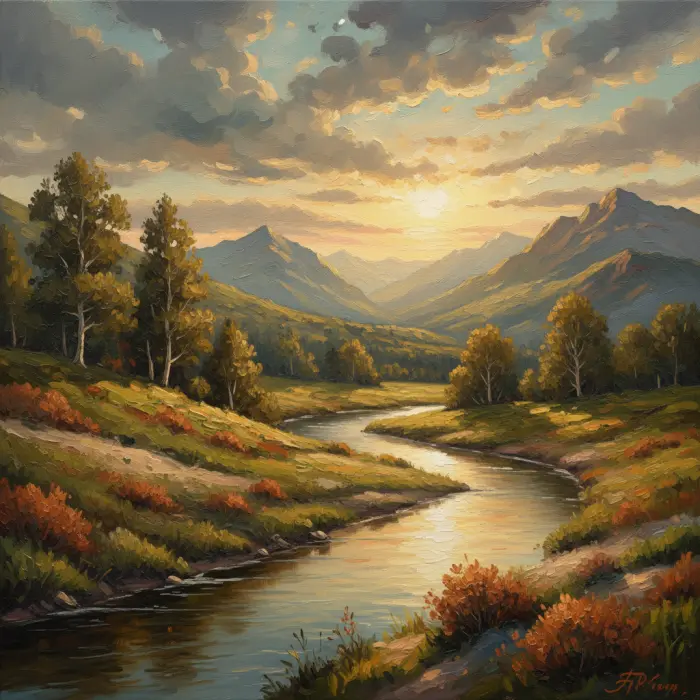
Landscape art has captivated artists and viewers for centuries, serving as both a record of place and a journey of the imagination. Today, oil painting landscape art remains a powerful genre, blending technical mastery and emotional resonance to capture the spirit of scenery in ways only oil paints can achieve. Whether you’re an interior designer seeking original artwork for hospitality spaces, an art consultant guiding clients, or a creative entrepreneur sourcing custom decor, exploring scenery art paintings through the lens of oil painting opens doors to transformative experiences and new artistic aspirations. This article guides you through the evolution, techniques, iconic artists, and inspiration that makes oil painting landscapes a cornerstone of fine art—and shares how Lenoir Decor can help elevate your next project with bespoke works.
Table of Contents
- Historical Context and Evolution of Oil Painting Landscape Art
- Essential Techniques and Styles in Oil Painting Landscapes
- Famous Landscape Artworks and Renowned Artists
- Step-by-Step Guide: Crafting Your Own Landscape Oil Painting
Historical Context and Evolution of Oil Painting Landscape Art

The story of oil painting landscape art is interwoven with art history itself. While scenery art paintings date back to ancient civilizations, landscapes as an independent genre emerged during the Renaissance and blossomed in later centuries. Oil paints, prized for their luminous color palette and blending abilities, became the gold standard for capturing the nuances of nature’s forms and atmospheric perspective.By the 19th century, European masters like Claude Monet would harness Impressionism to render light, reflections of light, and fleeting moments with layered color schemes and brushwork. American landscape painters, such as those from the Hudson River School, established grand vistas and rock formations as symbolic of national identity. Over time, artists like Dali and Magritte introduced surrealist interpretations, blending dreamlike settings with semi-controlled chaos. More recently, the likes of Peter Doig have merged abstraction and narrative, integrating inspiration from art magazines, master studies, and their own creative voice.The evolution of landscape oil painting is also alive in today’s communities, such as the River Arts District. Contemporary artists continue to push boundaries, utilizing materials from aluminum leaf accents to UV-resistant resin for modern archival quality. Platforms like Artists Network and international art competitions with cash prizes foster emerging talent, while artists such as Johannes Vloothuis inspire new generations to pursue their artistic faculties in landscape painting.
Essential Techniques and Styles in Oil Painting Landscapes
Creating scenery art paintings begins with understanding and mastering techniques unique to oil painting. A well-organized color palette is fundamental, starting with high-quality pigments, like titanium white for highlights and vibrant base tones. Painters often layer dark wash and layers of thinned paint to define depth and atmospheric perspective, building up to lighter, refined areas. A palette knife can add dynamic texture for rock formations or foliage, enhancing the natural realism or abstract energy in a painting.Color theory drives every decision—selecting harmonious color schemes, balancing shadow with light, and capturing the interplay of warm and cool hues in sky, water, or vegetation. The finishing stages may involve a protective layer of UV-resistant resin, ensuring longevity. Choosing tools and supports, such as brushes with varied bristle textures, canvas or aluminum leaf panels, is essential for achieving the artist’s desired finish.For those embarking on their landscape art journey, building technical skills through master studies of iconic works or participating in art workshops—often promoted by art magazines and Artists Network—cultivates both confidence and a personal creative voice. And, as every professional knows, it is vital to sign the painting, marking the completion of a work before it joins a collector’s or business’s curated space.
Famous Landscape Artworks and Renowned Artists


No discussion of oil painting landscape art is complete without spotlighting history’s most famous landscape artworks and the visionaries behind them. Claude Monet, a revolutionary Impressionist, produced masterpieces that defined the atmospheric effects of landscape—seen in his iconic water lilies and meadows. Monet’s focus on capturing reflections of light and subtle gradations was ground-breaking.Peter Doig is celebrated in modern times for evocative, mysterious scenes using lush textures and dreamlike spaces, while Dali and Magritte reimagined landscape through a surrealist lens, transforming scenery into realms of semi-controlled chaos.Looking stateside, American landscape painters forged a unique identity in scenery art paintings, emphasizing vastness, natural beauty, and emotional grandeur. Contemporary artists such as Johannes Vloothuis, through digital platforms and art competitions, mentor others by demonstrating techniques and sharing their artistic aspirations.Major galleries and international exhibitions now display both classical and modern landscape pieces, featuring contributions showcased in art magazines and attracting critical and collector acclaim. Lenoir Decor collaborates with skilled artisans to create custom oil painting landscapes inspired by these classics, enabling organizations to adorn spaces with truly timeless works.
Step-by-Step Guide: Crafting Your Own Landscape Oil Painting

Embarking on the creation of oil painting landscapes involves both discipline and imagination. A typical process includes:
- Sketch and Composition: Begin by mapping out the scenery, paying close attention to focal points such as rock formations or rivers to establish balance.
- Underpainting/Dark Wash: Apply a dark wash or thin layer to define shadowed areas and overall value structure.
- Building Layers: Work in layers of thinned paint, gradually adding complexity, varying brushwork, and palette knife details for texture.
- Color Mixing: Use an organized color palette, anchored with titanium white and guided by color theory to harmonize the artwork and bring atmospheric perspective to life.
- Highlighting and Final Details: Focus on reflections of light, adjusting color schemes, and enhancing realism or abstraction as desired.
- Finishing Touches: Seal the piece with UV-resistant resin for archival quality and don’t forget to sign the painting, marking your creative voice and accomplishment.
Resources abound to support artists at every stage: workshops, master studies, and video demonstrations are available from reputable platforms like Artists Network and specialized art magazines. Communities such as the River Arts District provide collaborative opportunities, while online art competitions offer both recognition and cash prizes. Whether pursuing artistic faculties as a hobby or professional goal, these experiences strengthen skills and foster artistic aspirations.