French
 German
 Italian
 Arabic
 Japanese
 Spanish
 Korean
 Russian
 Portuguese
 Dutch
Dutch
 Norwegian
 Finnish
 Swedish

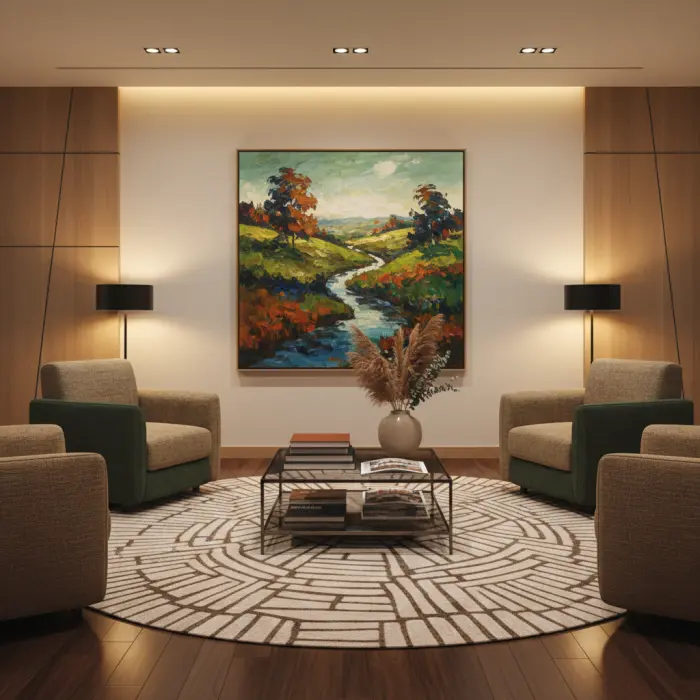
Modern impressionism art is transforming the way premium brands create memorable identities. Rooted in 19th-century breakthroughs yet reimagined for today’s creative landscape, modern impressionism harnesses expressive brushwork, luminous color, and emotional vibrancy—qualities that resonate strongly in the world of business branding. Forward-thinking companies are embracing this artistic movement to infuse their spaces, visual assets, and digital platforms with an elevated aura of sophistication and creativity. In this article, we’ll dive deep into the significance of modern impressionism, its evolution, and why integrating it may be the key to premium differentiation for your business brand.
Table of Contents
- Understanding Modern Impressionism
- Modern Impressionism in Business Branding
- How to Integrate Modern Impressionism in Branding
- ROI and Impact Measurement
- Conclusion
Understanding Modern Impressionism

The story of modern impressionism art begins in the late 1800s, when pioneering artists like Claude Monet, Vincent Van Gogh, Paul Gauguin, and Henri Matisse first challenged academic traditions. This fresh art movement, known as Impressionist Art, emphasized capturing the fleeting effects of light, mood, and movement with rapid brushwork and radiant color selection. Key Impressionist & Modern art figures—Wassily Kandinsky, Georges Seurat, L S Lowry, Wayne Thiebaud—expanded these techniques, introducing high-chroma tints, daring color range, and innovative mediums such as oil painting and watercolor.
Inspiration was drawn from plein air techniques, where artists painted directly from nature. Plein Aire painters, including The California Impressionists and those affiliated with the California Art Club, brought landscape painting into the modern era. Their artistic practice relied on color dots (a hallmark of Seurat’s pointillism), vibrant Rousseau Green Extra Pale and Video Blue Extra Pale shades, and the atmospheric play seen in fauvist techniques and even neurographic art. As the movement evolved, artists like Jackson Pollock, Pablo Picasso, Salvador Dali, and Edvard Munch infused abstraction and emotional depth, paving the way for abstract modern impressionist paintings and abstract watercolor paintings.
Notable institutions such as Musée d'Orsay and the Barnes Foundation feature impressive art collections, chronicling these and subsequent art movements. In today’s branding context, modern impressionism thrives due to its emotional energy and strong visual statement, setting it apart from traditional approaches that prioritized realism over artistic flair.
Modern Impressionism in Business Branding

- Emotional Impact: Impressionist Art stirs emotion through luminous, spontaneous brushstrokes and vivid color. Brands incorporating modern impressionism art benefit from these qualities, connecting with audiences on a visceral level.
- Prestige and Creativity: The association with legendary artists—Claude Monet, Vincent Van Gogh, Henri Matisse, and more—lends the aura of artistic excellence. Choosing a palette of high-chroma tints like Brilliant Lemon Light, Ruby Violet Light, and distinctive Available Mediums heightens the exclusivity of brand visuals.
- Memorability: Impressionist & Modern art’s unique style ensures logos, packaging, and physical spaces remain memorable. For premium businesses, this means meaningful differentiation and deep customer recall.
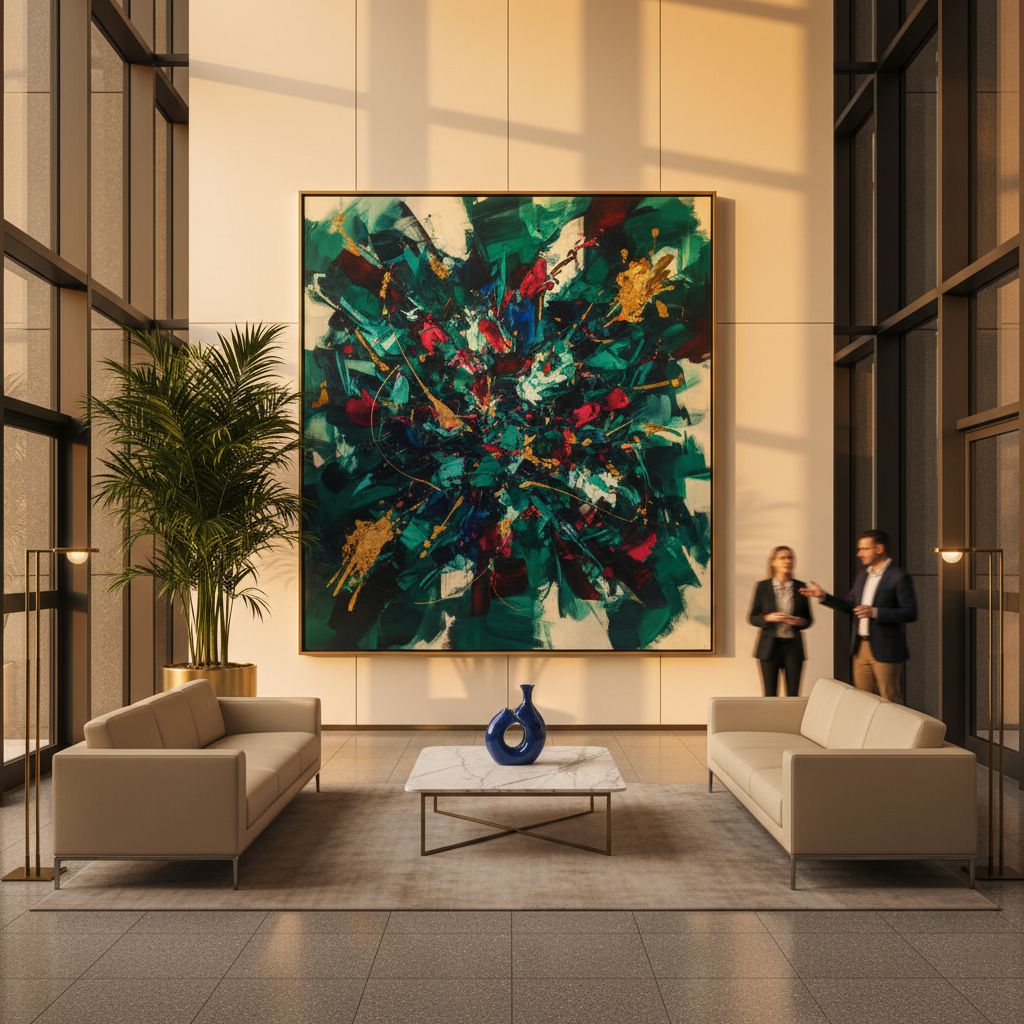
- Versatility: Modern impressionism fits seamlessly with both digital and physical assets. Whether highlighting landscape painting in an office lobby or digital campaign, or incorporating abstract modern impressionist paintings online, the style accommodates a variety of touchpoints.
Lenoir Decor’s custom oil paintings—a synthesis of traditional artistic values and contemporary technique—provide business clients access to original modern impressionism for branding environments, fostering both sophistication and innovation.
How to Integrate Modern Impressionism in Branding
- Define brand values and message: Consider how qualities such as energy, creativity, prestige, and optimism align with modern impressionism art.
- Choose the right art pieces: Assess artwork by color range, subject matter (cityscapes, portraiture, neurographic art, landscape painting), and medium. Look for options in oil painting or abstract watercolor paintings, and pay attention to color selection (Brilliant Lemon Light, Ruby Violet Light, Rousseau Green Extra Pale, Video Blue Extra Pale) to represent your brand’s unique identity.
- Work with experienced artists: Engage impressionist and contemporary artists familiar with plein air techniques and fauvist techniques for authentic results. Consider professionals such as Wayne Thiebaud, L S Lowry, or explore artists from the California Art Club.
- Commission or license artwork: Businesses may commission custom pieces or license existing works. Work with experts to navigate art collection options, including navigating museum-quality curation (Barnes Foundation, Musée d'Orsay) where possible. Lenoir Decor specializes in handmade, bespoke modern impressionism for sophisticated B2B applications.
- Brand consistency: Align modern impressionist elements with overall identity, from office design to digital content. Ensure the artwork’s style and palette remain consistent with brand guidelines.
- Multi-channel integration: Use modern impressionism art across print, digital, and experiential touchpoints for a cohesive, premium look.
ROI and Impact Measurement
- Assess business performance: Evaluate before-and-after metrics for brand perception, sales, and audience engagement after integrating modern impressionism art.
- Monitor brand perception: Use surveys, focus groups, and online sentiment analysis to gauge changes in audience attitude toward your brand’s sophistication, creativity, and emotional resonance.
- Track engagement: Measure web traffic, social shares, and dwell time on branded spaces (both digital and physical) adorned with modern impressionist & modern art.
- Qualitative feedback: Collect testimonials from clients, visitors, and employees to understand the emotional and aesthetic impact of impressionist art on daily experience.
- Benchmark competitors: Contrast performance with competitors using more conventional visuals to illustrate the unique ROI of this artistic practice.
Art consultants and agencies, such as those connected to Lenoir Decor, can help businesses establish objective metrics and interpret data, providing insight on whether your artistic investment is supporting premium positioning and tangible business goals.
Conclusion
Elevate your brand identity—explore modern impressionism art strategically. Incorporating modern impressionism art into your business branding is more than a nod to art history—it positions your company as a visionary leader embracing profound creativity and prestige. From selecting the right color palette to working with masterful artists skilled in plein air techniques and abstraction, you’ll unlock emotional power and memorable differentiation. Partnering with experts who understand this dynamic art movement, such as Lenoir Decor, makes all the difference. Embark on a journey where art and branding transform your business’s future.