French
 German
 Italian
 Arabic
 Japanese
 Spanish
 Korean
 Russian
 Portuguese
 Dutch
Dutch
 Norwegian
 Finnish
 Swedish

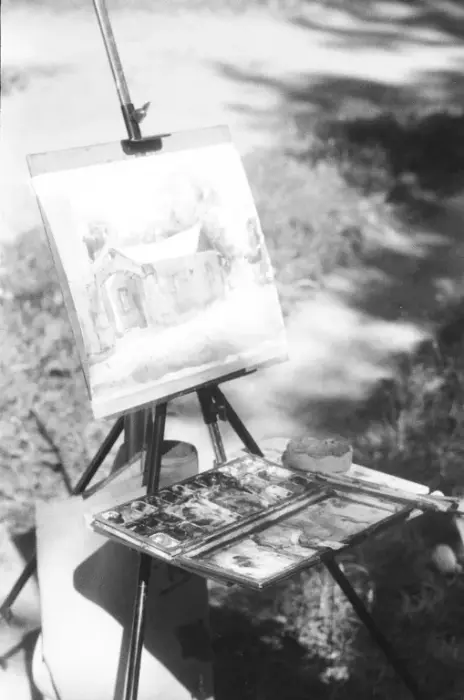
France has long been the beating heart of the global art scene, producing trailblazers whose creativity echoes across centuries. From the lush gardens of Impressionism to the bold abstractions that shaped modern art, France’s legacy is woven by some of history’s most famous artists. Whether it’s the luminous brushwork of Claude Monet or the revolutionary spirit of Jacques-Louis David, the influence of these visionaries lives on in art institutions, collections, and design trends worldwide. This article spotlights 12 influential French artists whose monumental achievements not only define “famous artists in France” but have reshaped how we perceive and create art across the globe.
Table of Contents
- List of 12 Influential French Artists
- The Art Movements and Their Contexts
- Visual Content
- Further Reading and Resources
- Conclusion
List of 12 Influential French Artists
.webp)
The story of global fine art cannot be told without delving into the lives and legacies of these remarkable individuals, who collectively represent the essence of france famous artists:
1. Claude Monet: (1840–1926) An undisputed leader among famous artists from France, Monet’s pioneering of Impressionism, with masterpieces like his “Water Lilies” series, revolutionized perceptions of light and color. His paintings inspire design trends even today, especially in custom oil paintings for collectors.
2. Édouard Manet: (1832–1883) Bridging realism and impressionism, Manet challenged social norms and broke artistic boundaries with works like “Olympia” and “Luncheon on the Grass.” His fearless choices paved the way for the avant-garde and modernism.
3. Henri Matisse: (1869–1954) Redefining color and expression, Matisse created iconic pieces including “Dance” and “Red Room.” As a founder of Fauvism, his vision influences both fine artists and modern designers, including the vibrant palettes seen in contemporary decor.
4. Paul Cézanne: (1839–1906) Widely recognized for reshaping perspectives and compositions, Cézanne’s “The Bathers” points to post-impressionism’s departure from tradition. He is frequently referenced in discussions about famous artist French innovating art’s formal qualities.
5. Georges Braque: (1882–1963) A key cubist alongside Pablo Picasso, Braque’s analytical approach to painting, highlighted by works like “Houses at L’Estaque,” influenced art’s transition from representation to abstraction.
6. Camille Pissarro: (1830–1903) Called the “father of Impressionism,” Pissarro’s depiction of rural and urban scenes in pieces like “Boulevard Montmartre” brought realism and humanity to the movement.
7. Marc Chagall: (1887–1985) Though Chagall’s roots were Russian-Jewish, his journey found definition in France. His luminous, storybook works such as “I and the Village” reflect both modernist innovation and a deep reverence for folklore.
8. Pierre-Auguste Renoir: (1841–1919) Celebrated for infusing Impressionism with warmth, sensuality, and humanity, Renoir’s “Luncheon of the Boating Party” remains a testimony to his global influence.
9. Edgar Degas: (1834–1917) Renowned for his dynamic studies of ballet dancers, like “The Ballet Class,” Degas married classical technique with a modern view of motion and the human body.
10. Henri de Toulouse-Lautrec: (1864–1901) Capturing the energy of Parisian nightlife in works like “Moulin Rouge,” Toulouse-Lautrec’s posters have become timeless symbols of art nouveau.
11. Jean-Michel Basquiat: (1960–1988) Though born in New York, Basquiat’s French-Haitian heritage and career connection to France has secured him a place among influential french artists famous world-wide for graffiti-inspired artworks like “Untitled (Skull).”
12. Jacques-Louis David: (1748–1825) A leader of Neoclassicism with masterpieces such as “The Death of Socrates,” David illustrates art’s power to shape ideals, politics, and revolutions.
These renowned figures are only part of a much broader tapestry that includes names like Gustave Courbet, Nicolas Poussin, Berthe Morisot, François Boucher, Charles Le Brun, Hyacinthe Rigaud, Jean-Auguste-Dominique Ingres, Pierre Soulages, Victor Vasarely, Jean-Baptiste Oudry, Jean-Baptiste Lemoyne, Jean-Baptiste Pigalle, Juste-Aurèle Meissonnier, Guillaume Coustou, Étienne Maurice Falconet, Bernard II van Risamburgh, Pierre Vernet, Claude Lorrain, Georges Mathieu, and Marcel Duchamp. Each contributed unique methods, styles, or ideas that continue to influence custom fine art interpretations and decor solutions globally.
The Art Movements and Their Contexts
French art’s dynamism owes much to its artists’ appetite for innovation and its cultural openness. Consider how major art movements have been shaped by or originated from these most famous French artist legends:

- Impressionism: Developed by Claude Monet, Pierre-Auguste Renoir, and Edgar Degas, Impressionism broke from tradition by focusing on the fleeting impression of a scene, pushing light, shadow, and open-air compositions. Camille Pissarro and Berthe Morisot greatly enriched this vision.
- Post-Impressionism: Artists such as Paul Cézanne and Pierre Vernet furthered the exploration of color, form, and structure, directly paving the way for Cubism and abstraction.
- Fauvism: Henri Matisse, along with fellow innovators like Georges Mathieu and Pierre Soulages, emphasized bold hue and simplified structure, overturning academic standards and celebrating personal expression.
- Cubism: Pioneered by Georges Braque and Pablo Picasso, Cubism challenged the one-point perspective and fragmented objects, which influenced decorative art and interior design irreversibly.
- Neoclassicism & Academic Styles: Jacques-Louis David, Jean-Auguste-Dominique Ingres, Charles Le Brun, and Hyacinthe Rigaud revitalized ancient motifs—these artists inspired palatial interiors and classical elements in today’s fine decor.
- Realism to Modernism: Gustave Courbet and Édouard Manet confronted social realities; Jean-Baptiste Oudry, Jean-Baptiste Lemoyne, Jean-Baptiste Pigalle, Guillaume Coustou, François Boucher, and Juste-Aurèle Meissonnier contributed to both the technical evolution and decorative grandeur of French art.
- Modern & Contemporary Movements: Marcel Duchamp and Victor Vasarely propelled conceptual art and Op Art, while Bernard II van Risamburgh, Pierre Vernet, and Étienne Maurice Falconet influenced design, sculpture, and furniture aesthetics, bridging art and function. The impact of Jean-Michel Basquiat’s street art, Pierre Soulages’s abstraction, and Marc Chagall’s dreamy modernist symbolism has echoed into gallery and home design worldwide.
The vibrant tapestry of these movements mirrors the intermingling of international ideas in Paris, especially through collaborations—such as Braque and Picasso’s Cubist experiments—and the absorption of outside influences, seen in artists like Marc Chagall and Victor Vasarely. Lenoir Decor’s custom oil painting service draws direct inspiration from this heritage, enabling B2B clients to curate unique interiors that pay homage to these legendary styles and innovations.
Visual Content
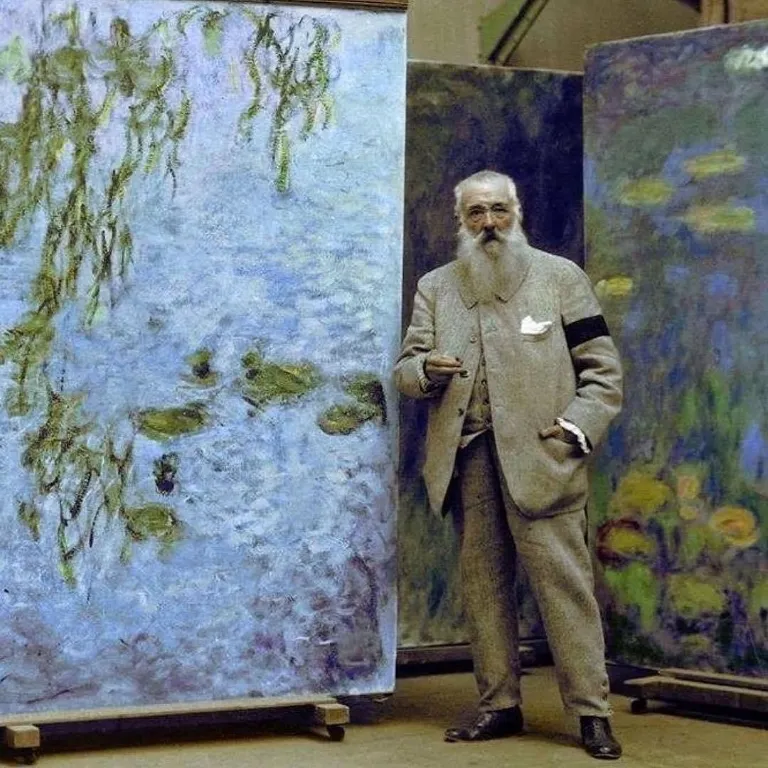
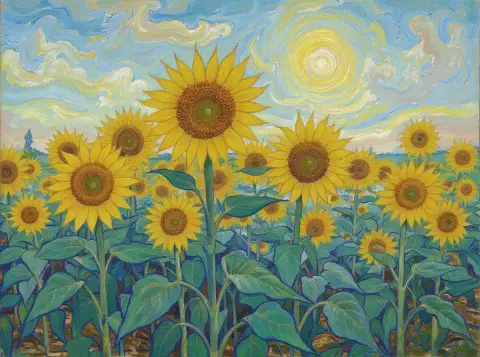
A single masterpiece can speak volumes; visual content is central to appreciating the legacies of france famous artists. Incorporating images of notable works—like Monet’s ethereal “Water Lilies,” Matisse’s vivid “Red Room,” Cézanne’s structured “The Bathers,” or Braque’s angular cubist paintings—deepens understanding and emotional connection.
Visual aids such as:
- Paintings: Displaying “Luncheon of the Boating Party” (Renoir) or “Moulin Rouge” posters (Toulouse-Lautrec) instantly brings a space to life, echoing the energy of famed Parisian salons.
- Sculpture: Presenting works by Jean-Baptiste Lemoyne, Étienne Maurice Falconet, or Guillaume Coustou conveys the grandeur and technical prowess of French classicism and baroque.
- Tapestry & Decorative Arts: Images and renderings inspired by François Boucher, Bernard II van Risamburgh, and Juste-Aurèle Meissonnier offer a window into rococo extravagance and refined detail.
For B2B clients seeking high-impact interiors, collaborating with experts in custom oil painting and design—like Lenoir Decor—guarantees access to made-to-order reproductions and inspired original pieces that honor the spirit and quality of the famous artist of France.
Further Reading and Resources
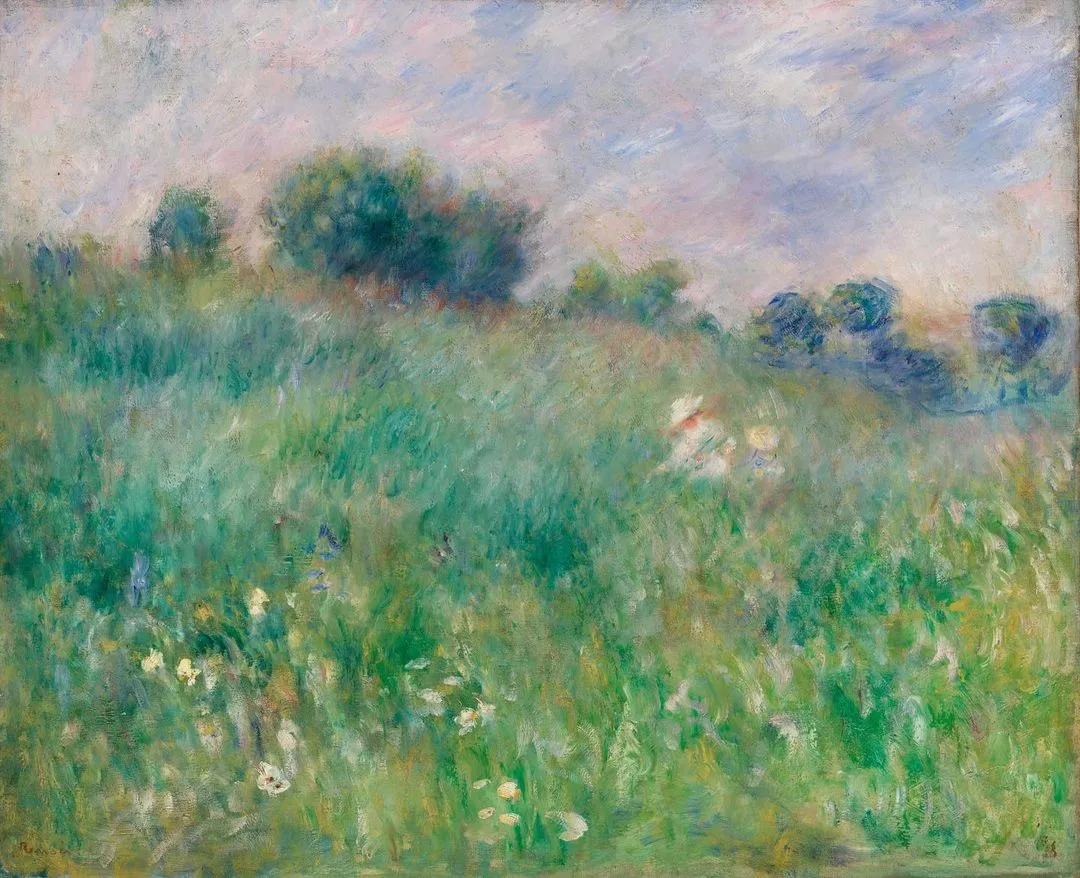
Meadow (La Prairie) by Pierre-Auguste Renoir, c. 1880.
For readers wishing to delve deeper into the world of french artists famous for transforming art, or to find works for study or inspiration, consider these resources:
- Books & Journals: Publications such as "Monet: The Triumph of Impressionism," "The Cubist Vision," or journals on modern French painting.
- Documentaries: Films exploring the lives of Monet, Renoir, Matisse, and the revolutionary impact of movements like Cubism and Fauvism.
- Museums & Galleries: Permanent and traveling exhibitions at The Musée d'Orsay (Paris), Centre Pompidou (Paris), The Louvre (Paris), Tate Modern (London), The Metropolitan Museum of Art (New York), and The Hermitage (St. Petersburg) feature many celebrated works by most famous French artist and their contemporaries.
- Art Institution Websites: Digital collections and archives provide unparalleled access to research, high-resolution images, and expert commentary.
Lenoir Decor works closely with collectors, designers, and institutions seeking bespoke interpretations of these iconic styles. Explore our blog for articles on French art timelines, related movements, and integrating custom fine art into modern interiors.
Conclusion
Bring timeless elegance to your space with French art inspiration. The legacy of the famous artists in France and their peers is not just preserved in museums, but is continually re-imagined in today’s art, decor, and even in the customized commissions available to discerning B2B clients. Their influence reminds us that every masterpiece—classic or contemporary—began as a bold vision worth celebrating and sharing.
.webp)