French
 German
 Italian
 Arabic
 Japanese
 Spanish
 Korean
 Russian
 Portuguese
 Dutch
Dutch
 Norwegian
 Finnish
 Swedish

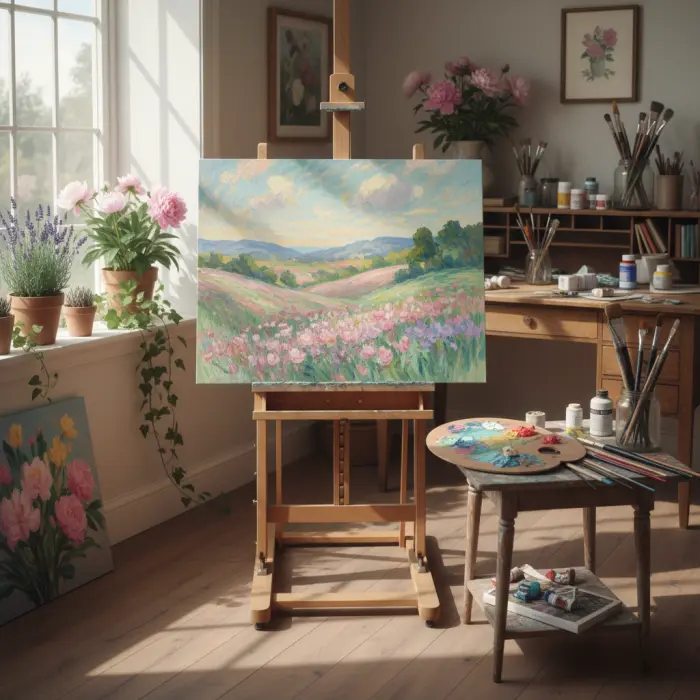
Impressionist landscape art forever altered the direction of art history, illuminating the beauty and emotion of nature through distinctive brushstrokes and vivid color palettes. Emerging in the late 19th century, Impressionism elevated everyday scenes and landscapes, capturing light and atmosphere in a spirited, spontaneous style. Today, the movement’s influence is felt not just in classical galleries but in modern impressionism art and creative practices worldwide. This comprehensive guide delves into the origins, masters, signature techniques, and relevance of Impressionist landscape paintings for art enthusiasts, educators, and anyone inspired by nature’s ever-changing brilliance.
Table of Contents
- Overview of Impressionism
- Notable Impressionist Artists and Their Works
- Impressionist Painting Techniques
- Educational Resources and Modern Inspiration
- Conclusion
Overview of Impressionism
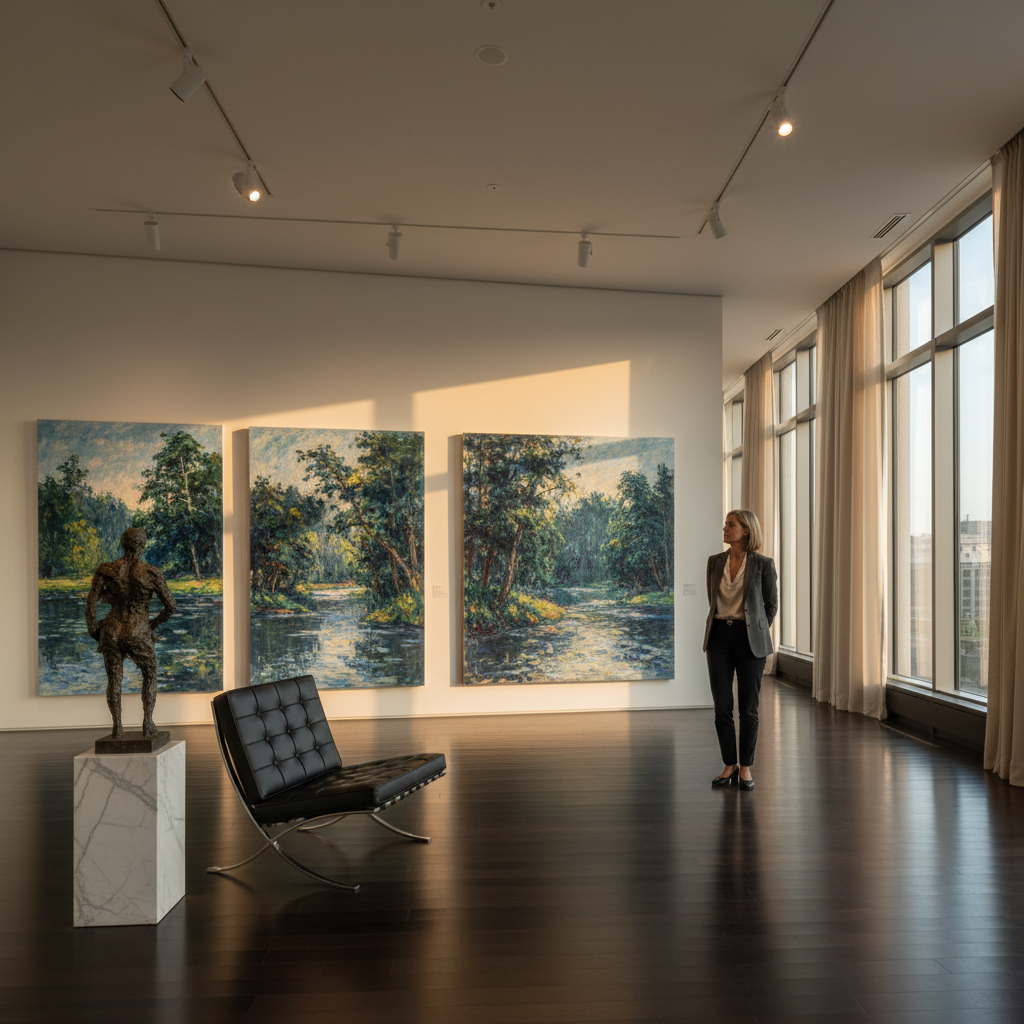
The Impressionist movement began in France in the late 1800s, marked by its radical break from academic traditions and focus on capturing fleeting moments from contemporary life. Trailblazing exhibitions, especially the first Impressionist show in 1874, sparked heated public debate and shifted the paradigm of art criticism. Key figures like Claude Monet, Camille Pissarro, and Pierre Auguste Renoir challenged conventions with their daring interpretations.
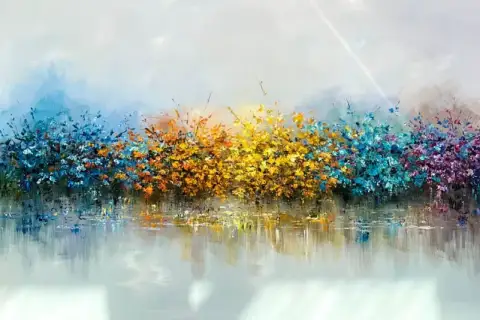
Impressionist art is renowned for its use of light, color, and loose, visible brush strokes that evoke movement and atmosphere. Artists often painted outdoors (en plein air), closely observing how sunlight transforms landscapes throughout the day. A distinctive color palette—favored synthetic pigments and vibrant, unmixed hues—helped them express atmospheric effects and an emotional impression rather than a precise photographic record. The focus on nature, everyday life, and scenic compositions like rivers, gardens, and vibrant sunset skies became synonymous with impressionist art modern.
Notable Impressionist Artists and Their Works
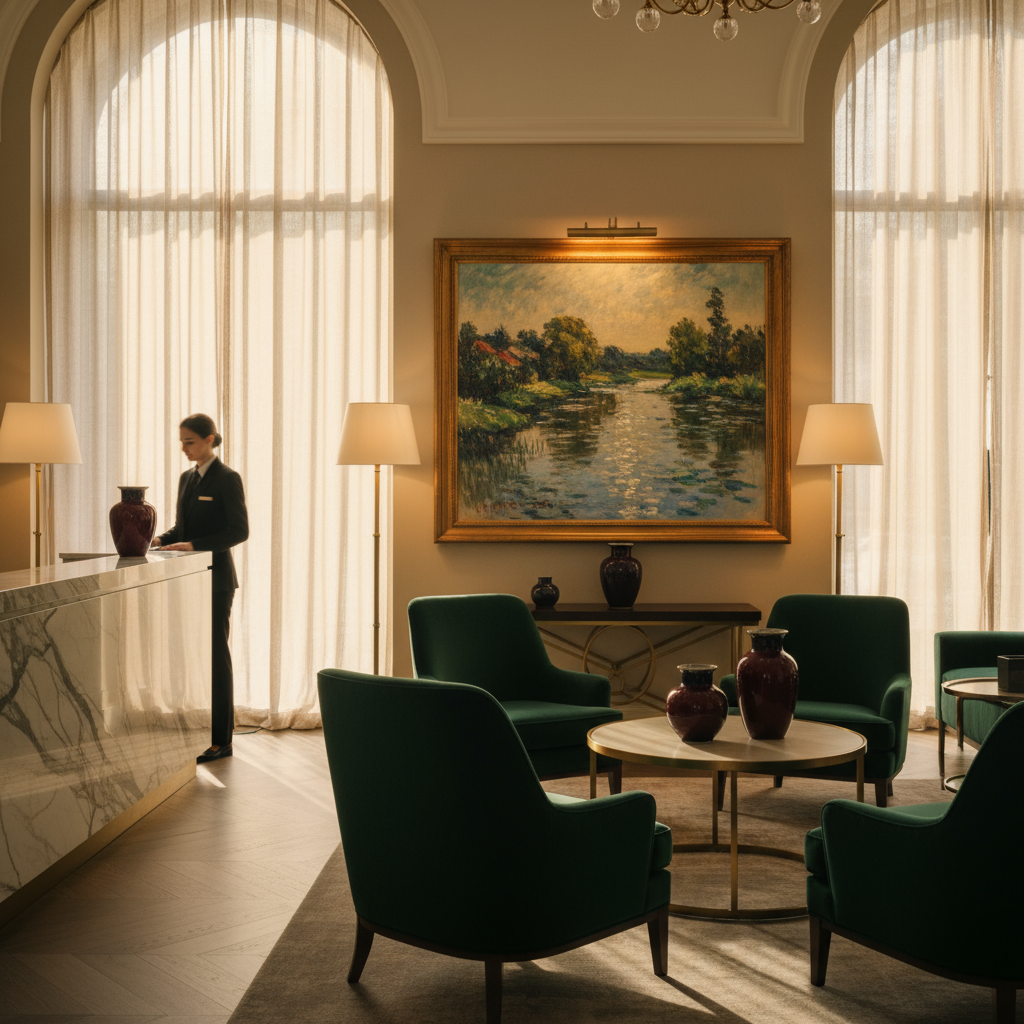
Claude Monet led the Impressionist landscape revolution with masterpieces such as "Impression, Sunrise," where hazy ports and glimmering water signaled a new era. In "Landscape at Vétheuil" and "Boats Moored at Argenteuil," Monet’s dynamic brush strokes captured tranquil countryside vistas and shimmering rivers.
Camille Pissarro championed rural landscapes and peasant life, while Alfred Sisley painted scenes defined by shifting weather and light. Pierre Auguste Renoir offered color-rich depictions of parks and gardens, often highlighting leisure and community. Other pioneers include Édouard Manet, whose innovative take on social scenes influenced younger Impressionists, and Eugène-Louis Boudin, Monet’s mentor in outdoor painting.
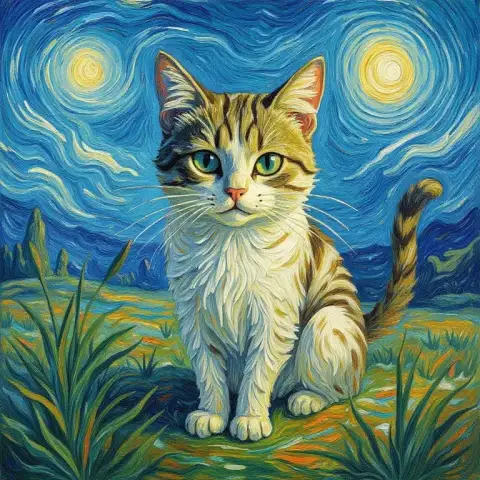
Vincent van Gogh, though often associated with Post-Impressionism, remains celebrated for landscape paintings like "The Starry Night," his turbulent depiction of swirling night skies. Paul Cézanne, Paul Gauguin, Georges Seurat, Georges-Pierre Seurat, Odilon Redon, and Henri Rousseau expanded the field, pushing Impressionist Landscapes into diverse new directions and integrating influences like Japanese art. Iconic works such as "Boulevard Montmartre at Night" exemplify the variety and vibrancy within Impressionist landscape art.
Impressionist Painting Techniques
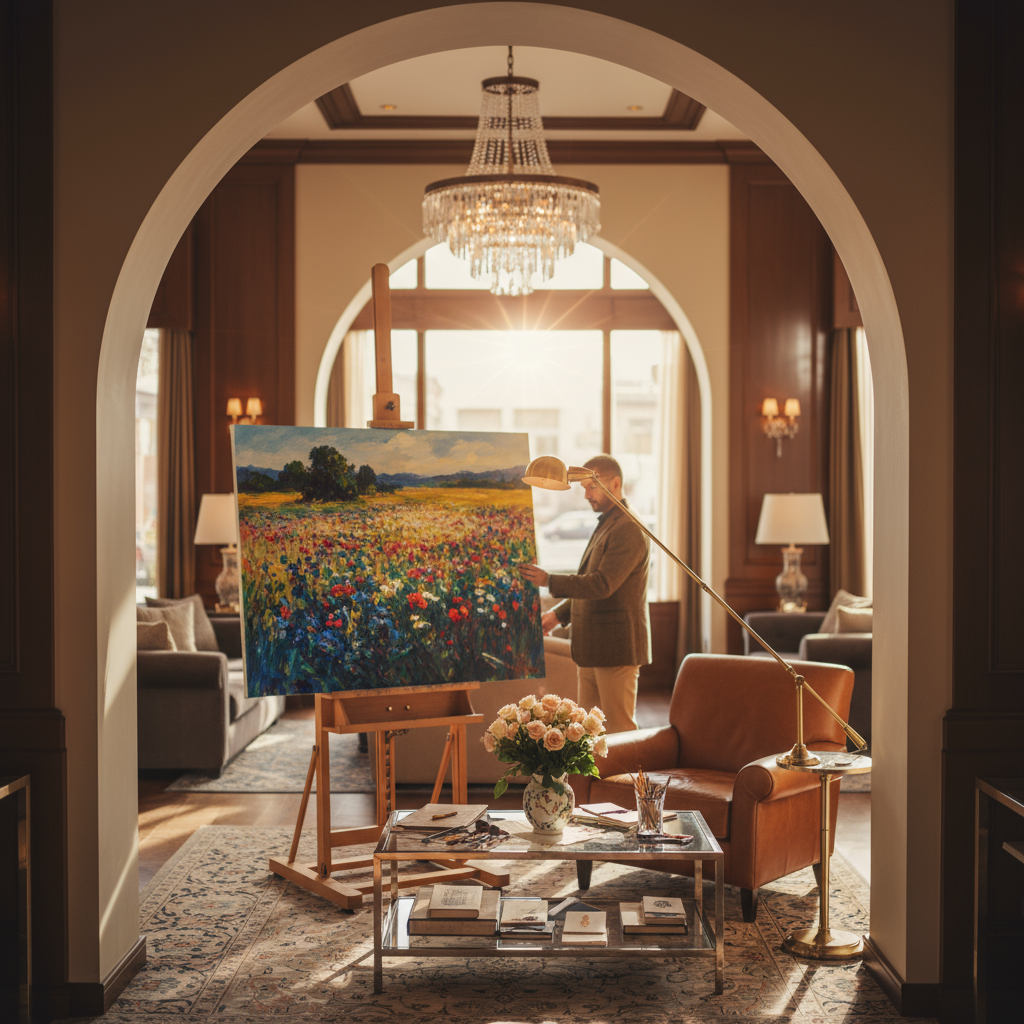
Impressionist painters aimed to translate immediate sensory experiences onto canvas—an approach demanding practice and experimentation. Central to their method were short, thick brush strokes created with specialized art supplies: round, filbert, and flat brushes gave varied mark-making options.
• Brush strokes: Impressionist artists used rapid, broken touches to convey movement and changing light, often leaving visible tracks.
• Oil paints and synthetic pigments: High-quality oil painting supplies—often containing newly available synthetic pigments—enabled the bright, luminous palettes that define Impressionist works.
• Plein air painting: Working outside encouraged spontaneous color mixing and direct observation of shifting sunlight on landscapes.
• Canvas preparation: Choice of surface, from finely woven linens to sturdy canvas boards, affected texture and absorbency.
For beginners and professionals, selecting the right art supplies is essential. Experimenting with color palette, layering techniques, and tools brings out the expressiveness of Impressionism. Many Impressionists also painted Self Portraits to hone brushwork and convey an emotional impression, while studies of vibrant sunset skies and natural scenery offered endless variation.
Educational Resources and Modern Inspiration
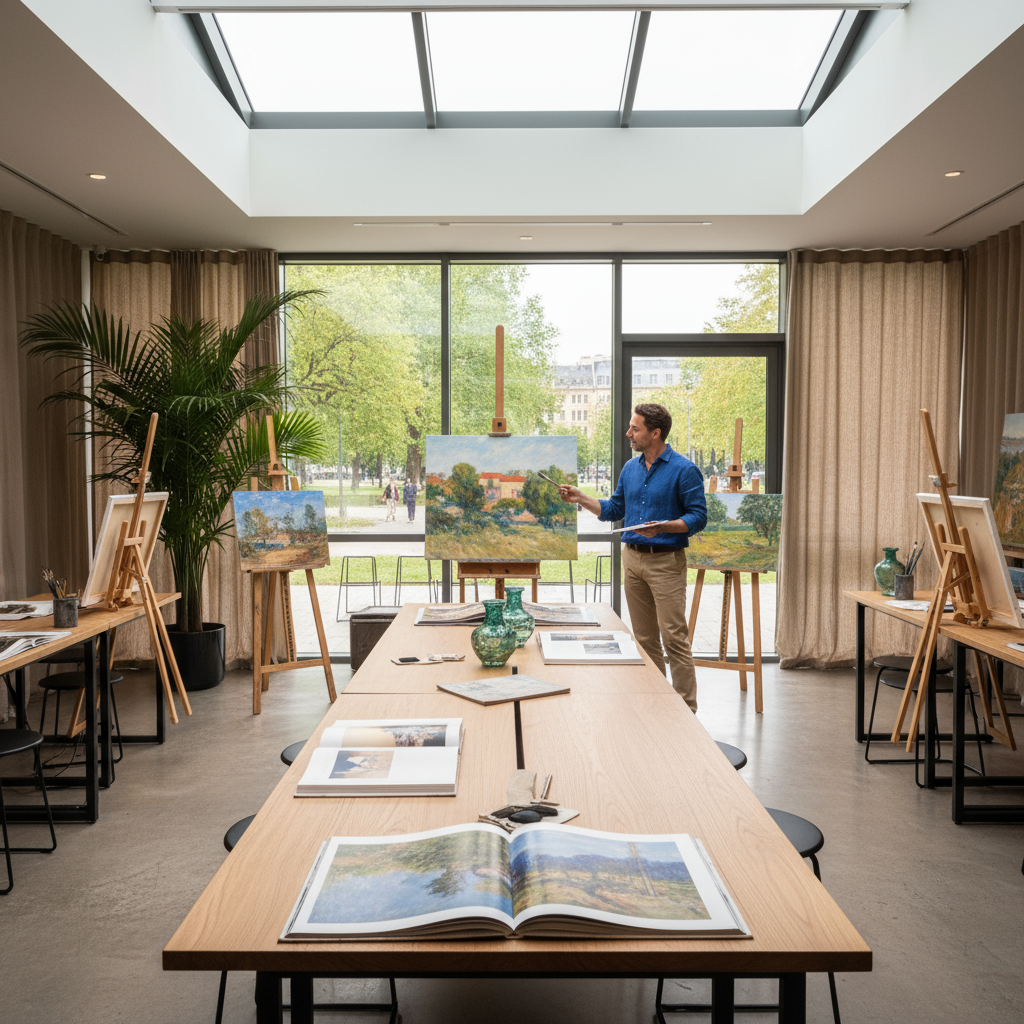
For those eager to master Impressionist landscape techniques, a range of resources awaits. Art educators can find lesson plans, classroom activities, and printable guides that teach brush strokes, color theory, and landscape composition—even using iconic works for visual reference. Artists at all levels can access DIY tutorials—step-by-step guides from the first sketch to the finished painting, plus advanced workshops focused on capturing light and atmosphere.

Modern impressionism art continues to thrive. Today’s artists reinterpret Impressionist landscapes with contemporary flair, often exploring virtual galleries and participating in digital exhibitions. Museums like the Denver Art Museum celebrate the legacy of Impressionist Landscape paintings, while online communities connect art enthusiasts sharing projects and inspiration. By embracing the techniques, subject matter, and spirit of Impressionist pioneers, creators today blend tradition and innovation.
Conclusion
Explore modern impressionism art and unleash your creativity. Impressionist landscape art remains a dynamic, inspiring influence on artists, educators, and collectors worldwide. Whether you’re drawn to iconic works, guided tutorials, or unique interpretations, this timeless style invites you to see the world through fresh eyes. Discover more resources, visit digital museums, or connect with Lenoir Decor to commission a custom oil painting in the Impressionist tradition—bringing nature’s beauty to your professional space.