French
 German
 Italian
 Arabic
 Japanese
 Spanish
 Korean
 Russian
 Portuguese
 Dutch
Dutch
 Norwegian
 Finnish
 Swedish

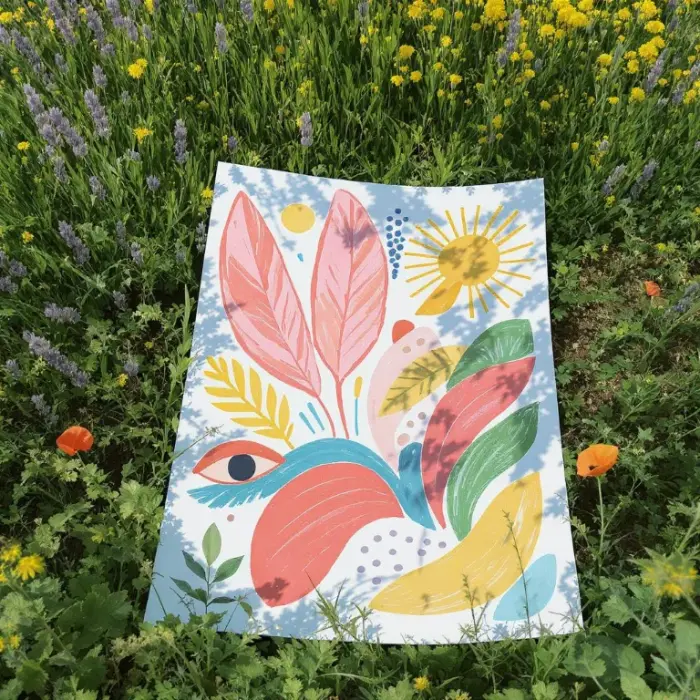
Imagine standing before a painting that moves you so deeply, you feel your innermost feelings stirred—a moment where the power of art transcends words entirely. Art’s profound impact on individuals isn’t just poetic: studies show over 70% of people report feeling strong emotions when interacting with visual elements in art galleries. This connection between art and viewer can challenge preconceived notions, bridge cross-cultural dialogues, and spark empathy in even the least likely spaces. This blog article explores how a single piece of art, whether stemming from traditional mediums or modern digital art forms, can serve as a powerful catalyst for emotional exploration and interpretation of art. By delving into psychological, artistic, cultural, and historical contexts, we uncover how both classic and contemporary artists use their creative abilities as a medium for expression. Ultimately, we reveal how one painting holds the ability to spark deep emotional connection, offering an additional layer of meaning and understanding for art lovers worldwide.
Understanding the Emotional Impact of Art
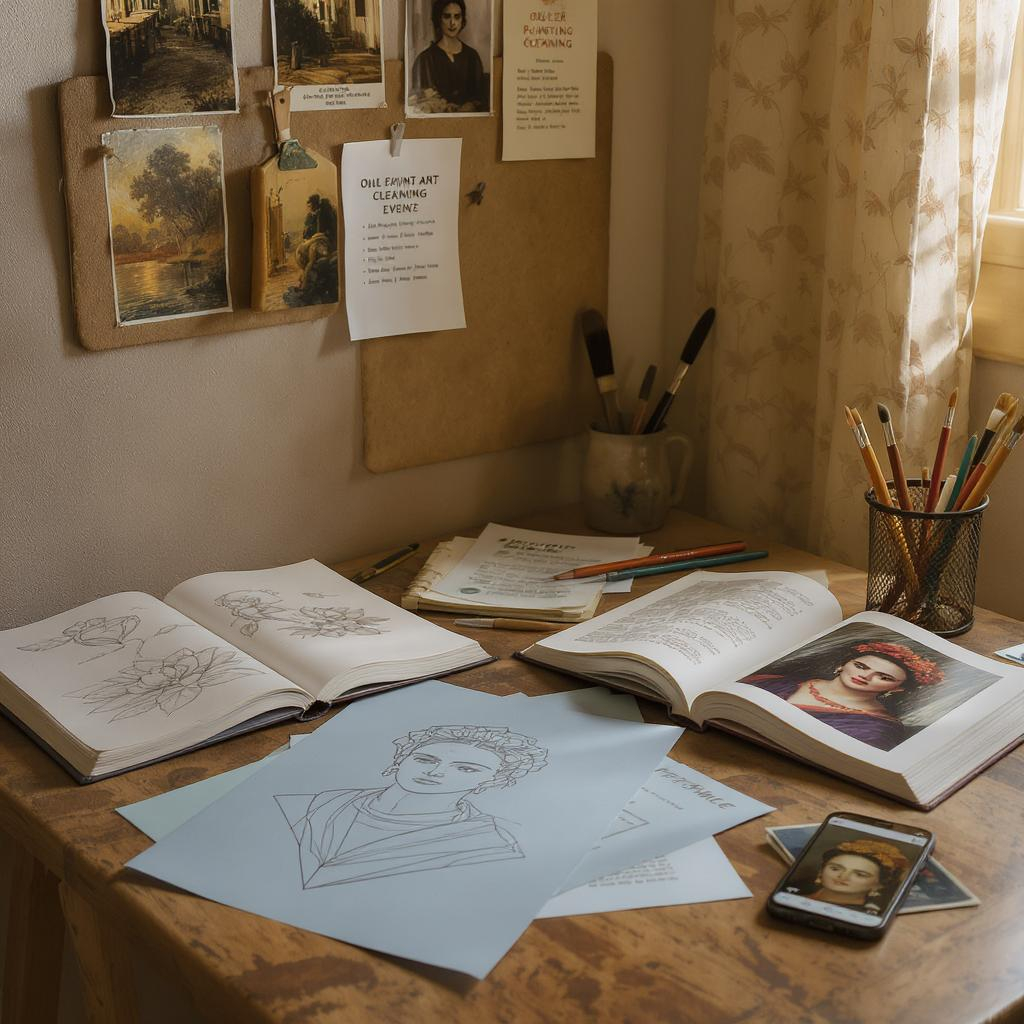
The relationship between art and emotion has fascinated psychologists for decades. Theories such as aesthetic experience, emotional resonance, and catharsis suggest that art makes us conscious of pent-up emotions, serving as a medium for expression and release, as seen in art therapy activity. Neuroscientific studies show that when people view a painting, the brain's limbic system—the same area involved in feelings of empathy and connection—lights up, explaining the strong emotions and sense of connection people experience. Cognitive and subconscious triggers in artistic narrative can be powerful catalysts for recalling life events or stirring dormant feelings, providing a sense of belonging or revealing uncomfortable truths through artistic forms.
Art critics and historians, particularly those specializing in American artists and global cultural narratives, help us decode the emotional weight and historical context of art. Layered interpretations diversify responses: a painting’s subject matter, brushwork, and use of vibrant colors can all add an additional layer to its emotional impact. The act of interpretation often becomes a tool for communication—between artist, viewer, and society. Framing, narrative structures, or even the placement of public art installations in daily lives can strongly shape viewer perception, transforming lovely paintings into social commentary or catalysts for dialogue about societal issues like human rights or environmental degradation.
Artistic Techniques That Elicit Emotion
Use of Color, Light, and Form
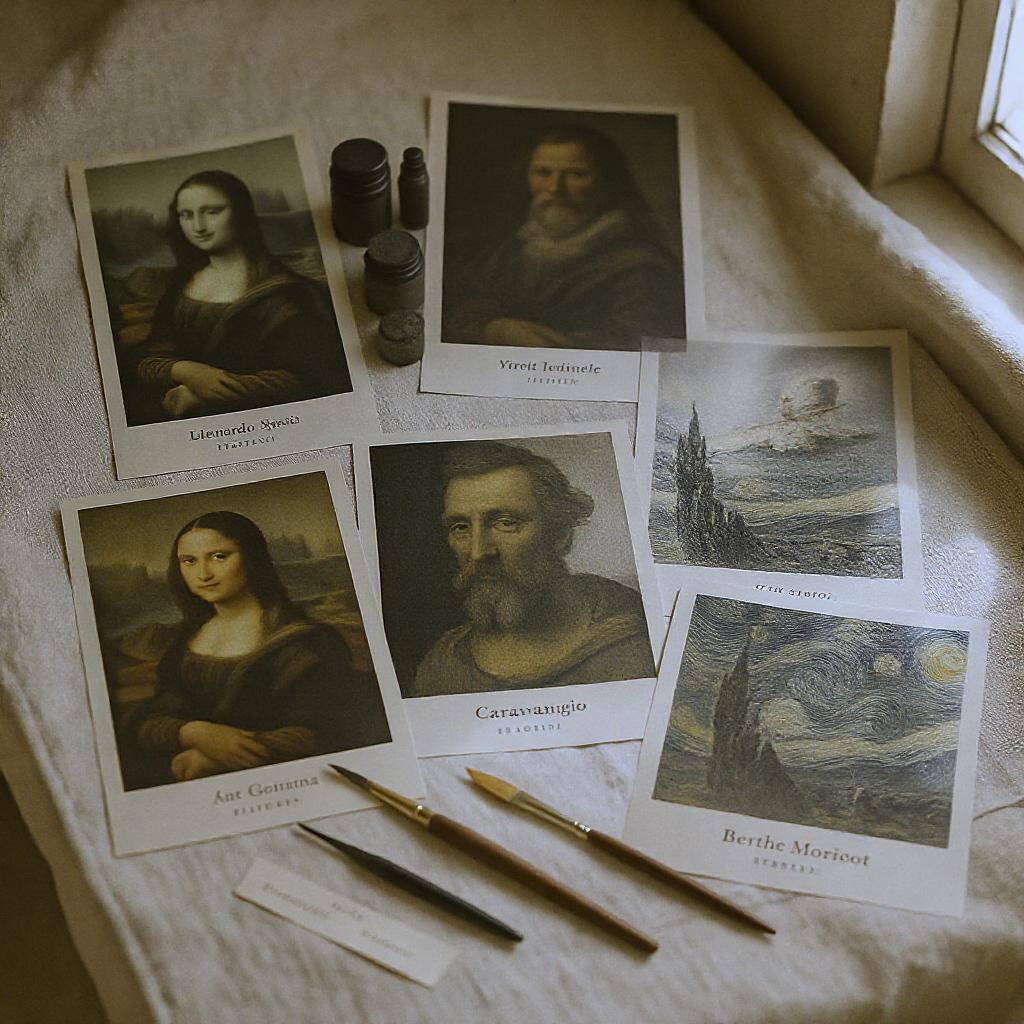
Color theory is an essential aspect of emotional exploration in art. Cool colors, for example, evoke calm or melancholy, while vibrant colors ignite excitement or joy. Vincent van Gogh, known for his mastery in handling both cool and vibrant hues, used color to depict feelings of nostalgia, longing, and hope. Techniques such as composition, light, shadow, and brushwork are traditional mediums that contemporary artists continuously expand upon. Brushstroke direction, paint thickness, and visual language provide an aspect of art that conveys a profound connection with viewers at both cognitive and emotional levels. Master artists—be they from the Renaissance, like da Vinci, or contemporary American artists—demonstrate strong emotions through their manipulation of form, producing both serene and intense aesthetic experiences.
Symbolism, Metaphor, and Narrative
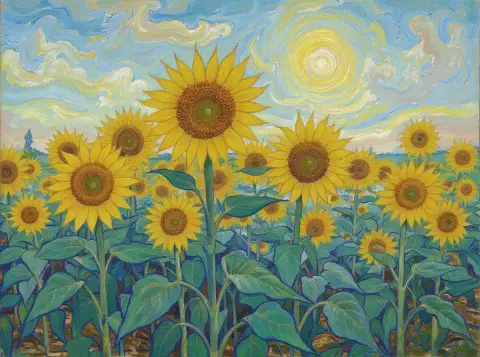
Symbolism adds depth, transforming scenic vistas into emotionally charged artistic narratives. The sunflower in Vincent van Gogh’s works, for instance, acts as a universal language for resilience and beauty amid adversity. Storytelling techniques invite art lovers inside the canvas, where they can engage in emotional exploration and interpretation of art. Case studies, such as the emotional bond crowds form with iconic paintings like Munch’s "The Scream," show how metaphorical and symbolic details produce a deeper connection across generations and borders.
Cultural and Historical Context of Emotional Artworks
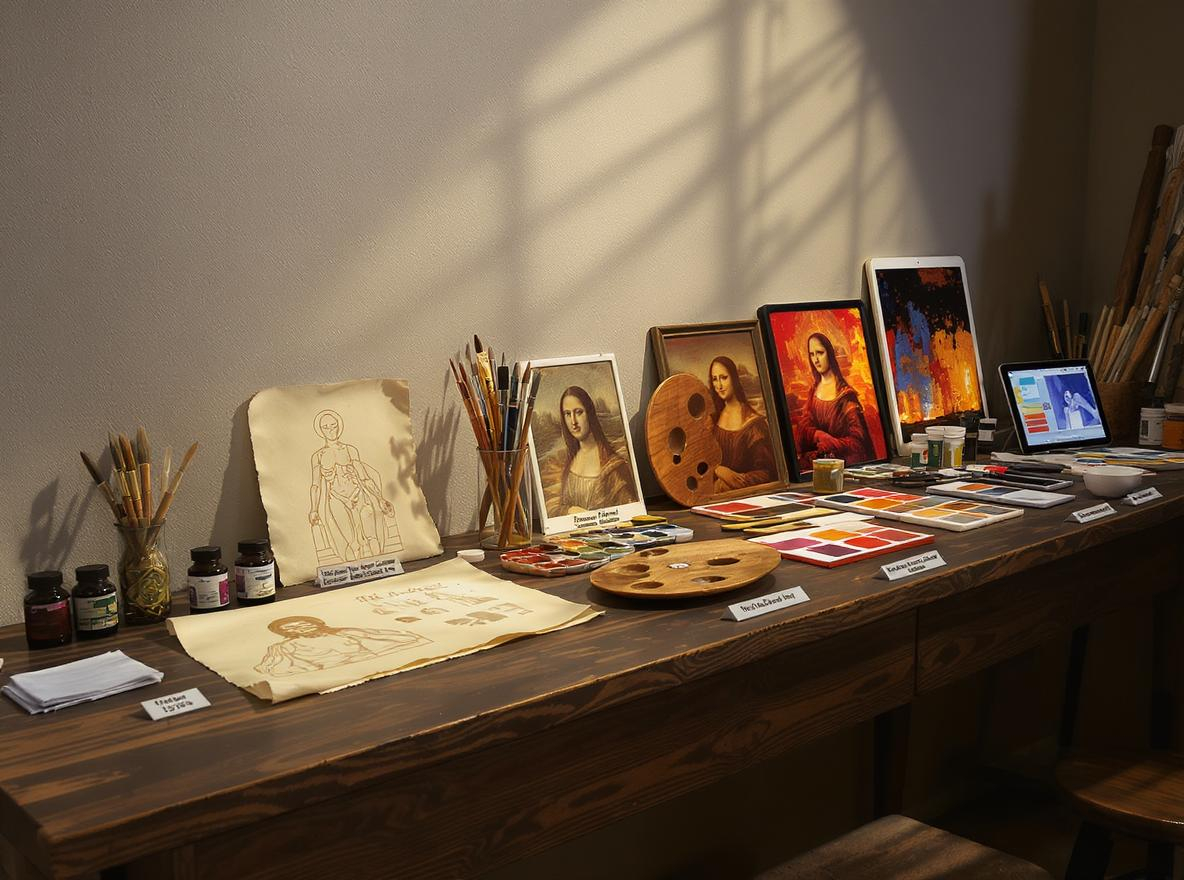
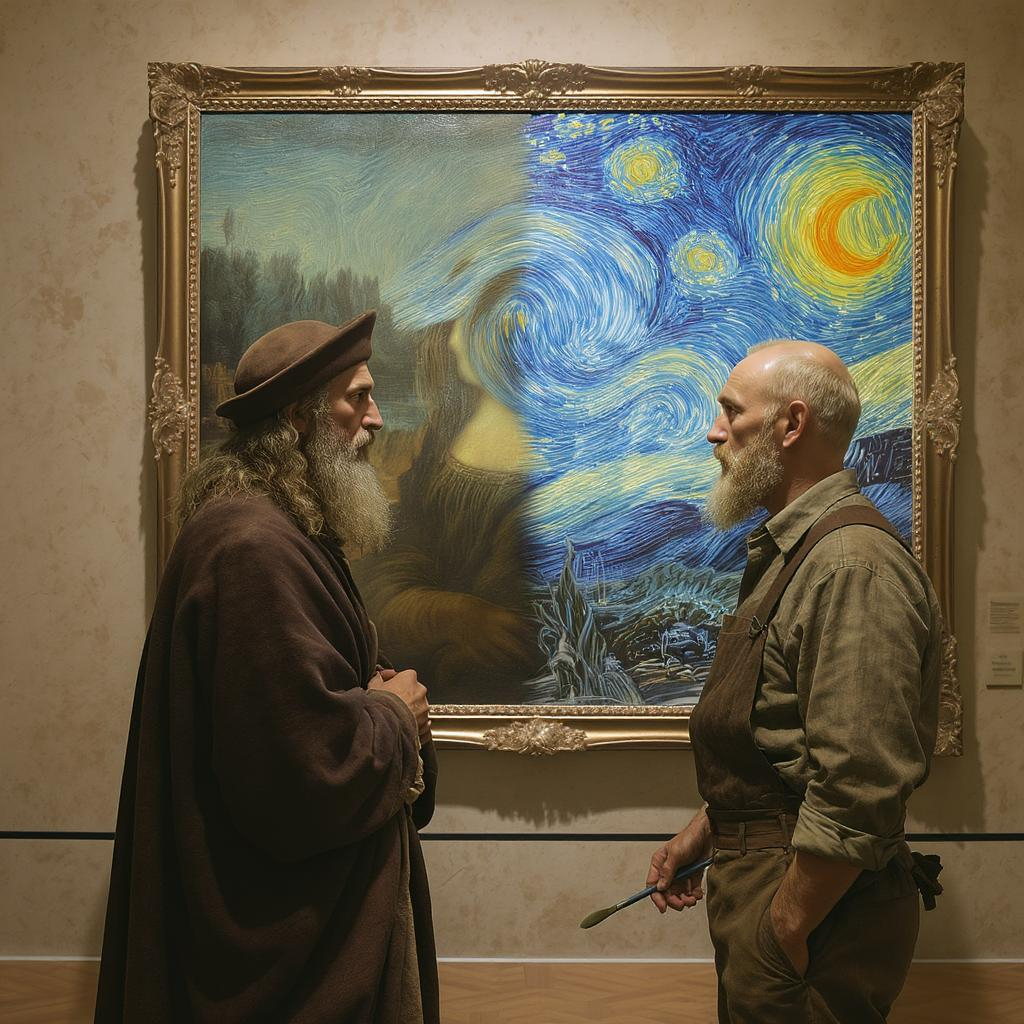
Landmark paintings across time, from Vincent van Gogh’s "Starry Night" to more recent digital painting masterpieces by contemporary artists, demonstrate that the emotional impact of art is timeless. Socio-political backdrops—war, peace, societal change, or movements for human rights—shape both subject matter and medium for expression. During times of environmental degradation or social upheaval, paintings often carry increased emotional weight and serve as potent tools for social commentary. Artistic techniques for evoking emotion continue to evolve, but the power of art to provoke empathy and a sense of belonging persists regardless of artistic forms or historical context.
Cultures vary in their interpretation of art’s emotional resonance. Traditional Eastern art may use subtle visual elements and auditory elements (in musical painting traditions) to evoke serene emotions, while Western art often displays emotional intensity in vivid brushwork or public art installations. Cultural heritage influences what is seen as aesthetically pleasing or emotionally moving: art therapy and Arts Therapy, too, highlight how different societies harness art as a tool for communication and mental health. Cross-cultural dialogues fostered by international exhibitions and online blogs reveal that the ability of art to connect innermost feelings is truly universal.
Personal Connections and Stories Inspired by Art

Countless individuals recount transformative experiences with a piece of art—feeling a profound impact that lasts well beyond the initial encounter. For instance, workers in busy offices find a renewed sense of balance and mental health through lovely paintings supplied by trusted partners like Lenoir Decor for their workspaces. Interviews capture how personal history shapes art appreciation: an abstract landscape may evoke strong emotions of nostalgia for some, while others sense deeper connection tied to memories or cultural narratives from their homeland. Testimonials from around the world display how background, life events, and emotional level inform each person’s relationship between art and their daily lives.
Artists reveal the intent behind their visuals, explaining how art therapy can help release pent-up emotions, create a cathartic experience, or act as a catalyst for dialogue on societal issues. Art lovers share on social media, blogs, and in public forums stories of becoming lost in the power of a single painting, moved by its artistic mediums and auditory elements (such as depictions of the power of music alongside visual expression). Digital platforms amplify the interpretation of art, allowing contemporary artists and audiences to connect on a deeper level through shared stories and insights.
Practical Guides for Engaging with Art
To develop a deeper connection with art, start by observing without preconceived notions. Let the visual language, symbolic details, and color palette evoke a gut response first. During gallery visits, engage in mindful observation. Note how different artistic mediums—oil, digital painting, watercolors—affect your emotional response. Jot down thoughts and feelings. Reflect on how a piece of art or a piece of music might align with recent life experiences, offering an additional layer of interpretation and emotional exploration. Train your receptivity by comparing your responses to works from American artists or public art installations with those from other cultural backgrounds.
Guided virtual gallery tours now offer immersive experiences, while apps focused on art therapy and Arts Therapy can help users tap into the positive impact of creative expression. Community workshops and art appreciation events, such as those curated by Lenoir Decor, create a sense of belonging and facilitate emotional exploration in group settings. Practices like journaling about a painting’s emotional weight or sketching its subject matter can transform art appreciation into a cathartic experience, deepening both the aesthetic experience and the emotional bond.
Additional Resources for Art Lovers
-
"Art as Therapy" by Alain de Botton and John Armstrong: A book exploring how artistic forms can improve mental health and quality of life.
-
"The Story of Art" by E.H. Gombrich: An accessible look at the evolution and cultural context of visual art across ages.
-
Lenoir Decor’s online resource hub features curated articles, virtual gallery tours, and inspiration galleries to help businesses and art lovers foster a sense of balance and creative expression in professional spaces.
-
Digital archives such as the Metropolitan Museum of Art (metmuseum.org) and Google Arts & Culture offer panoramic tours and high-resolution images for in-depth, cross-cultural dialogue.
-
Local workshops and meet-ups facilitated by licensed art therapists can help translate artistic abilities into powerful tools for communication, social commentary, and emotional exploration.
Visual and Interactive Content to Enhance Engagement
High-resolution images of discussed paintings, such as Vincent van Gogh’s and works by American artists, enhance understanding of color, form, and symbolism. Video content and virtual tours guide viewers through artistic narrative, historical context, and the intersection of art movements. Interactive infographics explain key emotional and artistic mechanisms, including the impact of cool colors, the power of music, and the ability of art to foster social change. Clickable timelines and cross-cultural maps illustrate the evolution of artistic mediums—from traditional oil painting to contemporary digital art forms. Digital platforms and blogs provide space for real-time discussions, reviews, and shared emotional experiences, expanding art’s reach and deepening its impact.
Embrace the Power of Art in Your Life
Experience the transformative power of art in your own life. A single painting can stir a profound connection, acting as a universal language that bridges cultural heritage, contemporary narratives, and personal experiences. This unique relationship between art and viewer demonstrates how artistic abilities—nurtured through traditional mediums or cutting-edge digital art forms—spark emotional exploration, empathy, and healing. Whether through mindful gallery visits, virtual tours, or creative expression in the form of journaling or sketching, anyone can access the essential aspect of art: its power to catalyze dialogue, support mental health, and illuminate shared humanity. Let this be your invitation to seek out lovely paintings, engage in cross-cultural dialogues, and unlock the additional layer of meaning waiting within every brushstroke. Support art in your community, celebrate contemporary artists, and consider integrating the positive impact of custom handmade paintings into your spaces—inviting not just aesthetic experience but a richer tapestry of exploration emotion and connection in your daily life.
.webp)