French
 German
 Italian
 Arabic
 Japanese
 Spanish
 Korean
 Russian
 Portuguese
 Dutch
Dutch
 Norwegian
 Finnish
 Swedish

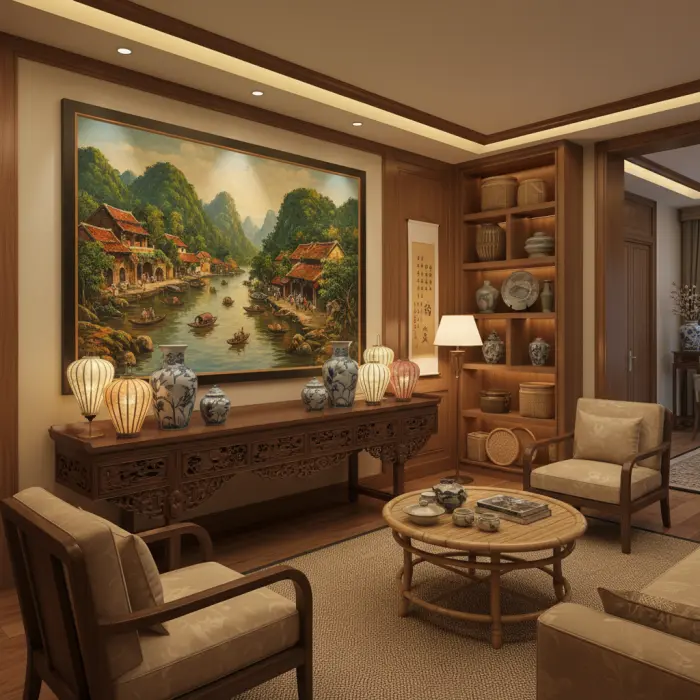
The hanoi old quarter stands as the beating heart of Vietnamese culture—a living museum where history, artistry, and everyday life converge. Set amidst winding streets lined with heritage buildings, this vibrant district weaves together centuries of tradition with the pulse of modernity. As global design trends increasingly turn toward heritage-inspired modern décor, discerning collectors, interior designers, and businesses are looking to Vietnamese art and folk art for depth, meaning, and authenticity. In this article, we unlock how the essence of Hanoi Old Quarter can elevate contemporary interiors, seamlessly blending past and present while highlighting trusted routes to genuine, handmade oil paintings and more for your next project.
Table of Contents
- The Cultural and Historical Context of Hanoi Old Quarter Art
- Modern Décor Trends Inspired by Hanoi Heritage Art
- Notable Artists and Art Forms
- Exploring the Hanoi Art Scene
- Purchasing and Authenticity
- Conclusion
The Cultural and Historical Context of Hanoi Old Quarter Art
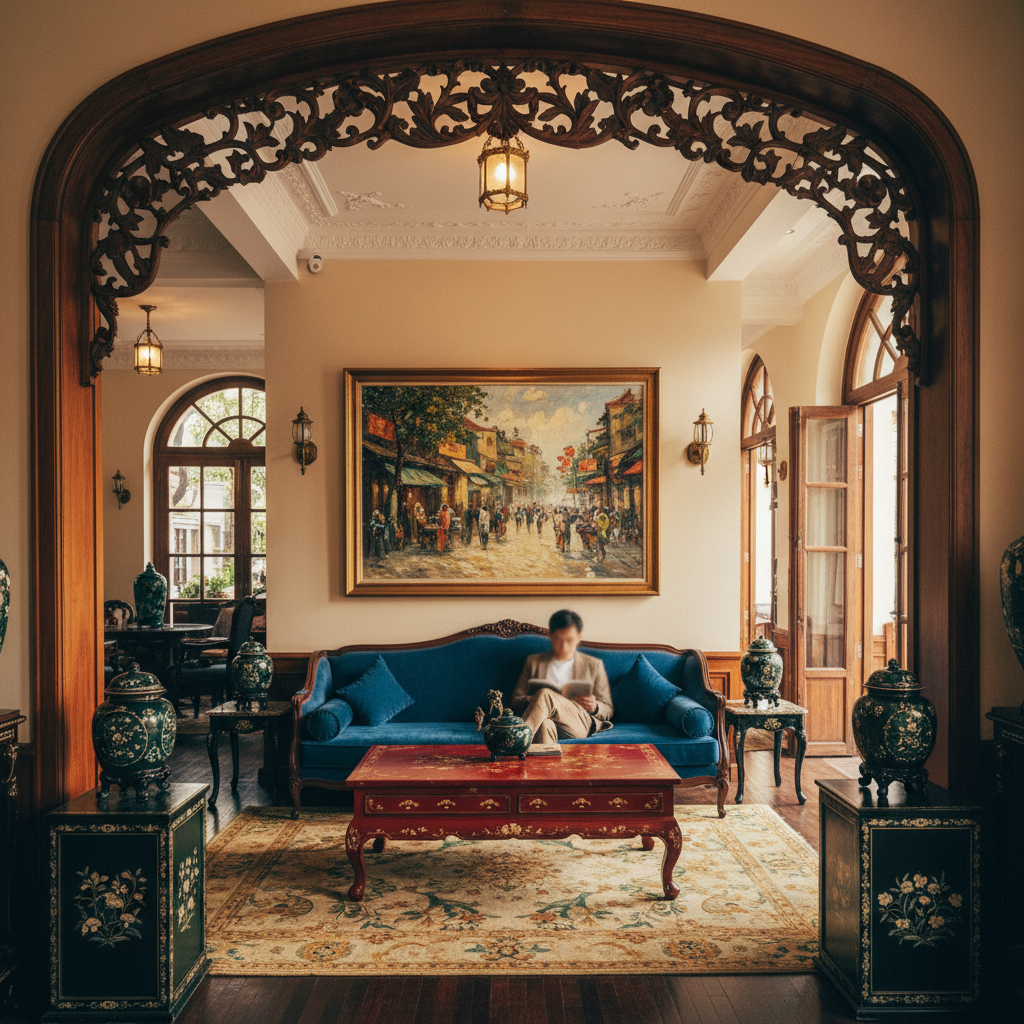
Hanoi Old Quarter is a tapestry woven from a thousand years of history, reflecting both the resilience and creativity of Vietnamese culture. Originating as a hub of commerce and exchange during the Le dynasty, the district became a center for a rich array of art forms and architectural marvels. French colonial architecture, as seen in elegant French-style houses, is juxtaposed against the distinctive Vietnamese architecture of traditional buildings. The sinuous lines of French balcon, imposing French colonial period structures, and the ornate Hanoi Opera House—modeled after Paris's Opera Garnier—stand as testaments to the Old Quarter's vibrant Sino-Vietnamese style and Indochine architecture.
The area’s status as a cultural exchange hub led to a unique fusion, where French and Vietnamese influences blend in everything from heritage buildings to street murals. Streets bustle with street markets, lakeside scenes near Hoàn Kiếm Lake, and the constant rhythm of daily life. Vietnamese visual history is celebrated in local woodblock paintings, wood carving, and traditional lacquerware techniques handed down for centuries. Water Puppetry, rooted in Vietnamese folk art, remains a beloved performance art, while the artifacts housed at the Vietnam Fine Arts Museum narrate generations of cultural adaptation and artistic innovation.
Symbols like the Vietnamese Dong in historical paintings, Han-Nom script calligraphy, and episodes from "Truyen Kieu" mark traditional works and connect modern admirers to their deep-rooted origins. This multi-layered history is also seen in the evolution from the Nguyen Dynasty to the era of the École des Beaux-Arts de l'Indochine, where Vietnamese art flourished, embracing modernity while cherishing its roots.
Modern Décor Trends Inspired by Hanoi Heritage Art
Designers and collectors alike are rediscovering ways to integrate art from the hanoi old quarter into contemporary interiors. Here’s how heritage meets modern décor:
• Color Schemes: Soft earth tones, deep indigos, and lacquered blacks, as seen in Vietnamese silk painting and traditional lacquerware, bring immediate warmth and sophistication. Art Deco influences, inherited from the French colonial period, can inform material choices like polished brass or intricately patterned ceramics.
• Heritage Motifs: Incorporate folk art imagery, woodcut artwork, or street murals depicting daily life, Hàng Trống Folk Art symbols, or Water Puppetry icons in feature walls or statement pieces.
• Material Pairings: Vietnamese art pairs beautifully with natural woods, rattan, and woven textiles—drawing upon centuries-old techniques including wood carving and silk weaving.
• Layering Styles: Designers like those cited in case studies showcase how placing oil paintings of Hoàn Kiếm Lake or French balcon vistas alongside minimalist furnishings creates engaging contrast.
• Real-World Examples: Some modern spaces now boast collections sourced directly from Hanoi’s artisans—think contemporary condos with Vietnamese Contemporary Art or lobbies lined with evocative street market scenes. Interviewed designers recommend mixing traditional lacquerware or folk art-inspired pieces with modern furniture for a striking, cohesive look.
Seeking custom art? B2B partners like Lenoir Decor excel at translating authentic heritage motifs into bespoke oil paintings and unique installations tailored for large-scale or exclusive projects.
Notable Artists and Art Forms
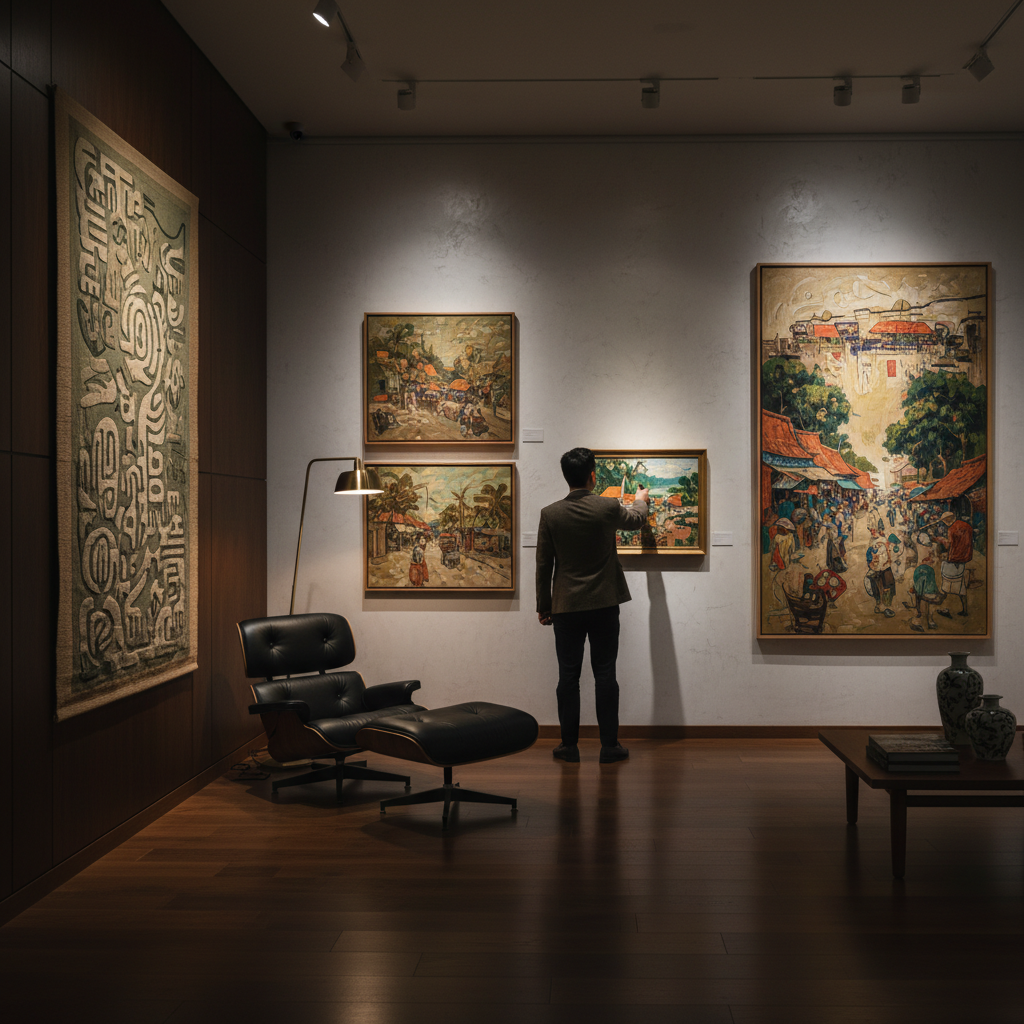
Hanoi’s legacy as an artistic stronghold continues to inspire influential figures in both historic and contemporary circles. Painters like Nguyễn Phan Chánh, a pioneer in Vietnamese silk painting, and Bui Quang Khiem, known for vibrant interpretations of street life, have paved the way for new generations. From the Nguyen Dynasty through to icons like Trinh Cong Son, artists have channeled national stories through diverse media.
Lê Đình Nghiên is celebrated for his commitment to traditional lacquerware and wood carving, revitalizing centuries-old techniques in contemporary contexts. The École des Beaux-Arts de l'Indochine produced many innovators who straddled worlds—melding French artistic training with distinctly Vietnamese themes. Vietnamese Contemporary Art, shaped by this ongoing exchange, includes both subtle references to Han-Nom script and the boldness of commodified pop art.
Unique art forms of the Old Quarter abound—from distinctive woodcut artwork and folk art like Hàng Trống to woodblock paintings and functional pieces adorned with motifs from Le dynasty legends. Contemporary creators also keep Vietnamese folk art alive in street murals and Dong Ho woodblock prints, while high-cultural producers—often found exhibiting at the Vietnam Fine Arts Museum—ensure tradition remains vibrant and valued.
Exploring the Hanoi Art Scene
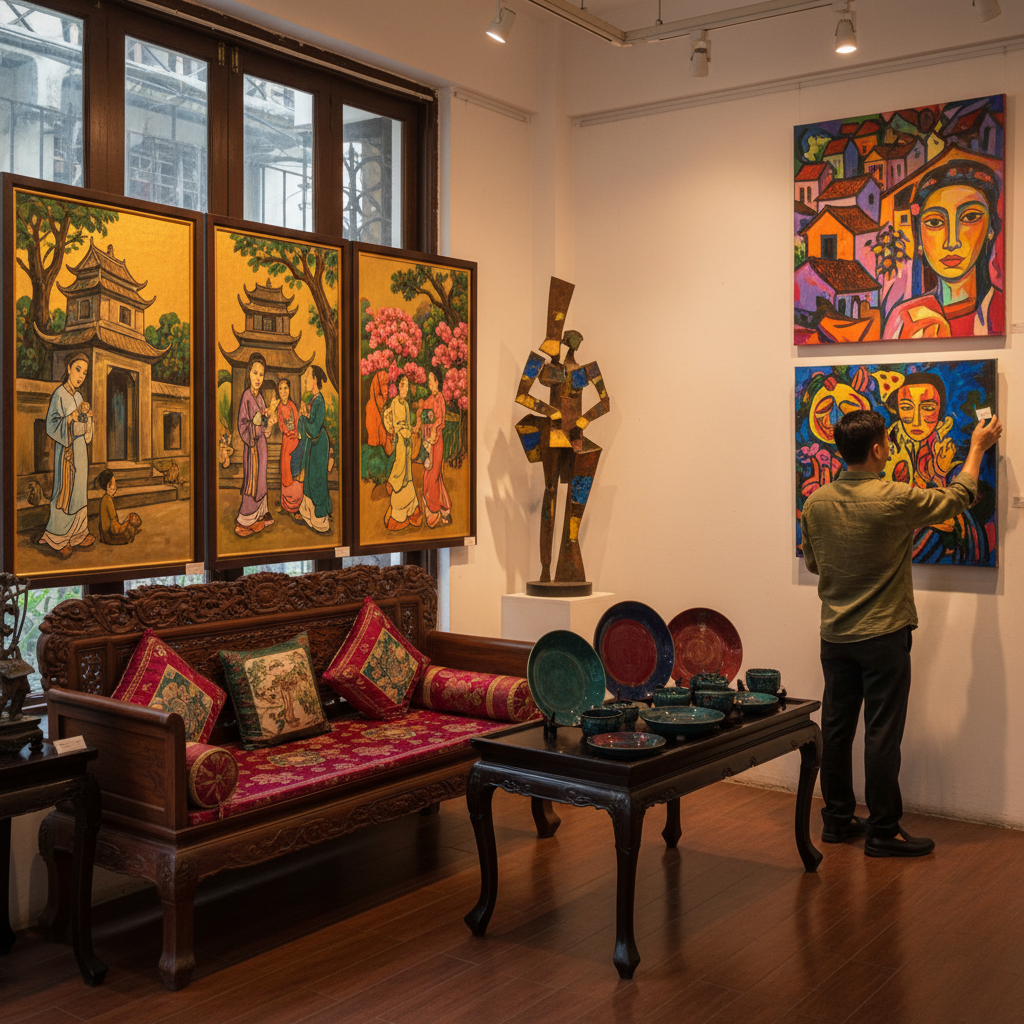
To fully experience the creativity of hanoi old quarter, immerse yourself in its art scene—not just through museums but in the thriving street culture and curated gallery spaces.
• Galleries: Local galleries frequently display a mix of Vietnamese art, oil paintings inspired by heritage, and innovative contemporary expressions. Must-visit spaces often curate rotating exhibitions of lacquerware, Vietnamese silk painting, and work by both established and rising artists.
• Seasonal Events: Keep an eye out for annual or seasonal events: the Old Quarter’s night markets often feature folk artists, and pop-up shows present Vietnamese Dong-themed pieces, Le dynasty revival works, or collaborations with artisans who specialize in wood carving and traditional lacquerware.
• Guided Tours: Curated walking tours focus on themes like French colonial architecture, Indochine architecture gems, or the ancient craft heritage visible in street murals, balancing stops at landmarks like the Hanoi Opera House and Hoàn Kiếm Lake. These tours offer firsthand insights into the synthesis of old and new art forms, and frequently end with visits to studios where you can meet artisans and see woodblock paintings or silk art being created.
Purchasing and Authenticity
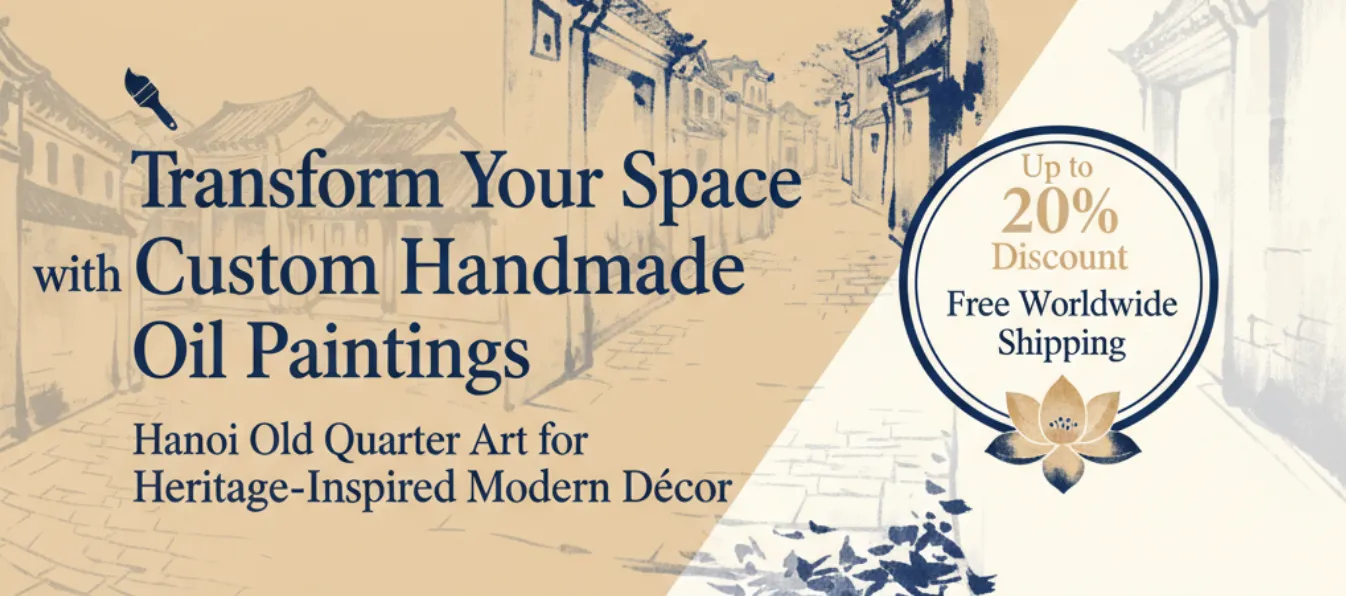
For collectors, designers, and retailers, acquiring genuine Hanoi Old Quarter art means seeking reputable sources that honor craftsmanship and tradition:
• Trusted Sources: While galleries and seasonal fairs abound in Hanoi, many trusted e-commerce platforms offer authenticated pieces, including oil paintings, woodblock works, and Vietnamese Contemporary Art. Some platforms partner directly with artisans committed to fair-trade, preserving heritage while ensuring sustainable livelihoods.
• Evaluating Authenticity: Look for hallmarks like the use of Vietnamese Dong iconography, accurate representation of Han-Nom script, or signature motifs linked to specific periods such as the Le dynasty or works inspired by Truyen Kieu. Consider provenance, artist background, and technique—contacting artists like Lê Đình Nghiên or studios notable for wood carving and lacquerware increases buyer confidence.
• Supporting Local Artisans: Purchasing directly from workshops or cooperatives supports the longevity of Vietnamese folk art production, whether it’s through street market stalls, bespoke commissions, or eco-friendly initiatives. Many artisans in the Old Quarter now offer modern takes on heritage art, working with partners like Lenoir Decor to deliver custom oil paintings and curated portfolios for international projects.
Conclusion
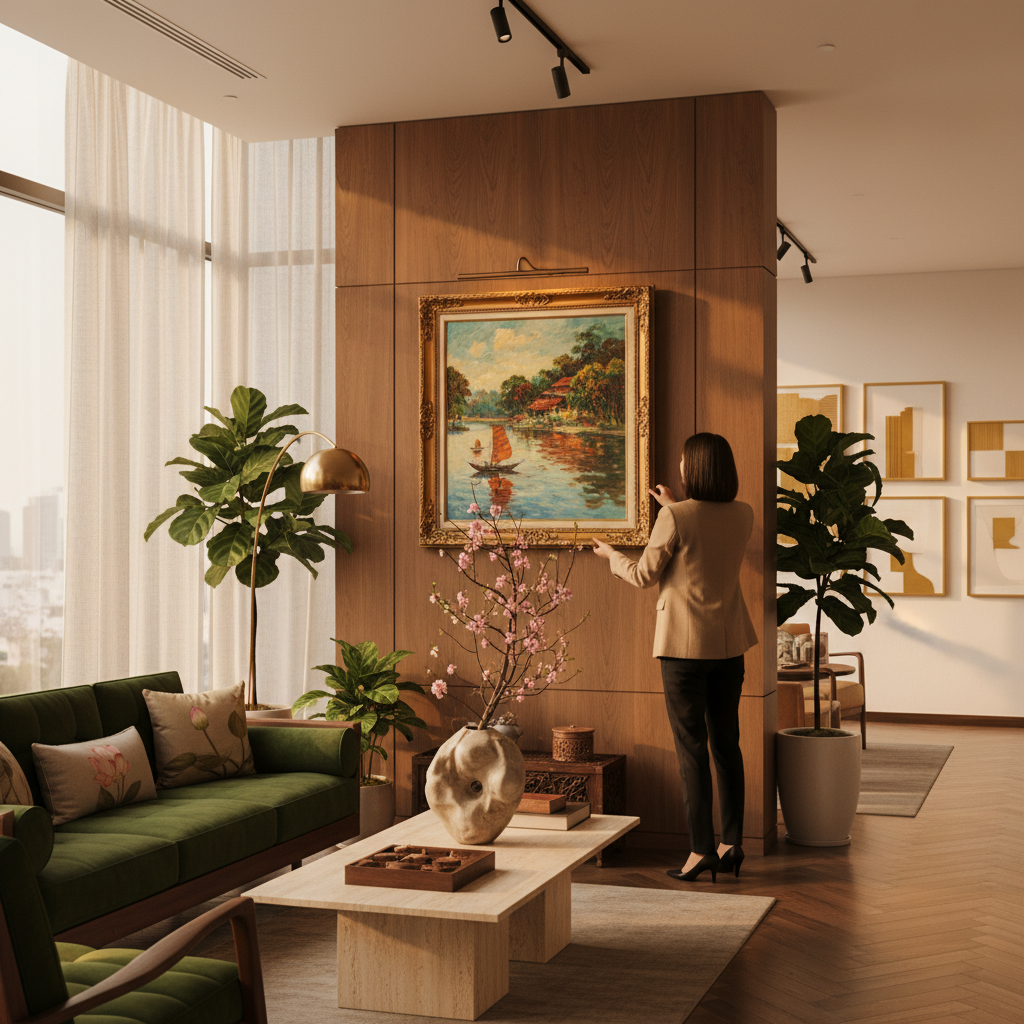
Bring the story of hanoi old quarter into your modern décor. From the evocative lakeside scenes near Hoàn Kiếm Lake and intricate woodblock paintings, to the timeless grandeur of French architecture and Vietnamese folk art, integrating these rich traditions brings depth, heritage, and distinction to contemporary spaces. Now is the perfect moment to connect with Hanoi’s art legacy—find your bespoke piece, collaborate with artisans, or commission a heritage-inspired oil painting from Lenoir Decor to honor the enduring appeal of Vietnamese culture in your next design project.
.webp)