French
 German
 Italian
 Arabic
 Japanese
 Spanish
 Korean
 Russian
 Portuguese
 Dutch
Dutch
 Norwegian
 Finnish
 Swedish

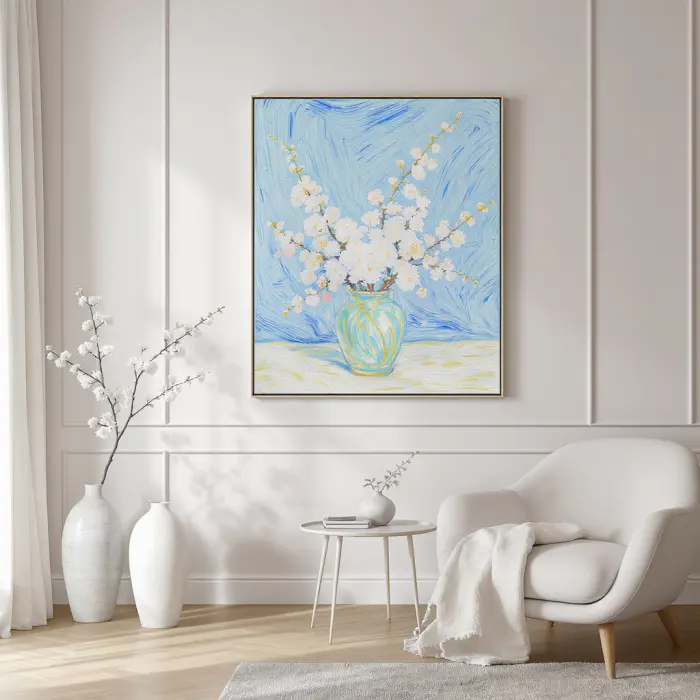
Within the broader world of oil paintings styles and techniques, Vincent van Gogh’s iconic Almond Blossoms canvas stands as a radiant symbol of hope and renewal, its luminous white flowers set against a serene blue sky. A cornerstone in still life paintings by Van Gogh, this work captivates art lovers and collectors with its mesmerizing beauty and profound personal meaning. As one of the most beloved wall art pieces celebrated around the world and featured in the Van Gogh Museum, Almond Blossoms represents not only a pinnacle of Van Gogh’s painting style but also a testament to his enduring artistic legacy. In this comprehensive guide, we explore the rich context, creation, and modern relevance of Van Gogh’s Almond Blossoms canvas—and show how you can bring a piece of this artistic marvel into your space.
Table of Contents
- Historical Context: Van Gogh’s Life and Inspiration Around “Almond Blossoms”
- Artistic Analysis: Technique, Style, and Symbolism
- The Painting’s Journey: Provenance, Exhibitions, and Cultural Impact
- Where to View or Purchase: Museum Access and Best Reproduction Practices
- Expert & Customer Reviews: What Collectors and Art Lovers Say
- Educational Resources & Further Learning Opportunities
- Rich Media Content & SEO Best Practices
- Conclusion
Historical Context: Van Gogh’s Life and Inspiration Around “Almond Blossoms”
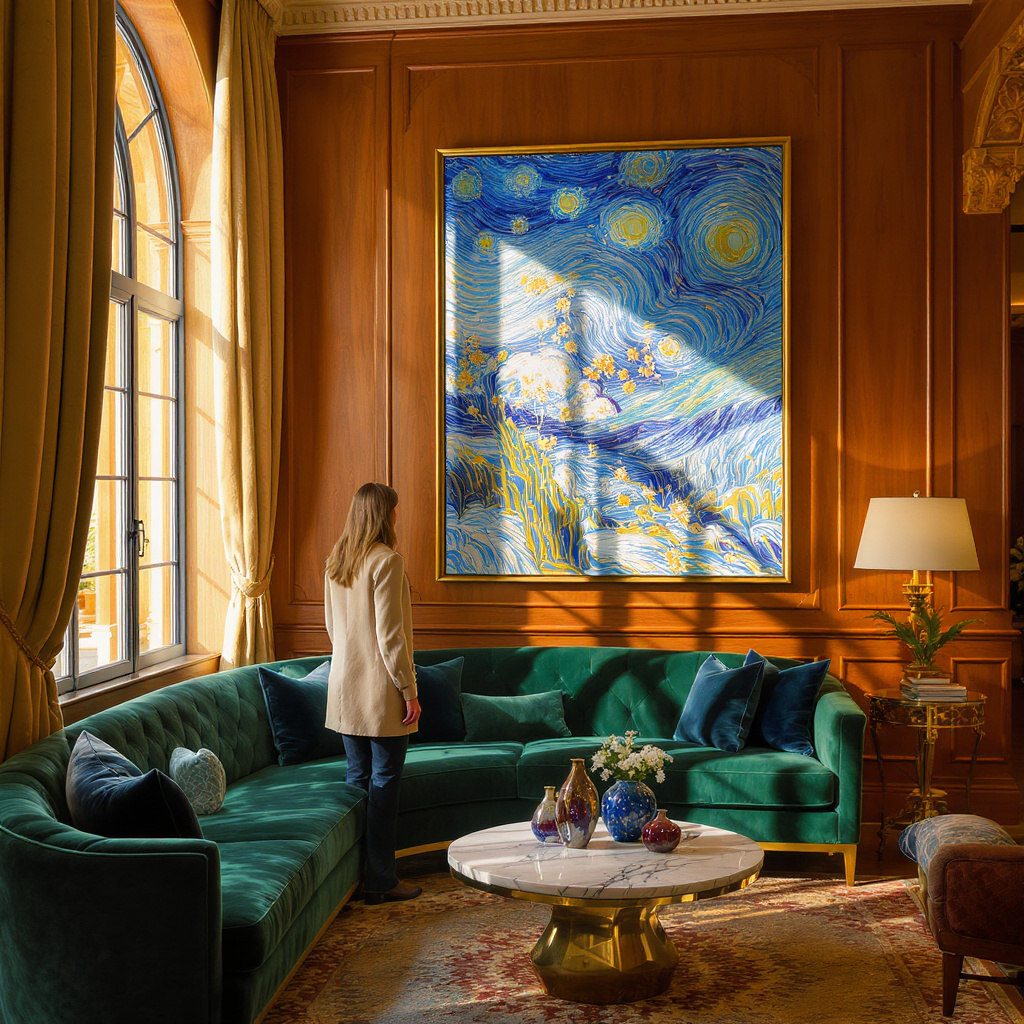
Few artists have moved the world like Vincent van Gogh, and Almond Blossoms is deeply rooted in his emotional journey. Painted in 1890, this masterpiece came at a pivotal moment: Van Gogh had just received word that his brother Theo van Gogh had become a father to Vincent Willem. Wanting to celebrate this joyous occasion, Van Gogh created Almond Blossoms as a gesture of hope and renewal for his nephew.
The choice of blossoming almond branches, bursting with white flowers against a bright blue sky, drew heavily from Van Gogh’s exposure to Japanese prints. The Japanese wood blocks, with their sharp outlines and sky-toned palette, had begun to influence European artists. Van Gogh admired these Japanese floral studies, especially the flat surface treatment and the use of water-based inks that rendered nature with exquisite clarity. This influence shines through in Almond Blossoms—the branches seem to float, gently defying gravity, echoing both Van Gogh’s fascination with still lifes and his broader modern art ambitions.
Van Gogh’s state during this period was a mix of hope and anxiety. Despite ongoing struggles with his mental health, this painting radiates optimism; the large blossom branches symbolize new beginnings against life’s turbulent backdrop. Reflecting both personal affection for family and reverence for nature, Almond Blossoms embodies the emotional contrast that defines Van Gogh’s artistic legacy.
Artistic Analysis: Technique, Style, and Symbolism

Van Gogh’s distinctive painting style—visible across his famous still life paintings—reaches a unique clarity in Almond Blossoms canvas. His brushstrokes, deeply textured yet controlled, capture the vibrancy of white flowers on powerful Almond Trees in Blossom. The contrast of soft petals against a blue sky or bright blue sky provides a visual feast, utilizing a sky-toned palette that enhances both mood and narrative.
A signature of Van Gogh’s “flat surface” technique can be seen in the way backgrounds are simplified, reminiscent of Japanese prints with their shallow depth. Unlike traditional European still lifes, Van Gogh’s work displays a modern art sensibility, stripping away unnecessary details to focus on the essence of his subject. The use of oil on canvas allowed for expressive movement—each stroke evoking a sense of life and energy.
Furthermore, the emotional symbolism in Almond Blossoms resonates through generations. The painting’s theme of renewal, paired with Van Gogh’s admiration for Japanese wood blocks and water-based inks, bridges cultures and epochs. Almond Blossoms isn’t just a feat of artistry—it’s a narrative of hope and continuity.
The Painting’s Journey: Provenance, Exhibitions, and Cultural Impact
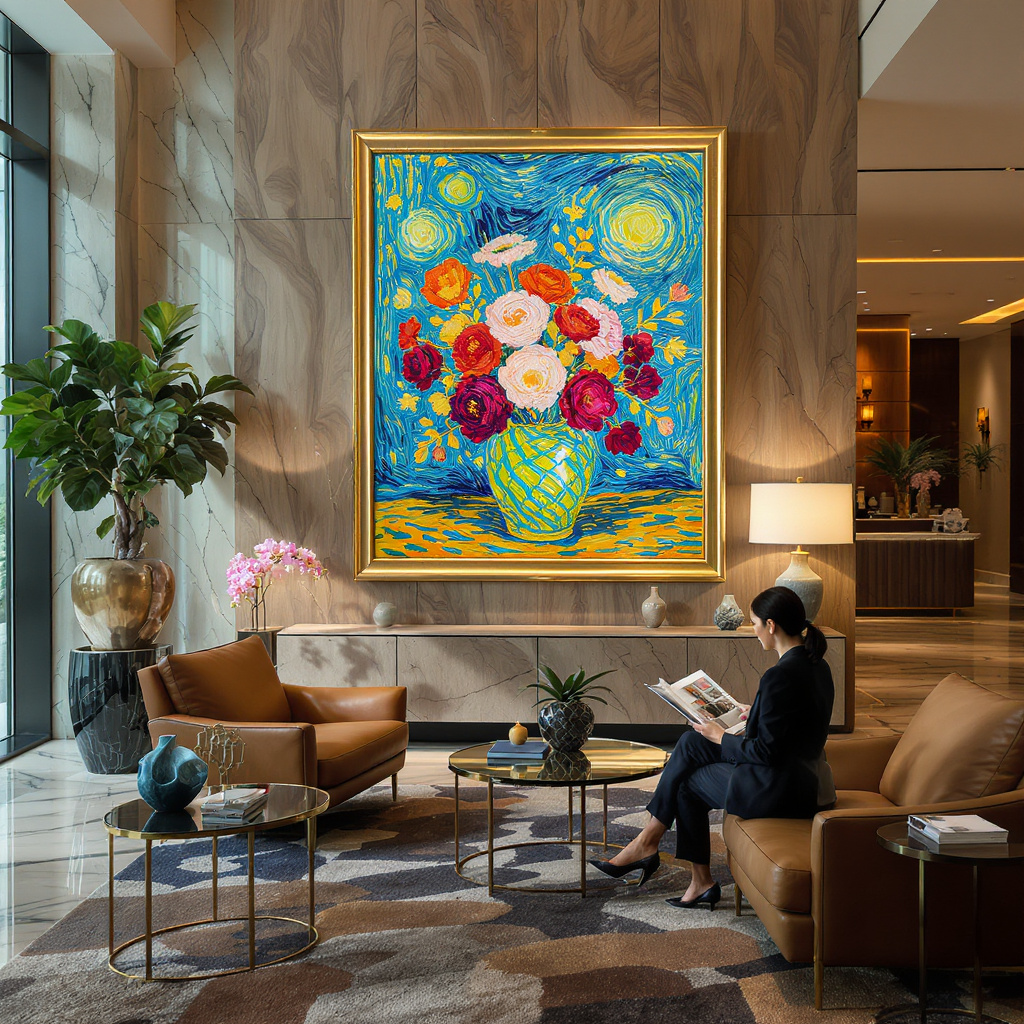
Almond Blossoms has enjoyed a storied life since leaving Van Gogh’s easel. Gifted to Vincent Willem, the artist’s nephew, the painting became a cherished family heirloom overseen by the Van Gogh Museum. This Amsterdam institution remains the central repository for Van Gogh’s masterpieces—including Almond Blossoms—preserving his vast collection for future generations.
Over the decades, the painting has traveled for select international exhibitions, notably captivating audiences in the United States and other cultural capitals. Its display alongside other still lifes and floral studies has solidified its status as a beacon of modern art.
Culturally, Almond Blossoms has inspired everything from home décor trends to contemporary wall art innovations. Its imagery appears in Beach Poster collections, educational resources, and even in the realm of giclee print technologies, demonstrating Van Gogh’s enduring impact beyond the world of fine art. The artistic legacy continues to blossom, with Almond Blossoms often referenced in film, design, and educational media.
Where to View or Purchase: Museum Access and Best Reproduction Practices
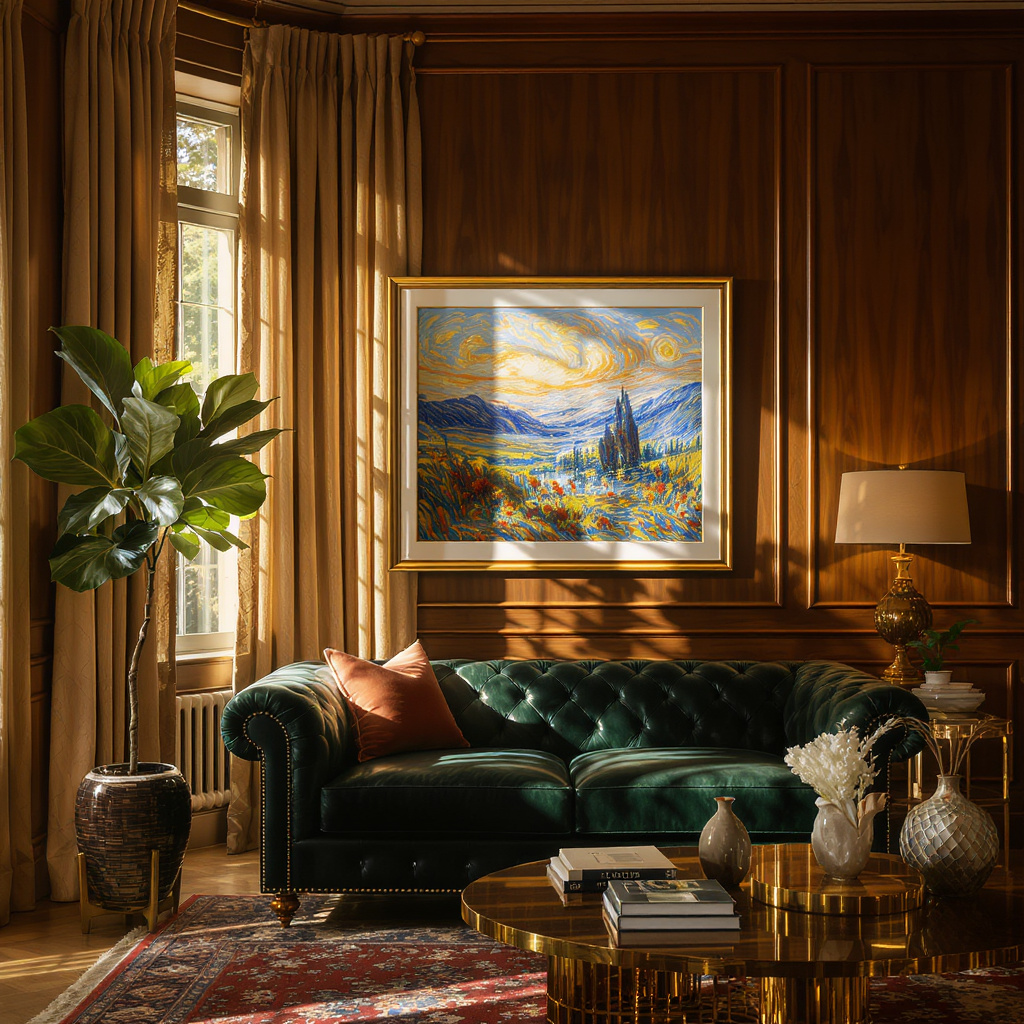
For those wishing to experience Almond Blossoms firsthand, the Van Gogh Museum in Amsterdam is the preeminent destination. Many art lovers unable to visit in person explore the museum’s detailed online gallery wrap exhibits or discover physical replicas in major museums across the United States that host select traveling exhibitions.
If you desire a piece of this legacy for your space, there are several options to consider:
• Giclee Print Excellence: Modern flatbed printers produce premium-quality artwork, offering remarkable color fidelity on 240gsm archival grade fine art paper and cotton canvas. The result is a reproduction that closely matches the original’s tones and textures.
• Custom Framing Solutions: Upgrade your Almond Blossoms canvas with a custom frame or wooden frames. A professional picture framer ensures the overall dimensions suit your space, while hanging hardware adds polish and ease of installation. For those seeking cost efficiency, comparing local framing costs is recommended.
• Gallery Wrap & Canvas Choices: Contemporary gallery wrap techniques stretch the canvas for a frameless look, ideal for modern home décor. Cotton canvas is celebrated for its durability and classic feel, while premium-quality paper suits collectors favoring traditional mounting.
Lenoir Decor stands ready to connect you with hand-painted oil on canvas recreations and tailored framing options—crafted to meet the standards of museums and art connoisseurs alike.
Expert & Customer Reviews: What Collectors and Art Lovers Say
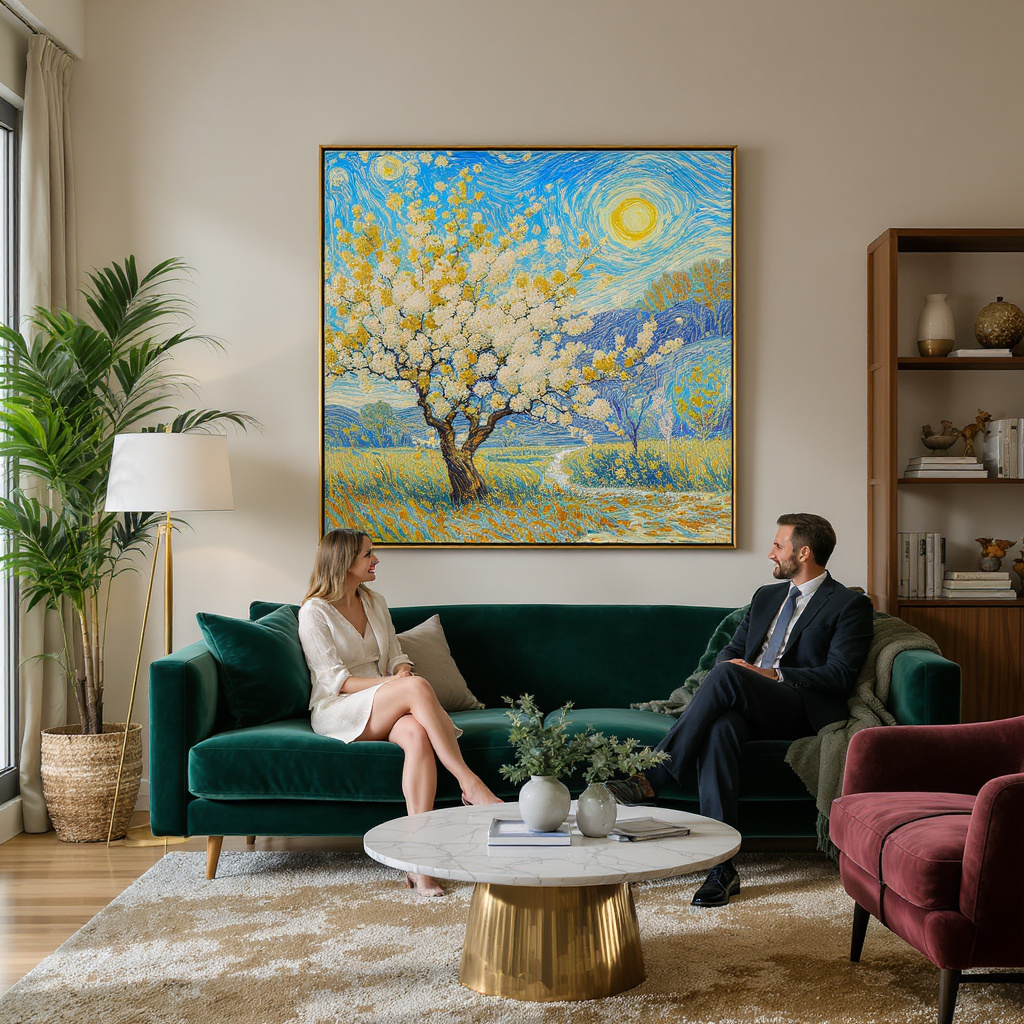
When purchasing an Almond Blossoms canvas reproduction, discerning art lovers and collectors demand both quality and authenticity. Expert reviews consistently praise giclee prints made with archival grade materials, often noting advantages of 240gsm archival fine art paper and gallery wrap finishes for longevity and vividness. Customer service ratings for reputable online sellers, like Lenoir Decor, emphasize prompt responses and the care taken in packaging and shipping.
Customer feedback highlights the joy of seeing Van Gogh’s Almond Blossoms canvas transform a living room or gallery wall, with overall dimensions customizable to diverse spaces. Comparative guides often focus on variables such as size, paper type, cotton canvas options, and cost—from affordable posters to premium hand-painted oils. Lenoir Decor’s transparent product comparisons and picture framer advice help buyers make informed, satisfying choices.
Educational Resources & Further Learning Opportunities
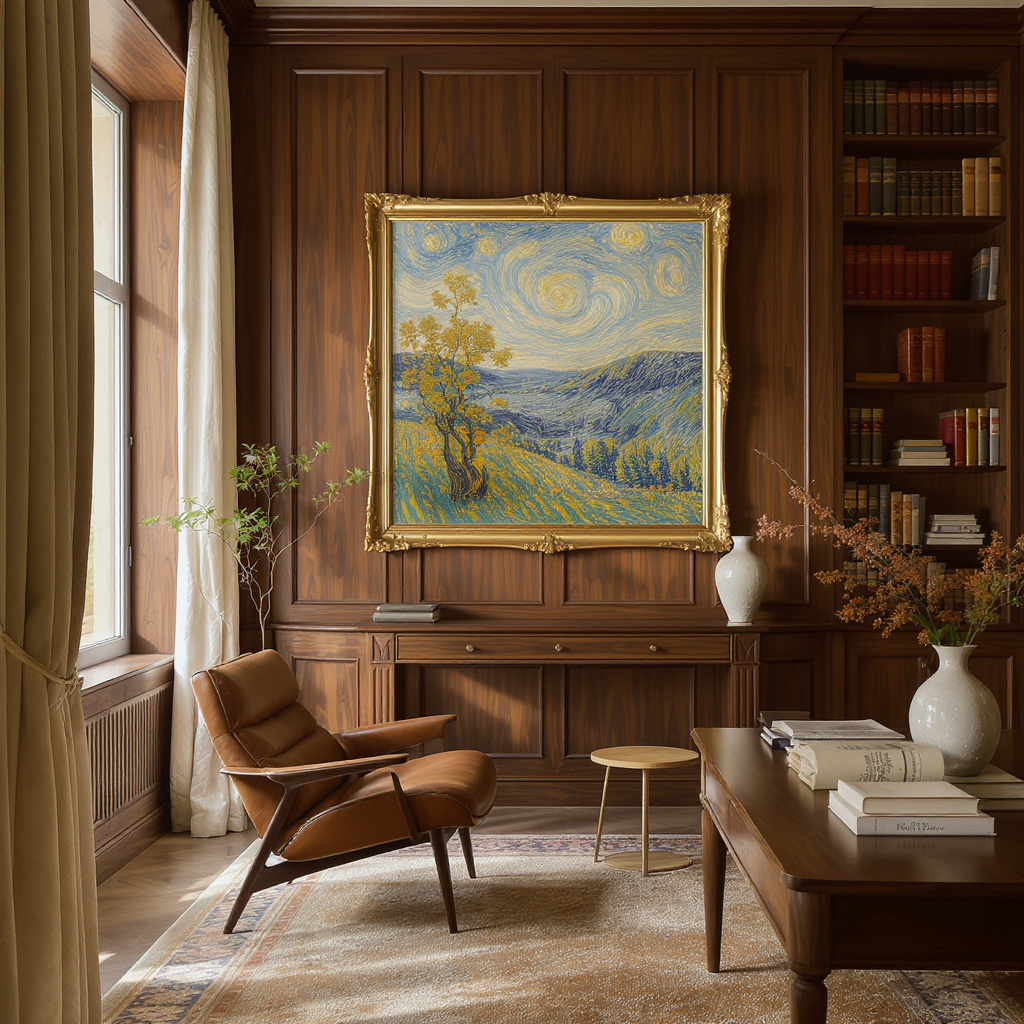
Exploring the full depths of Almond Blossoms and Van Gogh’s oeuvre is a pleasure for scholars, students, and art lovers alike. Top resources include:
• Documentaries & Courses: Dive into Van Gogh’s world through highly acclaimed documentaries and online lectures, many of which explore the Almond Blossoms canvas, Japanese prints, and the artist’s pivotal techniques. The Van Gogh Museum frequently partners with global education providers to offer immersive learning experiences.
• Reading Lists and Studies: Key books and academic articles discuss not only Almond Blossoms, but Van Gogh’s broader artistic legacy—his role in still lifes, his love of Japanese wood blocks, and the technical evolution of oil on canvas painting.
• Downloadable Materials: Many educational institutions offer free lesson plans, art analysis study guides, and interactive digital resources focused on Vincent van Gogh’s masterpieces. These complement at-home or classroom exploration.
Rich Media Content & SEO Best Practices
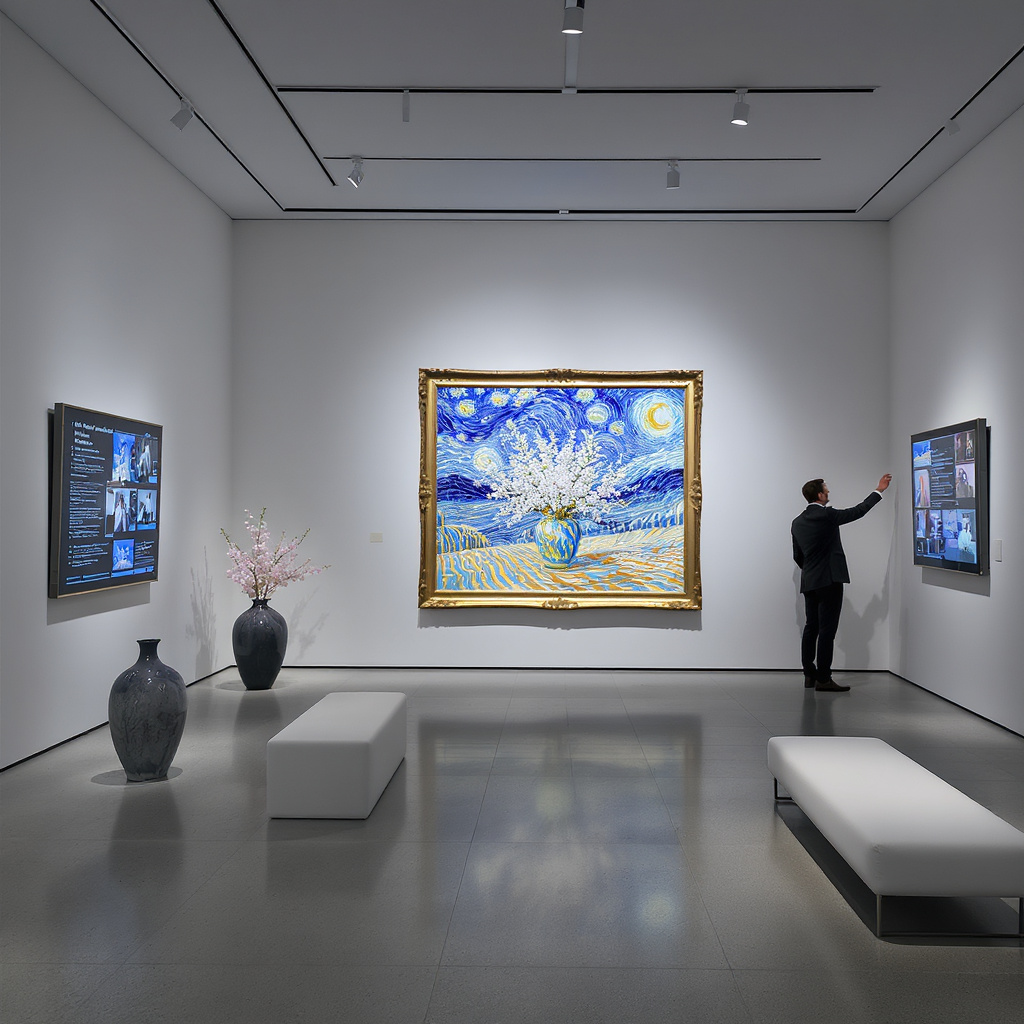
Enhanced digital experiences bring Almond Blossoms to life through high-resolution imagery and insightful video breakdowns of Van Gogh’s painting style. For galleries, art educators, and bloggers, adding images that highlight the bright blue sky, large blossom branches, and close-ups of brushwork attracts and educates visitors.
When producing web content or promoting handmade reproductions, SEO optimization is crucial—faithfully weaving terms like Van Gogh Almond Blossoms canvas, Almond Blossoms canvas, Van Gogh painting style, and still life paintings Van Gogh ensures content reaches art lovers and industry buyers. These strategic placements not only boost online visibility but reinforce authenticity and expertise.
Conclusion
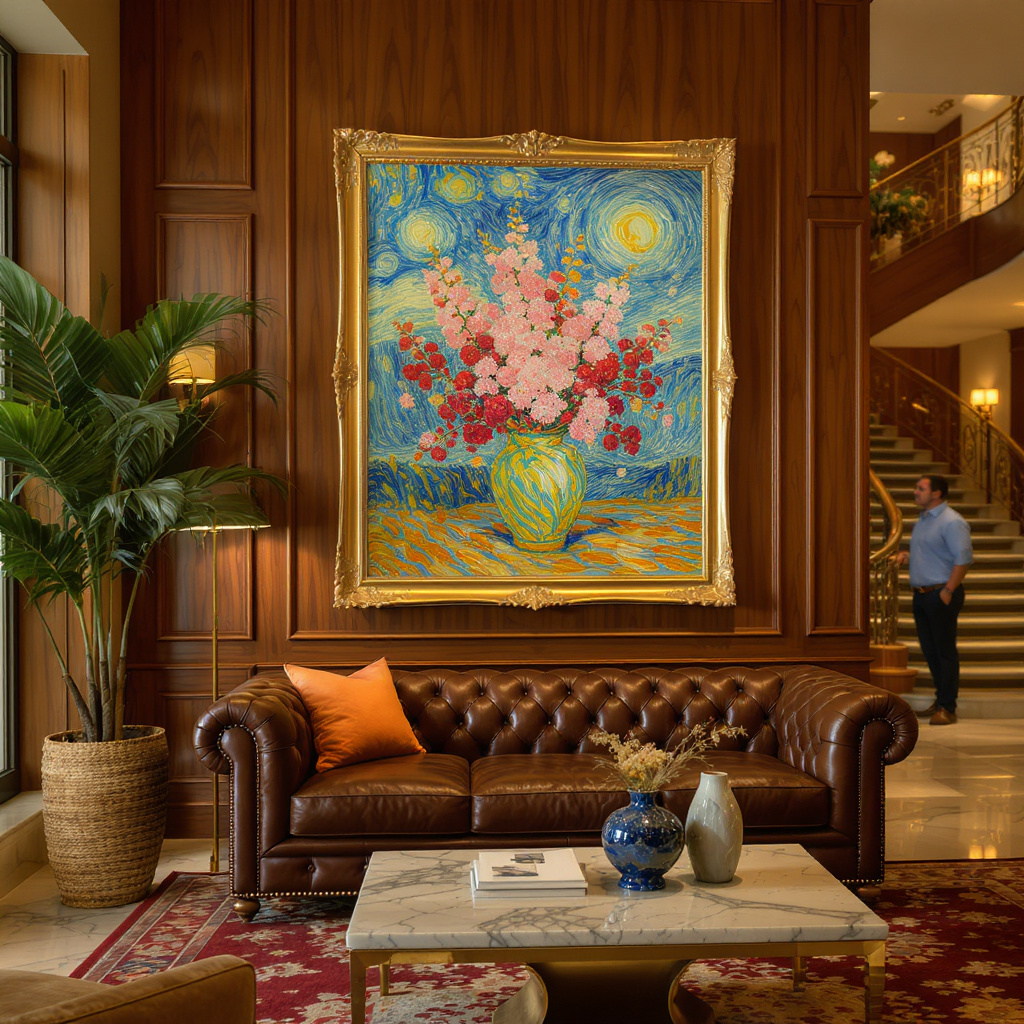
Start your journey with Van Gogh’s Almond Blossoms canvas today. Immerse yourself in its blend of artistry, history, and beauty—discovering a painting that bridges personal moments and global culture. From museum marvels to bespoke oil on canvas replicas by Lenoir Decor, your perfect Almond Blossoms awaits exploration and appreciation.