French
 German
 Italian
 Arabic
 Japanese
 Spanish
 Korean
 Russian
 Portuguese
 Dutch
Dutch
 Norwegian
 Finnish
 Swedish

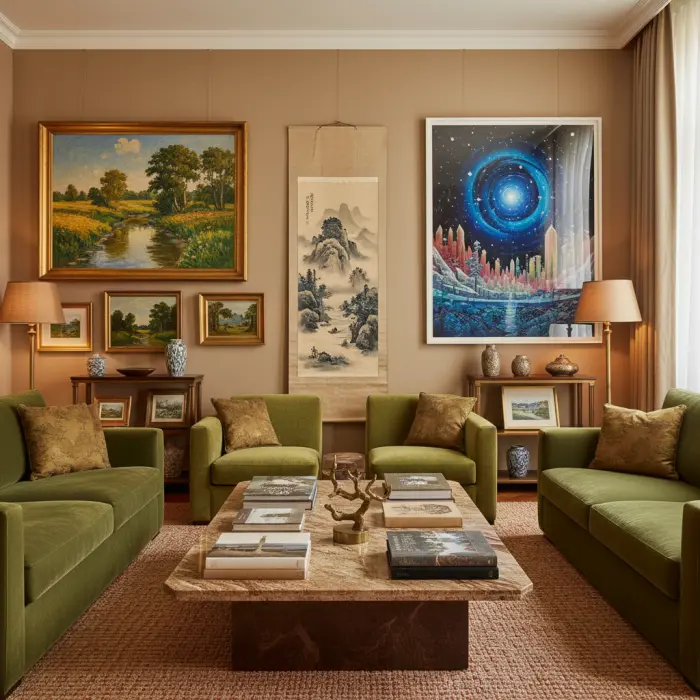
Landscape painting has always held a significant place in art history, chronicling our ever-changing relationship with nature and our surroundings. From ancient scrolls to digital creations, landscape art bridges diverse cultures, emotions, and artistic techniques. This article journeys through the evolution of famous landscape artworks and oil painting landscape art, honoring masterpieces and visionary artists who have inspired generations. Discover how these timeless scenes offer inspiration for interior design and creative industries, and see the lasting impact of impressionist landscape art and other movements on the world of decor and fine art collecting.
Table of Contents
- The Evolution of Landscape Art
- Notable Landscape Artists and Their Masterpieces
- Timeline of Iconic Landscape Paintings and Cultural Influences
- Case Studies, Visual Gallery, and Educational Resources
- Conclusion
The Evolution of Landscape Art

Landscape painting traces its roots to ancient times, but it truly flourished during the Renaissance, where artists introduced perspective and realism, lifting natural scenery beyond mere backdrop to central subject. Oil on vellum and early oil paints enabled richer detail, as seen in the works of early Italian and Dutch masters. Baroque artists embraced dramatic lighting and compositions, heightening the drama of landscapes—exemplified by J.M.W. Turner’s tempestuous vistas.
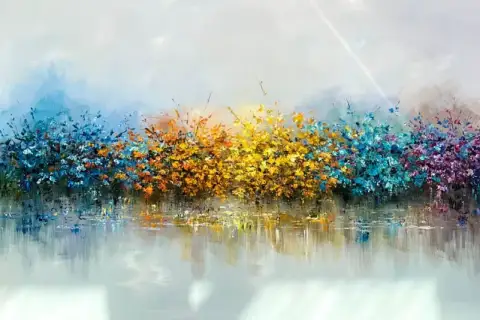
The Romantic period brought emotion and the sublime into focus, blending natural scenery with human experience. American landscape art emerged powerfully during the 19th Century, particularly through artists like Albert Bierstadt, whose Rocky Mountains and expansive wilderness paintings captured the soul of a continent. Meanwhile, Impressionism revolutionized the genre. Impressionist landscape art thrived through daring uses of color, light, and brushwork. Monet’s 'Impression, Sunrise' and 'Water Lily Pond' encapsulate the movement’s visual poetry, while urban landscape scenes offered fresh perspectives on modernity. Contemporary artists continue to experiment with oil on canvas and mixed media, echoing the genre’s enduring versatility.
Notable Landscape Artists and Their Masterpieces
Certain names are synonymous with the pinnacle of landscape art. J.M.W. Turner’s mastery of light and atmosphere can be seen in 'The Fighting Temeraire,' blending history, emotion, and luminous skies.
Claude Monet, regarded as a leader in Impressionist landscape art, painted hundreds of garden scenes in his iconic 'Water Lilies' series—a testament to his fascination with the interplay of water, reflection, and color. The 'Water Lily Pond' remains among the most celebrated oil painting landscape art examples globally, perfect for inspiring designers and art lovers alike.
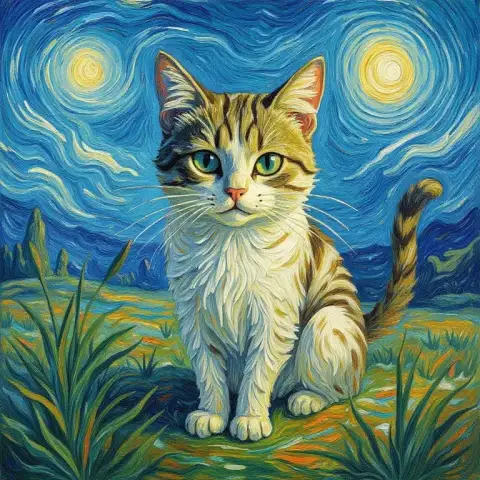
Vincent van Gogh’s 'The Starry Night' and 'Wheatfield with Crows' show his tormented landscape approach, where swirling brushwork and bold palettes convey intense emotional resonance. Van Gogh’s work championed expressive color and innovative techniques, reshaping how landscape painting continues to be imagined.
Paul Cézanne advanced landscapes further, infusing them with geometric composition and building a bridge to Modernism. Meanwhile, Japanese artist Hokusai’s Mount Fuji woodblocks and the scholarly landscape traditions of Chinese ink painting expanded the genre’s horizons, influencing generations of artists and even landscape photographers.
Timeline of Iconic Landscape Paintings and Cultural Influences

The timeline of famous landscape artworks is rich and varied:
-
Renaissance (15th–16th Century): Early advances in oil on canvas and studies of perspective.
-
Baroque (17th Century): The emergence of expressive, dramatic natural scenery.
-
19th Century: Turner, Bierstadt, and the Hudson River School highlight both European refinement and the vast energy of the American frontier.
-
Impressionism (late 19th Century): Claude Monet’s Impression, Sunrise (which lent the movement its name) and his beloved Water Lilies series define a new era, alongside Renoir and Pissarro.
-
Modernism & Contemporary: Paul Cézanne’s explorations and the evolution toward urban landscape subjects, mixed media, and conceptual interpretations.
Cultural influences shaped the content and style of landscape painting dramatically. European traditions centered on the picturesque, while Asian art revered the poetic and spiritual aspects of nature. The portrayal of Mount Fuji echoed through Japanese prints, and Early Spring in Chinese painting signaled rebirth and philosophical depth. In America, artists like Bierstadt celebrated Rocky Mountains grandeur and forests as emblems of discovery and expansion.
As landscape painting expanded, it intersected with emerging professions—including the landscape photographer, who reframed natural scenes through the camera lens, and interior design specialists, who draw upon the themes and colors of oil painting landscape art for modern décor.
Case Studies, Visual Gallery, and Educational Resources

Deep dives into individual artworks underscore both their artistry and societal resonance.
-
Impression, Sunrise: Monet’s shimmering harbor scene, painted with rapid brushwork and radiant hues, not only launched Impressionism but continues to inspire both artists and designers today. The blend of fleeting light and emotional tone in this painting makes it a favorite for collectors of impressionist landscape art.
-
The Fighting Temeraire: J.M.W. Turner’s moving depiction of an aged warship being towed to its final berth embodies nostalgia, transition, and the power of both history and nature.
-
The Starry Night: Van Gogh’s masterpiece is not just a study of the night sky but an exploration into the artist’s inner world—and a foundational work for those interested in the nexus between psychology, art, and expressive techniques.
For those eager to explore these masterpieces further:
- Visit virtual tours of major museums, such as the Louvre or Metropolitan Museum of Art, for firsthand engagement with historic landscapes and contemporary urban landscape or scholarly landscape interpretations.
- Downloadable lesson plans, discussion guides, and creative activity sheets provide resources for educators. Students can reimagine a landscape through oil paints or experiment with digital reinterpretations.
- Recommended reading includes exhibition catalogues, critical essays, and digital content from leading art institutions, perfect for deepening appreciation or informing interior design choices emphasizing famous landscape artworks.
Conclusion
Let these masterpieces inspire your own creative vision. Whether you’re curating art for an interior design project or simply wish to deepen your appreciation of landscape art, renowned oil painting landscape art and impressionist landscape art can elevate both spaces and spirits. We invite you to share this article, embark on virtual tours, and explore how custom paintings—like those crafted by Lenoir Decor’s artisans—can bring the timeless beauty of famous landscape artworks into your own professional environment.