French
 German
 Italian
 Arabic
 Japanese
 Spanish
 Korean
 Russian
 Portuguese
 Dutch
Dutch
 Norwegian
 Finnish
 Swedish

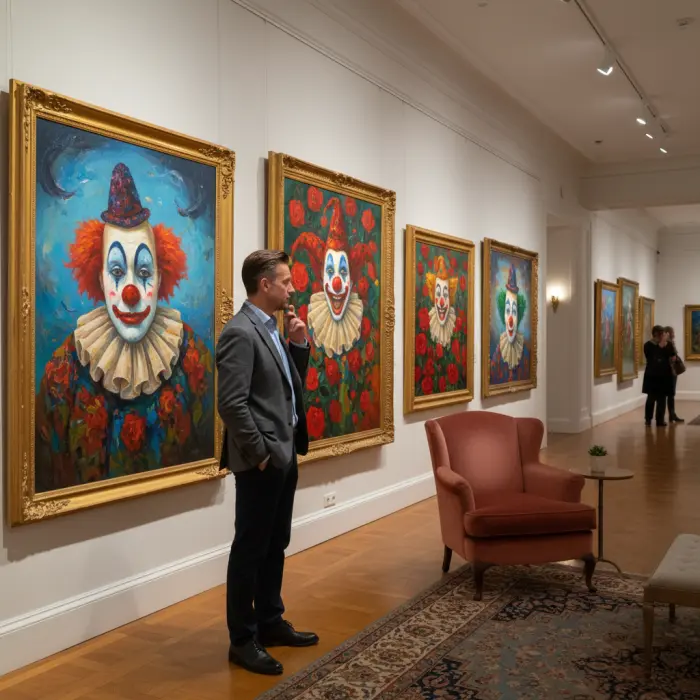
Clown paintings have enchanted audiences for centuries, offering a rich exploration of emotion and color that sets them apart within the broader world of art. Whether rendered in vibrant, textured work or as somber, emotional art, these images invite viewers to look beyond painted smiles into the deeper feelings beneath. In this article, we will dive into the fascinating legacy of famous clown paintings, tracing their development through iconic movements in modern art and contemporary art. We’ll uncover the complex expressions, creative makeup, and dramatic energy that give clown art its lasting intrigue—and explore how artists past and present continue to expand this expressive art form. Whether you're a gallerist, interior designer, or business seeking custom decor, understanding the impact and artistry of clown imagery can inspire unique spaces and discussions. Let’s embark on a journey through color, emotion, and the captivating world of clown painting.
Table of Contents
- Historical Context: Origins and Evolution of Clown Art
- Notable Artists and Works in Clown Paintings
- Expressing Emotion and the Role of Color in Clown Art
- Famous Clown Paintings: Case Studies, Cultural Impact, and Expert Critiques
- Conclusion
Historical Context: Origins and Evolution of Clown Art
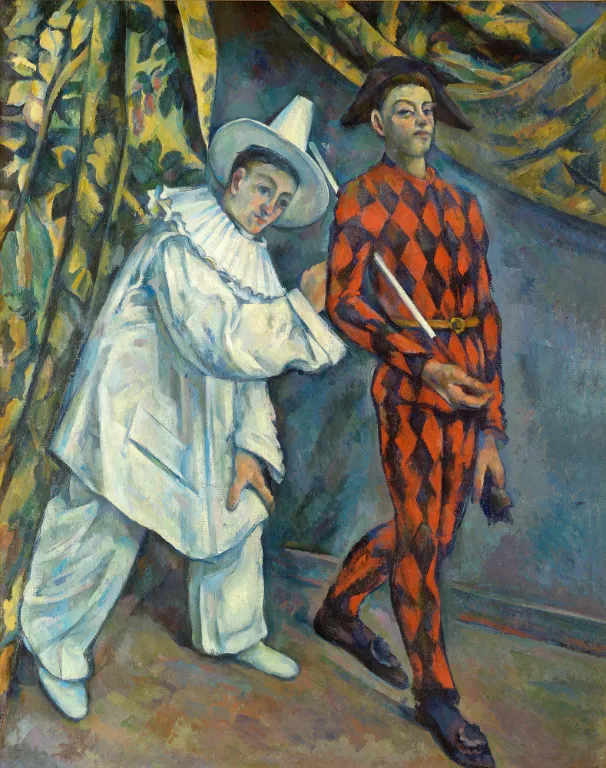
Paul Cézanne, Mardi Gras (Pierrot et Arlequin)
The origins of clown imagery in art stretch back to the days of circus performers and commedia dell’arte in Europe, where clowns became early icons of humor and pathos on stage. These theatrical gestures were soon absorbed by artists who recognized the compelling stories embedded in the role of the clown. In the late 19th and early 20th centuries, clown paintings gained momentum during the birth of modern art, where they became symbols of human complexity and emotional vulnerability.
Movements such as modernism and, later, abstract expressionism found fertile ground in clown art. The use of expressive brushstrokes and abstraction breathed new life into the form, encouraging artists to depict not just the literal image of clowns, but the feelings and stories behind clown makeup. As the art world moved into contemporary art, clowns remained a touchstone for emotional and psychological exploration, setting the stage for a deep, textured work that continues to inspire both artists and viewers alike.
Notable Artists and Works in Clown Paintings
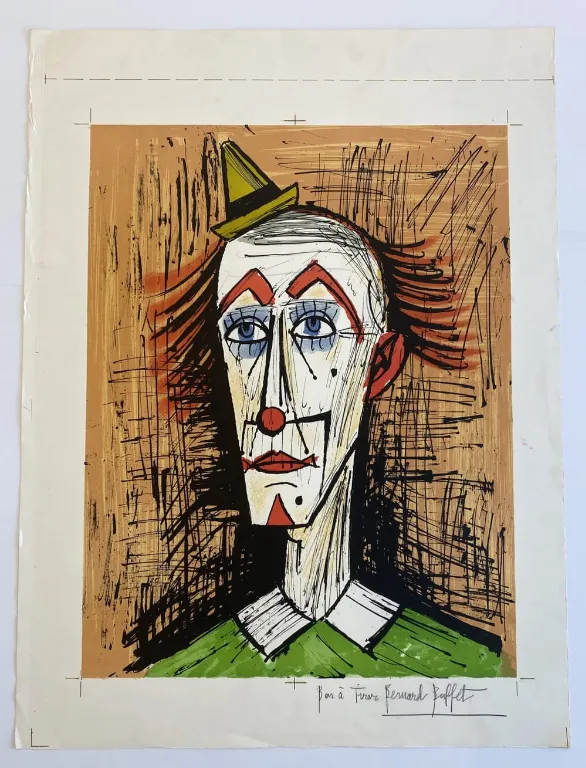
Bernard Buffet, Clowns (series)
Few artistic subjects have attracted as much creative attention as clown art. Some of the most famous clown paintings owe their impact to the genius of renowned artists who challenged visual boundaries and emotional depth.
• Pablo Picasso: Picasso’s affection for clowns is well documented, especially throughout his Rose Period. His depictions often blend traditional circus iconography with emerging styles, capturing clown performers with a poignant mix of abstract and emotional undertones. The fluidity of line and form, combined with thoughtful use of theatrical makeup and unusual hues, gives Picasso’s clowns an almost haunting allure.
• Bernard Buffet: Distinguished by their unmistakable sadness, Buffet’s Sad Clown portraits serve as a powerful study of emotional art. His angular, sharp lines and dark makeup choices highlight the contrast between the clown’s public persona and private sorrow. Buffet’s textured work brings heaviness and vulnerability to otherwise cheerful subjects, affirming why his expressive art remains so compelling.
• Other Influential Artists: The twentieth and twenty-first centuries also saw a surge in abstract paintings and expressive art featuring clowns. Artists from the abstract expressionist movement played with color fields, dramatic makeup, and unusual spatial arrangements, further cementing clowns as vessels of complex emotion and unique makeup artistry.
If you’re a business seeking customized, hand-painted pieces inspired by these legacies, consider how their use of theatrical gestures and creative makeup could inspire statement decor tailored to your space. Lenoir Decor’s service can faithfully capture this vibrant tradition in bespoke artworks for your brand.
Expressing Emotion and the Role of Color in Clown Art
.webp)
Georges Rouault (1871-1958) - Clown
Emotion is the beating heart of all famous clown paintings. Through facial expressions, body language, and symbolic elements, artists communicate themes ranging from exuberant joy to poignant melancholy. Some clowns, particularly the Sad Clown, signal irony and contradiction—a public face masking private feeling.
Facial cues, theatrical makeup, and dramatic gestures become tools of emotional storytelling. For instance, the downward-turned mouth and heavy, dark makeup evoke sorrow, while exaggerated smiles and bright, unique makeup express comic relief or trompe-l’oeil irony. The use of abstract and expressive contours further distills these emotions, blending figurative representation with creative abstraction.
Color also serves as a fundamental conveyer of mood in clown paintings:
• Color Psychology: Bold reds and oranges signal passion or excitement, while blues are often used to conjure sadness or calm. The palette chosen by an artist acts as a visual language, subtly shaping the viewer’s response.
• Artist Techniques: Techniques like layered pigments or textured work lend three-dimensional depth—making painted clowns appear almost tangible and further amplifying the viewer’s empathy.
• Symbolic Meanings: In different cultures, white face paint might symbolize anonymity, while gold or silver accents can evoke a sense of luxury or spectacle. In contemporary art, artists sometimes subvert traditional meanings, using unexpected color combinations to jolt viewers and prompt reflection.
When creating custom clown art for corporate clients or hospitality spaces, understanding these nuances helps ensure the work resonates and communicates a unique narrative.
Famous Clown Paintings: Case Studies, Cultural Impact, and Expert Critiques
,_oil_on_canvas,_185_x_152_cm,_Musée_d'Orsay.webp)
The Circus - Georges Seurat
Let’s illustrate these concepts with several renowned works:
• Picasso’s “Acrobat and Young Harlequin”: This painting displays an intimate moment between circus performers, with dramatic gestures and muted colors suggesting introspection and emotional connection. The abstract composition is a signature of Picasso’s mastery in blending form and feeling.
• Bernard Buffet’s “Clown” series: Many critics consider this series a defining example of expressive art. Buffet’s harsh lines, heavy shadows, and signature dark makeup convey a universal sadness that transcends the circus context, inviting viewers to sympathize with the subject’s inner world.
• Abstract Clown Art: More recently, abstract expressionists have embraced clown figures, employing creative makeup, lively brushstrokes, and bold color blocks to explore broader themes of isolation, community, and resilience. These works illustrate how clown imagery continues to evolve, serving as both cultural commentary and personal expression.
Clown paintings hold a mirror to society—sometimes exaggerating societal norms, other times critiquing them. Different regions ascribe unique meanings to clown art. In Western contexts, clowns might represent both entertainment and melancholy, while in other cultures, they serve as tricksters or symbols of transformation.
Art historians and critics often praise famous clown paintings for their textured work, nuanced storytelling, and ability to spark dialogue. In commercial or public spaces, such paintings can become powerful focal points—sparking both conversation and contemplation.
For organizations wishing to foster creativity and engagement, integrating clown art—custom-made, with expressive art techniques and dramatic makeup—can serve as a visual catalyst for connection and discussion. Lenoir Decor offers expertly crafted, custom oil paintings tailored to these exacting standards, marrying technical excellence with emotional insight.
Conclusion
Bring emotion and color to your next art commission. As we’ve seen, famous clown paintings are far more than playful images—they’re profound studies in expressive art, dramatic makeup, and the dynamic interplay of color. Whether you’re seeking to enhance a business environment, curate a gallery show, or commission bespoke pieces for hospitality or retail spaces, deepening your understanding of this vibrant genre ensures you choose works with genuine emotional impact. For those looking to channel the complex energy of clown art into custom oil paintings, Lenoir Decor’s artisans are ready to deliver gallery-quality creations that reflect not only famous traditions but your unique vision.
.webp)