French
 German
 Italian
 Arabic
 Japanese
 Spanish
 Korean
 Russian
 Portuguese
 Dutch
Dutch
 Norwegian
 Finnish
 Swedish

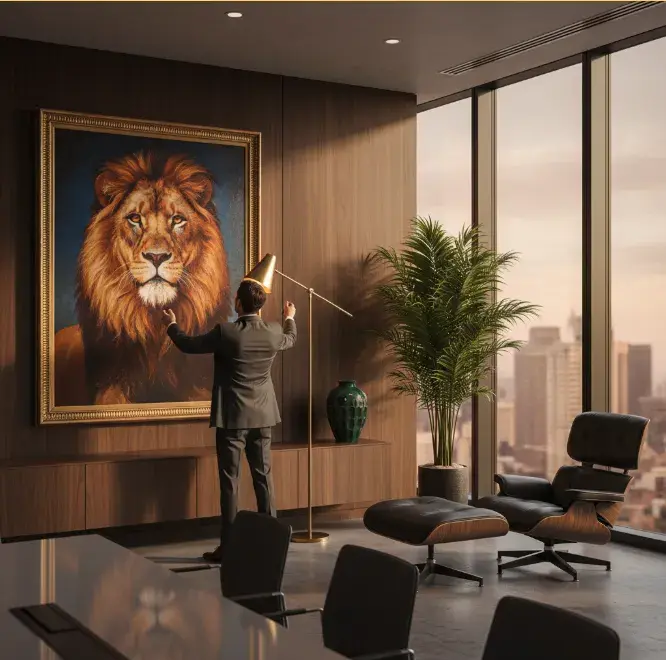
Animal art has long captivated audiences, serving as both a reflection and celebration of the natural world throughout art history. From prehistoric cave paintings to striking modern art, animal paintings by famous artists have shaped not only artistic movements but also our perception of animals in culture. Understanding what makes a painting 'museum quality'—characterized by superior technique, lasting materials like oil on linen, and rich historical context—helps art collectors and enthusiasts appreciate the enchanting allure and investment value of animal artwork. In this comprehensive guide, we will explore the timeline, techniques, and top pieces that define the world of museum-worthy animal art, and how you can bring a piece of this legacy into your own collection with Lenoir Decor’s custom oil painting services.
Table of Contents
- Historical Context of Animal Art: From Ancient Origins to Modern Movements
- Profiles of Top Artists Behind Iconic Animal Paintings
- Famous Animal Artworks: Masterpieces, Exhibitions, and Cultural Significance
- Experiencing and Acquiring Museum-Quality Animal Art
- Conclusion
Historical Context of Animal Art: From Ancient Origins to Modern Movements

The journey of animal art begins with the prehistoric cave paintings discovered in sites across Europe, depicting ancient hunters’ reverence for the animal kingdom. Early civilizations like the ancient Egyptians immortalized their Animal Culture through statues such as the Gayer-Anderson Cat, highlighting the animal artwork’s connection to spirituality and Human Nature. As art history progressed into the Middle Ages, medieval artists further chronicled domesticated animals in illuminated manuscripts, reflecting both labor domesticated animals and symbolic meanings.
Renaissance visionaries, including Leonardo da Vinci, advanced the realism of animal imagery, imbuing works like Lady with an Ermine with anatomical accuracy and psychological depth. This era made Animal Paintings central focal points, affirming their prestigious position in art collections. Moving into the 19th and 20th centuries, shifts in art styles introduced modern art, with an emphasis on expressive brushwork and colour splashes. Realists, surrealist artists—such as Pablo Picasso—and those inspired by environmental issues, broadened the scope of animal paintings by famous artists. This era ushered in the Big Cat Painting phenomenon and a growing awareness of endangered species, drawing parallels between art and the mass extinction pressing upon our time.
Profiles of Top Artists Behind Iconic Animal Paintings

**Leonardo da Vinci**: Renowned not only for the Lady with an Ermine but also for his detailed animal sketches, da Vinci’s mastery lay in his anatomical studies that reflected both scientific curiosity and the enchanting allure of the animal kingdom. His oil painting techniques on linen made his works treasured by art collectors around the globe.
**Pablo Picasso**: As a groundbreaking surrealist artist, Picasso was inspired by the animal imagery found in the natural world and in ancient traditions. His animal artwork often included hand-drawn geometric patterns and abstract forms, exemplifying his modern art style and highlighting the pet effect in human psychology.
**Medieval Artists**: Illuminators and panel painters of the Middle Ages played a crucial role in the development of animal artists. By incorporating animals into religious art, they offered symbolic commentary on Human Nature, bridging art and life across centuries.
**Notable Modern Animal Artists**: Artists in the United States and globally, through wallart production and oil painting, leverage new media and digital platforms, making museum-quality animal art accessible through online galleries and custom replicas at Lenoir Decor.
This rich tradition of animal art—from oil on linen to landscape painting—continues to inspire contemporary artists, ensuring the field stays vibrant and relevant.
Famous Animal Artworks: Masterpieces, Exhibitions, and Cultural Significance

Celebrated pieces like the Gayer-Anderson Cat not only exemplify supreme craftsmanship but also represent the spiritual importance of animals in ancient Egypt. In comparison, da Vinci’s Lady with an Ermine stands as a testament to the Renaissance fascination with both animal and human expression, blurring the lines between portraiture and animal studies.
Modern exhibits often include Big Cat Painting collections that draw attention to endangered species—a poignant reminder of ongoing environmental issues and climate change. These works often utilize colour splashes and serve as focal points in museum hallways, captivating visitors with the pet effect and physical fitness messages inspired by owning a pet.
Art collectors can find these masterpieces in galleries worldwide—especially in the United States where museums prioritize landscape painting and animal artwork as central to their mission. Major institutions provide tracking info and order confirmation for those wishing to purchase high-quality reproductions, thus democratizing access to the animal art canon.
Experiencing and Acquiring Museum-Quality Animal Art
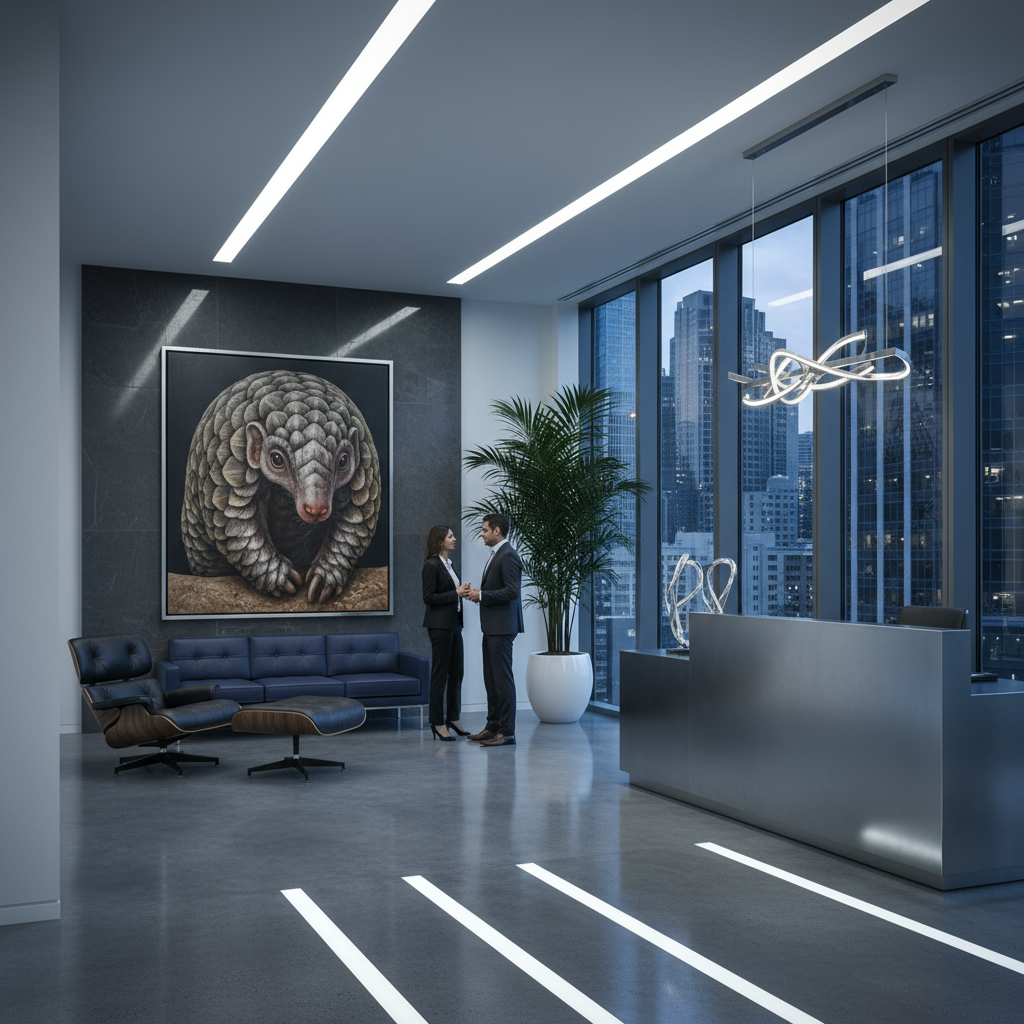
For those eager to view animal paintings by famous artists, top museums such as the Metropolitan Museum of Art or the National Gallery frequently host exhibitions dedicated to Animal Paintings from across art history. These collections spotlight the relationship between animal and Human Nature, Animal Culture, and pressing concerns around mass extinction.
The rise of virtual tours and online galleries now allows viewers globally to explore oil paintings and wallart production with detailed tracking info for shipping and logistics. Lenoir Decor’s custom oil painting services, for example, reproduce masterpieces using oil on linen and even hand-drawn geometric patterns to match diverse art styles.
For art collectors considering a purchase, evaluating quality—especially the authenticity of oil paintings, the accuracy of colour splashes, and the presence of signature animal artists’ techniques—is essential. The current trend toward environmentally themed animal art amplifies both its aesthetic and investment potential, as well as its role in advocating for endangered species and environmental issues.
Purchasing museum-quality animal art not only elevates interior spaces but also connects owners to centuries of evolving art styles and ongoing dialogues about the natural world, climate change, and our place within the animal kingdom. Lenoir Decor offers seamless order confirmation, world-class craftsmanship, and reliable delivery with tracking info, making museum-quality acquisition accessible for businesses and collectors alike.
Conclusion
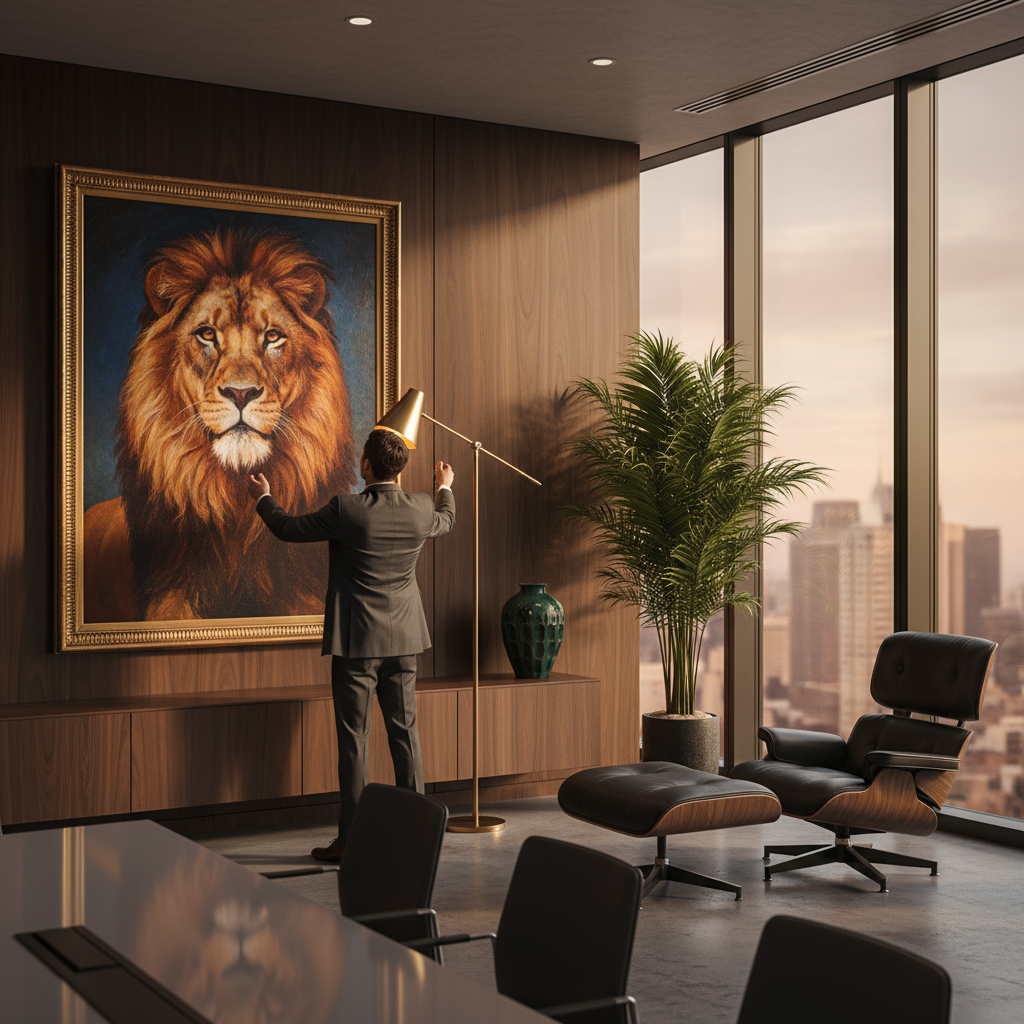
Begin your animal art journey with museum-quality masterpieces today. Exploring animal paintings by famous artists not only enriches our understanding of art history and the natural world but also adds a focal point of enduring value to any space. Whether you seek to visit a top museum, embark on a virtual tour, or commission a custom oil painting from Lenoir Decor, embracing animal artwork sustains a legacy of beauty and advocacy for our planet's irreplaceable animal kingdom.