French
 German
 Italian
 Arabic
 Japanese
 Spanish
 Korean
 Russian
 Portuguese
 Dutch
Dutch
 Norwegian
 Finnish
 Swedish

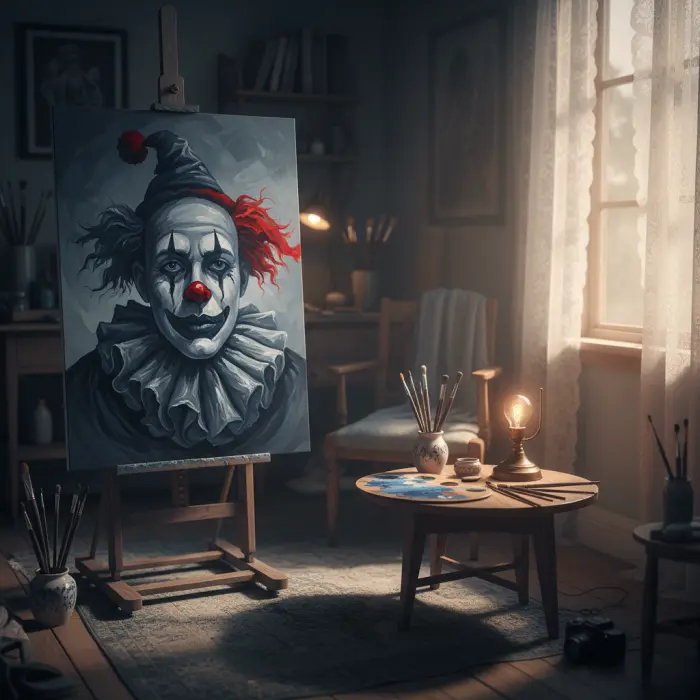
Depression artworks—such as clown art painting, clown painting, and the painting of a clown—offer a profound window into the complexities of the human spirit. These artistic expressions delve into the relationship between mental health and art, revealing how visual storytelling can articulate feelings often hard to express in words. Across centuries, artists have used their craft not only to process their own psychological pain, but to illuminate the universal struggle with mental illness, bringing awareness, empathy, and hope to their audiences. By exploring depression artworks, we gain a deeper understanding of the ways in which artistic expression speaks to both suffering and resilience, and how it continues to aid in healing and recovery.
Table of Contents
- Historical context: tracing the roots of depression artworks
- Key themes and techniques in depression artworks
- Artists, narratives, and contemporary perspectives
- The healing and educational power of depression artworks today
- Conclusion
Historical context: tracing the roots of depression artworks
Depression artworks have evolved in tandem with shifts in society’s understanding of mental health and the human condition. From early chalk drawings depicting suffering and turmoil, through the expressive works of the Romantic and Modernist periods, artists have consistently engaged with psychological pain. Perhaps no figure is as emblematic as Vincent van Gogh. His masterpieces—like "The Starry Night"—reflect not only a unique artistic genius but a deeply personal struggle with bipolar disorder and emotional turmoil. Edvard Munch’s "The Sick Child" renders grief and vulnerability with raw honesty, while John Constable’s "The Gust of Wind" subtly captures melancholic introspection. As art history progressed, artists have harnessed painting, sculpture, and even abstract mystical levels of representation to give form to internal battles. Modern sculpture and contemporary installations, often displayed in major art museums and research libraries, continue this tradition—showcasing how artistic expression remains intricately tied to our collective and individual experiences of mental illness.
Key themes and techniques in depression artworks

A defining feature of depression artworks is their emotional depth. Common themes—such as isolation, resilience, and the tension between despair and hope—are vividly portrayed through visual elements, from somber color palettes to expressive forms. Clown art painting, for example, leverages the contrast between the outward cheerfulness of a clown and an underlying sadness, an approach rooted in both historic and modern explorations of social situations and internal conflict.
• Emotional drawing: Many artists use expressive sketches to capture fleeting moments of anguish or reflection.
• Abstract mystical levels: Abstract painting and sculpture allow artists to evoke emotions beyond words, transcending literal depiction into symbolic terrain.
• Art making as therapy: The very act of art making—whether it’s a painting of a clown or a large-scale modern sculpture—can serve as a cathartic release and coping mechanism for artists.
• Mediums: Ranging from traditional oil paintings to digital artworks and installations, depression artworks find life in every medium.
• Slow Art: This approach encourages mindful, deliberate observation—enhancing the viewer’s awareness of their own responses to works that explore mental illness and healing.
Artists, narratives, and contemporary perspectives

Behind every clown painting or depression artwork lies a lived experience. Many artists who create these works have openly discussed their battles with mental illness. For example, Vincent van Gogh’s letters reveal his use of art as a form of art therapy and a tool for generating positive thoughts amidst psychological pain. Edvard Munch described his artwork as an ongoing confrontation with fear and anxiety, while contemporary artists draw from cognitive behavioral therapy techniques, incorporating themes of transformation and self-reflection. Current exhibitions at venues like the Phoenix Art Museum and even in dedicated Asian art spaces are shining a new light on the complex relationship between artistic expression and mental wellness. Interviews and artist statements from modern painters and sculptors further reveal the profound impact that both creating and viewing depression artworks can have on individual and collective healing.
The healing and educational power of depression artworks today
Depression artworks don't just bear witness to pain—they actively facilitate healing and dialogue. Art therapy programs across the globe employ emotional drawing and other creative processes as part of psychological treatment for conditions like bipolar disorder, depression, and anxiety. Visitors to art museums, including those with notable depression-themed collections such as the Phoenix Art Museum and institutions with rich Asian art holdings, often report cathartic responses—affirming the idea that engaging with art can generate positive thoughts and emotional relief. Online galleries and resources, including art research libraries and scholarly databases, offer diverse, accessible ways for audiences to encounter both historical and contemporary works. Curated reading lists and educational materials enable enthusiasts to explore the nuances of art, mental health, and therapy, while those interested in hands-on experiences can access workshops designed around slow art and emotional drawing. At Lenoir Decor, B2B clients can leverage handmade custom oil paintings as part of office wellness initiatives or to foster environments where mental health awareness is visually and sensitively integrated into the workspace.
Conclusion
Experience the transformative power of depression artworks firsthand. These works have facilitated understanding, sparked conversation, and inspired positive cultural change around mental health. From the nuanced sadness of a clown painting to the transcendent beauty of "Starry Night," depression artworks illuminate the profound connection between art and healing. As interest in mental health continues to grow, exploring and sharing these powerful works helps nurture empathy and resilience within communities. We encourage you to engage with depression artworks—whether through curated exhibitions, educational resources, or Lenoir Decor’s bespoke painting services—to deepen your understanding and contribute to an ongoing dialogue about mental wellness and artistic expression.
.webp)