French
 German
 Italian
 Arabic
 Japanese
 Spanish
 Korean
 Russian
 Portuguese
 Dutch
Dutch
 Norwegian
 Finnish
 Swedish

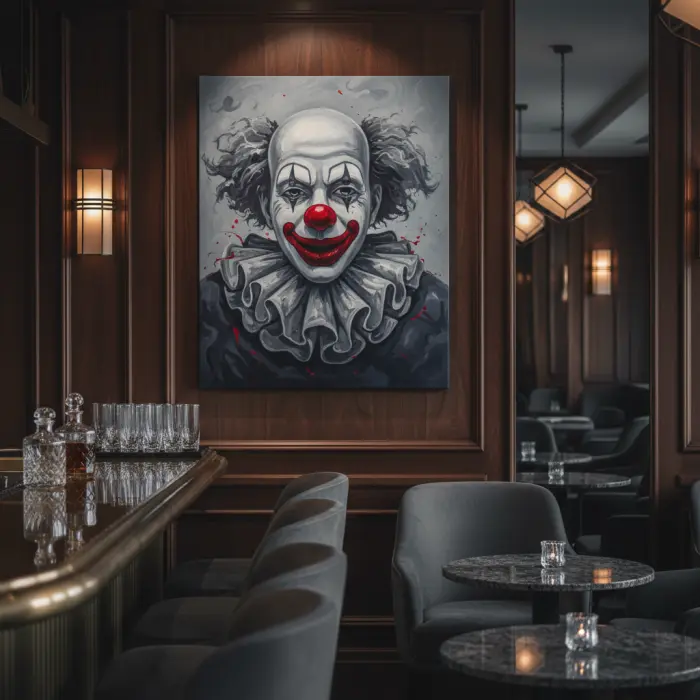
Clown painting has emerged as a bold trend in contemporary venue design, offering more than just decoration—it provokes thought, initiates conversations, and shapes the ambiance of restaurants, bars, cafes, and creative spaces. In an era when art is expected to engage visitors on multiple levels, the whimsical, surreal, or even eerie character of a clown painting draws in the eye and the mind. As venues seek unique ways to stand out, curating such distinctive art pieces can set a memorable tone for any gathering space. This article explores how carefully chosen clown paintings can transform venues, covering art styles, placement strategies, and expert recommendations to ensure your venue sparks lively discussion and lasting memories among patrons.
Table of Contents
- Understanding Clown Art
- Types of Clown Painting Styles
- Choosing Clown Art for Venues
- Case Studies, Expert Opinions, and Interactive Elements
- Resources and Further Reading
- Conclusion
Understanding Clown Art
Clown painting traces its lineage back through centuries of art history, with diverse interpretations reflecting changes in social attitudes and artistic movements. The genre draws upon the rich tradition of clown makeup, from the comedic exaggerated features used for stage visibility to deeply symbolic designs embedding layers of meaning. Historically, artists like Watteau's Pierrot and Tiepolo's Punchinello embedded the clown persona in scenes of theatrical melancholy and joy, their brushwork capturing the complexity of human emotion.
Modern masters including Wayne Thiebaud, Pierre Bonnard, and Édouard Vuillard have infused clown art with post-impressionist color, unique perspectives, and the intimacy of everyday moments. Francis Bacon famously explored the darker side of the clown face, pushing the genre into psychological territory and knotting together beauty and discomfort. The collage elements and mixed media experimentation seen in recent works bring a sense of dynamism and surprise, sometimes recalling the playful juxtapositions of vintage postcards or evocative scenes from the Beautiful Freaks of circus history.
Why are clown paintings such conversation starters? The answer lies in their ability to reflect both vulnerability and bravado. Whether channeling a surreal circus world or the gentler interactions of a local art fair, clown paintings provoke questions about identity, humor, and tradition. These attributes make them magnets in communal spaces, where guests interpret—and sometimes debate—the meanings behind those compelling, made-up faces.
Types of Clown Painting Styles
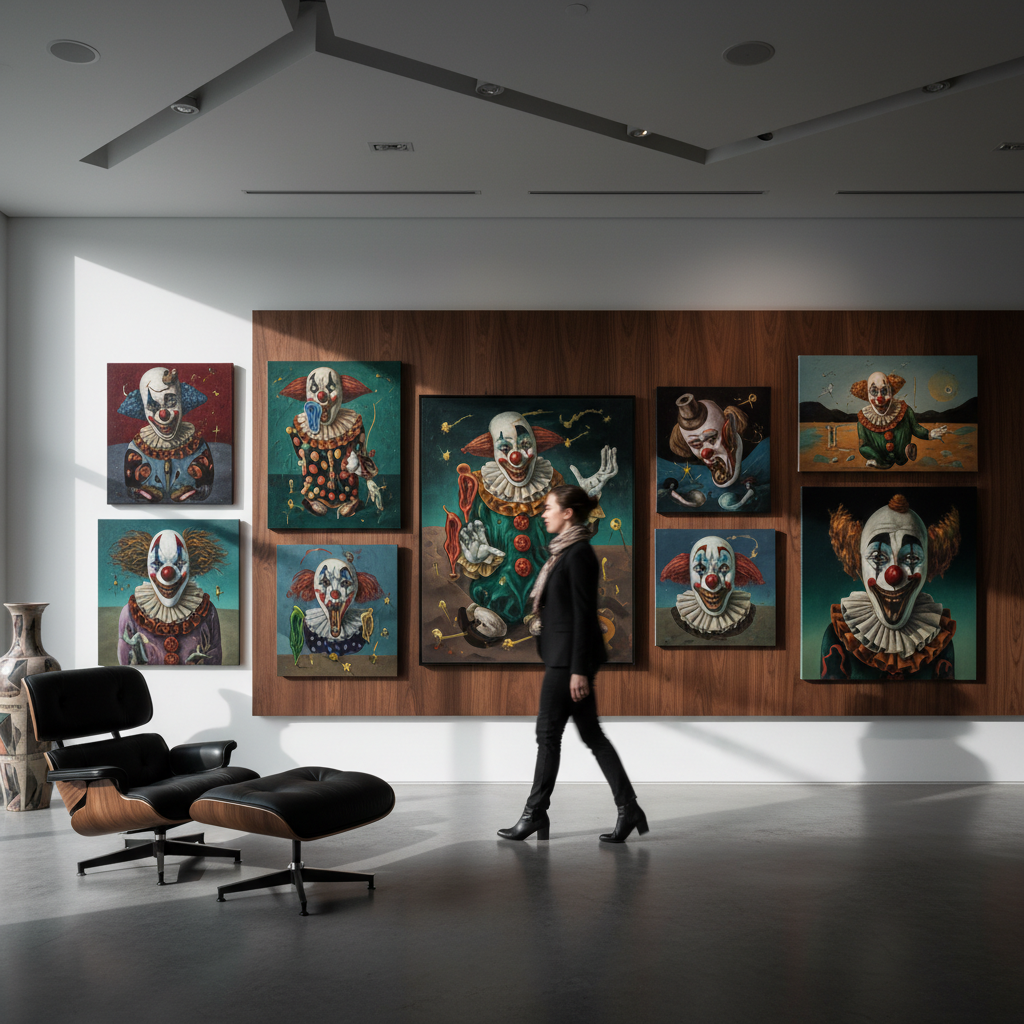
Clown paintings exhibit remarkable stylistic diversity, continuously reinvented by artistic innovation. Here are the major categories to consider for your venue:
• Classic Clown Art: Traditional clown paintings emphasize recognizable clown makeup, costumes, and theatrical poses. These works often echo the charm of vintage postcards or borrow inspiration from the commedia dell'arte tradition, as seen in Watteau's Pierrot or Tiepolo's Punchinello.
• Abstract and Modern Interpretations: Modern artists like Wayne Thiebaud, Pierre Bonnard, and Édouard Vuillard introduced expressive brushwork, vibrant palettes, and new vantage points, creating clown persona studies rich in emotion and texture. Some contemporary creators blend collage elements or explore clown face motifs through mixed media, offering fresh, eye-catching takes found in spaces like Uprise Art or Tappan Collective.
• Surreal Clown Art: The surreal circus world appears as a recurring influence—think Francis Bacon’s unsettling, beautiful oddities and layered clown makeup designs. These dreamlike renderings challenge perceptions with unexpected shapes or haunting expressions, ideal for sparking conversation in eclectic venues.
Many prestigious venues and museums—such as the McNay Museum of Art and the Brandywine River Museum of Art—have curated exhibitions that highlight these three stylistic approaches, affirming clown paintings’ power to ignite dialogue and emotional response.
Choosing Clown Art for Venues

To ensure your clown painting selections heighten your venue’s atmosphere, follow these professional guidelines:
• Evaluating Venue Atmosphere: Consider the mood you want to evoke. Playful clown faces suit lively, informal venues, while abstract or darker interpretations create intrigue in sophisticated spaces. Observe how local art or artwork from art fairs fits your concept.
• Art Placement Strategies: Place clown paintings where they naturally prompt discussion—in entryways, above seating areas, or in gallery groupings. Creative arrangements using collage elements and giclée prints maximize visual interest, allowing for layered storytelling. Incorporating mixed media clown pieces near communal areas can amplify their conversational impact.
• Sourcing and Acquiring Art: Seek original works through connections in the art community or at contemporary events. Online platforms like Uprise Art and Tappan Collective provide access to unique and limited-edition clown paintings and giclée prints. For venues seeking authenticity and customization, Lenoir Decor’s bespoke clown painting service offers one-of-a-kind, handmade oil paintings tailored to your venue’s specific needs. Engaging artists directly, exploring art fairs, and visiting local galleries introduces you to emerging talent and specialized collections.
Case Studies, Expert Opinions, and Interactive Elements

Many innovative restaurants, lounges, and boutique hotels have incorporated clown paintings to craft unforgettable experiences. Venues interviewed report that carefully curated clown persona works become favorite talking points among visitors, often featured in social media posts and user-generated galleries. For instance, a bistro in Paris displayed a surreal circus world mural, crafted with mixed media and collage elements, which became an instant icon within the local art community.
Expert perspectives further illuminate these choices. Art historians acknowledge clown art’s timeless place in cultural commentary, highlighting connections to artists like Wayne Thiebaud and Pierre Bonnard, who redefined the genre’s emotional reach. Interior designers recommend pairing clown makeup designs and vintage postcards with modern furnishings to strike a harmonious balance between nostalgia and curiosity, helping venues stand out at art fairs or museum-inspired events.
To personalize the journey:
- Participate in interactive quizzes to discover the ideal clown painting style for your establishment.
- Encourage your visitors to share their own clown painting displays via user-generated galleries, fostering engagement and an ongoing conversation about art’s role in shaping venue identity.
Resources and Further Reading
For readers wishing to delve deeper:
• Artist Directories: Consult listings that highlight emerging and established clown artists, including those showcased by Uprise Art and Tappan Collective. Museums such as the McNay Museum of Art and Brandywine River Museum of Art often feature exhibitions rich in clown art heritage.
• Buying Guides: Evaluate different acquisition methods—from giclée prints for budget-conscious buyers to investing in original, custom clown paintings for a truly unique statement. Detailed guides help you compare costs, understand the value of mixed media artworks, and connect you with reputable art fairs and galleries for sourcing pieces that best fit your venue.
For bespoke needs, organizations like Lenoirdecor.com provide personalized consultations, offering handmade clown paintings with the flexibility of size, style, and artistic approach, ensuring your selection is a perfect match for your venue’s vision.
Conclusion
discover your perfect clown painting today—ignite conversations, inspire curiosity, and craft a memorable atmosphere. In sum, a thoughtfully selected clown painting doesn’t merely decorate a wall; it transforms venues into dynamic social environments where art is the catalyst for connection and creativity. Dive into the world of clown art, explore its many styles and histories, and consider how custom handmade pieces from Lenoir Decor could make your venue the talk of the town.
.webp)