French
 German
 Italian
 Arabic
 Japanese
 Spanish
 Korean
 Russian
 Portuguese
 Dutch
Dutch
 Norwegian
 Finnish
 Swedish

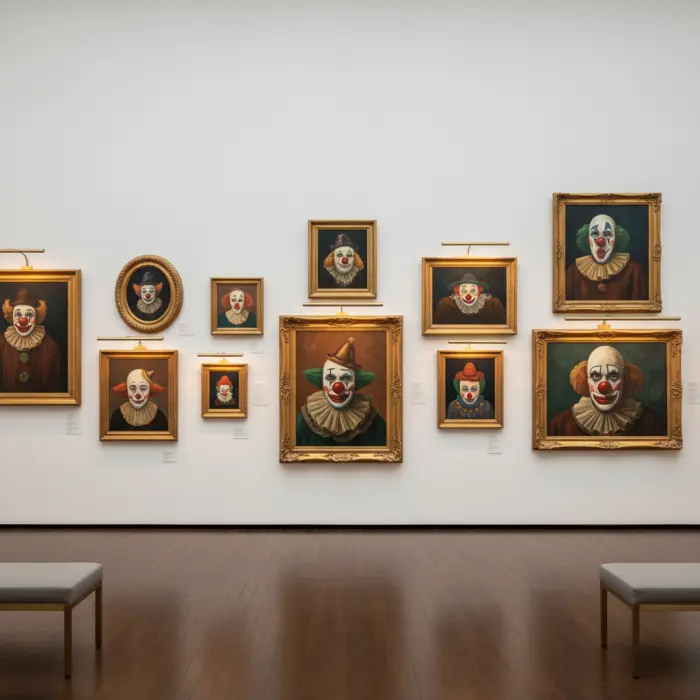
Few genres in the world of art invoke such a powerful mix of emotion as clown art painting. With its ability to shift seamlessly from exuberant joy to haunting mystery, the painting of a clown offers a unique lens for artists and collectors alike. Whether you are captivated by the playful spectacles found in vintage clown paintings or drawn to minimalist clown paintings">the enigmatic allure seen in minimalist clown paintings, this field invites both historical intrigue and a deeper emotional journey. This article helps B2B buyers, collectors, and interior professionals understand the evolution, meaning, and collectible value behind clown painting, setting the stage for informed appreciation and acquisition.
Table of Contents
- Historical Context: From Commedia dell’arte to Modernity
- Artistic Styles and Emotional Themes in Clown Painting
- Iconic Works, Critique, and Influential Artists
- Guided Acquisition: Collecting and Displaying Clown Art
- Conclusion
Historical Context: From Commedia dell’arte to Modernity

The origins of clown art painting can be traced back centuries, with roots in the vibrant theatrical world of the Commedia dell'arte. These Italian street performers inspired painters like Jules Cheret, whose posters celebrated the comic opera traditions of the 19th century with bold uses of color and motion. Prominent artists such as Thomas Couture and Gustave Doré found inspiration in the theatrical gestures, creating narrative art that immortalized these figures.
Over time, clown imagery evolved alongside art movements. The Divisionist style, characterized by the optical blending of colors, and pointillist dots became instrumental in works seeking to evoke both the spectacle and subtle melancholy of clowns. Notably, Pablo Picasso’s Blue and Rose Periods featured clown subjects that echoed both joy and existential depth—a bridge between traditional entertainment and the abstract art transformations of the 20th century.
As art historian Robert Herbert noted, these transitions reflected broader societal changes, where the clown moved from comedic spectacle to a symbol laden with mystery and introspection. Institutions like the Metropolitan Museum of Art continue to showcase these shifts, offering a window into the layered identities of the clown in painting.
Artistic Styles and Emotional Themes in Clown Painting
Clown paintings encapsulate a striking emotional range. Joyful depictions often thrive in vibrant scenes, reminiscent of Carnival celebrations and boho clown paintings. Artists use soft pastel tones and ornamental details to embody happiness, placing characters in playful, exaggerated poses. These works often utilize the golden section, arranging subjects to create balance and harmony, enhancing the uplifting effect.
On the other side, minimalist clown paintings emphasize the enigmatic aspects of clownhood. Sparse backgrounds, subtle facial expressions, and shadowy palettes conjure moods seen in horror movies, revealing the clown's mysterious depths. Abstract art movements further expanded this intrigue, using unconventional forms and composition to provoke reflection. Clown symbolism stretches beyond European traditions; Native American culture, for instance, includes sacred clown figures whose presence in art expresses dualities of chaos and wisdom.
Collectors may notice how each style employs unique framing. A classic black metal frame can instill a sense of modernity, allowing expressive colors or minimalist forms to stand alone, while more elaborate framing underscores the vintage appeal of certain pieces.
Iconic Works, Critique, and Influential Artists
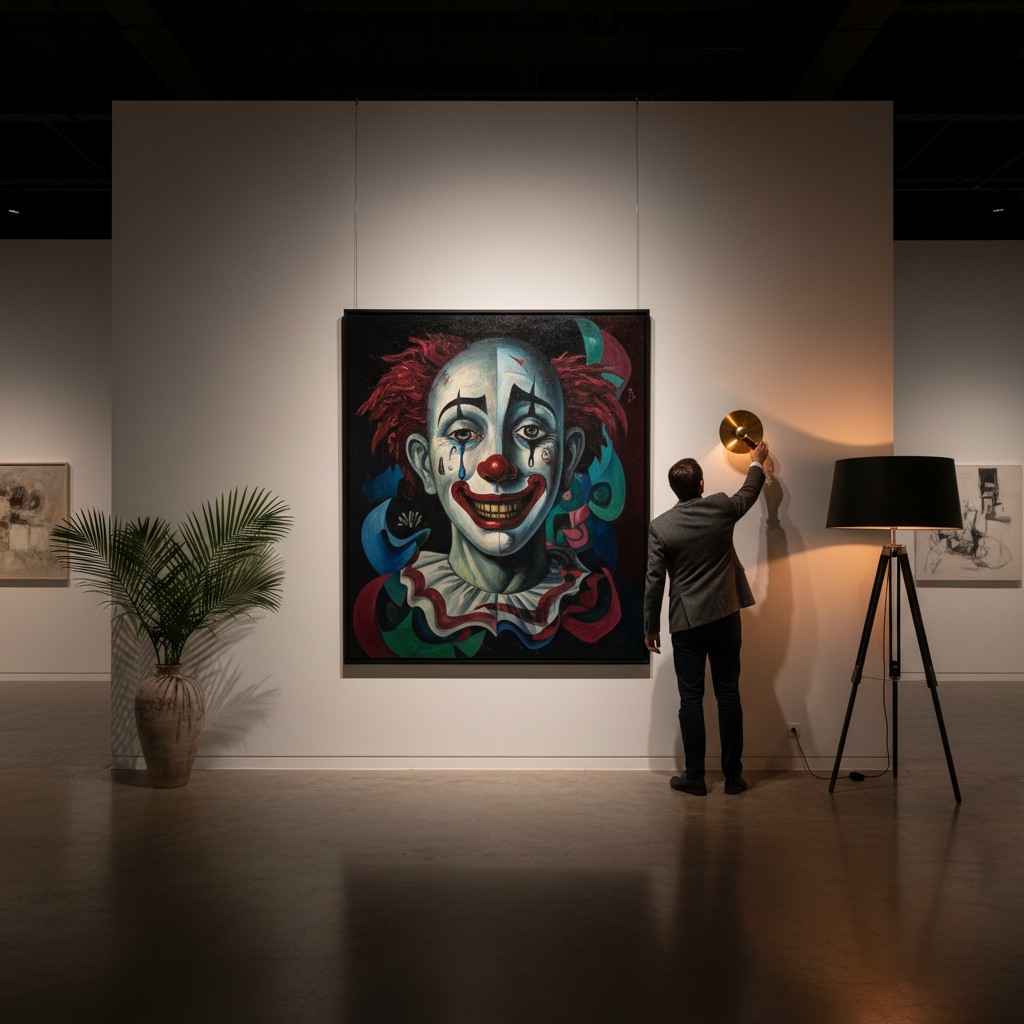
Many clown art paintings have become canonical. Influential artists like Pablo Picasso and Bernard Buffet explored the clown as a subject, imbuing their works with narrative art elements and emotional symbolism. Original paintings from these masters regularly appear in permanent museum collections and serve as touchstones for contemporary creators.
art critique, whether from institutional curators or renowned critics, focuses on criteria such as innovation—like the use of pointillist dots or abstract composition—emotional resonance, and cultural context. Both historical and modern artists contribute diverse perspectives. For instance:
• Thomas Couture: Brought painterly sophistication to clown portraiture.
• Jules Cheret: Fused poster art and comic opera motifs.
• Gustave Doré: Applied narrative gravitas to clown scenes.
• Contemporary Artists: Boho and minimalist clown painters use modern materials and digital media, often framing with sleek black metal or exploring cross-cultural themes including Native American influence and abstraction.
Insights from artists and critics, such as those documented by Robert Herbert, highlight how the emotional ambiguity and visual innovation of clown paintings sustain their popularity.
Guided Acquisition: Collecting and Displaying Clown Art
Given the genre's complexity, acquiring clown art for interior projects or collections requires both an eye for authenticity and an appreciation of style requirements. Considerations include:
• Original painting or Reproduction: Evaluate provenance, condition, and whether the work is hand-painted or printed.
• Stylistic fit: Vintage clown paintings complement classic décor, while minimalist clown paintings enrich modern spaces.
• Framing and Presentation: Choose a black metal frame for a contemporary look or opt for frames with ornamental details for a traditional feel.
• Artistic technique: Look for works using Divisionist style, soft pastel, or innovative applications of color and motion.
Reputable galleries and platforms, such as museum shops and select online art dealers, often feature curated collections. While the Metropolitan Museum of Art presents masterpieces for study, marketplaces and custom art studios like Lenoir Decor enable clients to commission personalized clown paintings tailored to their vision—turning narrative art into a business or residential showpiece.
For B2B buyers, exploring the full spectrum—from boho and abstract artistry to classic clown compositions—ensures a collection that resonates across client preferences, historical homage, and contemporary appeal.
Conclusion

Begin your clown art journey with a painting that speaks to you. clown art painting weaves joy, history, and profound symbolism into a visual language that resonates with mystery and cultural depth. Whether admired for their playful nostalgia or their enigmatic undertones, clown painting captivates audiences and collectors alike. Curate, critique, or commission—this genre rewards those who look beyond the mask. Discover more, engage with art communities, and explore unique handmade custom clown paintings with Lenoir Decor to transform your space and collection.
.webp)