French
 German
 Italian
 Arabic
 Japanese
 Spanish
 Korean
 Russian
 Portuguese
 Dutch
Dutch
 Norwegian
 Finnish
 Swedish

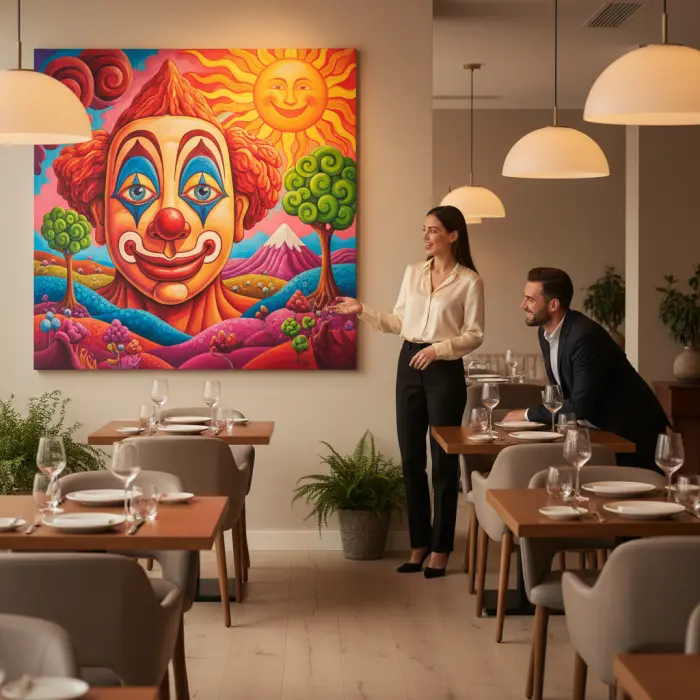
Clown art painting, with its captivating fusion of whimsy and complexity, has become a striking force in modern art. In recent years, the popularity of incorporating bold elements like clown art into creative restaurant interiors has risen—inviting diners on a unique sensory journey. This art trend marries visual intrigue and emotional depth, making it a natural fit for hospitality venues seeking a distinctive edge. Integrating artwork, especially evocative clown paintings, transforms restaurant atmospheres, enhancing ambiance and fostering memorable experiences that linger long after the meal is over. This article will explore the evolution, significance, and integration of clown art painting in the restaurant setting, providing actionable inspiration for restaurant owners, designers, and creative professionals.
Table of Contents
- Understanding Clown Art: History, Styles, and Influences
- Clown Art as a Bold Feature in Creative Restaurant Environments
- Strategies for Integrating Clown Art into Restaurant Decor
- The Impact of Clown Art on Customer Experience and Restaurant Marketing
- Challenges, Considerations, and the Future of Clown Art Painting in Hospitality Design
- Conclusion
Understanding Clown Art: History, Styles, and Influences

Clown art painting holds a storied position in the world of fine art, traversing cultures and periods. Its origins can be traced to commedia dell’arte performances and traveling circuses, where the figure of the clown symbolized both laughter and an undercurrent of melancholy. The 1957 film The Joker is Wild, chronicling the life of a tragic comic, further cemented the motif of the melancholy clown in popular culture. Gallery owners have long recognized the emotive power of clown imagery, with artists from varied backgrounds lending their interpretations to the form.
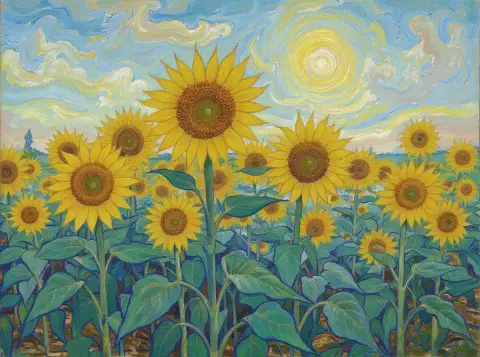
Styles within clown art painting span a broad spectrum. From the impasto richness of oil painting—famously championed by masters like Van Gogh, whose expressive brushwork recalls the color-laden faces of performers—to hyper-realistic paintings that capture the subtle shifts in clown makeup and expression, there is no one-size-fits-all method. In recent decades, the rise of pop surrealism, celebrated in publications like Juxtapoz Magazine, has brought a new dimension, allowing street artists and print-pattern artists to challenge traditional motifs. Notable creators such as Allison Bamcat inject playful color palettes into urban landscapes, transforming overlooked scenes into vibrant, narrative-driven canvases.
The global art scene has embraced clown themes, with contemporary spaces such as Scream gallery and Capro Nason Fine Art Gallery, as well as innovative venues like Gallery Here and There and the Casket Arts Campus in the Casket Arts Building, dedicating significant exhibitions to the genre. These events highlight connections between clown art, broader movements, and the ongoing allure of carnival imagery in the creative industries.
Clown Art as a Bold Feature in Creative Restaurant Environments
Clown art painting’s versatility and emotional resonance make it an ideal focal point for creative restaurants seeking to stand out. The juxtaposition of humor and poignancy inherent in clown imagery creates a tapestry of moods, engaging diners and stirring conversation.
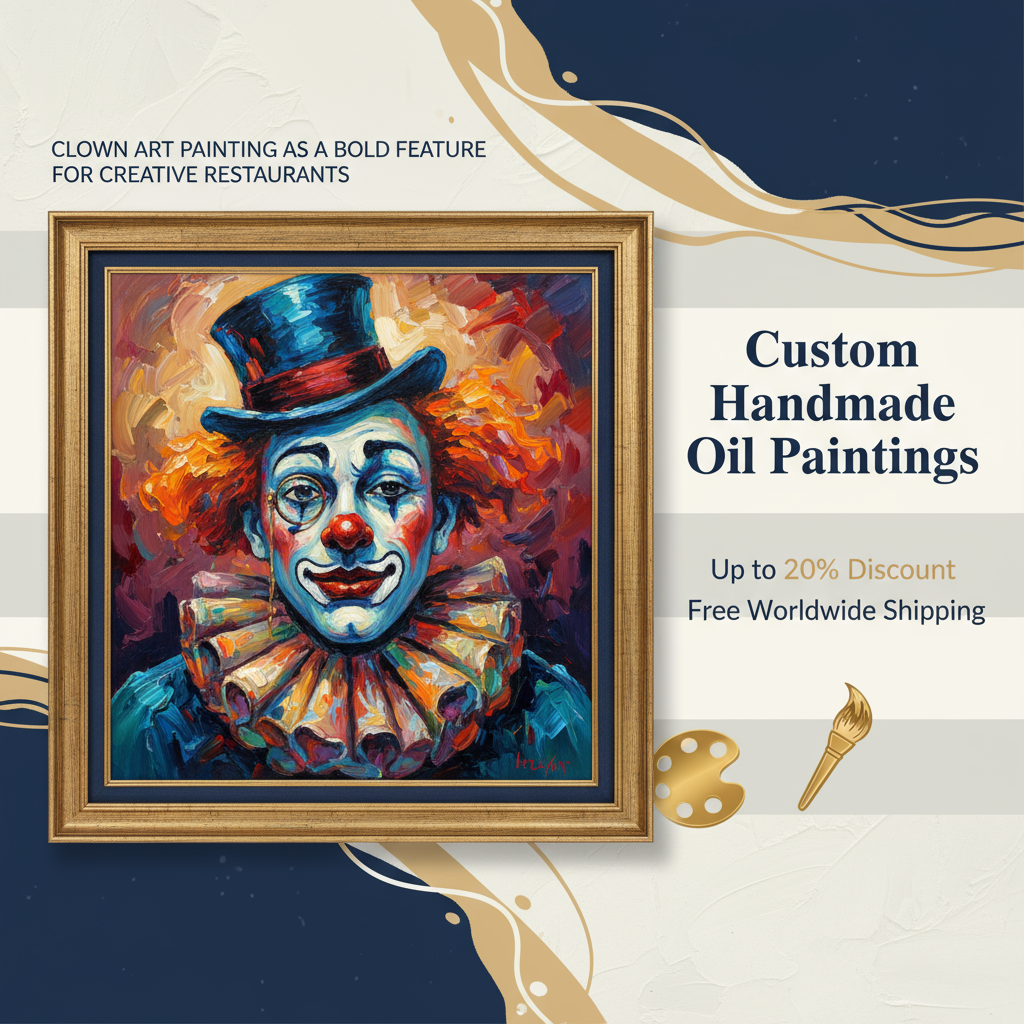
- Conceptual Significance: Clown art introduces an evocative theme, transforming mundane restaurant walls into animated storyboards. By harnessing emotion—whether through the expressive melancholy of a painted clown or the rebellious energy of a street artist’s mural—restaurateurs craft atmospheres that captivate patrons from the moment they enter. Themes from clown art can also reflect deeper narratives, such as resilience, transformation, and the celebration of overlooked scenes in urban landscapes.
- Case Studies and Examples: Many creative restaurants have showcased clown art as a signature feature. At venues like Scream gallery’s pop-up restaurant exhibitions, curated works ranging from hyper-realistic paintings to bold, print-pattern art have fascinated visitors. Restaurateurs interviewed often highlight the positive feedback received on such daring choices, with guests often referencing the impact on ambiance and their overall experience. One establishment in the Casket Arts Building used a mural inspired by Art the Clown (a notorious character from genre cinema) to generate intrigue, Instagram-worthy scenes, and even themed nights. These bold statements, coupled with thoughtfully selected pieces, reinforce a restaurant’s brand story and keep customers returning.
Strategies for Integrating Clown Art into Restaurant Decor
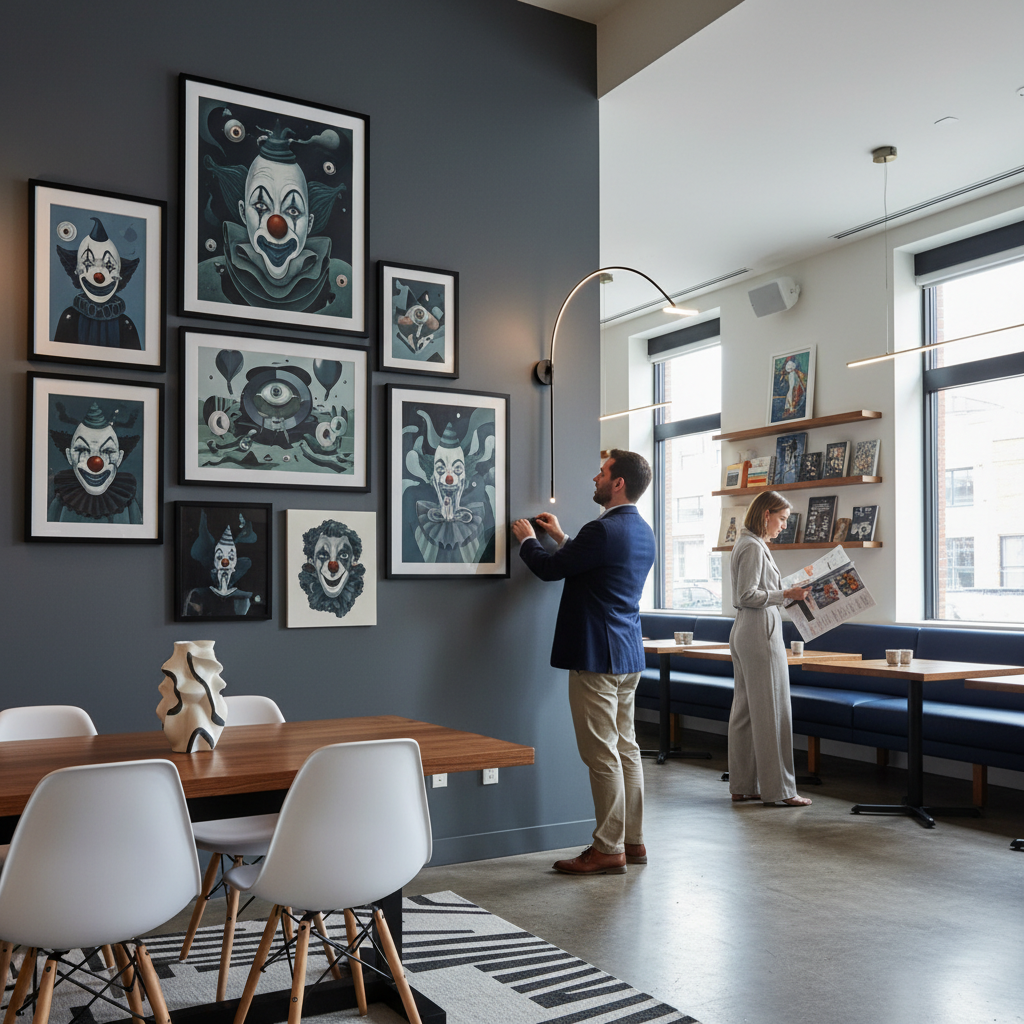
For restaurant owners and designers, weaving clown art painting into a dining space requires both vision and practical consideration to maximize its effect.
- Design and Layout Considerations: To ensure artwork enhances rather than overwhelms, consider placement within the overall decor scheme. Feature walls, alcoves, or areas where guests gather (such as waiting zones) can serve as ideal platforms. Functionality must harmonize with artistic expression—ensure that size, scale, and visual flow support a comfortable dining atmosphere.
- Thematic Consistency: Align the chosen artwork’s mood and style with the restaurant’s brand. For example, clown art in a playful, family-friendly venue might draw inspiration from classic, colorful performers, while a chic urban bistro could opt for abstract or pop surreal pieces featured in magazines like Juxtapoz Magazine. Cohesion between clown motifs and elements like menu design, lighting, and furniture reinforces a unified brand identity.
- Collaboration with Artists and Galleries: Sourcing from established artists—such as Allison Bamcat known for adorable yet sophisticated clown characters—ensures both artistic integrity and originality. Gallery owners can advise on trends and introduce restaurateurs to emerging talents or facilitate rotating exhibitions to keep the visual experience fresh. Establish connections with venues such as Capro Nason Fine Art Gallery or the Casket Arts Campus to access a pool of contemporary works.
- Custom Commissions: For restaurants desiring a truly distinctive visual statement, commissioning a custom clown art painting from services like Lenoir Decor offers flexibility and brand alignment. Engage directly with artists or studios, outlining preferred styles, color schemes, and emotional tones. Budget appropriately, factoring in the labor-intensive nature of oil painting, and allow for creative input to produce a visually arresting result.
The Impact of Clown Art on Customer Experience and Restaurant Marketing
- Atmosphere and Customer Perception: The addition of clown art painting alters more than aesthetics—it invites diners to engage emotionally and intellectually with their surroundings. Studies of restaurants that incorporate dramatic or whimsical art elements often report increased dwell time and deeper customer engagement. The emotional layering of clown motifs, from joyful nostalgia to enigmatic melancholy, can evoke unique conversations among guests and even influence repeat visits.
- Marketing and Branding Benefits: Artwork serves as a conversation starter and visual anchor for social media promotion. Clown artwork, with its bold graphics and narrative richness, is particularly well-suited to Instagram and other platforms. Restaurateurs can collaborate with artists on live painting events or launches to build buzz—much as exhibitions at Gallery Here and There or coverage in Juxtapoz Magazine do for the contemporary art scene. Aligning with well-known artists or street artist collectives also adds an air of credibility and exclusivity.
- Enhanced Experience through Theming: Establishments that successfully leverage clown art painting often develop broader events such as themed tasting menus, art nights, or even partnerships with local galleries like Scream gallery or artists’ spaces in the Casket Arts Building. Such integration cements the restaurant’s identity within the local cultural fabric and draws in a diverse clientele attracted by the novelty and sophistication of its decor.
Challenges, Considerations, and the Future of Clown Art Painting in Hospitality Design
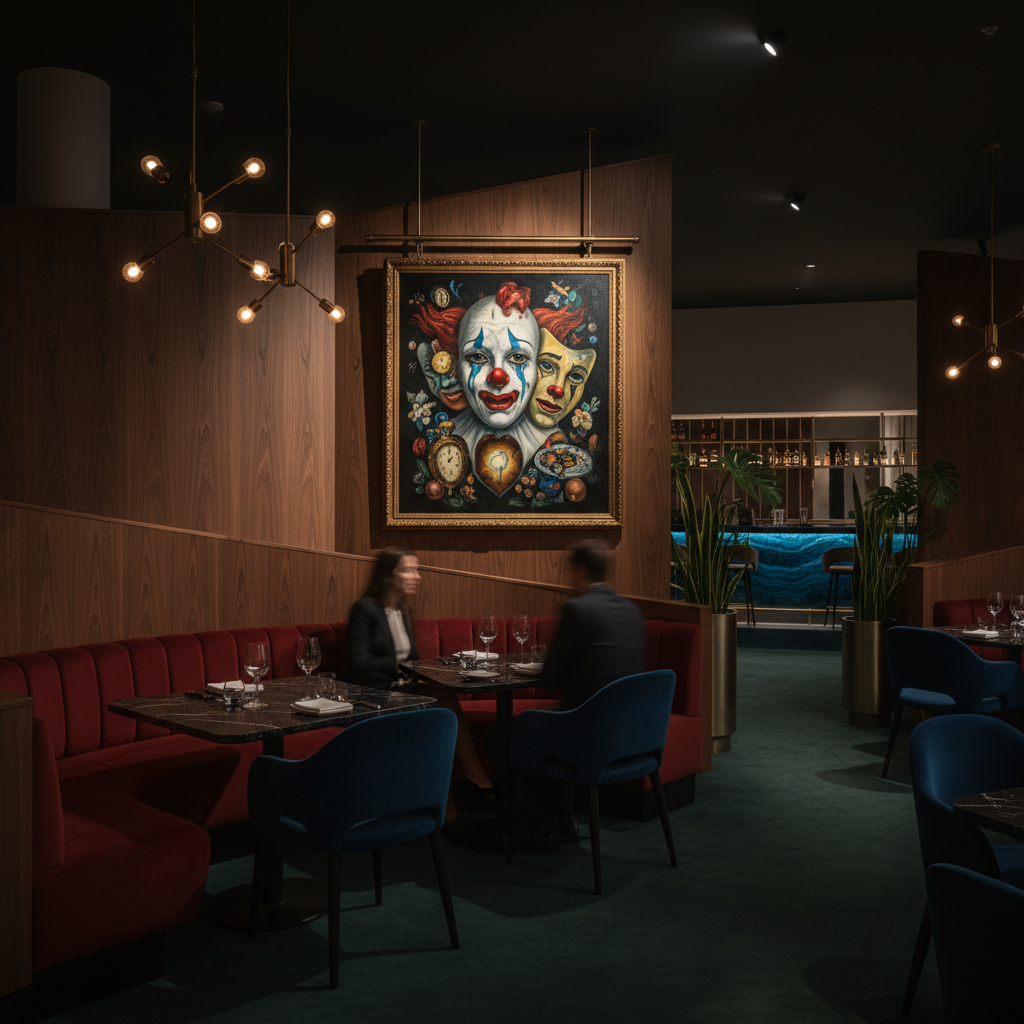
- Cultural Sensitivities and Misconceptions: While clown art painting captivates many, it can evoke strong reactions—positive or negative—due to the complex association with both humor and melancholy. Cultural imagery, as encapsulated by characters like Art the Clown, may not be universally embraced. Restaurateurs must gauge their clientele and the potential for misunderstanding carefully.
- Overcoming Challenges: For seamless integration, choose artwork that aligns with your audience’s preferences and the tone of your culinary offerings. Survey customer feedback before making large-scale decor decisions, and consider temporary installations via partnerships with galleries such as Capro Nason Fine Art Gallery for seasonal variety.
- Future Trends: Art integration in restaurants is poised for continued experimentation, with more venues exploring hyper-realistic paintings, immersive environments, and collaborations with print-pattern artists. Pop surrealism and urban landscapes, frequently featured in publications like Juxtapoz Magazine, are influencing the next generation of hospitality design. As interest in experiential dining grows, custom art commissions—especially evocative clown-themed pieces—will remain at the forefront of creative restaurant transformation.
Conclusion
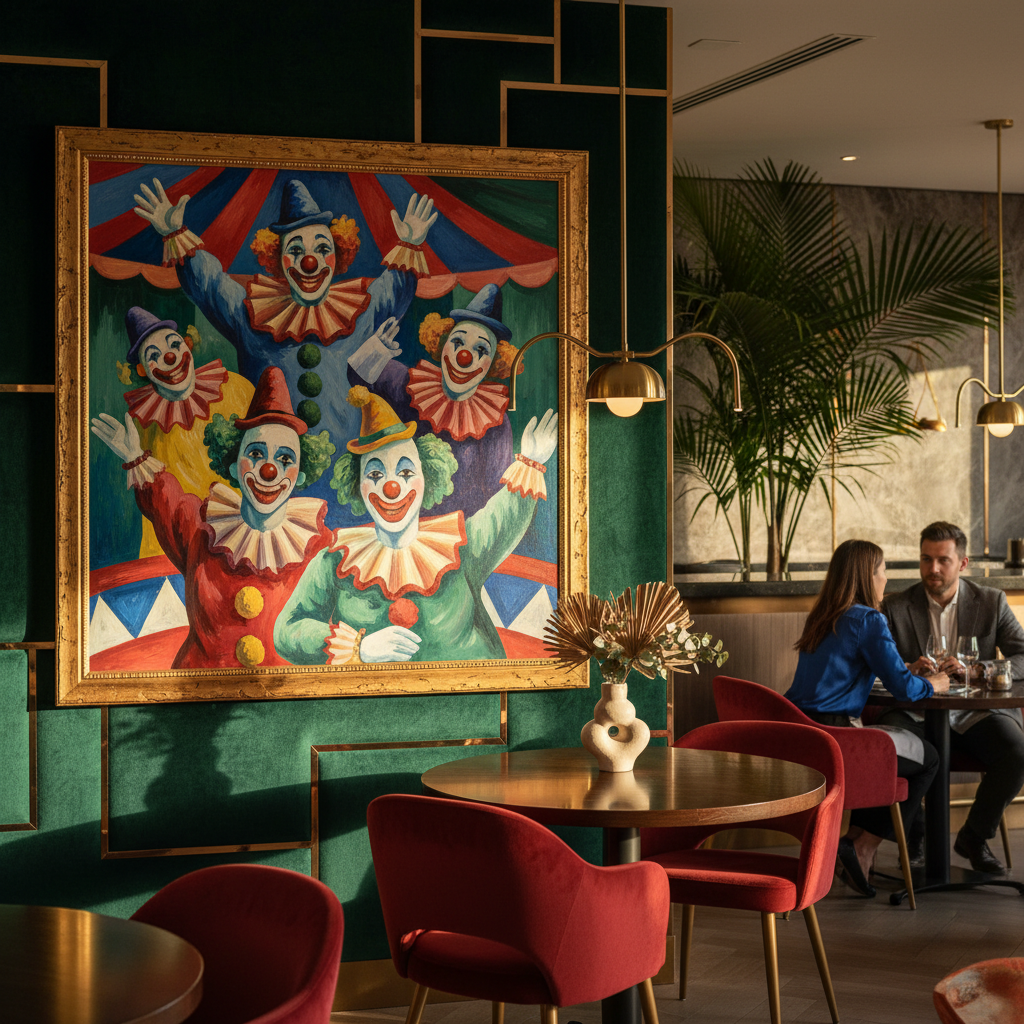
Bring your restaurant’s story to life—explore the transformative power of clown art painting. By incorporating thoughtfully curated or commissioned art, you can elevate ambiance, boost customer engagement, and carve a memorable brand identity. Now is the time for restaurateurs and designers to reimagine dining spaces with distinctive artistic flair. If you’re considering a custom oil painting or advanced themed decor strategies, contact Lenoir Decor’s team for expert guidance and tailored solutions.
.webp)