French
 German
 Italian
 Arabic
 Japanese
 Spanish
 Korean
 Russian
 Portuguese
 Dutch
Dutch
 Norwegian
 Finnish
 Swedish


Maintaining the elegance and value of oil paintings in office environments is both an art and a necessity. Oil paintings create a welcoming atmosphere for clients and staff, while often serving as integral investments and visual centerpieces. However, these artworks are uniquely vulnerable to dust, environmental changes, and mishandling. This comprehensive guide will empower you with knowledge and practical steps for the cleaning of oil paintings, safeguarding their beauty and your office's ambiance for years to come.
Table of Contents
- Understanding Oil Paintings: Composition and Vulnerabilities
- Step-by-Step Guide to Cleaning Oil Paintings
- Expert Tips and Recommendations
- Maintenance Tips and Preservation Strategies for Longevity
- FAQs and Additional Resources
Understanding Oil Paintings: Composition and Vulnerabilities

Oil paintings are more than just visually compelling works—they are complex assemblies of stretched canvas, natural fibers, pigment, and oil-based binders. This layered composition grants vibrancy but also makes these pieces susceptible to damage from dust, moisture, and pollutants. Over time, office environments—especially those with fluctuating humidity or air conditioning—can accelerate grime buildup and even contribute to paint flaking or yellowing.
• Canvas: Forms the foundation and is prone to humidity-related stretching or warping.
• Pigment: Oil-based pigments offer rich colors but can fade or discolor if exposed to harsh light.
• Varnish: While protecting the surface, varnish can become cloudy, sticky, or attract dust without proper care.
• Frame: Wooden or metallic frames can harbor additional dust and complicate thorough cleaning without special attention.
Among the most frequent challenges are surface dust, airborne contaminants, and accidental stains. Even in professionally managed offices, pollutants from outdoor traffic, HVAC systems, and daily activities subtly settle onto artworks. Addressing these issues requires understanding not only what oil paintings are made of but how their unique composition responds to external stressors.
Step-by-Step Guide to Cleaning Oil Paintings
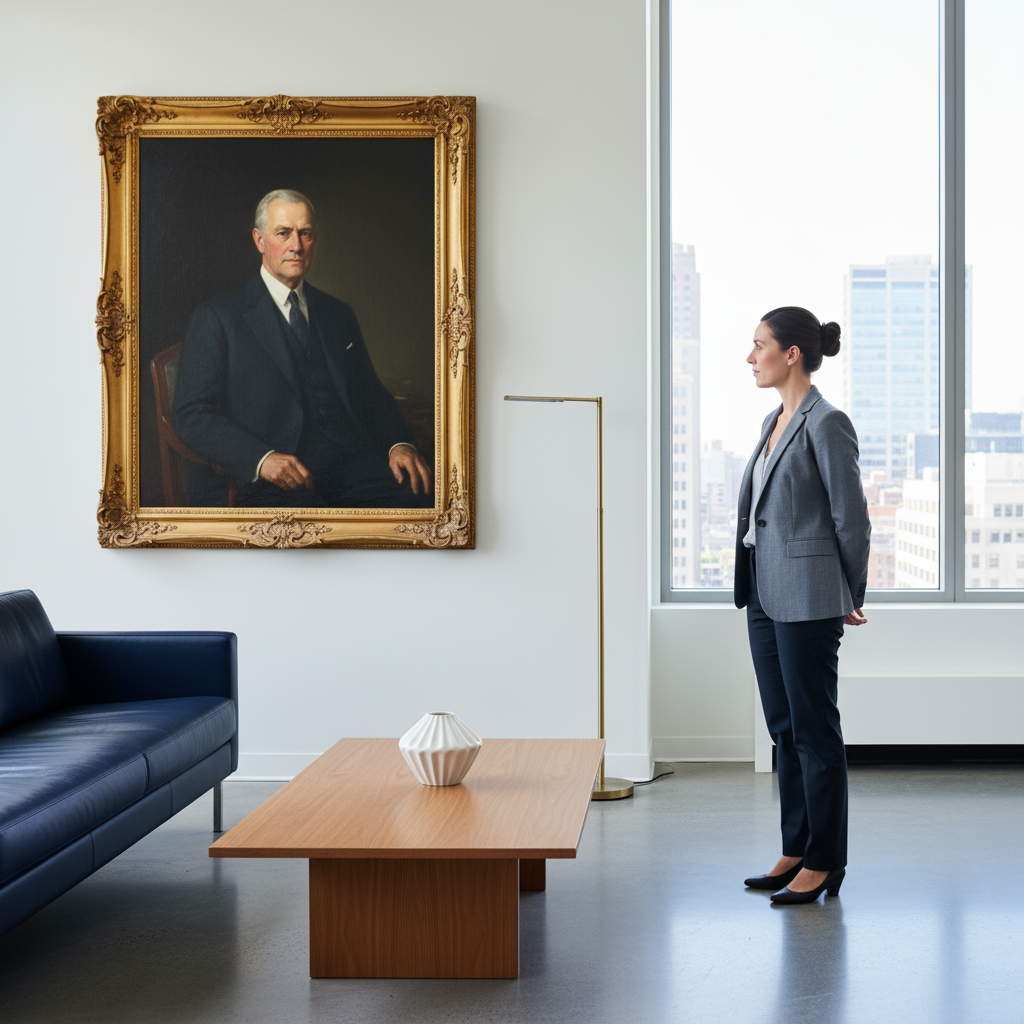
Proper cleaning of oil paintings involves careful planning and precise technique. Follow this expert-approved workflow to maintain your office’s artwork safely:
• Materials Needed: Always use soft, lint-free cloths, natural-hair brushes, and cotton swabs. Avoid household cleaning agents—opt for pH-neutral solvents and distilled water for the safest results.
• Pre-Cleaning Evaluation: Before any cleaning, examine the painting for visible damage, loose paint, or cracks. Gently shake your painting without touching the surface; if you hear rattling or see debris, consult a conservator first.
• Cleaning Process:
- Dusting: Hold the painting vertically and use a clean, soft brush to gently remove dust from the surface and frame without pushing particles into the paint.
- Surface Cleaning: For sticky grime, lightly dampen a cotton swab with distilled water and roll it across a test patch at the edge. If color transfers to the swab, stop—it's a sign you need professional help.
• Post-Cleaning Care: After cleaning, inspect the surface for missed spots and gently re-dust the frame. Return the painting to its usual location, away from direct sunlight and vents.
Consistent, careful attention ensures not only immediate cleanliness but continued preservation of both vibrant color and historic integrity.
Expert Tips and Recommendations
Even with the best intentions, cleaning of oil paintings can go wrong without expert guidance. Here are essential do’s and don’ts, with advice drawn from conservators and workplace case studies:
• Do’s and Don’ts of Cleaning Oil Paintings:
- Do: Use only cleaning kits made for fine art. Test any cleaning method on a small, inconspicuous area first.
- Don’t: Never use commercial sprays, abrasive pads, or water on the entire painting.
• Expert Opinions: As art restorer Mia Lenoir notes, 'Routine, gentle dry cleaning—never wet—prevents most surface buildup and avoids the irreversible harm solvents can cause.'
• Case Studies: After introducing scheduled inspections and controlled cleanings, several professional offices observed dramatic improvements in painting luminosity and staff satisfaction.
• Recommended Cleaning Kits: Choose products labeled for museum or gallery use to ensure safety. Options include dry cleaning sponges, microfiber dusters, and conservation-specified solvents. Compare features:
- Dry Cleaning Pads: Great for lifting dust but ineffective on sticky residues.
- Microfiber Cloths: Safe for light dusting, but not for oily buildup.
- Conservation Solvents: Powerful when used correctly, but only apply under expert supervision.
• Signs You Need a Conservator: Paint flaking, cracking, sticky or discolored varnish, water stains, mold, or insect activity are red flags. When in doubt, seek a conservator—professional intervention can prevent permanent loss.
• Choosing a Service Provider: Look for firms with proven experience in art conservation, museum references, and willingness to explain their process. Lenoir Decor provides tailored solutions with an expert touch, ensuring your office’s collection remains both protected and pristine.
For highly valuable or antique art, professional evaluation is always the wisest approach.
Maintenance Tips and Preservation Strategies for Longevity

True longevity for office oil paintings depends on more than just periodic cleaning. Preventive care is the foundation of lasting beauty.
• Environmental Controls: Maintain stable temperature and relative humidity (ideally between 40% and 60%). Sudden fluctuations can warp canvas and paint. Install UV-filtering window films and avoid harsh artificial lighting.
• Regular Inspections: Create a quarterly inspection log—look for signs of discoloration, uneven surfaces, or physical damage.
• Maintenance Tools: Keep a dedicated toolbox with soft dusters, inspection gloves, and cleaning swabs for routine care.
• Additional Visual Aids: Prepare infographics to educate your team—visual reminders improve compliance and attention.
FAQs and Additional Resources

Below are answers to common questions, plus resources for deeper learning:
• Can I use water or soap to clean an oil painting? Avoid at all costs. Water can seep through the layers, causing permanent damage.
• How often should paintings be cleaned? Dust every six months; deep cleaning should be conducted only when necessary, and ideally by a pro.
• What if my painting is stored in a high-traffic area? Increase inspection frequency; consider relocating valuable works if dust or accidental contact is frequent.

• Further Reading and Resources:
- The American Institute for Conservation: Caring for Your Treasures
- YouTube: Conservator demonstrations on safe cleaning methods
- Art forums and online communities: For peer support and troubleshooting
By staying informed, office managers and art lovers can help extend the life and beauty of their collections for generations.
.webp)