French
 German
 Italian
 Arabic
 Japanese
 Spanish
 Korean
 Russian
 Portuguese
 Dutch
Dutch
 Norwegian
 Finnish
 Swedish

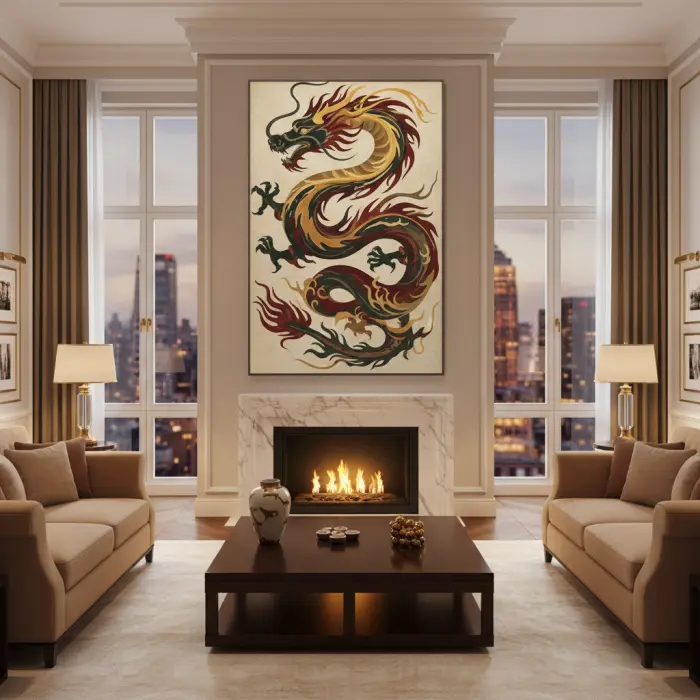
In the world of statement luxury interiors, few motifs are as captivating and timeless as chinese dragon artwork. As a potent symbol of power, wisdom, and prosperity in Chinese tradition, these dynamic images bring more than aesthetic impact—they weave stories and cultural depth into every space. This article explores how luxury designers and discerning B2B buyers can thoughtfully integrate chinese dragon artwork into their projects, offering inspiration, guidance, and expert insight to ensure each piece becomes the centerpiece of a truly remarkable interior.
Table of Contents
- Understanding Chinese Dragons in Art
- Incorporating Chinese Dragons into Luxury Interiors
- Selecting the Perfect Chinese Dragon Art Piece
- Expert Insights and Tips
- Conclusion
Understanding Chinese Dragons in Art

Mystical Dragon and Ancient City Scene
Chinese dragons are legendary creatures embodying auspiciousness, power, and nobility throughout centuries of artistic expression.
• Cultural Symbolism: In Chinese tradition, dragons are seen as benevolent, wise beings—guardians who bring rain, fertility, and fortune. They represent imperial authority and celestial balance, making them a favorite among emperors and artists alike. The cultural significance of dragons transcends mere decoration; these motifs are talismans for prosperity and protection, deeply woven into the social and spiritual fabric of China.
• Historical Context: The depiction of dragons in Chinese art dates back to Neolithic pottery, evolving through dynasties like the Han, Tang, and Ming. In ancient silk paintings, jade carvings, and temple murals, their forms grew more intricate and symbolic. Early renderings emphasize long, serpentine bodies—contrasting with Western dragons—and often feature five claws, a detail reserved for imperial families. Through evolving art movements, dragons migrated from ceremonial objects to objects of everyday reverence and interior adornment.
• Artistic Variations: Chinese dragon artwork today ranges from meticulous classical brushwork to bold contemporary interpretations. Traditional scenes present dragons soaring among clouds, chasing the mythical pearl, or entwined with phoenixes—themes reflecting harmony and ambition. Modern artists experiment with color, mixed media, and abstraction, making these mythical beasts just as suitable for cutting-edge luxury interiors as for grand ancestral halls.
Incorporating Chinese Dragons into Luxury Interiors
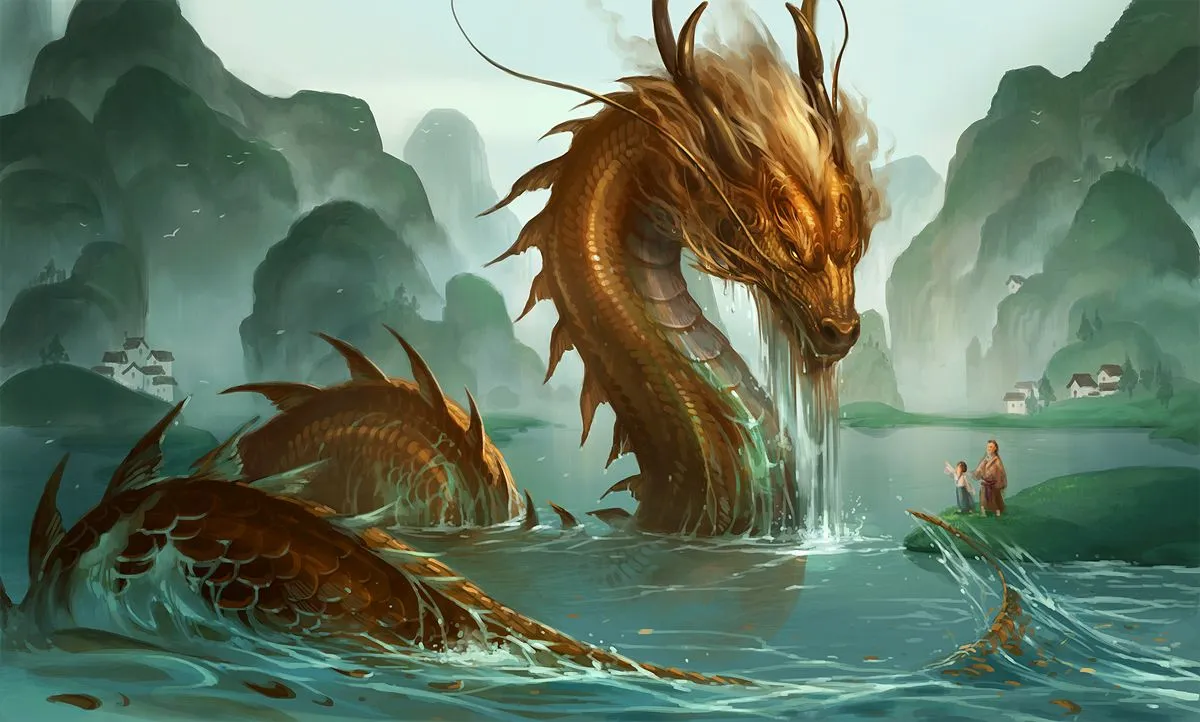
Majestic Dragon Over Serene Waters
Introducing chinese dragon artwork into a luxury interior elevates the space while establishing an unmistakable focal point.
• Design Philosophy: These dramatic, elongated figures offer unique opportunities for statement pieces above fireplaces, in grand entryways, or within private libraries and lounges. The key is balance: the interplay of vibrant dragon motifs with neutral tones and luxe textures, such as velvet or silk, creates an aura of curated sophistication. Pairing dragon artwork with complementary decor—like Ming vases, lacquered screens, or minimalist modern furniture—can sharpen the contrast and set off the work’s intricate details. Consider the composition, scale, and color palette to ensure your art harmonizes with existing architectural elements and design choices.
• Case Studies and Inspiration: High-end designers frequently use dragon artwork as the guiding principle for a room’s theme. For example, a hotel lobby in Shanghai might display a monumental oil painting of a golden dragon swirling among stylized clouds, echoing both tradition and urban vibrancy. Residential interiors incorporate subtle references through embroidered pillows or large mixed media panels, while corporate boardrooms often opt for contemporary takes—sleek, minimalist dragons in monochrome tones that project modern power. Lenoir Decor has collaborated with interior designers worldwide, crafting custom oil paintings that serve as both artistic showpieces and expressions of refined personal style.
Selecting the Perfect Chinese Dragon Art Piece
Choosing the right chinese dragon artwork involves discerning quality, authenticity, and synergy with your luxury setting.
• Quality Assessment: Genuine pieces exhibit expert craftsmanship, whether traditional ink paintings, oil on canvas, or intricate ceramics. Examine brushwork fluidity, material richness, and the artist’s mastery of dragon anatomy. Authentic works often come with provenance, detailing their origins and confirming their status as collectible decor. Key factors include the use of premium materials, attention to symbolic elements like the dragon pearl, and the unique imprint of the artist’s interpretation.
• Purchase Guide: For B2B buyers, sourcing directly from reputable galleries or custom studios ensures both authenticity and flexibility to meet specific project visions. Lenoir Decor’s handmade custom oil paintings, for example, allow you to collaborate with artists to design a piece that integrates personal meaning with unmatched luxury. Pricing varies with the artwork’s complexity, size, and artist reputation—top works command premium valuations, especially with historical or limited edition provenance. Be sure to request certificates of authenticity, and don’t hesitate to inquire about the story and tradition behind each masterpiece.
Expert Insights and Tips
• Designer Interviews: According to leading interior designers, the key to showcasing chinese dragon artwork lies in context. Renowned designer Li Wei suggests pairing dragons with subtle luxury lighting to highlight their presence, while international consultants advise using oversized canvases in minimalist rooms for maximum effect.
• Styling Advice: When styling dragons within contemporary interiors, juxtapose their ornate lines against clean architectural features—think glass partitions, metallic fixtures, and polished concrete. Antique frames or floating installations can lend gravitas, while seasonal soft furnishings in emerald or gold punctuate the dragon’s colors. Integrating related motifs—like clouds, waves, or phoenixes—echoes the broader tradition of oriental influences trending in today’s high-end markets.
• Seasonal Trends: Luxury interiors with oriental influences continue to rise in popularity, particularly bold wall art for lobbies, penthouses, and executive suites. Consider rotating dragon art pieces or switching up accent elements seasonally, drawing fresh energy and luck into the space throughout the year. Ask Lenoir Decor about commission options to keep your collection timely and uniquely yours.
• Glossary of Terms:
- Dragon Pearl: A mystical element often depicted with dragons, symbolizing wisdom and enlightenment.
- Imperial Dragon: Five-clawed dragon associated with emperors.
- Motif: A recurring element or symbol in art and design.
• References and Further Reading: Explore texts on Chinese symbolism, curated museum exhibits online, and articles on the history of oriental art in modern decor.
• SEO Optimized Media: For digital content, always tag art images with descriptive alt text, such as “contemporary chinese dragon artwork” or “traditional Chinese dragon oil painting for luxury interiors.” Coupled with keyword-optimized descriptions, these boost search visibility and attract design-savvy B2B buyers.
• Engage with Experts: For personalized advice, consider reaching out to featured designers, joining online art and decor forums, or connecting directly with Lenoir Decor’s global network of artists and consultants.
Conclusion
Transform your space—commission masterful chinese dragon artwork today. With thoughtful selection, expert styling, and cultural appreciation, chinese dragon artwork will continue to inspire luxury interiors for generations to come. Let Lenoir Decor partner with you to deliver bespoke masterpieces tailored to your boldest visions.