French
 German
 Italian
 Arabic
 Japanese
 Spanish
 Korean
 Russian
 Portuguese
 Dutch
Dutch
 Norwegian
 Finnish
 Swedish

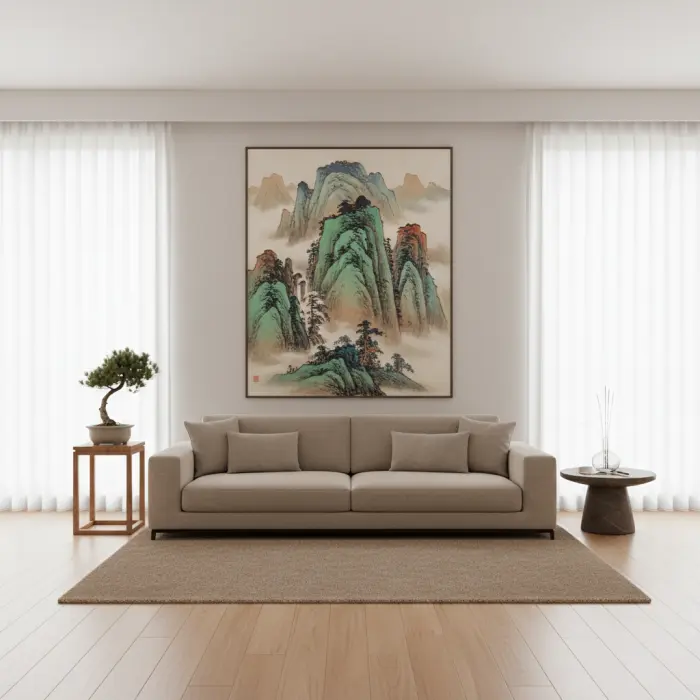
China mountain painting, a celebrated pillar of traditional Chinese art, captures the transcendent spirit of nature through ethereal landscapes and misty mountains. Its influence extends far beyond galleries, resonating deeply within minimalist and Zen-inspired interiors worldwide. These exquisite paintings—fusing mountain water painting, ink wash, and serene motifs—evoke tranquility and refined elegance, transforming both residential and commercial spaces.
In this article, you'll discover the cultural significance and meditative appeal of china mountain painting. We’ll explore the rich history, essential techniques, and influential artists shaping the genre, and provide practical guidance for integrating these masterpieces into contemporary Zen and minimalist environments. Whether you’re an interior designer seeking inspiration or a business sourcing distinctive art for Asian decor, you'll gain invaluable insights to elevate your space with authentic Chinese mountain landscape art.
Table of Contents
- Understanding Chinese Mountain Paintings
- Integrating Chinese Mountain Paintings into Minimalist and Zen Spaces
- The Benefits of Chinese Mountain Paintings in Interior Decor
- Finding and Purchasing Chinese Mountain Paintings
- Expert Insights and Testimonials
- Conclusion
Understanding Chinese Mountain Paintings
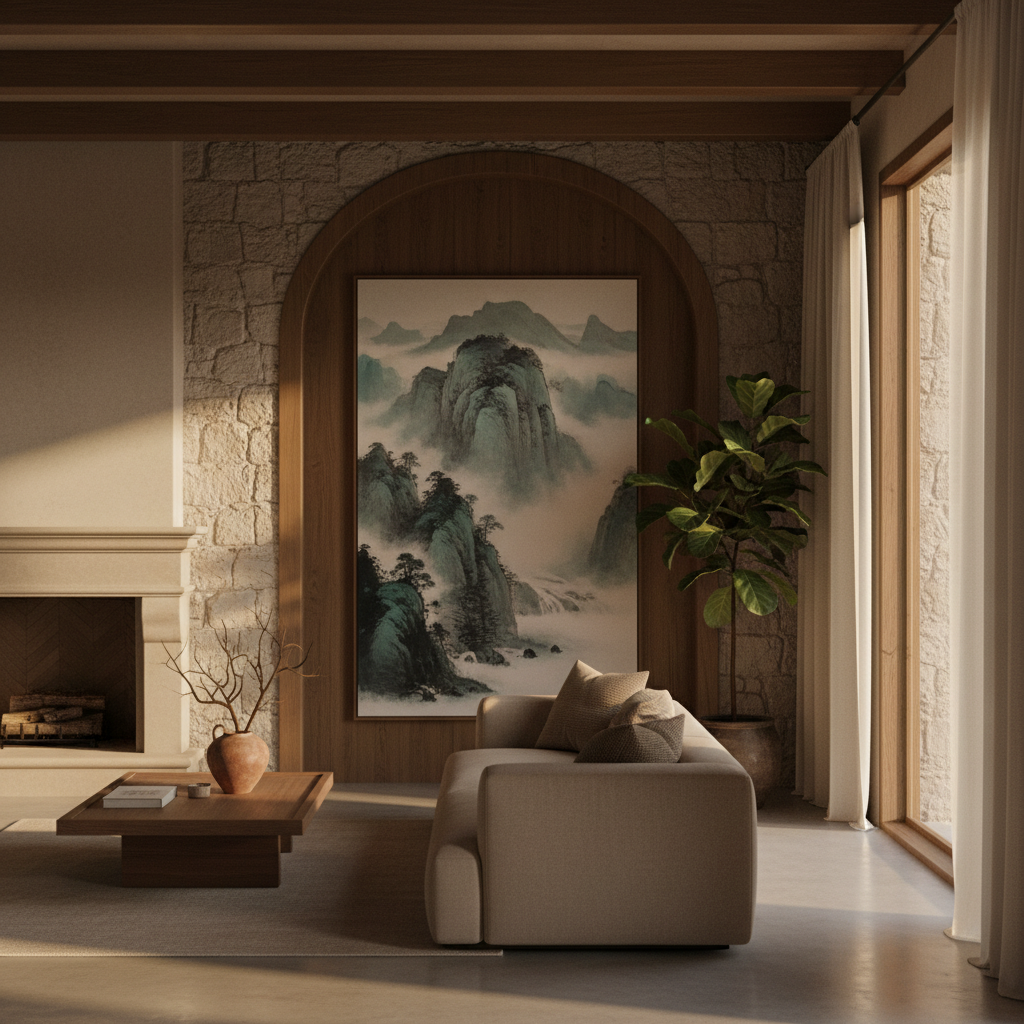
China mountain painting—often referred to in its native context as shan shui hua (山水画)—has been revered for centuries as a vital form of Chinese landscape art. Originating during the rich tapestry of the Northern Song Dynasty, shan shui hua translates directly to "mountain-water painting," reflecting nature’s grandeur as a central theme. These artworks flourished along historic trade routes like the Silk Road and within monumental cultural sites such as the Mogao Grottoes, blending spiritual traditions and diverse artistry from across East Asia.
Key figures such as Zhang Daqian and Wu Guanzhong have expanded the horizons of Chinese ink wash painting, introducing both splashed color and innovative techniques that bridge tradition with the avant-garde. Masterpieces from the Yuan Dynasty exemplify how minimalist aesthetics began to merge with expressive brushwork and Zen art style, resonating with movements in neighboring cultures—as seen in Japanese masters like Toko Shinoda, whose works reveal a dialogue with Mahayana Buddhism and themes like Mount Fuji.
Themes and motifs recurring in Chinese mountain landscape paintings, including the Four Gentlemen (orchid, bamboo, plum blossom, and chrysanthemum), express cycles of growth, endurance, and serenity. The meditative tradition inherent in ink wash landscapes is echoed through recurring images of misty mountains, tranquil waters, and the perpetual Yin Yang balance of opposing elements.
Traditional materials such as rice paper, silk, natural pigments, and mineral-based inks enable artists to produce enduring works. Distinctive Chinese ink wash techniques—like Shui Mo Hua—allow artists to manipulate water’s flow, creating subtle gradations and open compositions that invite contemplation.
The evolution from classic blue-green landscape painting to modern decorative paintings embodies a seamless connection between past and present, proving the continued relevance and versatility of this ancient art form in today’s world.
Integrating Chinese Mountain Paintings into Minimalist and Zen Spaces
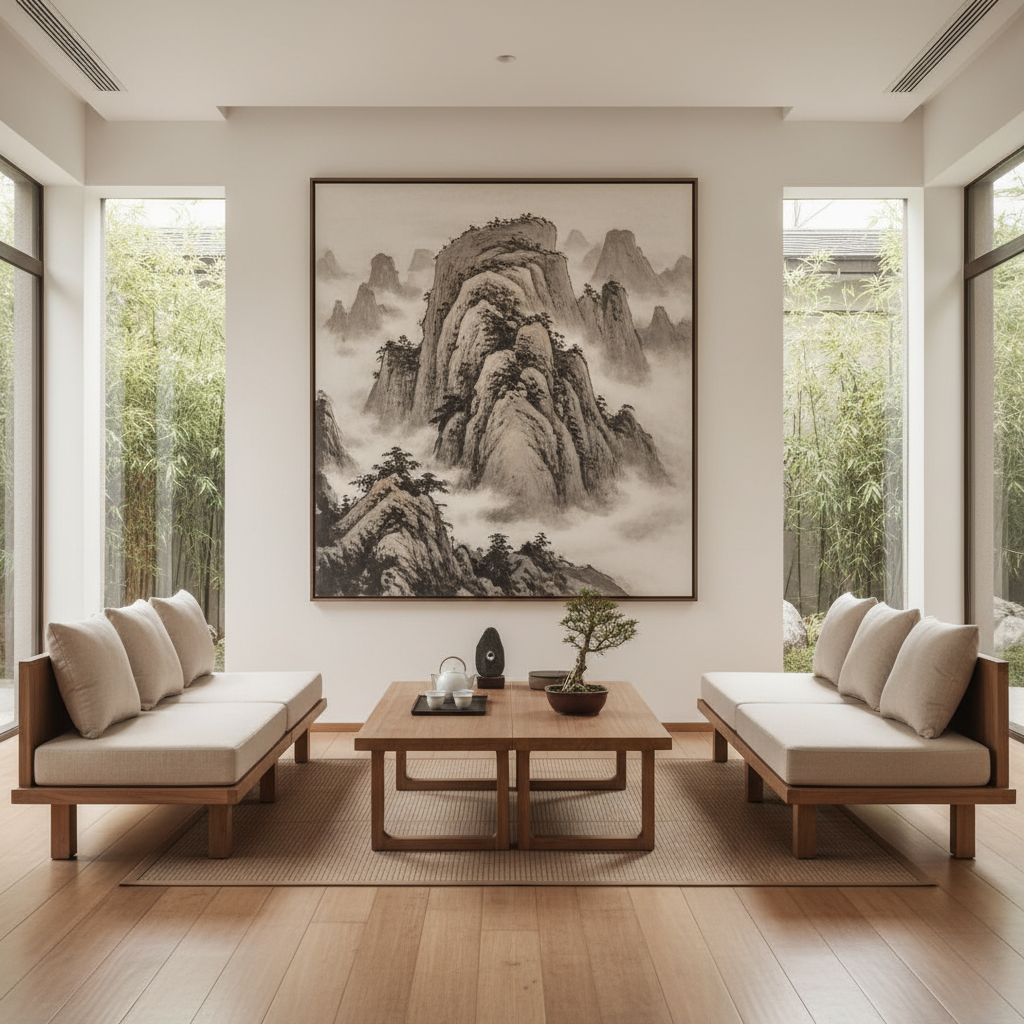
Minimalist and Zen design share a philosophy rooted in simplicity, balance, and harmony with nature—qualities beautifully embodied by Chinese mountain paintings. Zen art, shaped by centuries of Zen Buddhism across East Asia, values the power of empty space, subdued color scheme, and the profound impact of subtle artistic display.
When choosing Chinese landscape paintings for Zen-inspired spaces, consider:
- Minimalist Aesthetics: Select pieces with restrained brushwork and open composition, such as ink-wash landscapes or Shui Mo Hua, to keep the environment serene and uncluttered.
- Color Scheme: Opt for black-and-white ink wash paintings or softly tinted blue-green landscape painting to complement neutral, natural palettes typical in minimalist decor.
- Zen Art Style: Look for works depicting misty mountains, tranquil waters, or solitary figures—motifs that reflect meditative tradition and spiritual calm.
- Chinese Motifs: Incorporate traditional elements such as the Four Gentlemen or serene lanterns to deepen the Asian decor and connect with nature.
Strategic placement is key for achieving harmony and maximizing the artwork’s influence. Position a large mountain landscape to serve as a focal point above minimalist sculpture or integrate a smaller piece within a curated gallery wall featuring complementary Oriental wall decor.
Accent the space with other Zen wall art, minimalist meditation art, or simple stoneware to enhance the mountain painting’s calming effect. Where feasible, natural materials and textures—like bamboo, stone tiles, or linen—amplify the art’s presence while honoring the Zen art style’s emphasis on organic simplicity.
Lenoir Decor offers bespoke handmade oil paintings, including custom adaptations of shan shui hua and contemporary Chinese mountain landscapes tailored for professional and personal spaces seeking authentic Asian artistry.
The Benefits of Chinese Mountain Paintings in Interior Decor

Integrating Chinese mountain paintings into interior decor yields profound aesthetic and psychological benefits:
- Aesthetic Value: The fluid lines, elegant negative space, and balanced proportions of Chinese ink wash paintings introduce tranquility and visual harmony. Such works bridge the duality of traditional Chinese art with modern decor, transforming minimalist environments through evocative mountain water painting.
- Psychological Impact: Rooted in Mahayana Buddhism, these artworks foster mindfulness, meditative focus, and a sense of well-being. The interplay of misty mountains and tranquil waters creates a restorative atmosphere ideal for spaces dedicated to relaxation, reflection, or deep work.
- Balance and Yin Yang: The dynamic equilibrium depicted in these paintings encourages viewers to embrace both stillness and energy in daily life, enhancing the comfort and flow of Zen-inspired environments.
- Artistic Display: Exhibiting Chinese landscape art as decorative paintings or statement pieces helps foster dialogue between East Asian heritage and contemporary design, while enriching public and private interiors alike.
Numerous studies and testimonials cite the positive effect of these works on stress reduction and creative thinking, making them an excellent choice for wellness-focused offices, meditation rooms, and high-end hospitality venues.
Finding and Purchasing Chinese Mountain Paintings
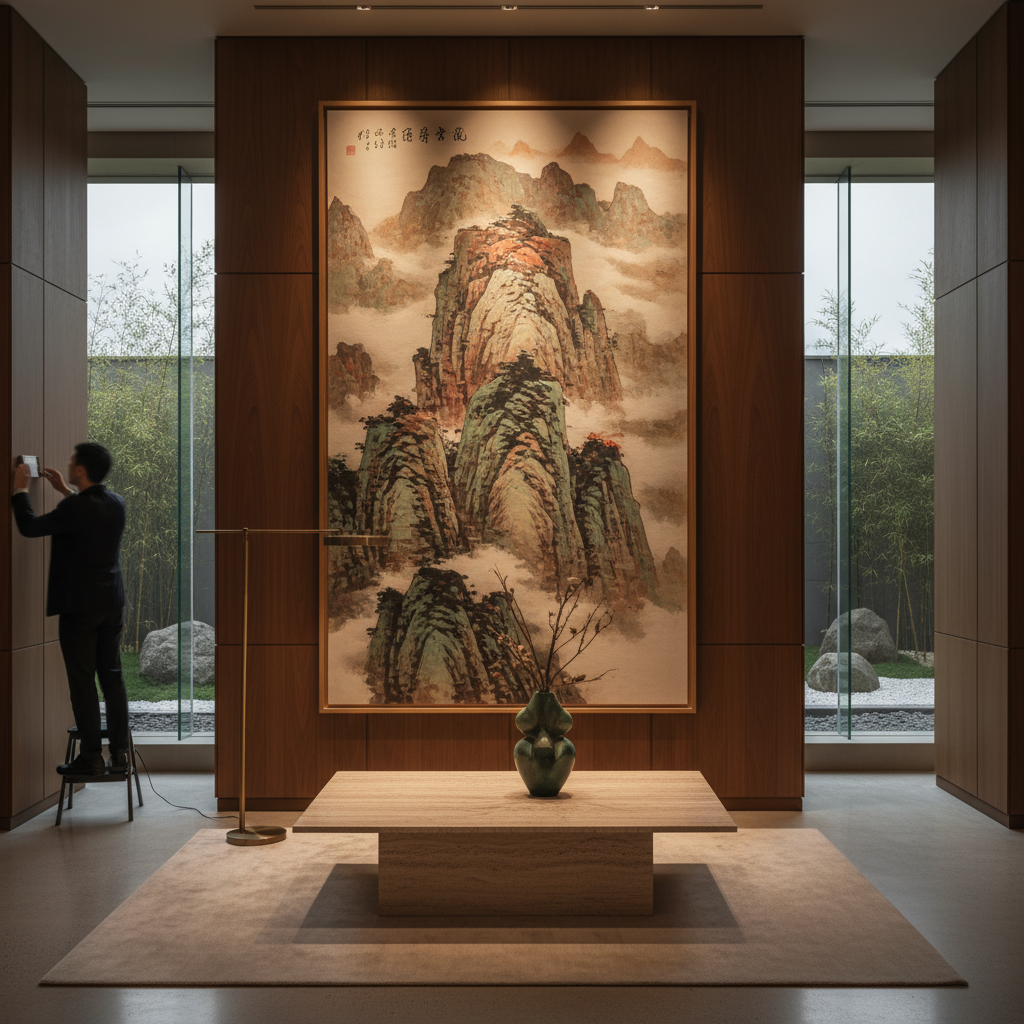
Sourcing the perfect Chinese mountain painting requires thoughtful consideration to ensure authenticity and value. Whether for home decor, boutique hotels, or spa settings, here are key steps:
- Where to Buy: Explore online art marketplaces, specialized Asian decor platforms, local galleries, and international art fairs. Lenoir Decor offers a curated collection of handmade custom oil paintings inspired by shan shui hua, ideal for trade professionals and discerning buyers seeking original works.
- Authenticity and Quality: Seek paintings that demonstrate mastery in Chinese ink wash techniques and feature genuine traditional motifs. Inquire about artist credentials, materials used, and provenance—works inspired by masters like Wu Guanzhong or Zhang Daqian often carry extra value.
- Budget Considerations: Prices for Chinese mountain landscape pieces range widely, influenced by the artist’s reputation, painting size, medium (ink wash, Shui Mo Hua, or oil adaptations), and overall intricacy. Understand the pricing structure and request detailed information regarding authentication, especially for higher-value acquisitions.
- Evaluating Value: Examine brushwork precision, composition, and artistic intent. Comparing works from the Northern Song Dynasty, Yuan Dynasty, and contemporary interpretations can yield insights on quality and historicity.
Partner with established sellers who offer expert guidance and support customization—Lenoir Decor, for example, provides consultations for bespoke projects, helping businesses incorporate Oriental wall decor tailored to their vision and needs.
Expert Insights and Testimonials
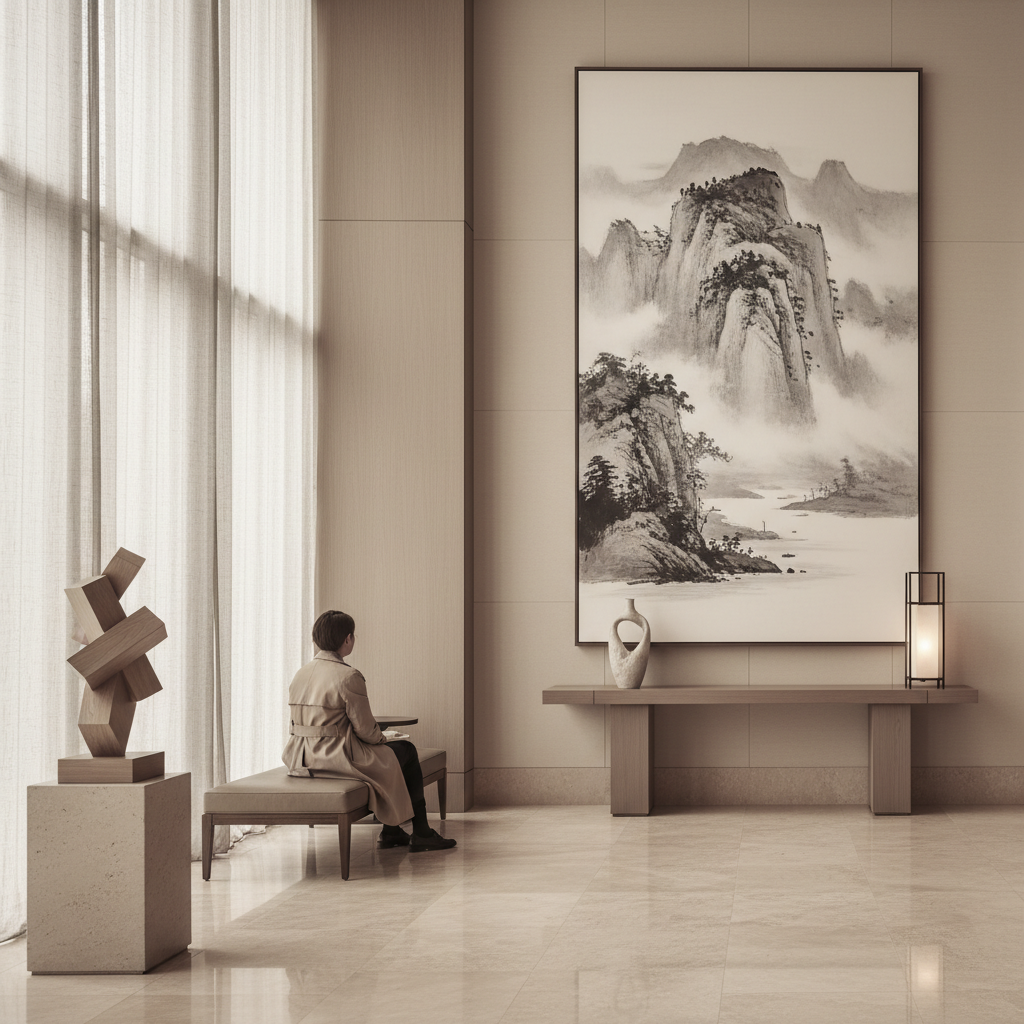
Interior designers highlight the seamless integration of Chinese mountain paintings with minimalist spaces, pointing to the meditative calm and aesthetic unity these works introduce. Art historians echo this appreciation, noting connections between Zen art, Japanese masters like Toko Shinoda, and the enduring symbolism of motifs found in the Mogao Grottoes and along the Silk Road.
One designer shares: “A singular ink-wash landscape above a low, neutral-toned console brought immediate tranquility to our client’s waiting area— guests frequently comment on the peaceful energy.”
Homeowners value the connection to tradition and sense of balance these works inspire. "Our handmade Shui Mo Hua painting from Lenoir Decor transformed our meditation room—the shifting mists and distant peaks evoke boundless calm."
Successful integrations often incorporate:
- Strategic Placement: Main walls in living rooms, lobbies, or meeting spaces
- Accent Elements: Soft lighting, minimalist sculpture, and serene lanterns
- Color and Material Contrast: Pairing black ink on rice paper with light woods and stone
Whether referencing Mount Fuji, the gentle sweep of a Zen garden, or the dynamic interplay of Yin Yang, these works elevate both commercial and personal spaces, weaving a quiet but powerful narrative of East Asia’s rich artistic tradition.
Conclusion
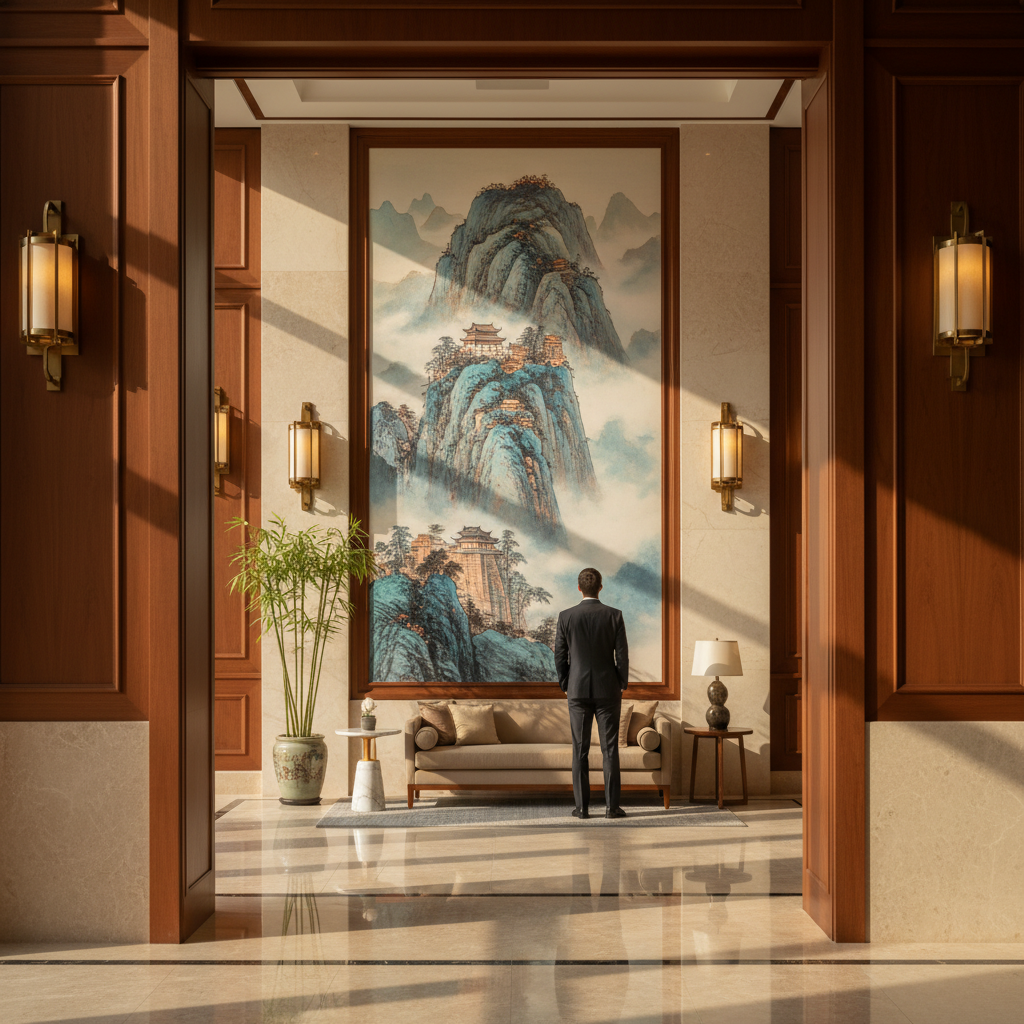
Elevate your interiors with a timeless china mountain painting. Discover how this ancient art infuses your space with tranquility, balance, and an enduring sense of Zen. Explore Lenoir Decor’s B2B custom painting offerings to bring these captivating landscapes into your next design project.