French
 German
 Italian
 Arabic
 Japanese
 Spanish
 Korean
 Russian
 Portuguese
 Dutch
Dutch
 Norwegian
 Finnish
 Swedish

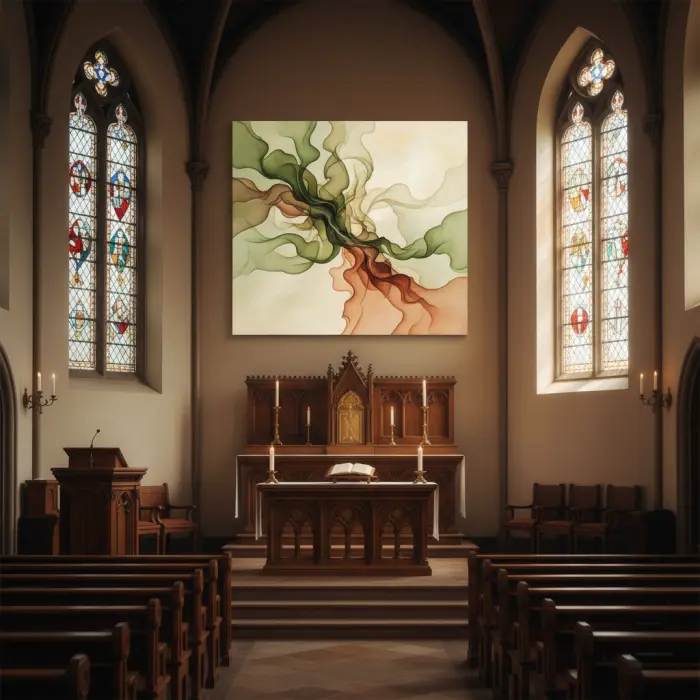
Biblical paintings have long stood at the soul of Christian art, capturing the imagination, reverence, and faith of generations. These works—known also as biblical art painting or bible art paintings—draw from the rich narratives of the scriptures, offering visual windows into holy moments and sacred stories. The purpose of such sacred art extends far beyond decoration: it fosters an environment for reflection, invites spiritual contemplation, and acts as a devotional centerpiece for Christian faith communities everywhere. In this in-depth guide, we will explore the characteristics, history, and enduring significance of biblical paintings, while showing how engaging with these masterpieces continues to influence personal piety and collective worship.
Table of Contents
- Understanding Biblical Paintings
- Key Artists and Masterpieces
- Techniques and Styles
- Reflection and Personal Growth
- Guided Art Reflective Practices and Educational Resources
- Conclusion
Understanding Biblical Paintings

Biblical paintings are more than artistic representations—they are visual interpretations of the most profound moments and teachings in scripture. These bible paintings often depict religious themes such as the Annunciation, The Last Supper, The Creation of Adam, and The Last Judgment, immersing viewers in scenes where divine intervention alters human destiny.
Christian artwork is rich in symbolism, drawing from both the Old and New Testaments. These themes span from stories of creation to events of redemption and miracles. Sacred altarpieces, frequently painted on linen canvas or using oil paints, have adorned churches and homes alike, inviting believers into personal moments of reflection and Lectio Divina.
Throughout history, the evolution of biblical paintings mirrors the changing tides of society and faith. During the Renaissance, for example, Renaissance Masters elevated biblical art painting with a focus on realism, human emotion, and divine presence. The shift from Byzantine and Orthodox tradition, with its emphasis on iconography, to Western approaches, brought new levels of artistic innovation and narrative storytelling. In every era, Christian art served not just to illustrate scripture, but to connect worshippers with their faith through visual beauty and storytelling.
Key Artists and Masterpieces
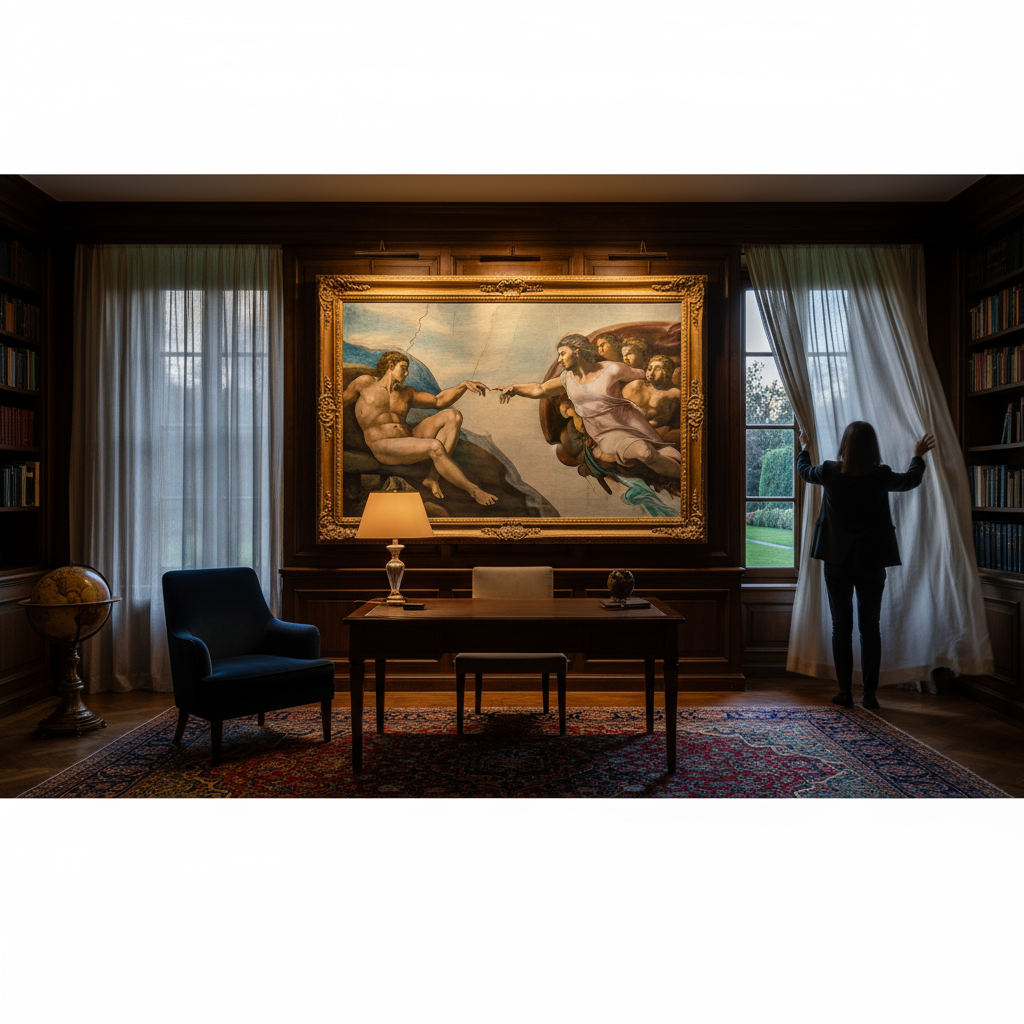
Certain names and works have shaped the way we experience and understand bible art paintings. Artists such as Michelangelo, Leonardo da Vinci, and Caravaggio left an indelible mark on religious art history.
- Michelangelo: His masterpiece, The Creation of Adam, occupies the ceiling of the Sistine Chapel, portraying the moment God imparts life to humanity—an iconic representation of the divine relationship.
- Leonardo da Vinci: The Last Supper remains one of the most famous paintings in Western art, capturing the tension, anticipation, and fellowship of Christ and his disciples during a holy moment.
- Caravaggio: Known for his dramatic use of light and realism, Caravaggio's paintings such as The Supper at Emmaus highlight the emotional depth and humanity of biblical scenes.
The influence of these Renaissance Masters can be traced in devotional artwork used in both public spaces and the domestic church. For example, sacred altarpieces like Our Lady of Czestochowa and Our Lady of La Leche have become focal points for veneration and reflection across cultures. Even lesser-known figures like Heidi Hornik—a contemporary scholar bridging Christian music and visual art—have contributed to the modernization of biblical art appreciation.
Masterpieces such as The Transfiguration invite extended contemplation, guiding viewers toward personal piety and deeper understanding of the Christian faith. Interestingly, references to works like The Birth of Venus, though not strictly biblical, help demonstrate how biblical narratives influenced general art movements and themes throughout history.
Techniques and Styles
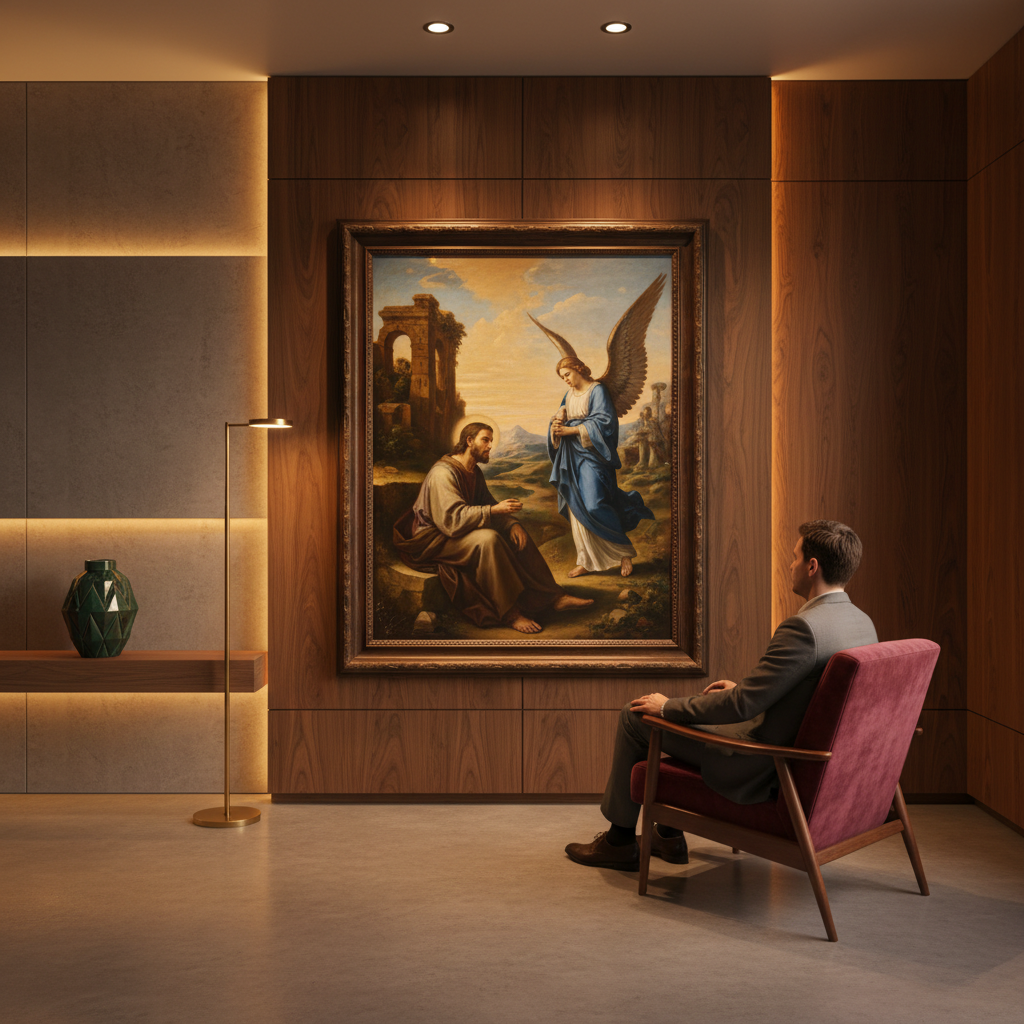
The creation of biblical paintings involves a remarkable blend of technical mastery and spiritual intent. Artists over centuries have harnessed various artistic methods:
- Oil paintings: Oil paints offer luminosity and depth that make sacred scenes vivid, especially when applied on linen canvas.
- Fresco and Tempera: Earlier periods often used fresco for churches and sacred altarpieces, preserving biblical stories for generations in enduring color and form.
- Sacred Iconography: In Orthodox tradition, religious themes are expressed through strict iconographic rules, emphasizing divine intervention and eternal truths rather than literal storytelling.
Interpretative style varies widely. Some artists adopt a literal depiction—portraying scriptural events with historical accuracy—while others employ more abstract methods to evoke divine presence, personal piety, or the ineffable qualities of faith.
Cultural context matters, too. Byzantine painters utilized gold leaf and stylized forms to highlight the spiritual realm, while Western artists leaned into human realism and narrative clarity. Whether a scene is painted for a cathedral or a domestic church, each work aims to evoke a sense of holiness, devotion, and sacred encounter.
For those interested in owning or commissioning their own sacred art, Lenoir Decor’s expertise in handmade custom oil paintings ensures that timeless techniques meet contemporary needs, bringing devotional artwork that’s tailored for your spiritual or corporate setting.
Reflection and Personal Growth

Sacred art is not only about aesthetic appreciation—it's a gateway for spiritual reflection, meditation, and growth. Bible art paintings and Christian artwork play a transformative role in religious practices by fostering a deep sense of devotion and contemplative thought.
Engaging with sacred art can be integrated into daily spiritual life through exercises such as:
- Lectio Divina and Art: Meditate on scripture while gazing at biblical paintings, letting divine presence guide thought and prayer.
- Personal Altars: Place a devotional artwork in your home as a focal point for family or solitary worship, creating an environment conducive to holy moments.
- Guided Group Reflection: Facilitate sessions where participants share their interpretations and emotional responses to sacred altarpiece or biblical scenes.
Personal testimonies, like those inspired by classic works (including St Thomas the Apostle or contemporary pieces), routinely highlight the emotional and spiritual impact of sacred art. The art’s power transcends visual beauty—it enhances Christian faith and nurtures personal piety.
For institutions and private collectors, Lenoir Decor’s custom services offer a way to integrate this tradition meaningfully, creating unique pieces that foster both reflection and connection within any faith-based or educational environment.
Guided Art Reflective Practices and Educational Resources
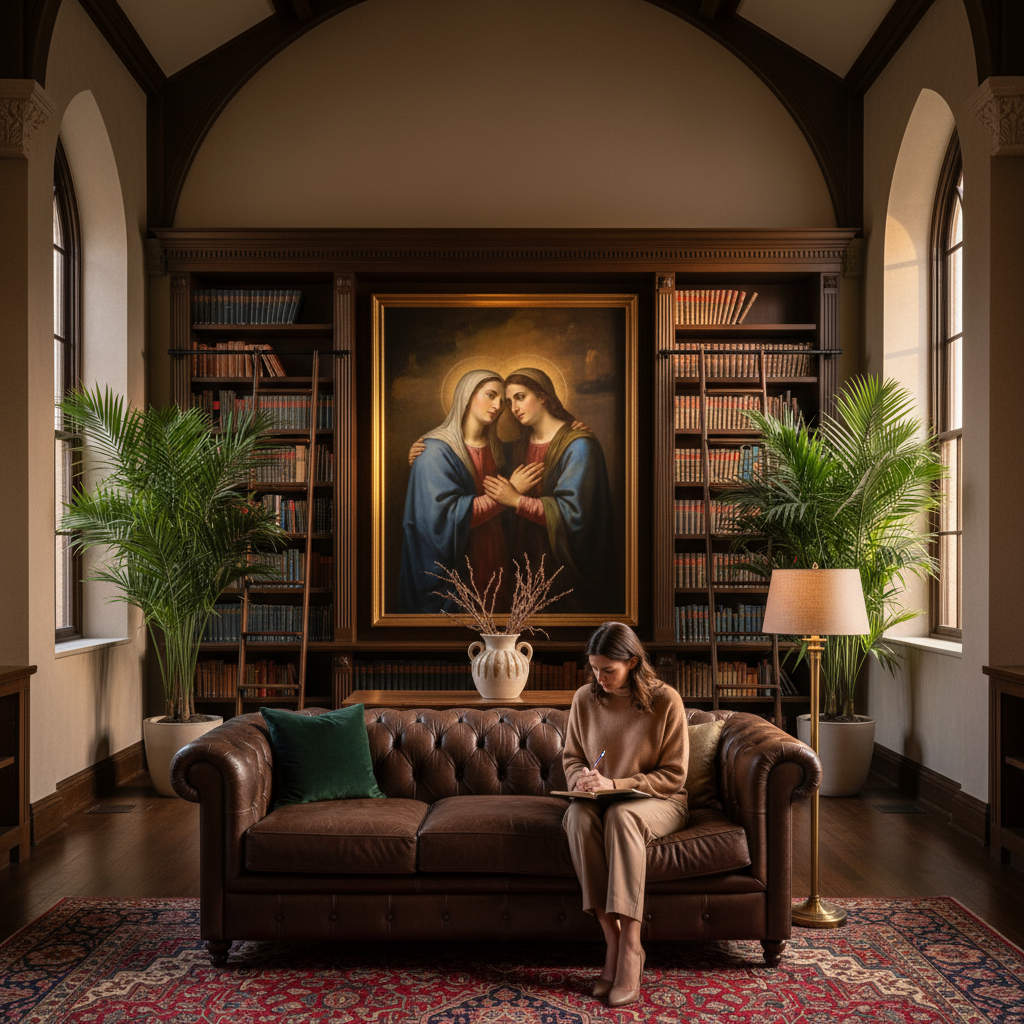
To deepen your appreciation and personal connection with bible paintings, integrate reflective practices such as Visio Divina—a meditative approach to viewing sacred images.
Visio Divina Guide:
- Step One: Begin in silence, observing the artwork without judgment.
- Step Two: Reflect on what draws your eye—whether it’s a color, figure, or emotion. Notice any personal connection.
- Step Three: Listen internally for spiritual insights, journaling thoughts that arise.
- Step Four: Conclude with a prayer centered around the image and its meaning.
Art meditation practices can be adapted for group workshops or solo reflection, utilizing major and minor works—from Renaissance masterpieces to contemporary Christian art.
For further exploration, seek out:
-
Curated viewing lists from leading museums highlight religious themes in their collections.
-
Virtual tours of iconic sites hosting biblical masterpieces, ideal for church groups or Christian education.
-
Podcasts and expert interviews with theologians and art historians like Heidi Hornik provide fresh insights.
-
Suggested soft cover volumes delve deeply into the theology and history of Christian artwork.

For added security in gallery settings or during public exhibitions, consider implementing proven security service or security solution options to safeguard your valuable devotional pieces.
For detailed recommendations and additional learning opportunities, see the bottom of this page for handpicked resources and expert guides designed to expand your art and faith journey.
Conclusion
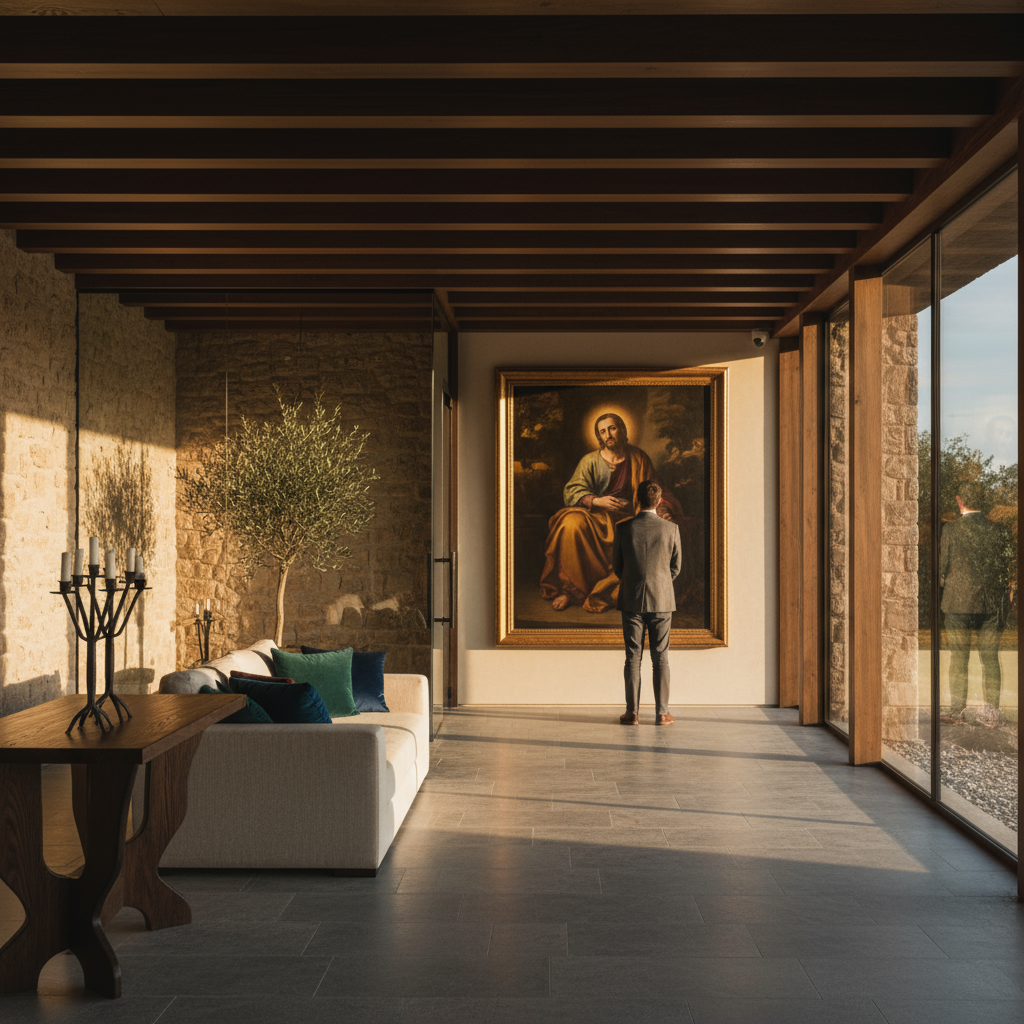
Let sacred art enrich your spiritual reflection—explore biblical paintings today. From historic masterpieces to custom devotional works, Lenoir Decor invites you to discover the profound role of biblical paintings, biblical art painting, and bible art paintings in both personal and communal faith. These sacred creations continue to inspire awe, deepen devotion, and bring the stories of scripture to life in every generation.
.webp)