French
 German
 Italian
 Arabic
 Japanese
 Spanish
 Korean
 Russian
 Portuguese
 Dutch
Dutch
 Norwegian
 Finnish
 Swedish

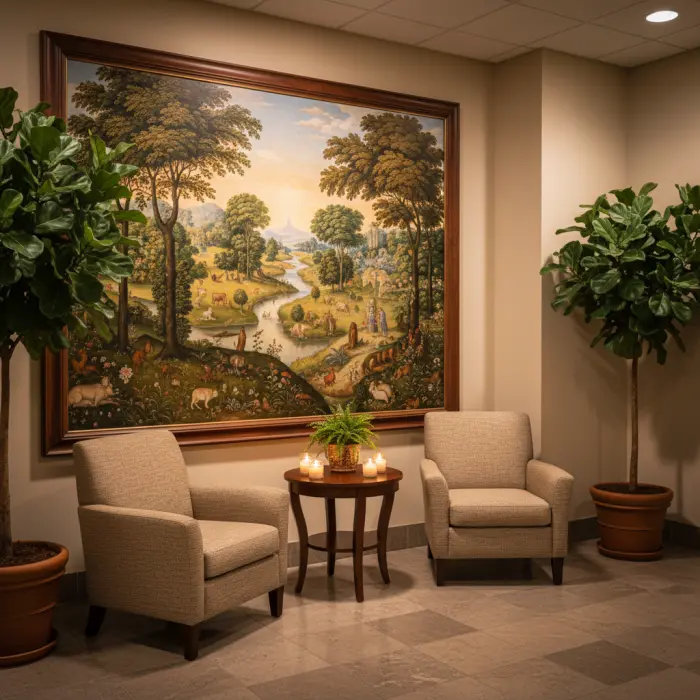
In today’s fast-paced world, institutions such as churches, hospitals, and schools seek ways to foster peace and reflection. One powerful method is through biblical art painting, which weaves deep meaning and spiritual history into sacred space. Art goes beyond visual beauty—it invites us into a sense of Divine presence, transforms walls into vibrant sites of devotion, and nurtures spiritual lives. Whether you are looking to inspire personal piety, enhance community, or create an atmosphere aligned with your values, biblical art painting stands at the intersection of tradition, innovation, and institutional mission. This guide will walk you through the historical context, selection process, and professional resources that make religious art a cherished choice for meaningful institution spaces.
Table of Contents
- Understanding Biblical Art: Scope, History, and Significance
- Selecting Biblical Art for Institutional Spaces: Styles, Themes, and Practical Considerations
- Expert Artists, Case Studies, and Institutional Impact
- Commissioning, Installation, and Community Engagement: Best Practices for B2B Institutions
- Conclusion
Understanding Biblical Art: Scope, History, and Significance
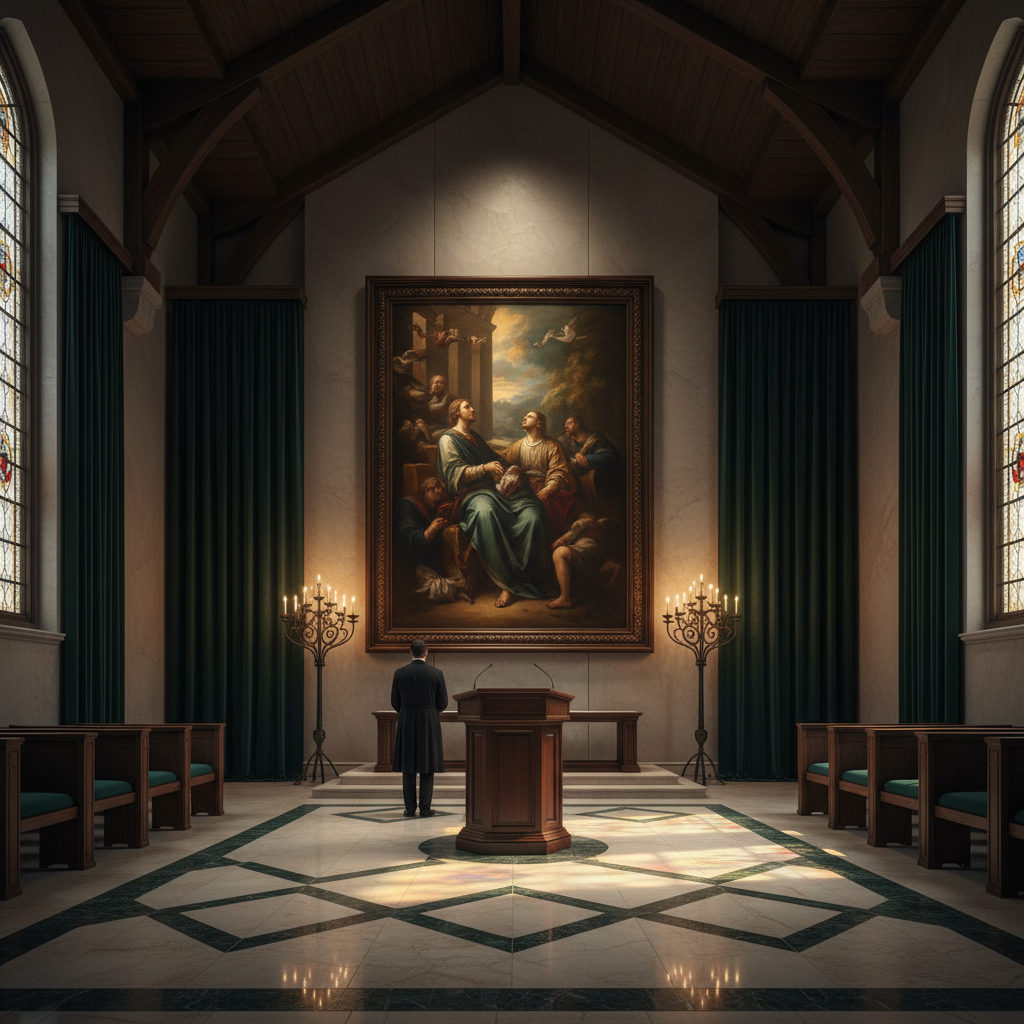
Biblical art painting refers to visual art that draws its subjects, theme, or inspiration from the stories and teachings of the Bible. It encompasses Sacred Art, Christian Artwork, and Orthodox tradition, giving institutions a language to express spiritual ideals. Key motifs include Jesus Teaching the Crowd, The Return of the Prodigal Son, the Heavenly Banquet, and Three Crosses on Hill, alongside scripture-based scenes like Living Water or Psalm 23 Christian Art. The core appeal of biblical art is its role as both sacred artwork and visual commentary, enhancing religious spaces with layers of meaning and faith.
Throughout history, biblical art evolved with every period. Early Christian mural painting adorned catacombs and basilicas, while gothic architecture famously incorporates stained glass reflections—Chartres Cathedral and Hagia Sophia are prime examples. The Renaissance and Baroque eras highlighted illusionistic artwork and sacred altarpieces, as seen in the works of Old Masters and Gallery Artists. Modern Christian Art and Contemporary Christian Art thrive today in revered places like the Rothko Chapel or the Musée National Marc Chagall, where updates to the biblical message meet current aesthetics. Institutions may select from Oil on Canvas classics or experiment with trompe l’oeil, faux marble, and faux limestone finishes to suit unique liturgical settings.
Selecting Biblical Art for Institutional Spaces: Styles, Themes, and Practical Considerations
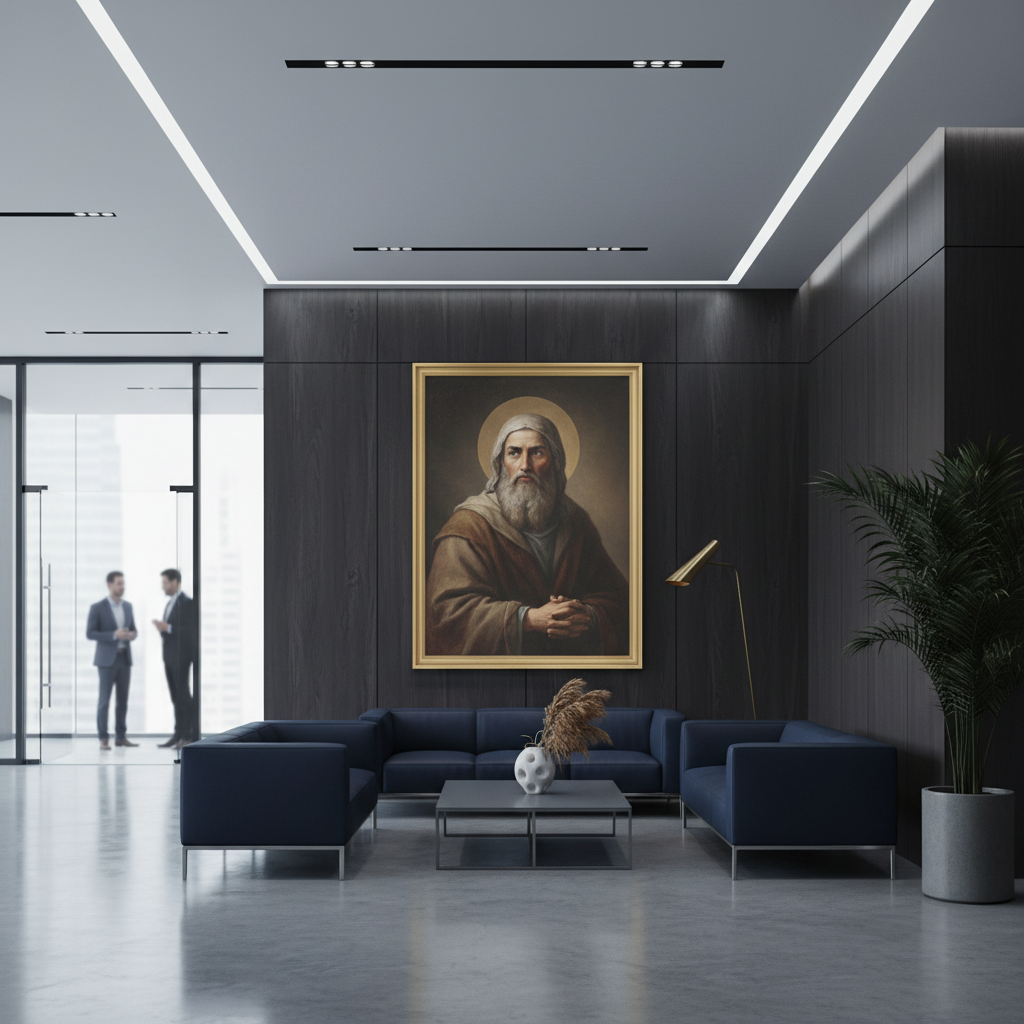
When selecting biblical art painting for institutional environments, consider a variety of art spaces and presentation styles:
• Wall Art, including large-scale murals or framed Christian Wall Art prints, for instant visual impact.
• Stained Glass Reflection, perfect for chapels or spaces seeking a luminous effect.
• Mosaic, frescoes, or faux finishing (e.g., faux marble, limestone, or trompe l’oeil) to add architectural interest.
• Devotional art like sacred altarpieces, Bible Easter Painting, or Last Supper Art Print, for spaces needing focused themes of faith, redemption, and unity.
Key practical factors:
• Space Assessment: Always evaluate the size, lighting, and atmosphere. Well-placed sacred artwork can elevate even modest rooms into sacred space.
• Audience & Institutional Mission: Align selections with the core values and the cultural background of your community. For example, Orthodox tradition may favor icons, while hospitals might prefer comforting themes such as Psalm 61:2 or ‘Jesus Feeding the 5000.’
• Religious art needs: Consider the ongoing liturgical settings and ceremonies to ensure relevance.
Institutions can integrate pieces referencing unique architectural contexts, like those inspired by San Francesco or the Church of Christ, thus honoring both the specificity and universality of the Christian faith.
Expert Artists, Case Studies, and Institutional Impact

The best results in biblical art painting come from reputable artists and curated collectives. Notable installations can be studied at renowned venues such as the Museum of Fine Arts, Houston, or the Marc Chagall National Museum, which showcase Christian Wall Art and Sacred Art from master artists.
Leading Gallery Artists excel in both tradition and innovation—think of illusionistic artwork that mirrors gothic architecture, or modern pieces that reinterpret The Angelus or The Rosary. The Musée National Marc Chagall houses biblical murals, while the Museum of Fine Arts, Houston displays narrative works that serve as visual commentary on biblical values.
Institutional case studies show that a well-curated selection of religious art deepens spiritual lives and community ties. For instance:
• Hospitals use Christian Artwork such as Psalm 23 Christian Art to create healing environments.
• Churches commission custom mural painting for their naves, depicting Exodus 20:4 or Hosanna Rising, connecting ancient teachings with contemporary worship.
• Universities and seminaries have featured Eschatological dimension themes, inviting reflection on long-term values and personal piety.
Testimonies from clergy, administrators, and lay members consistently reflect enhanced engagement and a sense of Divine presence after professionally-selected installations.
Commissioning, Installation, and Community Engagement: Best Practices for B2B Institutions
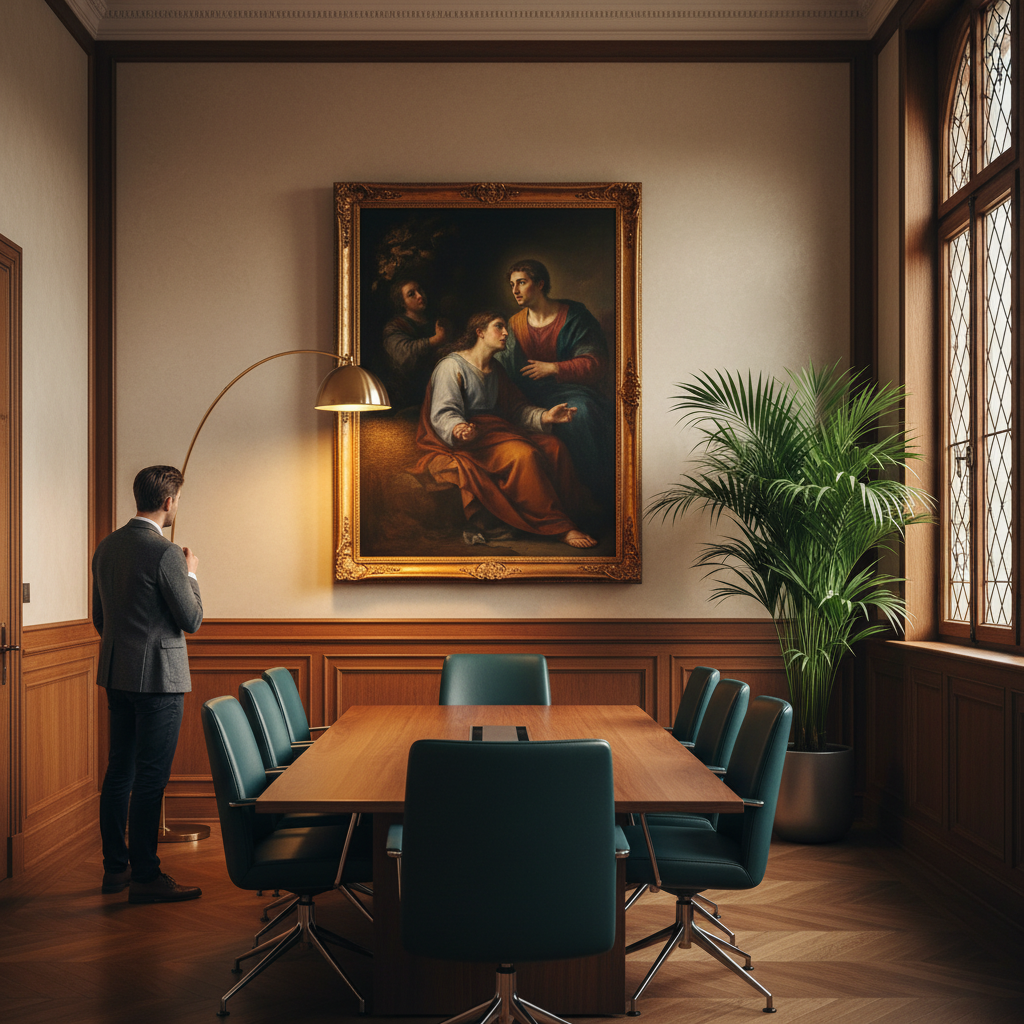
Acquiring biblical art painting typically involves commissioning custom pieces or working with galleries. Here’s how to navigate the process:

• Commissioning Custom Artwork: Provide artists with detailed briefs on theme, size, desired media (such as Oil on Canvas, mural, or faux finishes), and institutional priorities. Artists can integrate site-specific elements, echoing the community’s own story and the Biblical message.
• Navigating Galleries: Partner with established galleries or art collectives who understand religious art needs and institutional demands.
• Budgeting and Negotiation: Custom art can vary; pricing often depends on materials (Oil on Canvas, trompe l’oeil, faux limestone), complexity, and recognition of the artist. Set clear expectations for the scope to ensure a fair negotiation.
Professional installation is crucial. Considerations include:
• Placement: Optimize for visibility, lighting, and accessibility so the sacred artwork transforms the space.
• Preservation: Suitable for various climates and public usage, with ongoing care plans in place. Specialist services can help maintain Illusionistic artwork, mural painting, or Stained Glass Reflection over decades.
• Ongoing Community Engagement: Host forums, art tours, or educational sessions on biblical art’s meaning and relevance. Institutions frequently involve the broader community through feedback, exhibitions, or art clubs—sparking lifelong connections.
For organizations seeking bespoke biblical art, Lenoir Decor offers comprehensive guidance, curation, and artist collaborations tailored for institution spaces, ensuring your sacred space tells a lasting story.
Conclusion
Contact Lenoir Decor to create your inspiring sacred space today. Investing in biblical art painting not only beautifies your grounds and walls, but it fosters a living sense of mission, unity, and spiritual resonance within your community. By choosing pieces that echo tradition—from the Old Masters to Modern Christian Art—or by commissioning new sacred altarpieces, you anchor your institution in both heritage and hope. Download our guides or visit institution-focused forums to deepen your understanding of biblical art possibilities, and take the first step toward transforming your institution’s art spaces for generations to come.
.webp)