French
 German
 Italian
 Arabic
 Japanese
 Spanish
 Korean
 Russian
 Portuguese
 Dutch
Dutch
 Norwegian
 Finnish
 Swedish

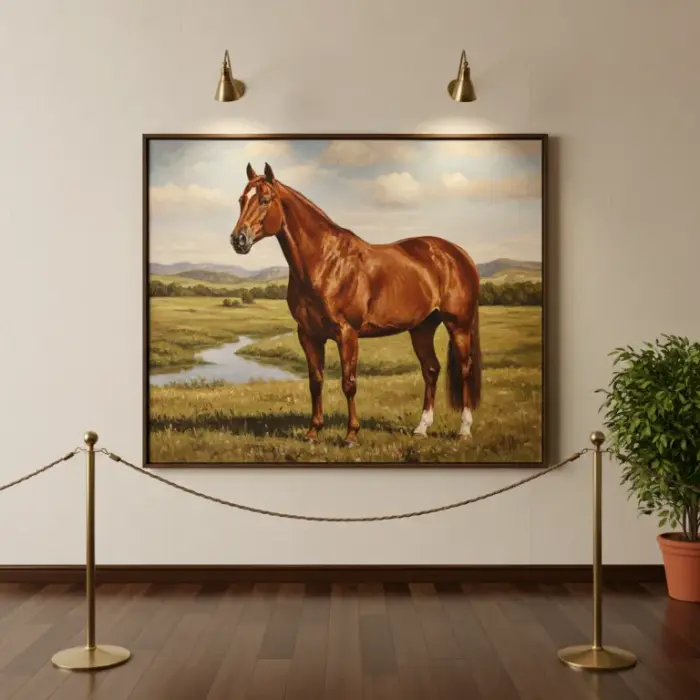
Horse paintings have captivated art lovers and collectors for centuries. In particular, the allure of vintage horse painting and the distinctive beauty seen in quarter horse paintings continue to inspire both artists and enthusiasts. This comprehensive guide journeys into the world of horse art, merging the remarkable features of the American Quarter Horse the elegance of antique horse painting with the remarkable features of the American Quarter Horse. Whether you're a collector seeking that perfect wall art centerpiece, a designer sourcing horse animal nature pieces, or simply enamored by the rich legacy of equestrian culture, this article offers everything you need to appreciate, select, and invest in vintage and quarter horse art. Dive in to discover how these magnificent animals have shaped the fine art landscape and find out how you can curate and display these masterpieces for maximum impact.
Table of Contents
- Understanding Horse Art
- Notable Artists and Their Works
- Art Curation and Appreciation
- Buying Guide
- Visual Gallery and Community Engagement
- Conclusion
Understanding Horse Art
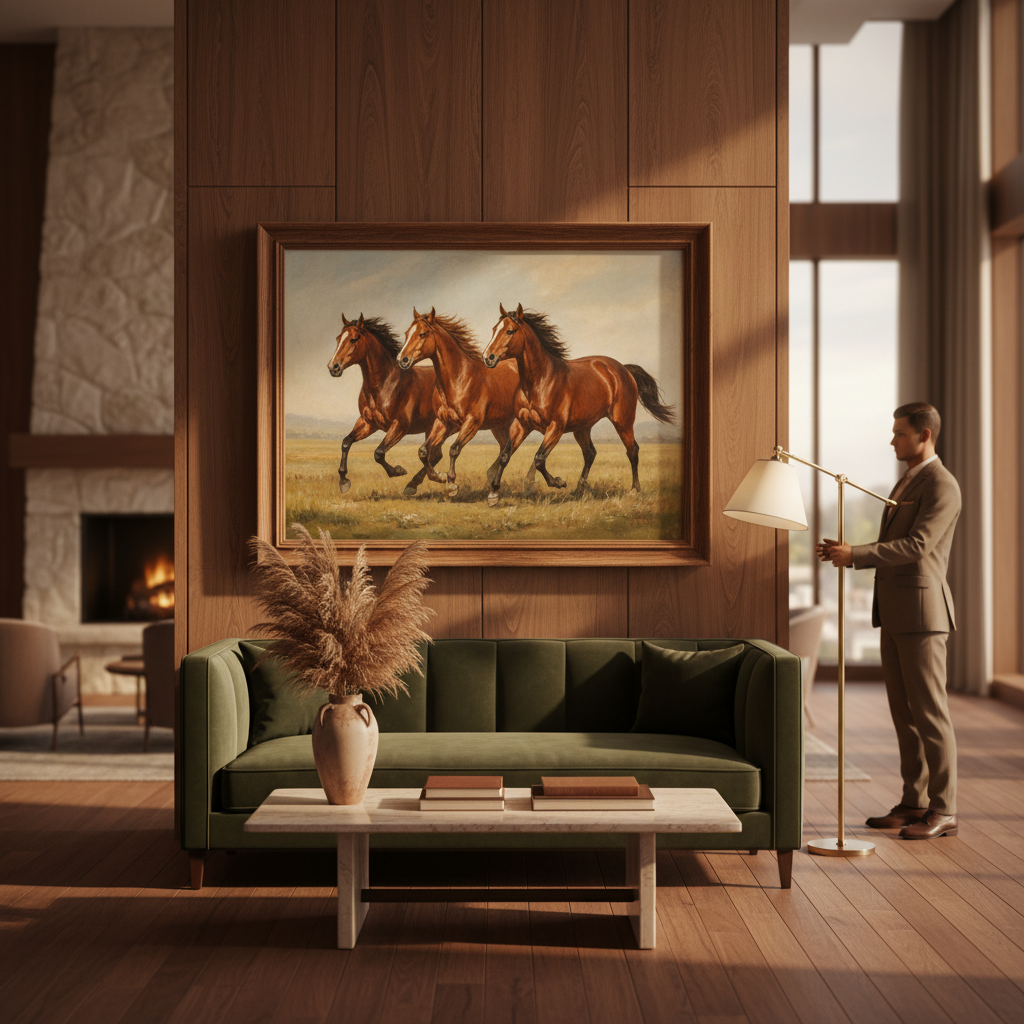
The depiction of horses in art dates back thousands of years, with each era imparting its unique style and meaning. From prehistoric cave drawings of running horse herds to Renaissance equestrian portraiture, horse paintings have continuously evolved. The vintage horse painting genre blossomed in the 18th and 19th centuries, characterized by meticulous attention to anatomy, naturalism, and atmospheric backgrounds often reflecting the horse animal nature and spirit. What defines 'vintage' in horse art? Typically, these works are at least several decades old, marked by traditional materials and age-specific artistic conventions. They embody a nostalgic charm and are highly prized for their connection to the past.
Quarter horse paintings focus on the muscular build and agile form of the American Quarter Horse, one of America's most celebrated breeds. Renowned for their versatility as sport horse and performance horses, Quarter Horses symbolize speed, agility, and strength, making them ideal subjects for visual storytelling. The cultural significance of these horses is profound, appearing in depictions of the frontier, horse riding competitions, and as part of North American and Native American War Horse narratives. Their influence reaches into the folklore-rich French Quarter, imbuing these works with deeper context and storytelling potential.
Notable Artists and Their Works

Vintage horse painting owes much of its prestige to pioneering artists such as Rosa Bonheur, George Stubbs, and Frederic Remington. These visionaries masterfully captured the dynamism of running horse scenes and the connection between people, animals, and landscape. Bonheur's studies of working horses or Remington's dramatic portrayals of Native American War Horses remain celebrated for their authenticity and emotional resonance, helping to define the canon of antique horse painting.
Contemporary artists continue this tradition, adding modern flair to quarter horse paintings. Artists like Deborah Fellows and Jocelyn Russell are known for their expressive brushwork and keen attention to the unique musculature of performance horses, often blending vivid color with movement and power. New generations experiment with multi-media, digital enhancements, and unconventional angles, ensuring that horse art remains relevant. Techniques commonly seen in paintings include layered glazing for depth, impasto for tactile realism, and sensitive rendering of light to enhance the sense of motion in sport horse or horse riding scenes. Some artists also incorporate mixed-media, using natural found objects—like wood, as in the construction of wooden horses—to enhance dimensionality and evoke connections with nature.
Art Curation and Appreciation
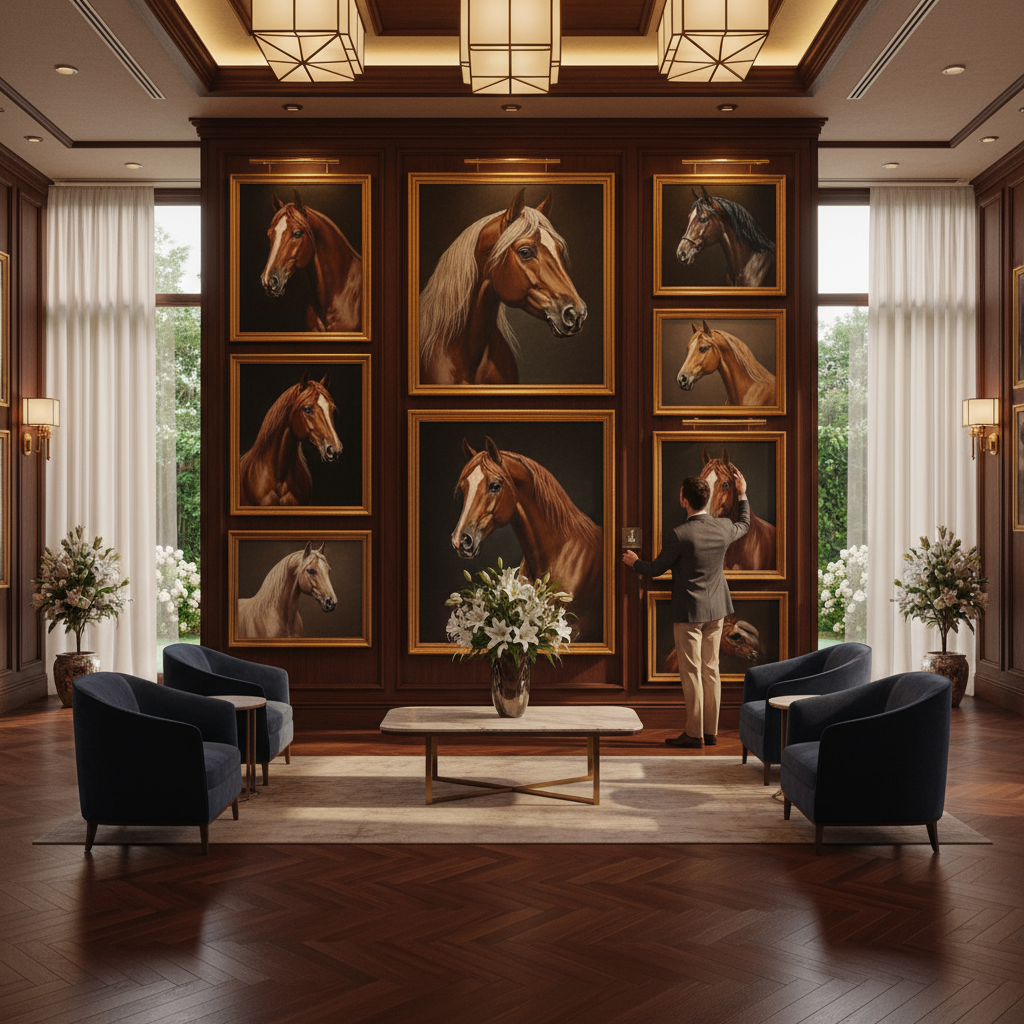
Curating a collection of horse art—whether focused on vintage, antique, or quarter horse paintings—requires a discerning eye. Evaluating authenticity begins with provenance: credible documentation, artist signatures, and clear ownership history are key. Pay close attention to quality indicators such as the vibrancy and integrity of the paints, condition of the canvas, and craftsmanship of frames. Consider the role of materials, as some antique horse paintings may utilize natural pigments or be paint on wood, echoing the aesthetic of wooden horses. For those seeking high-quality wall art, prints can offer affordability and flexibility while still capturing the essence of original works.
When selecting pieces, reflect on your collection goals: are you drawn to the energetic portrayal of a running horse, the heritage of the American Quarter Horse, or the historical drama of Native American War Horse scenes? Display and preservation are equally critical. Positioning your artwork away from direct sunlight, using archival-quality framing, and maintaining consistent humidity levels can preserve colors and materials. Spacious wall placement allows for the full appreciation of each detail, while rotating displays can keep your collection feeling fresh.
Lenoir Decor specializes in handmade custom oil paintings, offering both bespoke vintage and quarter horse paintings—a perfect solution for corporate collections, interior designers, and hospitality spaces seeking memorable statement pieces.
Buying Guide

For those ready to acquire their own vintage horse painting, quarter horse paintings, or antique horse painting, understanding the marketplace is essential. Online, platforms such as Fine Art America and Elephant Stock provide extensive selections of original works, prints, and custom commissions. These are excellent starting points for discovering new artists and securing unique pieces. Physical galleries, regional auctions, and specialist art fairs offer the advantage of viewing art in person and speaking to knowledgeable staff about authenticity and historical context. Look for galleries in equestrian regions and cities with vibrant art scenes, like the French Quarter of New Orleans.
Pricing varies: original paintings command higher sums, with price reflecting artist reputation, artwork provenance, and rarity. Limited edition prints are more accessible but can still gain value through artist recognition or thematic significance. Some collectors view horse paintings as long-term investments—rare works, especially those by noted artists or featuring iconic sport horse imagery, tend to appreciate over decades. When purchasing, consult independent appraisals if in doubt and explore art insurance for high-value pieces.
Lenoir Decor integrates traditional curation principles with cutting-edge custom services, enabling buyers to commission pieces inspired by the great history and spirit of horse riding, the American Quarter Horse, or even legendary wooden horses. Our expert team can tailor imagery, sizing, and framing for any B2B or hospitality requirement.
Visual Gallery and Community Engagement

Showcasing horse art goes beyond display—it’s about inviting engagement. Image galleries, immersive 360-degree visuals, and virtual tours enable viewers to examine brushwork, composition, and emotion at their own pace. Curated digital galleries often pair artwork with artist biographies and contextual stories, helping collectors appreciate not just the image but the heritage behind it. Featured collections might include dramatic depictions of sport horse events, expressive studies of horse animal nature, or works that channel the storied legacy of the French Quarter and Native American War Horses.
To enhance community, art lovers are encouraged to join online forums and discussion groups specializing in equestrian and fine art. Platforms such as ArtStation, dedicated Facebook groups, and regional equestrian societies offer venues for sharing finds, learning restoration tips, and discussing the evolution of horse art. For those looking to deepen their expertise, workshops and events—both virtual seminars and gallery-hosted open houses—can provide hands-on learning, networking, and a greater sense of connectedness to this artistic tradition.
Conclusion

Start your journey with vintage horse painting and quarter horse paintings today. the enduring appeal of antique horse painting lies in its blend of history, technique, and emotional resonance. Whether you’re curating for a business environment or passionate about art for your personal collection, embracing the world of horse paintings brings aesthetic beauty and a link to a storied tradition. Explore, collect, and celebrate the mastery and elegance of equine-inspired art, and consider how Lenoir Decor’s custom oil paintings can enrich your walls and captivate your audience.