French
 German
 Italian
 Arabic
 Japanese
 Spanish
 Korean
 Russian
 Portuguese
 Dutch
Dutch
 Norwegian
 Finnish
 Swedish





 Select the perfect handcrafted wall decoration pieces to enhance your business space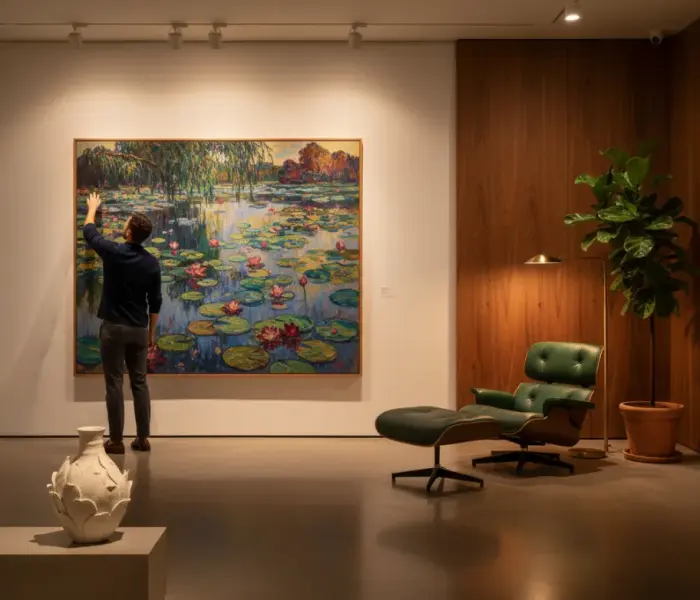
Floral art has mesmerized viewers and collectors for centuries with its timeless ability to capture beauty, emotion, and nature’s fleeting wonders. Among the vast array of botanical themes, tulip artwork and lotus flower painting stand out as two of the most cherished and enduring motifs. These flowers are celebrated not only for their captivating forms and colors but also for the profound symbolism they bring to artworks flowers, as seen in masterpieces ranging from classical oil paintings to contemporary frida kahlo floral interpretations. In this comprehensive guide, we explore the heritage, artistry, and curation of tulip and lotus paintings to help connoisseurs and buyers appreciate—and acquire—outstanding examples for their personal spaces or professional venues.
Table of Contents
- Artistic Significance of Tulip & Lotus Paintings
- Prominent Artists and Masterpieces
- Styles and Techniques in Floral Art
- Curated Collections and Guide to Purchasing Floral Art
- Conclusion
Artistic Significance of Tulip & Lotus Paintings

Across history, flower wall paintings have bridged beauty and meaning, drawing on both the technical depths of botanical illustration and the aesthetic impact of botanical art. The tulip, emblematic of Spring Sale exuberance and Easy Growth, ignited the infamous Tulip mania of the Dutch Golden Age. Painters like Ambrosius Bosschaert and Rachel Ruysch created lush still life paintings, pairing the tulip’s tall stem and intense colors with delicate vases, such as the iconic delftware vase.
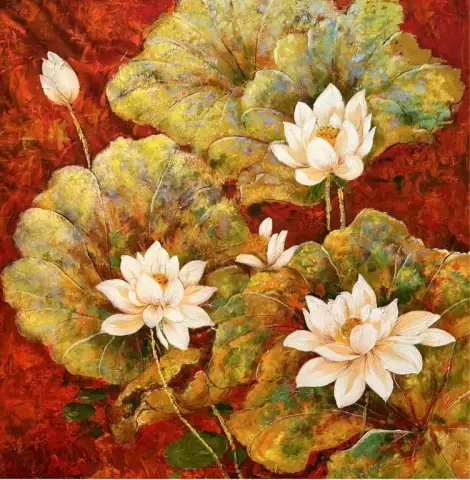
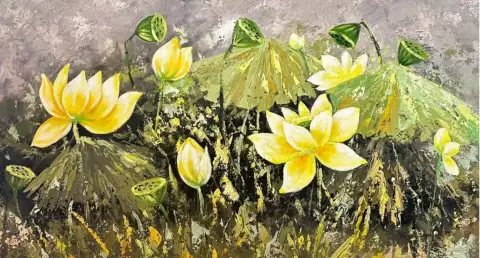
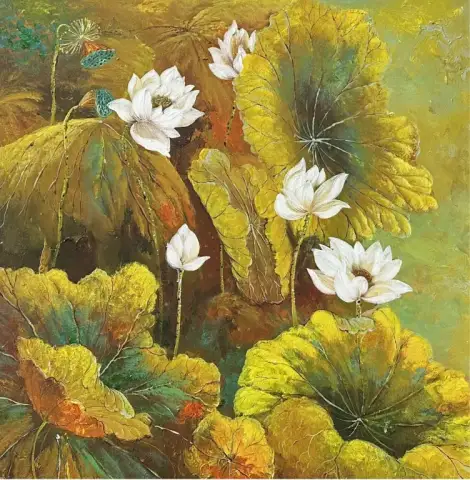
In Eastern art, the lotus flower painting emerges as a symbol of purity, resilience, and transformation. This motif runs deep, appearing in works ranging from ancient herbal florilegium scrolls to the opulent canvas art of modern masters. The lotus’s botanical characteristics are favored for their linework and the meditative quality they imbue, both in serene Blue Lotus Art and larger paintings depicting Monet's Giverny garden and Monet Inspired Water Lily scenes.
Both tulip artwork and lotus paintings have served as metaphors for the human condition: the tulip for ephemeral beauty and boldness ("Rise Up," "Courage Blooms"), the lotus for hope and emergence from murky darkness. Artists have used these motifs to explore ideas about decorative choices, spirituality, and personal growth, ensuring these artworks flowers remain relevant across centuries.
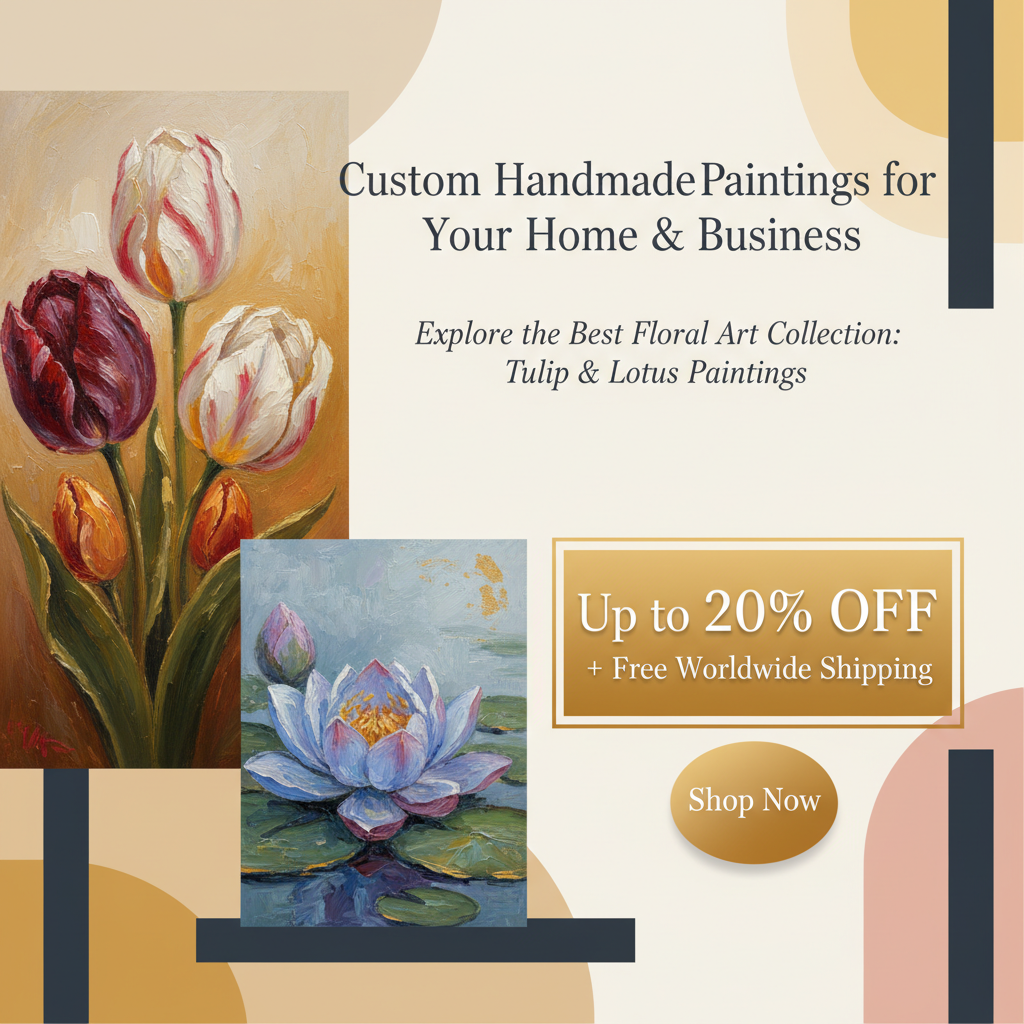
Prominent Artists and Masterpieces
Many renowned artists have left an indelible mark on floral art by exploring tulips and lotuses through their unique lenses. Ambrosius Bosschaert is lauded for his precision-driven botanical illustration, combining intricate Flower Vase studies with rich color. Rachel Ruysch's painting collection stands as a testament to baroque drama, while Mary Delany excelled in exquisite collage works that celebrate botanical characteristics in detail.
In France, Claude Monet’s series of Water lilies and the transcendent Monet Inspired Water Lily pieces, informed by his Giverny garden, invited viewers into a realm where impressionist flower valley dreamscapes express a deeper, almost spiritual connection to nature. Gustav Klimpt and Mary Cassatt also ventured into flower floral arts, bringing their own cultural nuances and styles. Giovanna Garzoni’s attention to detail and symbolism of flowers, as well as the Roman deity Flora’s frequent depiction, echo across old and new schools.
Modern approaches, including Pop Art and poster art by artists inspired by Butterflies Floral Landscape and Blue Flowers, continue to blend tradition with innovation. Frida Kahlo floral pieces, often loaded with the human condition and resilience, highlight the fusion of personal and collective symbolism. These artworks span framed artwork and larger installations found in prestigious art gallery spaces.
Styles and Techniques in Floral Art

Floral art is as diverse as its subject matter. Artists employ a variety of oil paintings techniques, from the fine, layered glazes of the old masters—sometimes requiring careful varnish removal during restoration—to the loose, expressive brushwork indicative of Impressionism or abstract reinterpretations. The Impressionist Flower Valley scenes embrace broken color and light, while more modern Pop Art infuses vivid, bold shapes and high contrast.
Botanical art focuses on scientific accuracy, as in the premier works of Bosschaert or Delany, whereas still life paintings draw attention to arrangement, composition, and the play of shadow against flower's tall stem and lush petals. Cherry Blossom Painting traditions and lavender fields vistas pair natural beauty with atmospheric perspective.
From tiny herbal florilegium panels to grand flower wall paintings, each floral style invites the viewer into a distinct mood—be it the calm of water lilies floating in a delftware vase or the energy of poster art and Spring Sale promotional images. Framed artwork choices and mural-scale works both serve as memorable decorative choices for personal space or public venues.
Curated Collections and Guide to Purchasing Floral Art

Art lovers and collectors have numerous opportunities to experience and acquire outstanding tulip artwork and lotus flower painting for their collection. Institutions like leading art gallery spaces frequently feature curated Painting Collection shows that highlight artists such as Monet and Ruysch, along with emerging voices working with contemporary media, like Blue Lotus Art. Diverse collections include everything from delicate framed artwork to mural-sized masterpieces showcasing water lilies, cherry blossom painting, and butterflies floral landscape themes. Exhibitions often feature insights from restoration experts on issues like varnish removal and conservation.
For those seeking to purchase, a few key tips can ensure an informed choice:
- Art Valuation: Understand provenance, medium, and restoration history—oil paintings and botanical illustration works tend to command high value.
- Authenticity & Galleries: Buy from established sellers, major art shows, or reputable online platforms. Verify authenticity paperwork and artist background.
- Decorative Choices: Consider how the work fits your personal space, whether you prefer classic still life paintings or vibrant poster art for modern environments.
- Engagement: Visit art fairs, participate in community events, or join digital forums to receive peer insights and reviews on artists such as Frida Kahlo or Mary Cassatt.
Lenoir Decor supports businesses and private collectors in sourcing handmade, custom oil paintings and can assist with acquiring or commissioning signature floral pieces—each expertly crafted to fit your collection’s unique needs.
Conclusion

Start your collection with a single floral masterpiece. Tulip artwork and lotus flower painting represent not just artforms, but living legacies in the world of artworks flowers—celebrated from the grandeur of Monet Inspired Water Lily canvases to the iconic power of frida kahlo floral compositions. Explore curated collections online, immerse yourself in local galleries, or reach out to experts like Lenoir Decor for custom creations that awaken your space. Your journey into floral art appreciation, collection, and community participation begins now.