French
 German
 Italian
 Arabic
 Japanese
 Spanish
 Korean
 Russian
 Portuguese
 Dutch
Dutch
 Norwegian
 Finnish
 Swedish

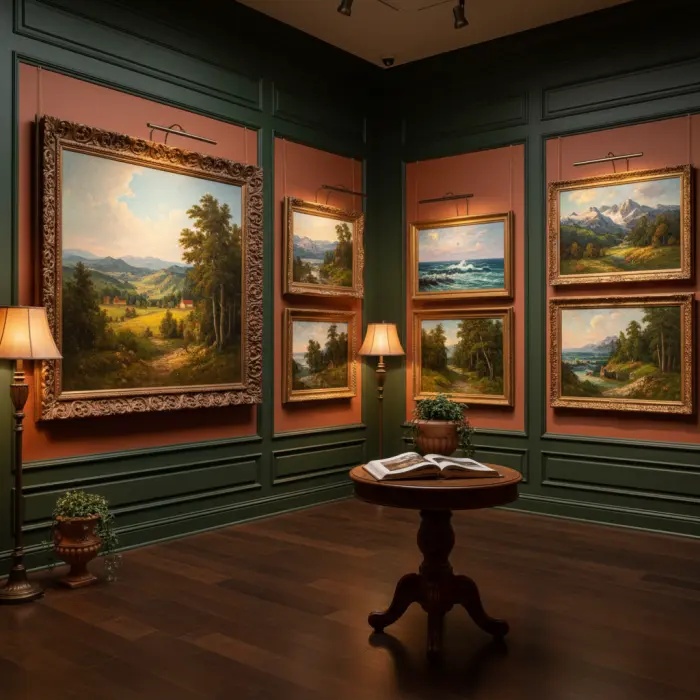
Antique landscape painting, including vintage oil paintings and vintage portrait paintings, stands as a testament to humanity's enduring fascination with nature's ever-changing beauty. These works illustrate how artists across centuries have captured scenes both real and imagined, preserving fleeting moments, landscapes, and even social ideals for posterity. In exploring the nuances of antique landscape paintings, we appreciate not only the aesthetic qualities of these masterpieces but also their role in shaping and reflecting cultural values. From the romance of the Hudson River vistas to evocative European scenes, these artworks unite creative disciplines, environmental awareness, and the legacy of human interaction with the land. Join us as we delve into this rich field, revealing the multifaceted relationship between art and the natural world—and why its preservation matters today.
Table of Contents
- Understanding Antique Landscape Paintings
- Historical Context and Societal Reflection
- Conservation and Preservation Techniques
- Exploring Collections and Exhibitions
- Resources for Collectors and Enthusiasts
- Conclusion
Understanding Antique Landscape Paintings
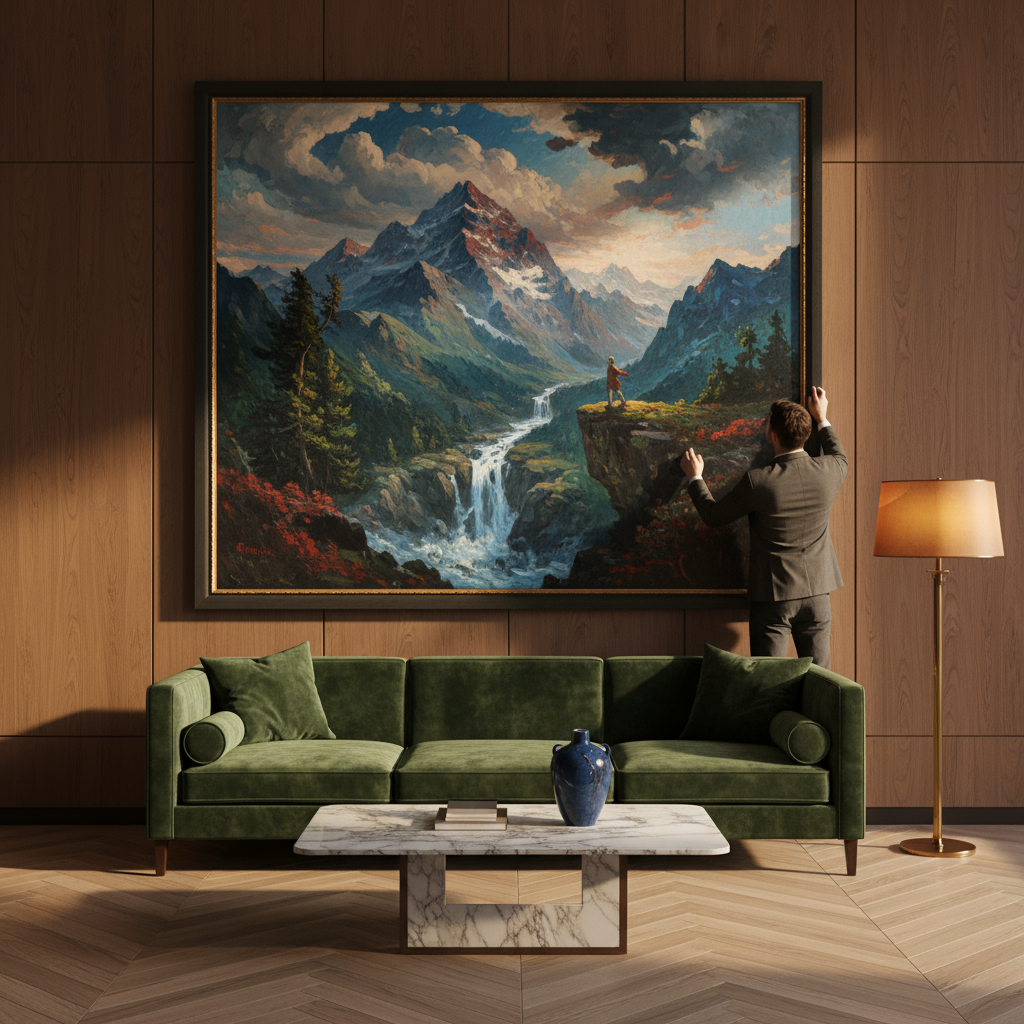
Antique landscape painting has evolved dramatically, drawing inspiration from early religious manuscripts to the refined techniques of the 19th century. The rise of American landscape painting was pivotal, shaped significantly by movements like Romanticism and Realism. Artists such as Thomas Cole led the way in expressing the sublime and spiritual aspects of the environment, founding what would become the celebrated Hudson River school.
Historical Evolution:
-
British landscape painting initially set the standard, influencing both European and American artists before the emergence of uniquely national styles.
-
The integration of oil on paper and oil studies expanded the artists' ability to experiment quickly in the field, later translating these miniature studies into large, detailed works.
-
The Gold Rush and related explorations brought the American West into sharp focus, forever altering the landscape genres and cementing their place in art history.
Characteristics and Techniques:
-
Artistic practice in antique landscapes often involved meticulous observation and innovative use of materials, including the development of luminous glazes and layered brushwork characteristic of vintage oil paintings.
-
Many antique landscape paintings incorporate elements inspired by Asian gardens or principles from the natural sciences, resulting in compositions that are both beautiful and botanically accurate.
-
Techniques like atmospheric perspective, careful study of light, and the interplay of color evoke mood and lend emotional weight to these pieces, setting them apart from modern landscape photography.
Through these characteristics, antique landscape painting not only showcases technical mastery but also the evolving values and interests of society with respect to the environment.
Historical Context and Societal Reflection
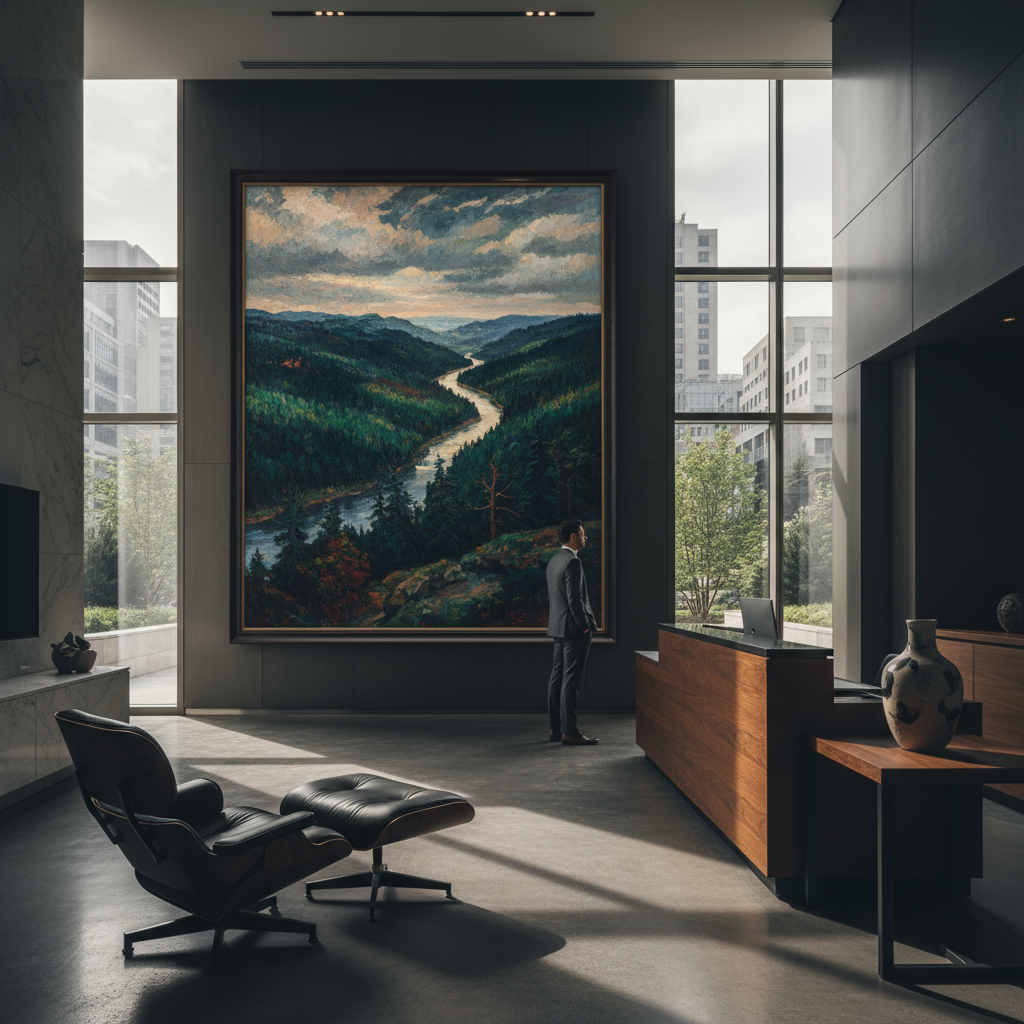

Antique landscape painting is more than visual documentation—it mirrors changing societal attitudes, environmental issues, and philosophical inquiries about humankind's place in nature.
Role in Society:
-
In the period of rapid industrialization and urbanization, landscapes provided an idealized escape and highlighted the tension between progress and preservation.
-
The genre played a crucial role in shaping American identity, anchoring patriotism and collective memory in the context of grand, unspoiled vistas, as championed by artists like Thomas Cole.
-
Landscape paintings also reflected environmental concerns, making early commentary on the impacts of human activity long before the advent of contemporary Land Art and Land Artists.
-
Some of these works were designed as studies for public spaces and garden designs, bridging art with physical environments.
Prominent Artists and Notable Works:
-
The Hudson River school, closely associated with Thomas Cole, evolved a distinctly American style grounded in romance and natural grandeur.
-
Notable collections, like those at the National Gallery of Art, preserve masterworks demonstrating the evolution of landscape genres and their ongoing relevance to debates over conservation and environmental stewardship.
-
Influences from British landscape painting—exemplified by Constable and Turner—can be seen in the nuanced treatment of atmosphere and natural light adopted by American painters.
Conservation and Preservation Techniques

Preserving antique landscape painting poses unique challenges due to their age, materials, and the susceptible nature of their environments.
Challenges in Preservation:
-
Environmental issues such as humidity, light exposure, and air pollutants hasten deterioration, especially in vintage oil paintings and paper-based works.
-
Improper handling and storage can result in cracks, fading, or loss of vibrancy—threatening both visual appeal and historic integrity.
Conservation Methods:
-
Today, conservators employ techniques such as controlled lighting, climate regulation, and advanced restoration tools to stabilize original materials.
-
Cleaning methods are meticulously chosen to retain the authenticity of the artists’ intended finishes while reversing harmful aging processes.
-
Digital documentation, inspired by advances in landscape photography, assists in tracking changes over time and planning interventions.
At Lenoir Decor, our expertise in creating handmade, custom oil paintings ensures that both new and antique artworks receive the utmost care during replication or bespoke commission projects, aligning modern artistry with time-honored conservation principles.
Exploring Collections and Exhibitions
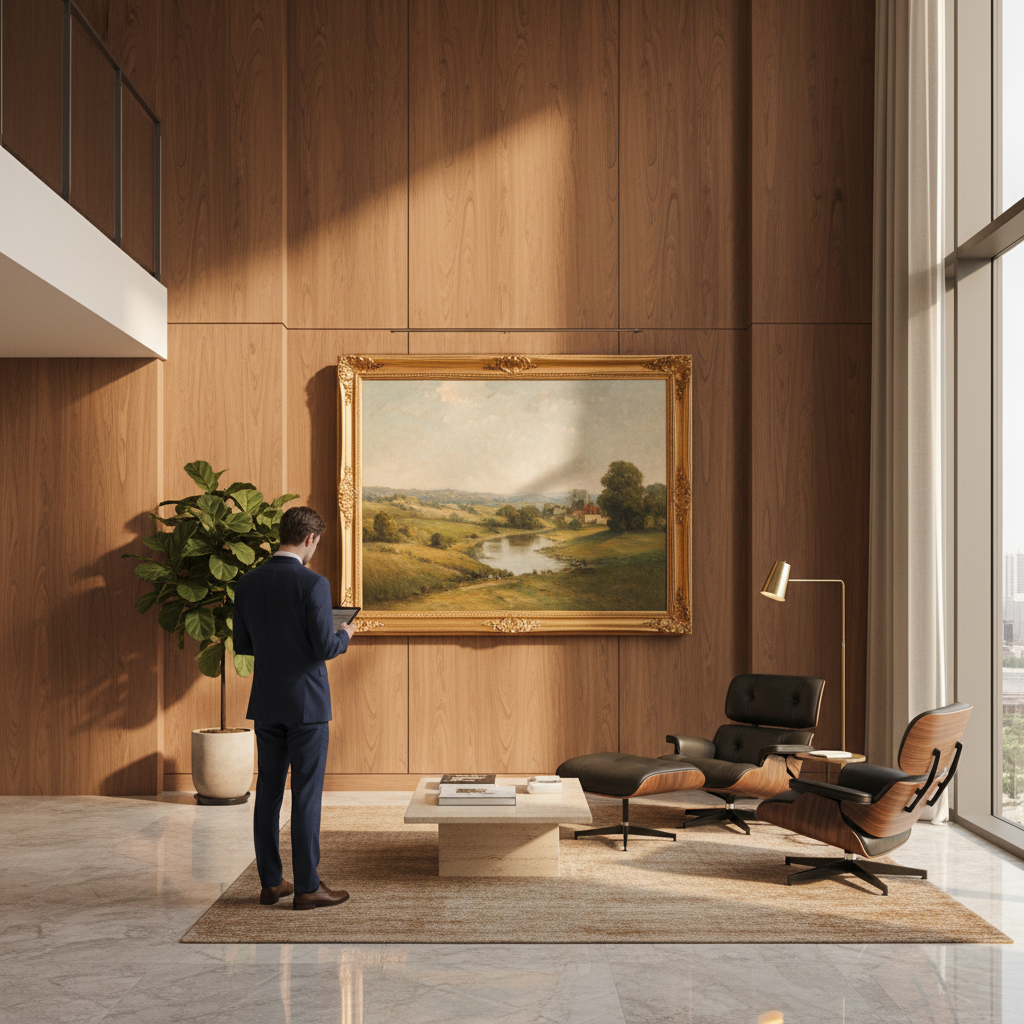
A wealth of institutions and events serve those interested in antique landscape painting, offering access to important works and opportunities for deeper engagement.
Major Institutions and Collections:
-
The National Gallery of Art and many leading museums house significant collections, featuring both American and British landscape painting masterpieces.
-
Online platforms and virtual galleries now allow global access to rare antique landscape works, helping to educate and inspire new generations of collectors.
-
Public spaces and gardens designed with influences from Asian gardens have been shaped by the same aesthetic principles found in historic paintings, creating bridges between fine art and the lived environment.
Exhibition and Event Listings:
-
Notable events frequently spotlight vintage portrait paintings and antique landscapes alongside contemporary practices such as Land Art, exploring their intersection with environmental themes.
-
Talks and expert panels, often featuring insights from Land Artists, historians, and scientists, address how these artworks comment on and interact with current ecological concerns.
For B2B buyers, like interior designers and corporate art advisors, custom commissions based on historic genres—such as those offered by Lenoir Decor—can bring the grandeur and storytelling power of antique landscapes into modern settings with sophistication and authenticity.
Resources for Collectors and Enthusiasts
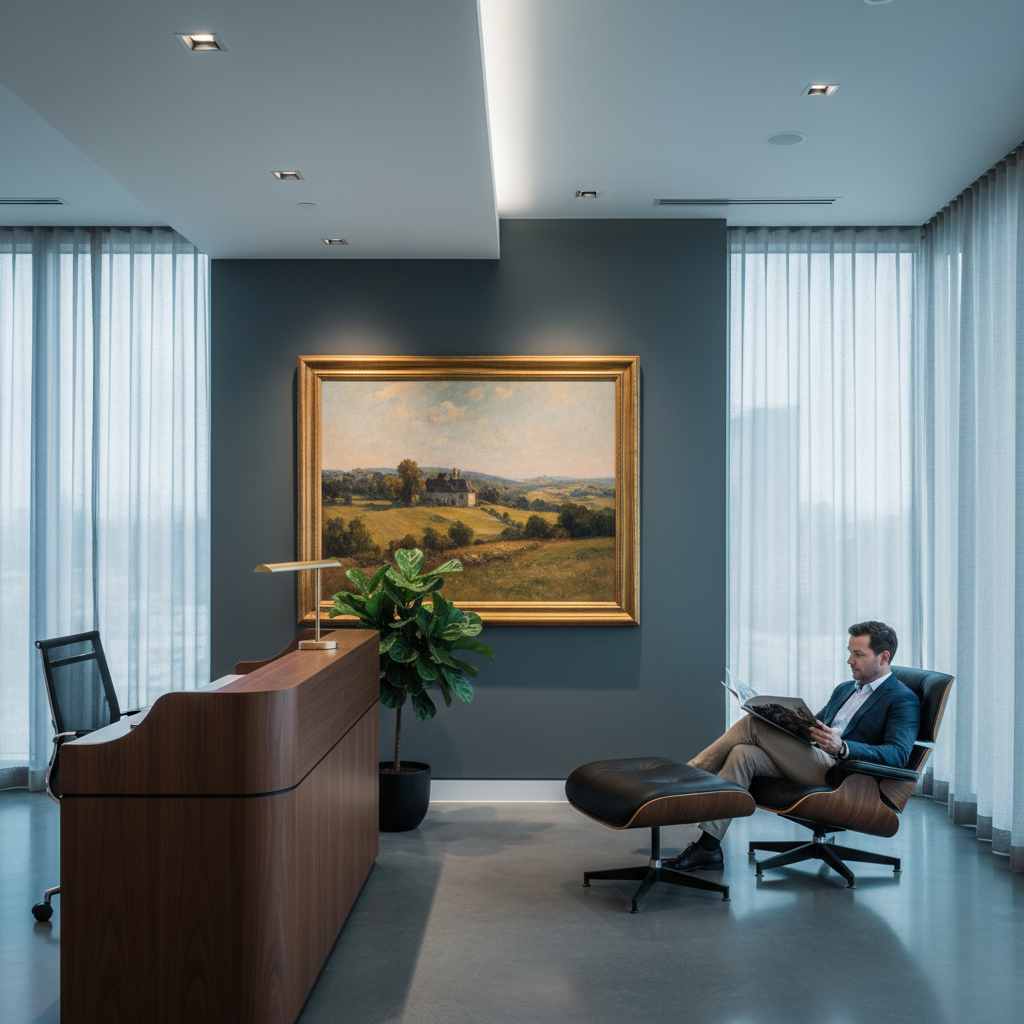
The passionate collector or enthusiast will find no shortage of resources to support their appreciation and acquisition of antique landscape painting.
-
Guides and Directories: Professional directories, museum catalogues, and specialist books provide in-depth knowledge about oil studies, artistic practice throughout the ages, and trends within landscape genres.
-
Buying and Selling Antique Landscape Paintings: For those seeking to acquire or sell vintage oil paintings or vintage portrait paintings, reputable auction houses, art consultants, and online marketplaces offer a variety of vetted works, ensuring both quality and provenance.
-
B2B services—such as Lenoir Decor’s custom oil paintings—can replicate lost masterpieces or produce tailor-made works to fit public spaces, hospitality venues, or private offices, elevating the design experience.
-
For conservation, a directory of appraisal and restoration specialists provides comprehensive options to maintain both the beauty and value of prized pieces.
- Continuing education through curated exhibitions, workshops, and talks deepens understanding of how antique landscape painting reflects, and can help address, environmental issues today.
Conclusion
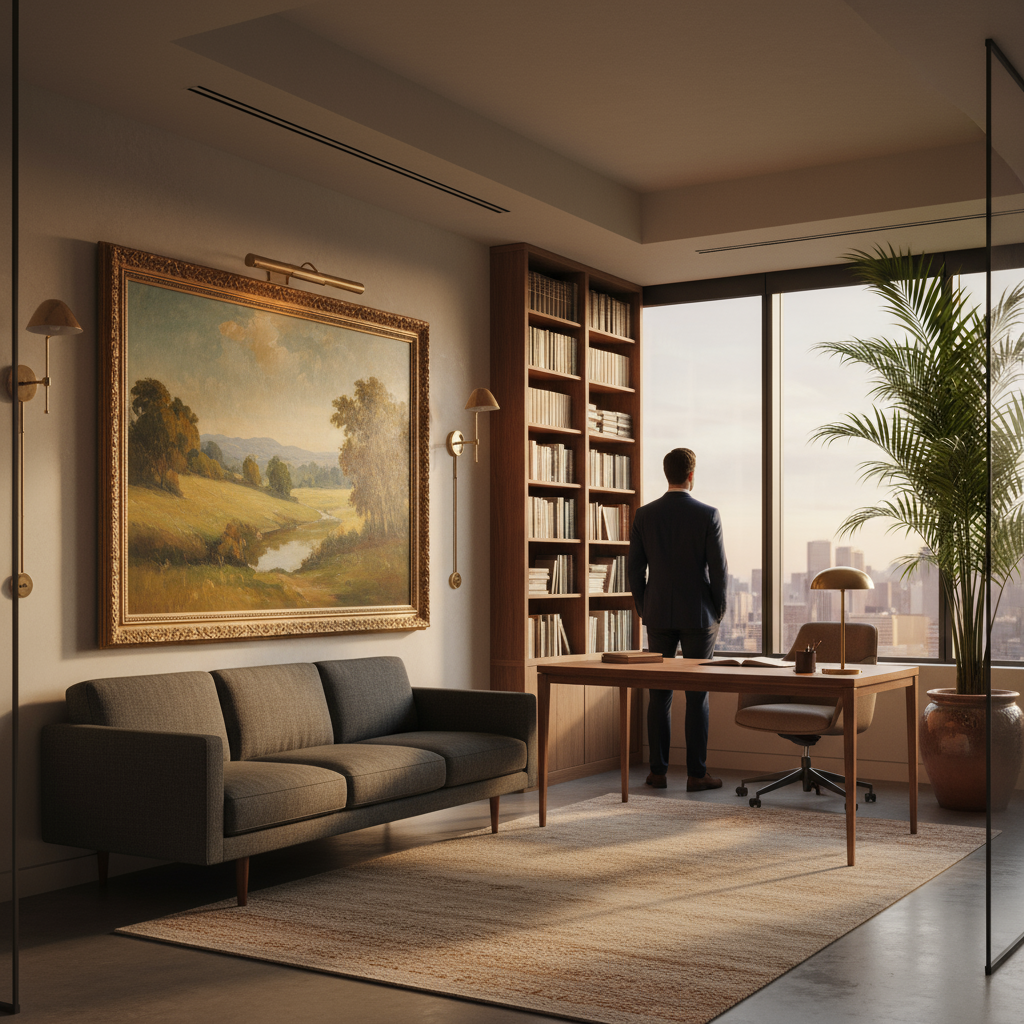
Preserve the legacy of antique landscape painting—make history part of your space. Whether you're an art collector, designer, or enthusiast, appreciating and maintaining these masterpieces not only safeguards a touchstone to our collective past but also inspires ongoing dialogues about nature, creativity, and cultural heritage. Explore custom solutions and discover how vintage oil paintings and vintage portrait paintings can enhance your vision, nourish your brand’s identity, and advance the important conversation on preservation for generations to come.