French
 German
 Italian
 Arabic
 Japanese
 Spanish
 Korean
 Russian
 Portuguese
 Dutch
Dutch
 Norwegian
 Finnish
 Swedish

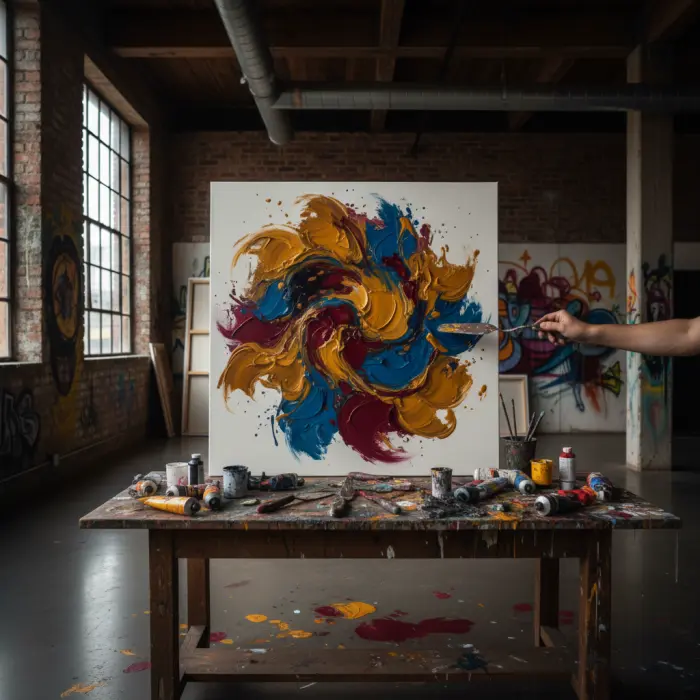
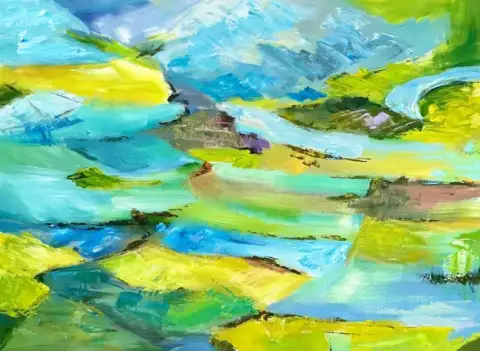
In contemporary art, few mediums are as versatile and evocative as abstract art oil on canvas. Abstract oil painting grants artists the freedom to explore expressive forms, vivid palettes, and tactile surfaces, forging connections beyond realism. At its core, abstract art in oil painting channels raw creative energy, using materials like oil paint, palette knives, and layered textures to convey emotion, mood, and movement. This article offers businesses, interior designers, and art connoisseurs a comprehensive look at blending color and texture with oil on canvas—an essential guide for commissioning standout, customized artwork or deepening your understanding of this dynamic genre.
Table of Contents
- Understanding Abstract Art: Definition, Evolution, and the Power of Color and Texture
- Techniques for Blending Color and Creating Texture in Abstract Oil Painting
- Essential Materials, Tools, and Tips for Creating Abstract Art Oil on Canvas
- Step-by-Step Process and Real-World Inspiration for Abstract Oil Painters
- Conclusion
Understanding Abstract Art: Definition, Evolution, and the Power of Color and Texture
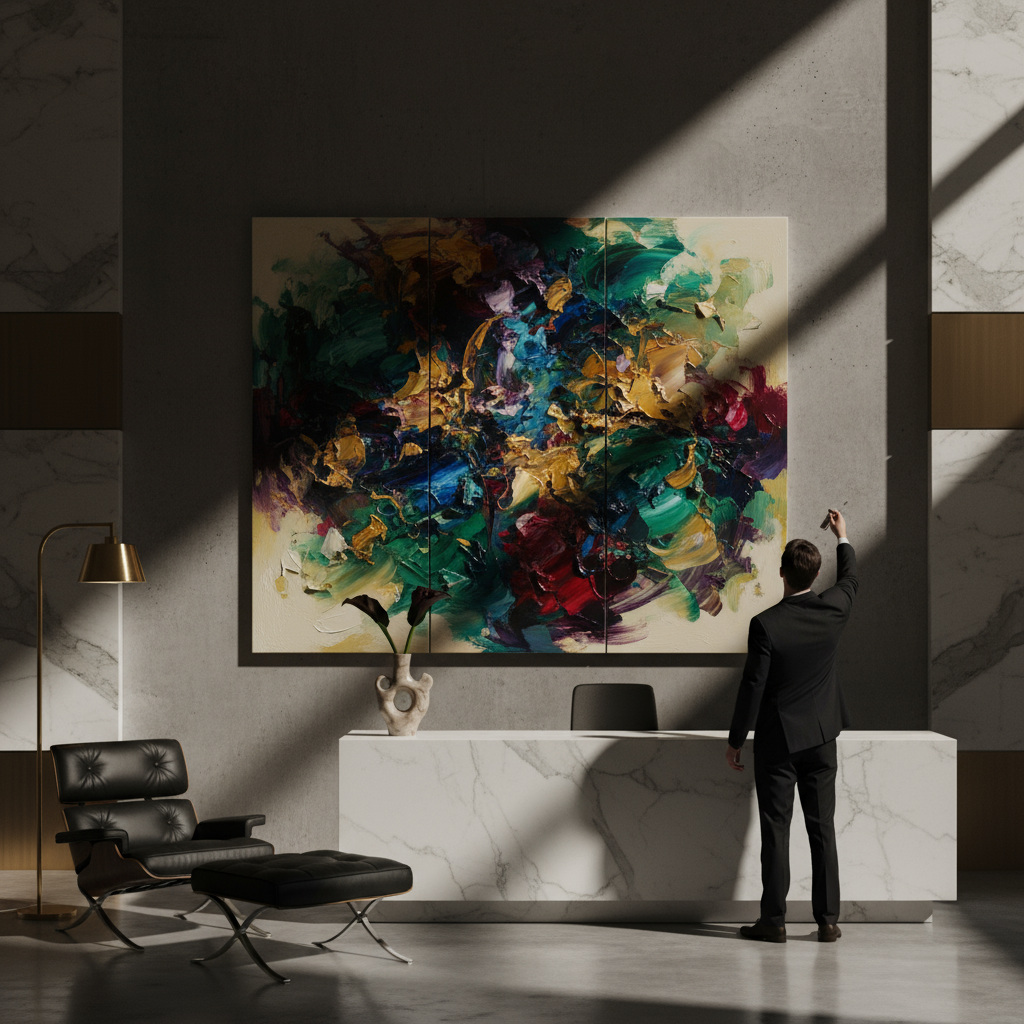
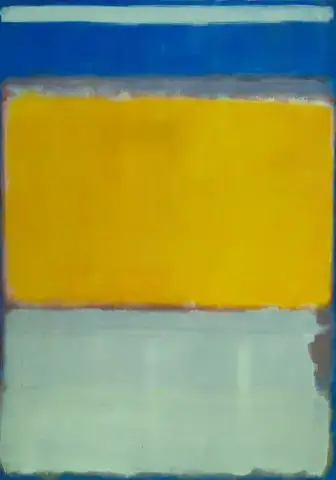
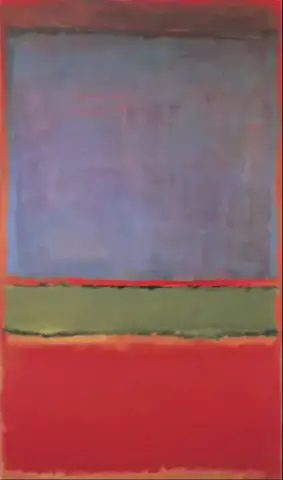
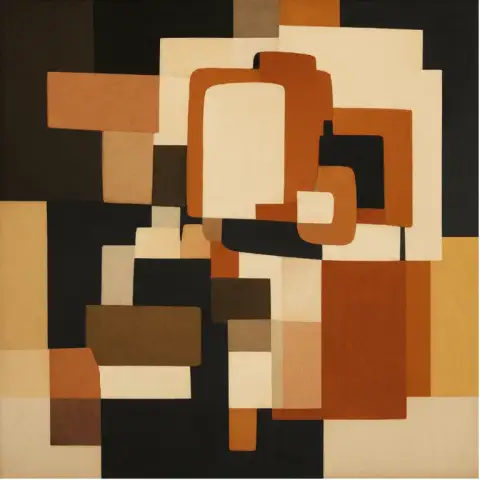
Abstract art is defined by its departure from direct visual references, relying instead on shapes, colors, lines, and textures to express complex emotions or ideological themes. Rather than representing objects literally, abstract paintings make use of suggestion and ambiguity, provoking personal interpretation and engagement. Historically, this genre gained traction in the early 20th century as artists like Wassily Kandinsky and Piet Mondrian pushed artistic boundaries. In contemporary circles, examples by artists such as Vincent Van Gogh (whose later works presaged the bold strokes and color mixing found in many abstract oil paintings today) remain influential.
Texture and color are the cornerstones of abstract art oil on canvas. Texture, often built through a thick textured technique or the nuanced application of linseed oil, brings an artwork to life, while color theory enables oil painters to juxtapose hues for emotional effect. Whether working in saturated palettes or minimalist black and white abstract paintings, the interplay between texture and color drives visual impact and mood, shaping how abstract artwork is perceived and valued.
Techniques for Blending Color and Creating Texture in Abstract Oil Painting
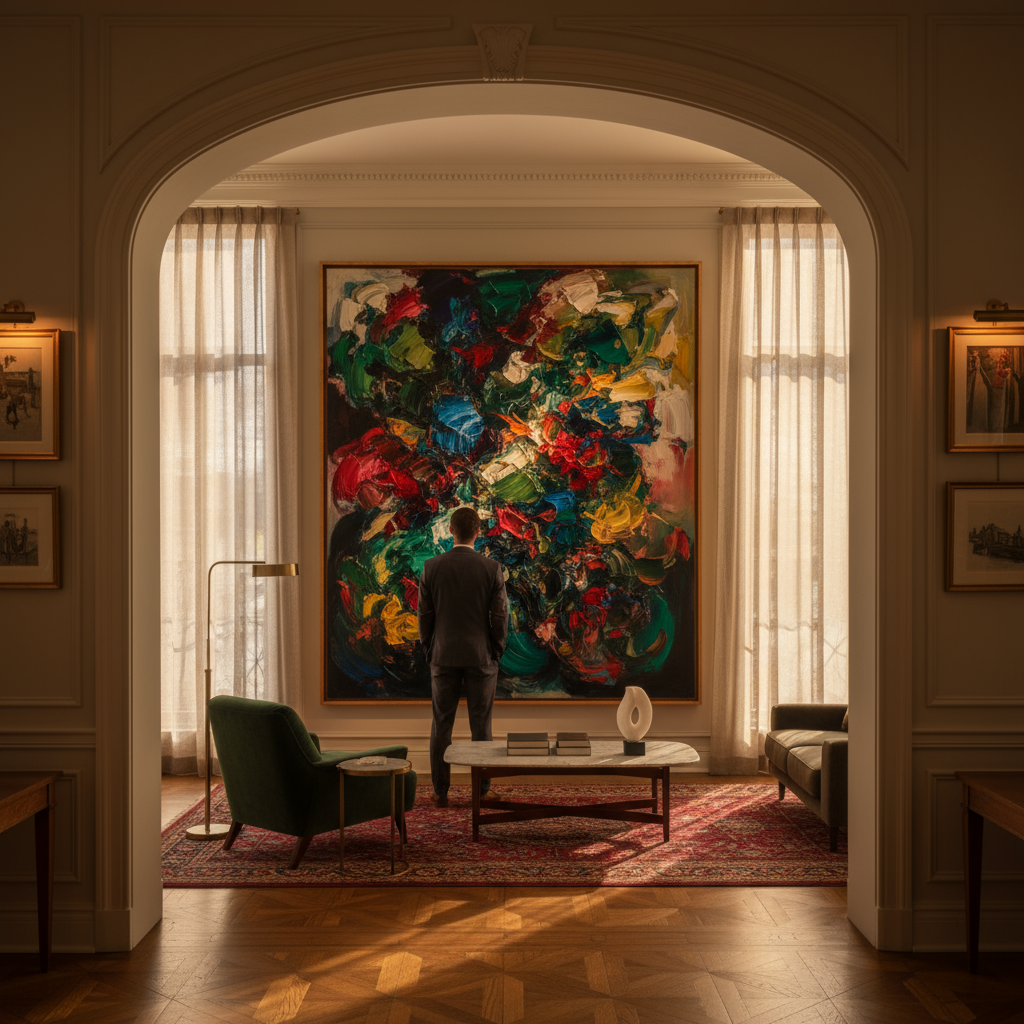
The ability to blend color seamlessly is at the heart of compelling abstract oil painting. Oil paint’s slow drying time enables artists to layer and glaze, adjusting the transparency, vibrancy, and softness of transitions.
To achieve a blended abstract look, artists often rely on techniques such as:
Layering: Gradually building color intensity by applying successive translucent layers.
- Glazing: Using thin, oil-rich paint layers (often with linseed oil) to create depth and luminosity.
- Color mixing: Carefully blending primary and secondary hues to produce harmonious or energetic color relationships, guided by color theory for emotional impact.
Texture is equally essential in abstract paintings. Methods such as the impasto technique, where thick oil paint is sculpted onto the canvas using brushes or palette knives, allow for expressive, tactile forms. Adding materials like gold leafing, combining different oil paints, or employing unconventional art supplies (e.g., sponges, rags) can yield creative energy and unique, experimental effects. Each artist at Lenoir Decor draws from these advanced painting techniques to offer businesses custom artworks that captivate and inspire.
Essential Materials, Tools, and Tips for Creating Abstract Art Oil on Canvas
Achieving striking results in abstract oil painting begins with selecting the right materials. Professional oil painters opt for high-quality oil paints, which provide superior pigmentation and blendability. For specific effects, some artists prefer certain brands or types—such as alkyd oils for faster drying, or slow-drying traditional oils for intricate blending.
Canvas selection matters, too: pre-stretched cotton or linen canvases are popular for their durability and surface texture, while proper priming enhances paint adhesion. Tools expand well beyond basic brushes. Key implements include:
Palette knives: For sculpting thick textures and creating dynamic, layered surfaces.
- Brushes: Different shapes and bristles enable a range of strokes, from fine lines to expansive sweeps.
- Supportive art supplies: Such as cleaning solvents, rags, and mediums (like linseed oil) to modify paint consistency.
Institutions like the Milan Art Institute provide valuable education on both fundamental and advanced painting techniques, offering workshops and guidance to develop your skill and creative vision.
Step-by-Step Process and Real-World Inspiration for Abstract Oil Painters
Crafting your own abstract work involves thoughtful planning, experimentation, and refinement:
Planning composition: Start by sketching basic shapes or mapping out your chosen palette.
- Building layers: Apply initial washes, then gradually develop density and movement by layering color and texture.
- Finishing and refining: Add distinctive marks—perhaps some gold leafing or bold strokes, as seen in iconic abstract paintings—to give your piece character.
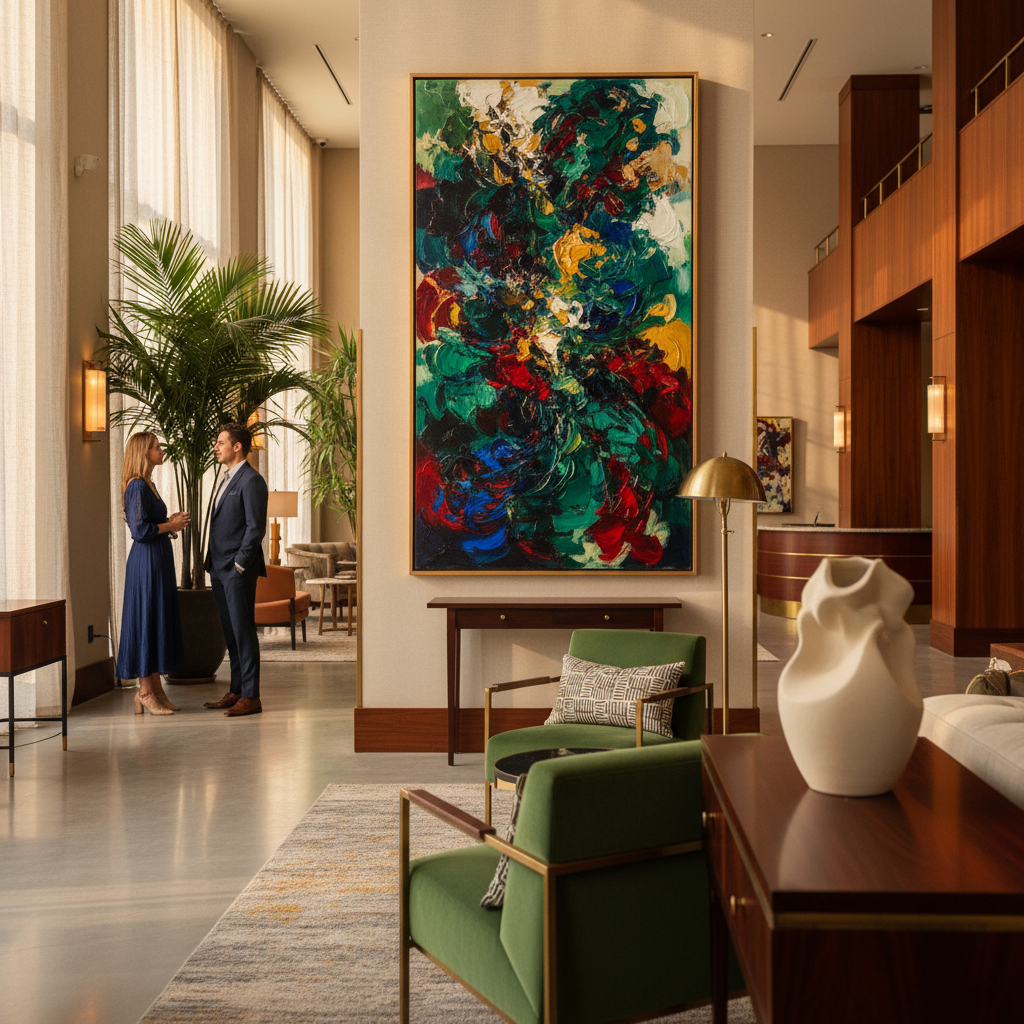
Many successful abstract oil painters, including those featured in artist interviews and case studies, stress the importance of nurturing creative energy throughout the process. Whether inspired by the emotive force of black and white abstract paintings or the dynamic colors of modern masterpieces, the journey is as significant as the finished piece. Lenoir Decor’s custom services bring these professional-level methods to your project—ideal for curating distinctive pieces for commercial, hospitality, or corporate collections.
Conclusion
Start your journey mastering abstract art oil on canvas today. By understanding the synergy between color, texture, and technique, you empower your artistic expression, whether as a creator or as a business seeking to elevate your space with remarkable, original oil paintings. Continuous experimentation—be it color mixing, layering, or exploring new art supplies—fuels innovation and refines your unique aesthetic. We invite you to share your creations, collaborate with expert oil painters, and take inspiration from industry leaders and educators like the Milan Art Institute. For bespoke abstract oil painting and personalized guidance, connect with Lenoir Decor—where each canvas is a fusion of creative energy and professional craftsmanship.